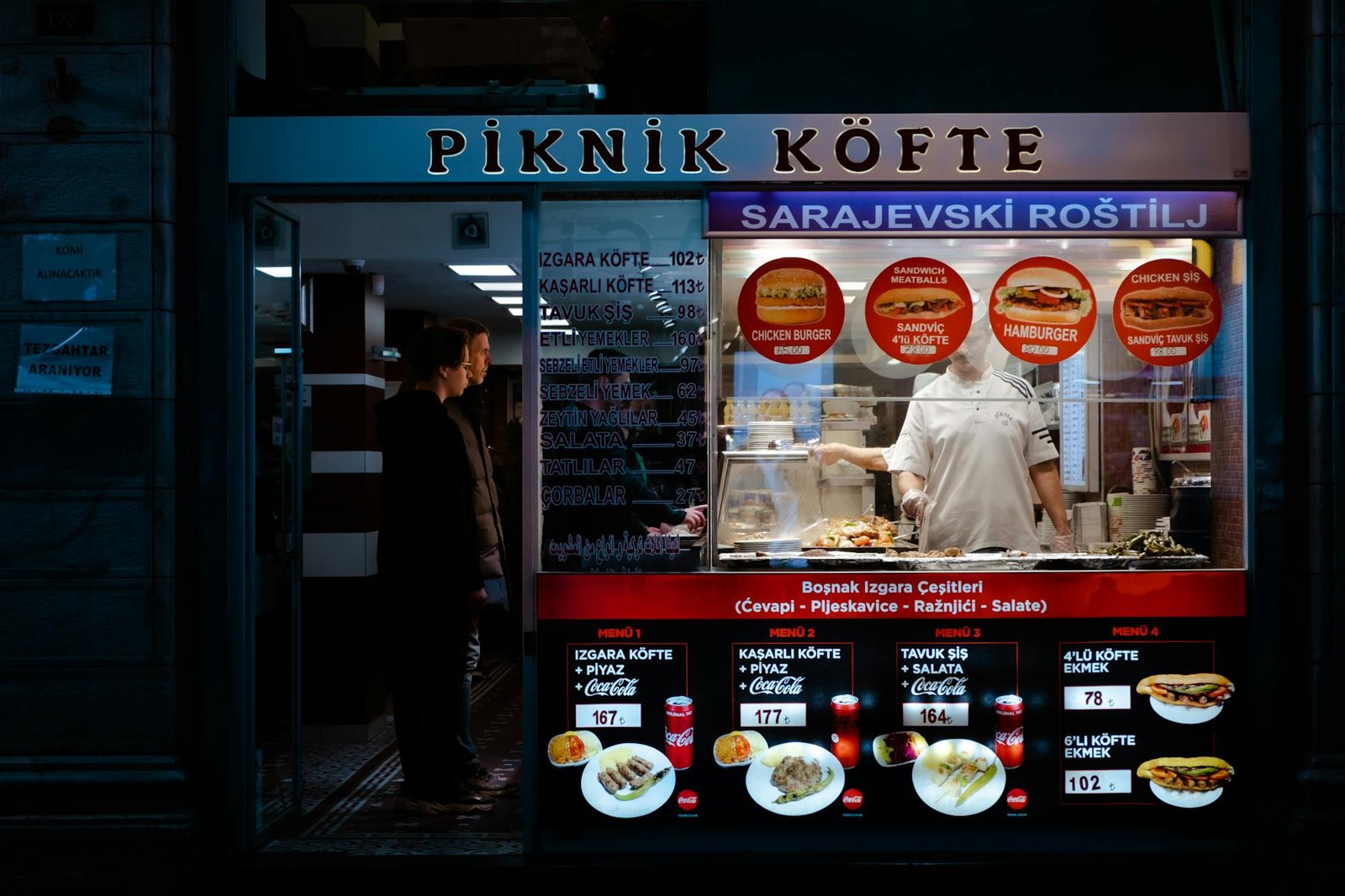
Sarajevo Food Tour – Best Local Food & Restaurants
Sarajevo, Bosnia and Herzegovina: The Ultimate Food Guide
A Culinary Crossroads of Centuries
Sarajevo’s food scene is a fascinating reflection of its complex history, blending Ottoman, Austro-Hungarian, Mediterranean, and Eastern European influences into a unique culinary identity. Walking through the cobblestone streets of the Baščaršija old town, you’ll encounter food traditions that have been refined over centuries, passed down through generations of families who guard their recipes like treasures. The city’s location at the crossroads of Eastern and Western Europe has created a food culture that is simultaneously rustic and sophisticated, where simple ingredients are transformed into dishes of extraordinary flavor.
What makes Sarajevo’s food scene particularly special is its emphasis on quality ingredients and time-honored cooking methods. You won’t find overly complicated fusion cuisine here; instead, you’ll discover straightforward, honest food that celebrates fresh produce, locally-raised meat, and traditional preparation techniques. The city’s food culture is deeply intertwined with its social fabric, where meals are occasions for gathering, storytelling, and building connections with friends and family.
The Heart of Sarajevo’s Food Culture: Baščaršija Market
The Baščaršija old town is undoubtedly the epicenter of Sarajevo’s food culture, and a visit to this historic district should be at the top of every food lover’s itinerary. The narrow, winding streets are lined with traditional shops, bakeries, and restaurants, many of which have operated in the same locations for decades. The main market square comes alive each morning with vendors selling fresh vegetables, fruits, herbs, and flowers, creating an atmosphere that feels authentically Bosnian and wonderfully chaotic in the best way possible.

Beyond the market itself, Baščaršija is home to numerous food establishments where you can experience authentic local cuisine. The cobblestone streets echo with the sounds of sizzling copper pans and the calls of shopkeepers inviting customers to sample their wares. This is where you’ll find family-run restaurants operating from tiny storefronts, bakeries pulling warm bread from wood-fired ovens, and coffee houses serving traditional Bosnian coffee in small copper pots called džezva.
Traditional Bosnian Dishes You Must Try
Ćevapčići is perhaps Bosnia’s most iconic dish, and you’ll find it served in nearly every restaurant and street vendor stall throughout Sarajevo. These grilled meat patties, typically made from beef, lamb, or pork, are seasoned with garlic, paprika, and other spices, then served on warm flatbread called lepinja with chopped onions, sour cream, and a spicy red pepper paste called ajvar. The texture should be juicy on the inside with a slight char on the outside, and eating ćevapčići is considered a rite of passage for any visitor to Bosnia.
Beyond ćevapčići, you must experience burek, a savory pastry filled with meat, cheese, or spinach, baked until the phyllo-like dough is golden and crispy. Sarajevo’s bakeries are famous for their burek, and many locals will passionately debate which neighborhood establishment makes the best version. Pita—a similar pastry but typically baked in a round shape—is another essential dish, as is sarma, which consists of seasoned meat and rice rolled in cabbage leaves and simmered in a rich tomato sauce. These dishes represent the soul of Bosnian home cooking and are staples in family meals throughout Sarajevo.
Top Street Food Experiences
Sarajevo’s street food scene is vibrant and accessible, offering tourists and locals alike the chance to eat authentic cuisine while walking through the city’s most interesting neighborhoods. The streets surrounding Baščaršija are lined with vendors selling warm burek, fresh lepinja bread, and grilled meats from early morning until late evening. One of the best experiences is grabbing a warm piece of burek from a street vendor in the morning, still steaming from the oven, and enjoying it while wandering through the old town’s narrow streets.
Don’t miss the opportunity to try lokum (Turkish delight) and baklava from the sweet shops scattered throughout Baščaršija, or sample fresh roasted nuts and seeds from market vendors. The street food culture also includes grilled corn, fresh fruit smoothies, and roasted chestnuts in cooler months. Late-night street food is particularly important in Sarajevo’s social culture, and you’ll find vendors setting up shop near nightlife areas, selling everything from grilled sausages to fresh crepes filled with Nutella and banana.
Best Restaurants for Authentic Bosnian Cuisine
Restoran Dveri is a legendary establishment in Baščaršija that has been serving traditional Bosnian food since 1946. Located in a historic building with exposed stone walls and traditional wooden doors, the restaurant maintains authentic recipes while offering a comfortable dining atmosphere. Their menu features all the classics—ćevapčići, burek, sarma, and slow-cooked meat stews—prepared according to traditional methods. The restaurant’s longevity is a testament to the quality and authenticity of its food, and locals continue to return generation after generation.
Kibe in Baščaršija is another must-visit establishment, famous for their ćevapčići and traditional grilled meats. Situated right in the heart of the old town, Kibe captures the authentic spirit of Sarajevo dining, with simple wooden tables and the constant aroma of grilling meat filling the small restaurant. For a more upscale experience while still enjoying traditional food, Ćevabdzinica Željo offers exceptional quality ćevapčići in a more polished setting. These establishments represent the best of what Sarajevo’s food scene has to offer: unwavering dedication to tradition, quality ingredients, and genuine hospitality.
Best Food Tours in Sarajevo
For visitors looking to explore Sarajevo’s food scene with expert guidance, several tour operators offer comprehensive food experiences. Viator offers walking tours through Baščaršija that include tastings at multiple restaurants and markets, with knowledgeable guides who share historical and cultural context about the city’s culinary traditions. These tours typically include visits to local bakeries, market tastings, and meals at family-run restaurants, providing a well-rounded introduction to Bosnian cuisine.
GetYourGuide also features several food-focused tours of Sarajevo, including specialized experiences like coffee tasting tours that explore the city’s famous Bosnian coffee culture, and market-to-table experiences that begin at the morning market and culminate in a cooking class or restaurant meal. These professional tours take much of the guesswork out of exploring the city’s food scene and ensure you’ll experience authentic, high-quality food while learning about the cultural significance of various dishes and traditions.
When to Visit for Food
The best time to visit Sarajevo for food experiences is during the spring and early fall months, roughly April through June and September through October. During these periods, the weather is pleasant for walking through markets and exploring neighborhoods, and the freshest seasonal produce is available. Spring brings fresh vegetables and herbs, while fall offers excellent fruits and the beginning of the season for traditional meat dishes and hearty stews that appear more frequently on restaurant menus.
Summer can be quite hot, which makes wandering through crowded markets and street food areas less comfortable, though the season does offer the widest variety of outdoor dining and vibrant street food scenes. Winter in Sarajevo brings opportunities to enjoy warming dishes like slow-cooked stews and thick soups, and the holiday season features special traditional sweets and pastries. Whenever you visit, you’ll find Sarajevo’s food scene welcoming, authentic, and deeply satisfying.
Coffee Culture and Desserts
Sarajevo’s coffee culture is legendary, and the tradition of drinking Bosnian coffee—finely ground coffee brewed in a small copper pot called a džezva—is an essential part of daily life. Coffee houses throughout the city serve this strong, aromatic beverage in small cups, often accompanied by traditional sweets like baklava or lokum. Taking time to sit in a traditional coffee house in Baščaršija, watching the city pass by while sipping coffee prepared right before your eyes, is one of Sarajevo’s most memorable experiences.
Bosnian desserts are rich, sweet, and heavily influenced by Ottoman traditions. Beyond baklava and lokum, you should try tufahija (baked apples filled with nuts and spices), krompiruša (potato and cheese pie that’s surprisingly delightful), and the various layered cakes and pastries found in every bakery. These desserts pair perfectly with the strong, sweet coffee that accompanies them, creating a culinary experience that lingers long after you leave Sarajevo.

Book a Food Experience in Top Destinations
Handpicked experiences — book with free cancellation and instant confirmation.
Frequently Asked Questions
How much does a food tour in Sarajevo cost?
Food tours in Sarajevo typically range from €25 to €80 per person for a guided group tour. Private tours and premium culinary experiences can cost more, while self-guided food walks are often free or low-cost.
How long do food tours in Sarajevo last?
Most guided food tours in Sarajevo last between 2 and 4 hours and include multiple tasting stops. Walking food tours tend to run around 3 hours, while sit-down dining experiences may last longer.
What local dishes should I try on a Sarajevo food tour?
A food tour in Sarajevo is the best way to discover authentic local specialties. Your guide will take you to street food markets, traditional restaurants, and neighbourhood gems that locals love — dishes you would never find on your own.
What is the best area for street food in Sarajevo?
The best areas for street food and local cuisine in Sarajevo are usually found in the old town, central food markets, and traditional neighbourhoods away from the main tourist hotspots. A local food guide will show you exactly where to go.
Are food tours in Sarajevo suitable for people with dietary restrictions?
Most food tour operators in Sarajevo can accommodate vegetarian, vegan, halal, and gluten-free diets with advance notice. Always inform your guide of any dietary requirements when booking so they can plan the best route for you.