Skopje Food Tour – Best Local Food & Restaurants
Skopje, North Macedonia: The Ultimate Food Guide
Why Skopje Should Be Your Next Culinary Destination
Skopje, the capital of North Macedonia, remains one of Europe’s most underrated food destinations. Nestled in the heart of the Balkans, this vibrant city offers an intoxicating blend of Ottoman, Byzantine, and Balkan culinary traditions that have been perfected over centuries. While many travelers rush through the Balkans without stopping, those who take time to explore Skopje’s food scene discover authentic flavors that rival any European capital. The city’s markets burst with fresh produce, aromatic spices, and local delicacies that tell stories of centuries-old trade routes and cultural exchange.
What makes Skopje’s food culture truly special is its accessibility and authenticity. Unlike many European capitals where fine dining dominates, you’ll find some of the most memorable meals in humble family-run restaurants and street stalls. The locals take immense pride in their culinary heritage, and you’ll encounter genuine hospitality wherever you eat. Whether you’re sipping Turkish coffee in the Old Bazaar or sampling fresh burek at a neighborhood bakery, every bite offers insight into North Macedonia’s rich history and warm-hearted people.
The Heart of Flavor: Exploring the Old Bazaar
The Old Bazaar (Stara Čaršija) is Skopje’s culinary soul and the best place to experience authentic local food culture. This sprawling marketplace, which has operated continuously since the 15th century, feels frozen in time with its narrow cobblestone streets, low-hanging awnings, and centuries-old stone buildings. As you wander through the maze-like corridors, you’ll encounter countless food stalls, traditional bakeries, and spice shops that have been family businesses for generations. The sensory experience is overwhelming in the best way possible—the aroma of grilled meats mingles with the scent of fresh bread, while vendors enthusiastically invite you to sample their wares.

Don’t miss the spice quarter, where vibrant piles of paprika, cumin, cinnamon, and sumac create a rainbow of colors and intoxicating aromas. The produce section showcases seasonal vegetables, herbs, and fruits that local chefs depend on daily. Visit Čevabdžinica restaurants tucked into the bazaar’s corners—these traditional grilled meat restaurants serve some of the city’s best čevapi (grilled meat sausages). The vendors will happily explain their products and recommendations, and haggling over prices is expected and part of the fun. Early mornings offer the best energy and freshest products.
Top Street Food You Cannot Miss
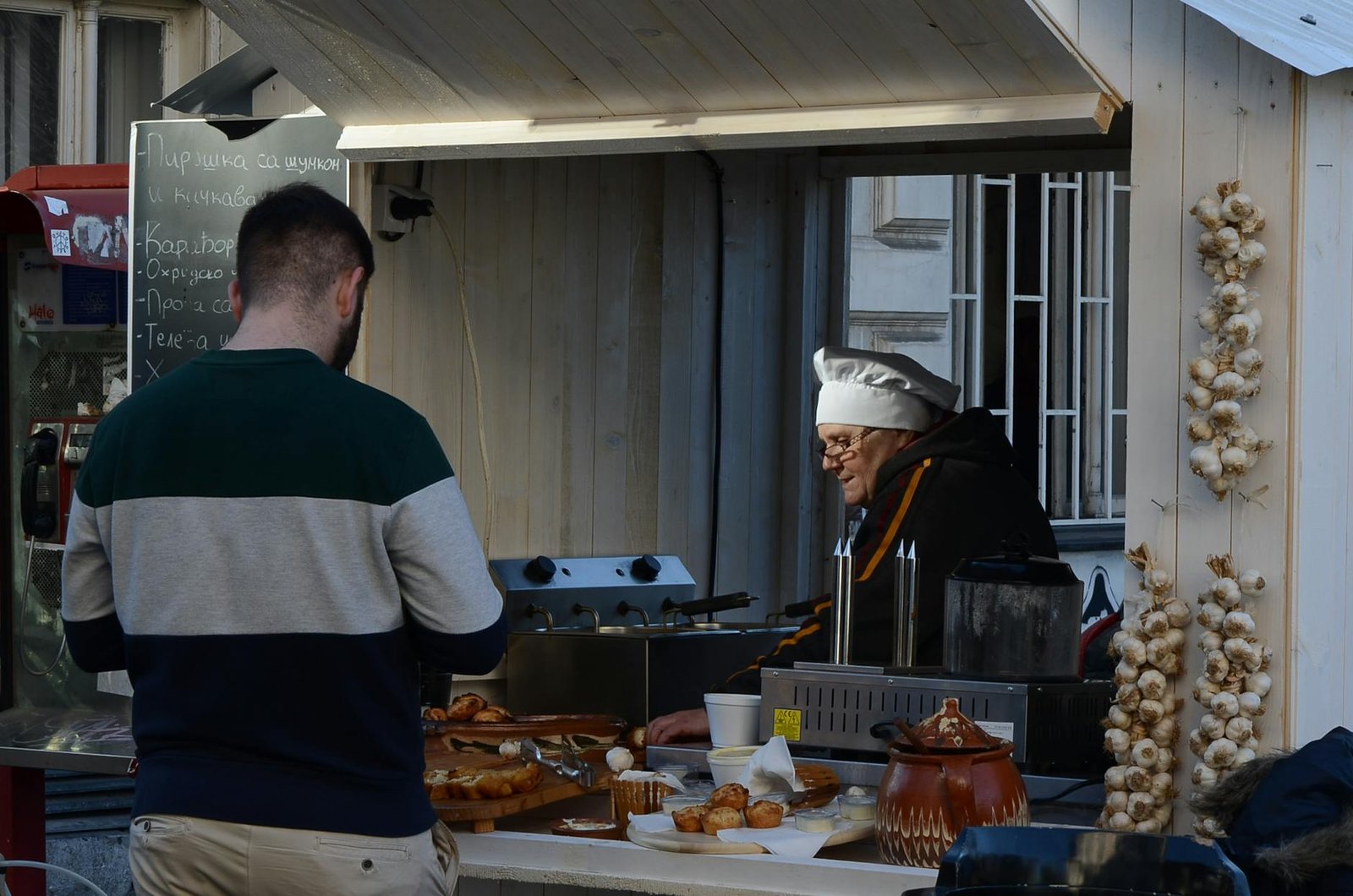
Skopje’s street food scene is legendary among Balkan food enthusiasts. Burek, the iconic flaky pastry filled with meat, cheese, or vegetables, is available everywhere, but the best versions come from dedicated bakeries in residential neighborhoods. Try Pekara Zito or Pekara Vladica for authentic burek that’s crispy on the outside and perfectly moist inside. Another essential street food is ajvar, a roasted red pepper and garlic spread that accompanies almost every meal and makes an excellent souvenir. Look for homemade versions at market stalls rather than packaged commercial brands.
Seek out pita (pastry, not Mexican flatbread) in its many forms—sirnica (cheese), krompiruša (potato), and zelnik (spinach) are common varieties. For something unique, try Makedonski Telal, a puff pastry pastry with various fillings sold warm from street carts. Don’t overlook shopska salad, a refreshing mix of tomatoes, cucumbers, onions, and white cheese that appears as a starter in nearly every restaurant. For a quick breakfast, grab a warm chocolate-filled pastry from any corner bakery paired with strong Macedonian coffee. Late-night visitors should seek out kebab stands around Vodno Street, where hungry locals gather after midnight for perfectly grilled meat sandwiches.
Traditional Macedonian Dishes Worth Seeking Out
Macedonian cuisine represents a beautiful intersection of Mediterranean and Middle Eastern influences, and several dishes deserve special attention. Tavče Gravče, a slow-cooked bean stew with spices and sometimes meat, is the national dish and appears on most menus. The best versions feature perfectly tender beans infused with paprika, cumin, and garlic, served bubbling hot in traditional clay pots. Moussaka, Macedonian-style, differs from Greek versions with its use of meat sauce and creamy béchamel, creating a hearty, comforting dish perfect with a glass of local wine.

For a true local experience, order Sarma, grape leaves filled with seasoned meat and rice, rolled tightly and simmered until tender. Pljeskavica, essentially a Balkan burger stacked with meat, cheese, and condiments, offers a casual yet indulgent meal. Shopska salad, while simple, is an art form here—look for versions made with crispy vegetables and creamy white cheese that crumbles perfectly into each bite. Finally, don’t skip Baklava for dessert, the honeyed phyllo pastry that showcases local nuts and honey. Each dish tells a story of Macedonia’s complex history and cultural richness.
Best Restaurants for Authentic Local Cuisine
Dalga stands out as the premier destination for upscale traditional Macedonian cuisine in a romantic setting overlooking the Vardar River. Their menu honors classic dishes while presentation elevates the dining experience. The staff expertly guides you through options, and the wine list features exceptional local varieties. For a more casual but equally authentic experience, visit Kaj Serugyan in the Old Bazaar, where you’ll eat among locals in a centuries-old building with traditional décor. Their tavče gravče and grilled meats are exceptional, and portions are generous.
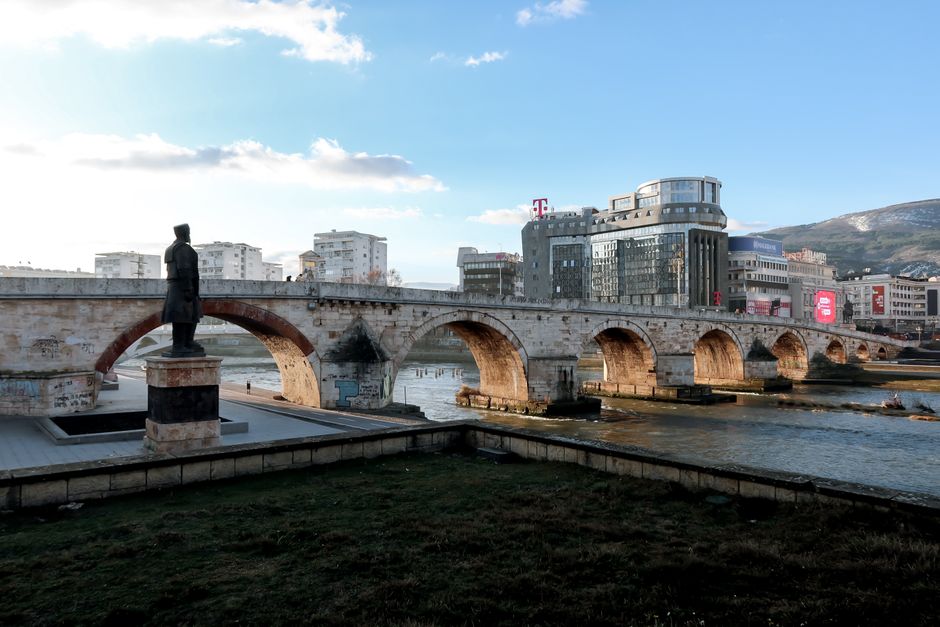
Gostilnica Sto Nas Kerka offers home-cooking style meals in a cozy neighborhood setting, featuring hearty portions of traditional favorites at budget-friendly prices. Ask for daily specials not listed on the menu. For grilled specialties, Čevabdžinica Pop remains the gold standard, serving perfectly charred čevapi and pljeskavica since 1969. Reserve ahead for dinner, as locals pack this modest establishment. Vino Kultura combines traditional food with an impressive wine selection, perfect for those wanting to explore Macedonian viticulture alongside cuisine. Finally, Adi Dprzekora near the Stone Bridge offers a lovely outdoor setting and excellent seafood despite being landlocked.
Best Food Tours and Guided Experiences
For travelers wanting guided experiences, Viator offers several Skopje food tours that combine market exploration with local restaurant visits and cultural insights. Their guides provide excellent context about Macedonian culinary traditions and can navigate the Old Bazaar’s complex layout while sharing insider knowledge. GetYourGuide similarly features well-reviewed food tours, including options focused on specific neighborhoods or cooking classes. Both platforms offer tours ranging from 3-4 hours for market exploration to full-day experiences that include multiple restaurants and wine tastings.
For an immersive option, consider private cooking classes offered through local guides who teach you to prepare traditional dishes in their own kitchens or dedicated culinary studios. These hands-on experiences typically include market shopping, instruction, and the pleasure of eating your creations with an expert guide. Many guides can be arranged through your hotel concierge or by contacting the Skopje Tourist Information Center. The personal attention and flexibility of private tours often justifies the additional cost.
Local Wines and Beverages to Enjoy
North Macedonia boasts an underrated wine region producing excellent reds and whites at surprisingly affordable prices. Local varieties like Vranac, a full-bodied red, and Temjanika, a fragrant white, deserve tasting room space. Château Kamnik and Popova Kula are excellent wineries you can visit outside the city, but Skopje’s wine bars offer convenient tastings. Try wines at Vino Kultura or Wine Box, where knowledgeable staff explain regional varieties and pair recommendations with traditional foods.
Beyond wine, embrace Turkish coffee culture at any of the dozens of coffee shops in the Old Bazaar. The strong, unfiltered coffee served in small cups alongside cold water is an essential Skopje experience. Rakija, the local fruit brandy, is offered after meals and ranges from smooth to dangerously potent. Ayran, a yogurt-based drink, provides refreshing relief on hot days. Locally produced fruit juices, particularly from apricots and pomegranates, are seasonal delights worth seeking out at market stalls.
When to Visit for the Best Food Experience
Summer months (June-August) offer abundant fresh produce at markets and outdoor dining opportunities, though heat can be intense. Spring (April-May) provides mild weather and seasonal vegetables like asparagus and early tomatoes. Autumn (September-October) brings grape harvest celebrations and wine events worth timing your visit around. Winter months feature heartier dishes and indoor markets that are less crowded than summer. Consider visiting during local food festivals if planning ahead—Skopje hosts various culinary events celebrating seasonal ingredients and regional traditions.
Early mornings provide the most vibrant market experience and best selection of fresh baked goods. Plan restaurant visits for lunch (typically 12-3 PM) when locals eat and kitchens serve their best-prepared dishes. Dinner service begins around 7 PM and restaurants fill by 9 PM. Avoid peak tourist season in July-August if seeking authentic local experiences, as some establishments adjust menus for international visitors. Winter visits mean fewer tourists and more genuine interactions with locals who frequent neighborhood restaurants regularly.

Book a Food Experience in Top Destinations
Handpicked experiences — book with free cancellation and instant confirmation.
Frequently Asked Questions
How much does a food tour in Skopje cost?
Food tours in Skopje typically range from €25 to €80 per person for a guided group tour. Private tours and premium culinary experiences can cost more, while self-guided food walks are often free or low-cost.
How long do food tours in Skopje last?
Most guided food tours in Skopje last between 2 and 4 hours and include multiple tasting stops. Walking food tours tend to run around 3 hours, while sit-down dining experiences may last longer.
What local dishes should I try on a Skopje food tour?
A food tour in Skopje is the best way to discover authentic local specialties. Your guide will take you to street food markets, traditional restaurants, and neighbourhood gems that locals love — dishes you would never find on your own.
What is the best area for street food in Skopje?
The best areas for street food and local cuisine in Skopje are usually found in the old town, central food markets, and traditional neighbourhoods away from the main tourist hotspots. A local food guide will show you exactly where to go.
Are food tours in Skopje suitable for people with dietary restrictions?
Most food tour operators in Skopje can accommodate vegetarian, vegan, halal, and gluten-free diets with advance notice. Always inform your guide of any dietary requirements when booking so they can plan the best route for you.