Bali Vegan Food Guide: Plant-Based Paradise for Travelers
“`html
If you’ve ever dreamed of eating extraordinarily well while surrounded by rice paddies, incense smoke, and the distant sound of gamelan music, Bali is calling your name. And if you happen to follow a plant-based diet, you may have just found your spiritual homeland. Bali — particularly the lush inland town of Ubud — has quietly become one of the most exciting vegan food destinations on the planet, earning its reputation as the plant-based capital of Asia. Whether you’re a committed vegan, a curious flexitarian, or simply someone who wants to eat colorful, nourishing food without breaking the bank, this guide will walk you through everything you need to know before your first bite.
Why Ubud Is the Plant-Based Capital of Asia
It’s not just a marketing tagline. Ubud genuinely earns this title through sheer density of incredible vegan and vegetarian restaurants, a community deeply rooted in wellness culture, and an abundance of locally grown tropical produce that makes everything on the plate taste more alive. Turmeric, tempeh, jackfruit, coconut, and exotic greens grow practically in people’s backyards here, giving chefs an incredible pantry to work with year-round.
The town has attracted a global community of yoga practitioners, digital nomads, and health-conscious travelers who have created sustained demand for plant-based options. The result is a restaurant scene that rivals cities like Berlin or Los Angeles in terms of vegan creativity, but with prices that feel almost criminally reasonable by Western standards. Expect to spend between €5 and €20 per meal depending on where you eat, with the most elaborate raw vegan spreads sitting comfortably at the higher end of that range.
The Restaurants You Absolutely Cannot Miss
Alchemy Raw Vegan Restaurant
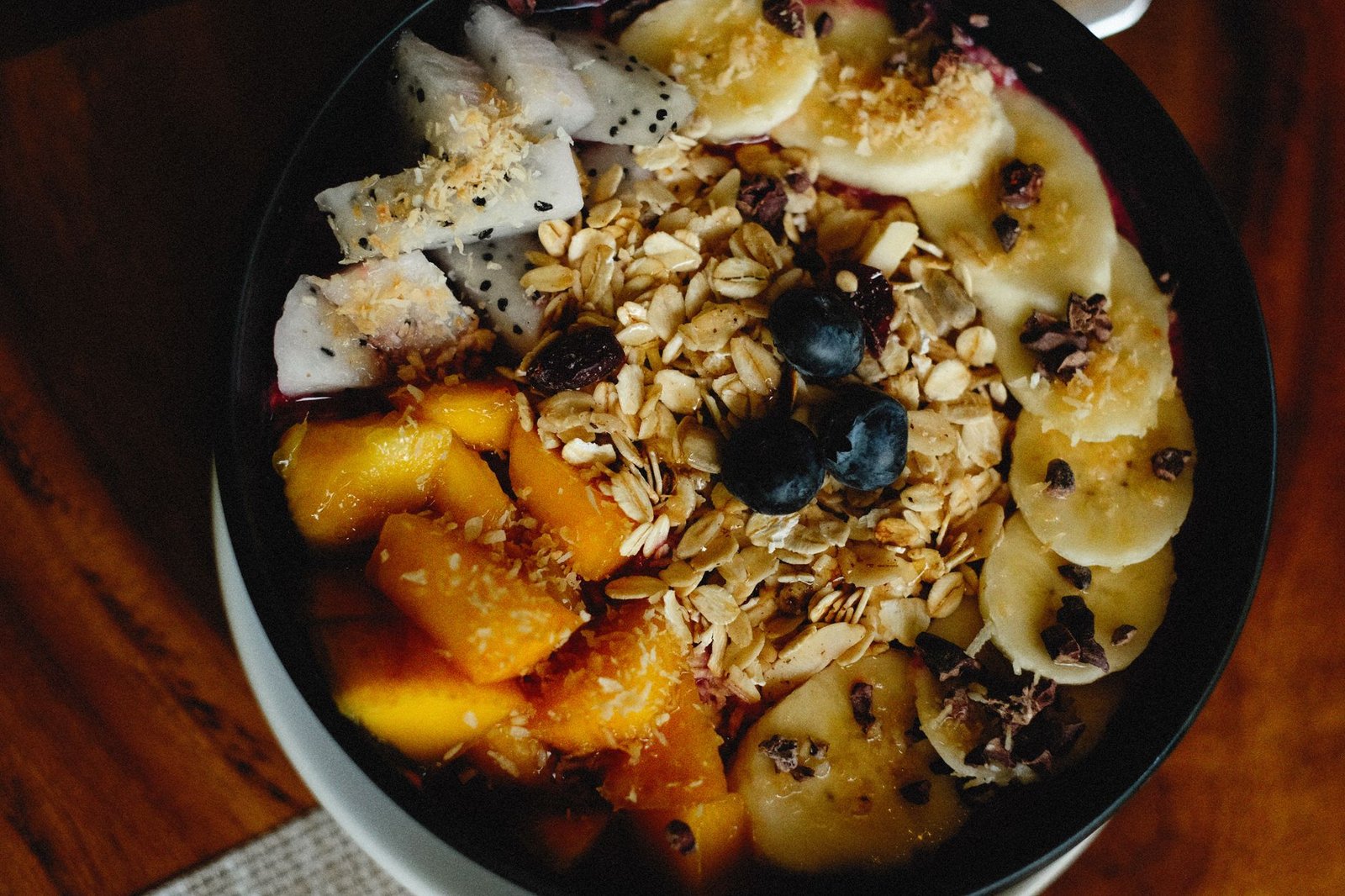
Alchemy is perhaps the most famous vegan restaurant in all of Southeast Asia, and after one visit you’ll understand why. Located on Jalan Penestanan in Ubud, this open-air paradise is built around a philosophy of raw, living food. Their smoothie bowls are legendary — thick, jewel-colored creations piled high with fresh fruit, activated granola, coconut flakes, and edible flowers that make them almost too beautiful to eat. Almost. Their salad bar is also exceptional, offering a rotating selection of raw preparations, fermented foods, and superfood-laden dressings that you can mix and match into your own masterpiece. Budget around €10 to €15 for a full meal here, and go early because tables fill up fast.
Sage Restaurant
If Alchemy is Ubud’s raw temple, Sage is its more refined, cozy counterpart. This beloved vegetarian and vegan restaurant takes a more globally inspired approach, blending Indonesian flavors with Mediterranean and Asian influences. The menu changes regularly, but you can typically expect beautifully plated dishes using local organic ingredients. It’s the kind of place where you linger over your meal with a good book or a long conversation, feeling genuinely nourished rather than just fed. Prices sit in the €8 to €15 range and feel entirely justified.
Clear Cafe
Clear Cafe holds a special place in many travelers’ hearts because it manages to be both approachable and genuinely excellent. Located right in the center of Ubud, it offers a lengthy menu that spans raw dishes, cooked vegan meals, fresh juices, and even some of the best vegan cakes you’ll find in Indonesia. The atmosphere is warm and communal, with wooden décor and soft lighting that makes it a wonderful spot for any meal of the day. Don’t leave without trying one of their raw desserts — the chocolate-based options are outstanding.
Traditional Indonesian Dishes That Are Naturally Vegan (With One Big Warning)
One of the great joys of eating plant-based in Bali is discovering just how many traditional Indonesian dishes are either naturally vegan or easily adapted. Understanding what to look for — and what to watch out for — will transform your dining experience.
- Tempeh: This is Indonesia’s greatest gift to plant-based eaters worldwide, and it originated right here. Made from fermented soybeans pressed into a firm cake, tempeh has a nutty, deeply savory flavor that absorbs marinades beautifully. You’ll find it fried, grilled, smothered in spice pastes, and tucked into rice dishes everywhere you go. Eating tempeh in Bali feels like hearing jazz in New Orleans — this is where it belongs.
- Gado-Gado: This iconic Indonesian salad of steamed vegetables, boiled eggs (ask for it without), tofu, and tempeh is served with a rich, creamy peanut sauce that is completely plant-based in its base form. It’s satisfying, protein-rich, and absolutely delicious. Request it without the egg for a fully vegan version.
- Vegan Nasi Goreng: Indonesia’s beloved fried rice dish is traditionally made with egg and sometimes shrimp paste, but most restaurants in Bali’s tourist areas are well-practiced at making an egg-free, shrimp-paste-free version upon request. Ask specifically for “nasi goreng vegan” and confirm no terasi (the Indonesian word for shrimp paste).
- Jackfruit Rendang: Rendang is traditionally a slow-cooked beef dish, but jackfruit rendang has become a celebrated vegan adaptation that honors the complexity of the original. Young jackfruit absorbs the rich blend of lemongrass, galangal, chili, and coconut milk magnificently, producing a deeply flavored, meaty-textured dish that can convert even committed carnivores.
The Important Warning — Terasi (Shrimp Paste): Here is something every plant-based traveler in Bali must know before ordering. Terasi, or shrimp paste, is a foundational ingredient in much of Balinese and Indonesian cooking. It’s pungent, deeply savory, and almost invisible in finished dishes — hidden inside spice bases, sambal sauces, and fried rice preparations. Many traditional warung (small local restaurants) add it automatically without thinking twice. Always explicitly ask “tanpa terasi” (without shrimp paste) and “tanpa telur” (without egg) when ordering in local establishments. Tourist-oriented vegan restaurants will already be aware, but it’s worth confirming everywhere you eat.
Ubud vs Seminyak: Comparing the Vegan Scenes
Both Ubud and Seminyak offer solid plant-based options, but they cater to very different travel styles and budgets. Understanding the difference will help you decide where to base yourself or how to split your time.
Ubud is the undisputed spiritual and culinary home of Balinese veganism. The restaurants here are purpose-built around plant-based philosophy, the ingredients are often locally sourced and organic, and the overall atmosphere supports a slower, more intentional style of eating. Prices are reasonable, quality is consistently high, and the sheer volume of options means you could eat in Ubud for two weeks without repeating a restaurant.
Seminyak, on the other hand, is Bali’s upscale beach hub — glamorous, stylish, and oriented around surf, sunsets, and cocktails. Vegan options exist here, particularly in the international restaurant scene along Jalan Petitenget and Jalan Kayu Aya, but they tend to be pricier and more scattered. You’ll find smoothie bowls and avocado toast at beachside cafes, and several health-focused restaurants have set up shop to serve the wellness crowd, but it lacks the density and intentionality of Ubud’s scene. If beach life is your priority, Seminyak delivers. If plant-based food is your priority, spend the majority of your time in Ubud.
Shopping for Plant-Based Ingredients: Ubud’s Organic Market
Every Saturday morning, one of Bali’s most wonderful experiences unfolds at the Ubud Organic Market, held at Jalan Raya Ubud near the Yoga Barn. Local farmers and small producers gather to sell an extraordinary range of organically grown produce, raw snacks, fermented products, homemade nut butters, herbal teas, and prepared foods. It’s the perfect place to pick up fresh dragon fruit, exotic greens, locally made tempeh, and raw cacao products at prices well below what you’d pay in any restaurant.
Arriving between 8am and 9am gives you the best selection before the mid-morning crowds arrive. Many vendors are happy to explain what they’re selling, offer samples, and share recipe ideas. Even if you don’t have a kitchen available, picking up fresh fruit and pre-made snacks here makes for an incredibly satisfying and affordable breakfast experience, with most items costing just €1 to €3.
Exploring Bali’s Food Scene Through Guided Tours
One of the most rewarding ways to navigate any unfamiliar food culture is through a guided food tour, and Bali is no exception. Several excellent food tour operators offer plant-based and vegetarian-focused experiences in Ubud that take you beyond the tourist trail and into local markets, family warungs, and cooking demonstrations in traditional home kitchens. Platforms like Viator and GetYourGuide list a solid range of Bali food tours, including options that focus specifically on vegetarian cooking classes where you’ll learn to make tempeh dishes, traditional sambals (minus the shrimp paste), and classic Indonesian rice preparations from scratch. These experiences typically run between €25 and €60 per person and offer cultural context that makes every future meal more meaningful.
Bali’s plant-based food scene is genuinely one of the world’s great culinary surprises — a place where ancient Indonesian food traditions and modern wellness culture meet in the most delicious way imaginable. Whether you’re hunting down the perfect smoothie bowl at Alchemy, learning to cook jackfruit rendang in a local kitchen, or navigating a bustling Saturday market for the freshest tropical produce, Ubud and its surrounding communities offer an experience that goes far beyond simply eating well. You leave with a deeper understanding of ingredients, tradition, and the extraordinary generosity of Balinese food culture. Ready to plan your plant-based Bali adventure? Browse our curated food tour recommendations and destination guides at FoodTourTrails.com to start building your perfect itinerary.
“`



Book a Food Experience in Top Destinations
Handpicked experiences — book with free cancellation and instant confirmation.
Explore More Food Tours
More food guides from Indonesia:
You might also enjoy:
- Melbourne Food Tour Guide (Australia)
- Sydney Food Tour Guide (Australia)
- Penang Food Tour Guide (Malaysia)
- Singapore Food Tour Guide (Singapore)
Frequently Asked Questions
Is it easy to find vegan food in Bali as a traveler?
Yes, Bali is one of the most vegan-friendly destinations in Southeast Asia, particularly in areas like Canggu, Ubud, and Seminyak. Dedicated vegan and plant-based restaurants are abundant, and many traditional warungs (local eateries) can accommodate vegan requests. You'll rarely struggle to find satisfying plant-based meals throughout the island.
Which areas in Bali have the best vegan food scene?
Ubud is widely considered the vegan capital of Bali, packed with raw food cafes, organic eateries, and health-conscious restaurants along its main streets. Canggu is a close second, offering trendy plant-based brunch spots and smoothie bowl cafes popular with digital nomads. Seminyak also has solid options, though it skews slightly more toward omnivore dining.
Are traditional Balinese dishes naturally vegan?
Some traditional dishes can be made vegan, but many contain shrimp paste (terasi) or fish sauce as base ingredients, making them unsuitable without modification. Dishes like gado-gado (peanut sauce vegetables) and nasi campur can often be requested vegan-style at local warungs. Always ask specifically whether shrimp paste is used, as it's a common hidden ingredient in seemingly plant-based dishes.
How affordable is vegan eating in Bali compared to Western countries?
Vegan food in Bali is significantly cheaper than in Western countries, with most meals at local warungs costing between $2–$5 USD. Even upscale organic restaurants in Ubud typically charge $8–$15 per dish, which feels premium locally but remains budget-friendly for most Western travelers. Smoothie bowls and fresh juices, which might cost $12 at home, often run just $3–$5 here.
What are some must-try vegan dishes or foods when visiting Bali?
Don't leave without trying a dragon fruit or acai smoothie bowl, tempeh satay with peanut sauce, and jackfruit rendang curry — all widely available and genuinely delicious. Lawar putih (white lawar made with coconut and vegetables) and tofu-based nasi goreng are local favorites easily made vegan. For something unique, seek out raw vegan desserts made with coconut, cacao, and tropical fruits at Ubud's organic cafes.