Belgrade Food Tour – Best Local Food & Restaurants
Belgrade, Serbia: The Ultimate Food Guide
Understanding Serbian Cuisine: Tradition Meets Innovation
Belgrade’s food scene is a captivating blend of centuries-old traditions and contemporary culinary innovation. Serbian cuisine reflects the country’s complex history, with influences from Ottoman, Austro-Hungarian, and Mediterranean cultures woven throughout. The foundation of Serbian cooking rests on hearty, flavorful dishes that celebrate local ingredients, fresh vegetables, and premium meats. In Belgrade, you’ll discover that food is more than sustenance—it’s a celebration of culture, family, and community values that have endured for generations.
The Danube River has long influenced Belgrade’s culinary traditions, bringing fresh fish and seasonal produce to the city’s kitchens. Walking through Belgrade’s neighborhoods, you’ll notice that many restaurants proudly display “domaća hrana” (home-cooked food) signs, indicating authentic, traditional preparations. This commitment to authenticity has made Belgrade increasingly popular among food travelers seeking genuine culinary experiences rather than commercialized tourist fare.
Top Street Food You Must Try
Belgrade’s street food scene is vibrant and affordable, offering incredible flavors from small stands and vendors throughout the city. Pljeskavica, the Serbian burger, is the undisputed king of street food—a thick, juicy patty of mixed meats grilled to perfection and served with fresh onions, ajvar (roasted red pepper spread), and kajmak (creamy dairy product similar to sour cream). You’ll find exceptional pljeskavica at stands along Kneza Mihaila street and throughout the Savamala district, where vendors have perfected their craft over decades.

Another essential street food experience is ćevapi—small, thin grilled sausages made from seasoned minced meat that are typically served six or eight to an order. These are best enjoyed at neighborhood burek shops and kebab stands, particularly in the area around the Zeleni Venac market. Don’t miss burek, a savory pastry filled with meat, cheese, or spinach, which makes a perfect quick lunch. For something sweet, seek out baklava and tufahije (baked apples filled with walnuts and topped with cream) from street vendors and bakeries throughout the city.
Best Restaurants for Authentic Serbian Experience
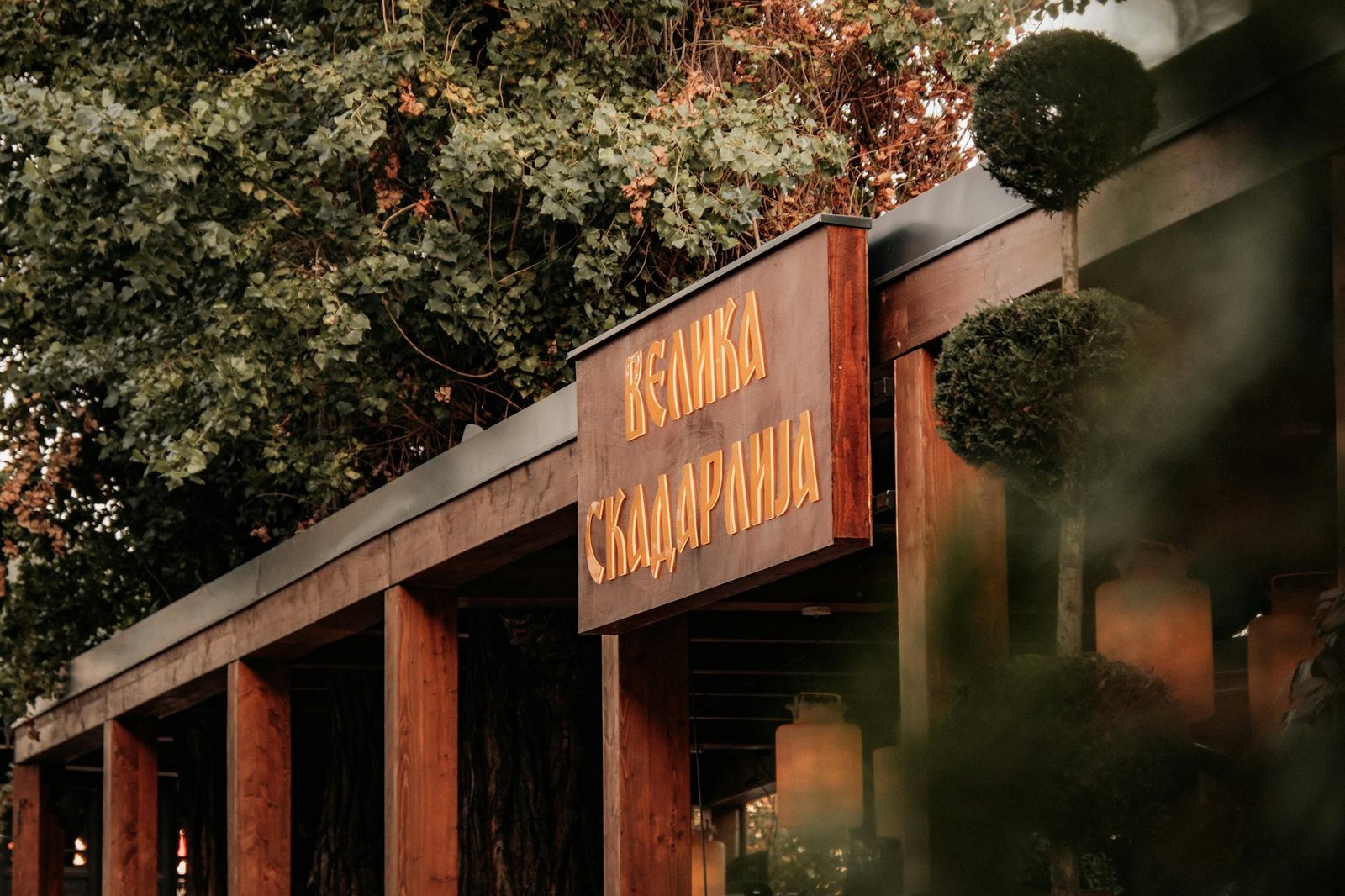
For an immersive traditional dining experience, Beogradska Mehana on Skadarska is essential—this beloved institution serves genuine home-cooked Serbian food in a setting that captures the spirit of old Belgrade. The restaurant specializes in slow-cooked stews, roasted meats, and traditional side dishes that taste exactly like what Serbian grandmothers prepare at home. Another landmark is Kafana SFRJ, located in the heart of the city, which offers heartfelt takes on traditional Serbian cuisine in a charming, historic setting with an intimate ambiance that locals quietly cherish.
For a more upscale experience, Zavičaj showcases Serbian culinary heritage through carefully curated dishes using seasonal ingredients and traditional techniques. Located near the Knez Mihaila pedestrian street, it’s the perfect choice for a special dinner. If you want to combine dining with a spectacular view, head to restaurants along the Danube embankment in New Belgrade, where several establishments offer excellent Serbian food with river vistas. Don’t overlook family-run taverns (kafanas) in residential neighborhoods, where locals gather for authentic meals and rakija—these often represent the truest expressions of Serbian culinary culture.
Essential Markets and Food Shopping
Zeleni Venac Market is Belgrade’s most famous and bustling food market, operating daily with vendors selling fresh produce, meats, cheeses, and spices that represent the best of Serbia’s agricultural output. Walking through its narrow aisles, you’ll encounter passionate vendors eager to share their products—this is where locals shop, making it an authentic window into daily Serbian life. The market’s energy is particularly electric on weekday mornings when residents squeeze through crowded passages selecting ingredients for evening meals. You can also purchase ready-made foods like burek, sausages, and dairy products here.

Kalenić Market, located in the Vraćar neighborhood, offers a more relaxed atmosphere with similar high-quality offerings. For specialty items, artisanal cheeses, and premium meats, visit the Dorćol district’s smaller shops, where family businesses have maintained consistent quality and relationships with their producers for generations. These markets aren’t just places to buy food—they’re cultural institutions where you can taste fresh samples, learn about seasonal ingredients, and experience how Belgrade residents interact with their food sources daily.
Traditional Dishes Every Visitor Should Taste
Sarma—cabbage rolls filled with minced meat and rice, simmered slowly until the flavors meld into comfort—represents the soul of Serbian home cooking. This dish appears on nearly every traditional restaurant menu and tastes best when prepared slowly in a clay pot. Equally important is gulaš, a hearty beef stew with paprika that’s been part of Serbian cuisine for centuries, reflecting the country’s Ottoman heritage. These dishes must be tried at authentic kafanas, where recipes have been perfected through generations.
Riblja čorba (fish stew) is essential if you visit during colder months, offering warming spices and tender fish in a flavorful broth. For a complete meal experience, try pečenje (roasted meats), where lamb or pork is slow-roasted until it’s incredibly tender, then served with fresh bread and seasonal vegetables. Finish your culinary journey with prebranac (a bean stew), kajmak on warm bread, and Serbian honey cake—these combinations showcase the depth and satisfaction Serbian cooking provides.
Best Food Tours Available
Several excellent food tour companies operate in Belgrade, offering both group and private experiences. On Viator, you’ll find comprehensive walking food tours that cover neighborhoods like Dorćol and Savamala, including visits to markets, local shops, and family-run restaurants, typically priced between $60-$120 per person. These tours often include tastings of rakija, wine pairings, and guidance from knowledgeable locals who share stories about Belgrade’s culinary heritage and how it reflects the city’s history.
GetYourGuide offers similar options with tour durations ranging from three to five hours, featuring professional guides fluent in multiple languages who provide cultural context alongside culinary education. Both platforms feature reviews from previous participants, helping you choose tours that match your interests and dietary needs. Many tours include meals at 3-4 different locations, making them excellent value when considering the amount of food and knowledge provided. Private tours are also available through both platforms, offering flexibility for groups or travelers with specific dietary requirements.

When to Visit for Food
Spring (April-May) and fall (September-October) are optimal times for food travel to Belgrade, offering pleasant weather for market exploration and outdoor dining while seasonal ingredients are at their peak. Spring brings fresh vegetables and lamb dishes celebrating renewal, while fall features hearty preparations with mushrooms, game, and new harvest wines. Summer (June-August) is popular but warm weather can make navigating crowded markets challenging, though outdoor riverside dining is exceptional. Winter (December-February) is when traditional heavy stews, roasted meats, and warming rakija shine, creating an authentic comfort-food experience.
Consider timing your visit around Taste of Belgrade food festival (typically held in September), which brings together top restaurants, chefs, and food producers throughout the city. This event offers the chance to sample diverse offerings and learn about emerging food trends while maintaining respect for tradition. Whenever you visit, arrive at markets early (7-9 AM) for the freshest products and most authentic atmosphere before mid-morning crowds arrive.
Practical Tips for Food Travelers
Belgrade is remarkably affordable for food travel—excellent meals at traditional restaurants typically cost $8-$15, while street food is even cheaper at $2-$5 per item. Most kafanas and traditional restaurants don’t accept cards, so carry cash in Serbian dinars. Making reservations at popular restaurants, especially for dinner, is wise during peak travel seasons. Don’t hesitate to ask restaurant staff for recommendations—Belgraders are passionate about food and genuinely enjoy helping visitors discover authentic experiences.
Learn a few basic Serbian phrases related to food; locals deeply appreciate these efforts. Consider taking a cooking class through your accommodation or through local tour operators to deepen your understanding of preparation techniques. Finally, embrace the kafana culture—these casual taverns are where true food experiences happen, often accompanied by live music and rakija, creating memories that extend far beyond the meal itself.


Book a Food Experience in Belgrade
Handpicked experiences — book with free cancellation and instant confirmation.
Explore More Food Tours
More food guides from Serbia:
You might also enjoy:
- Budva Food Tour Guide (Montenegro)
- Debrecen Food Tour Guide (Hungary)
- Szeged Food Tour Guide (Hungary)
- Timisoara Food Tour Guide (Romania)
- Kotor Food Tour Guide (Montenegro)
Featured in:
Frequently Asked Questions
How much does a food tour in Belgrade cost?
Food tours in Belgrade typically range from €25 to €80 per person for a guided group tour. Private tours and premium culinary experiences can cost more, while self-guided food walks are often free or low-cost.
How long do food tours in Belgrade last?
Most guided food tours in Belgrade last between 2 and 4 hours and include multiple tasting stops. Walking food tours tend to run around 3 hours, while sit-down dining experiences may last longer.
What local dishes should I try on a Belgrade food tour?
A food tour in Belgrade is the best way to discover authentic local specialties. Your guide will take you to street food markets, traditional restaurants, and neighbourhood gems that locals love — dishes you would never find on your own.
What is the best area for street food in Belgrade?
The best areas for street food and local cuisine in Belgrade are usually found in the old town, central food markets, and traditional neighbourhoods away from the main tourist hotspots. A local food guide will show you exactly where to go.
Are food tours in Belgrade suitable for people with dietary restrictions?
Most food tour operators in Belgrade can accommodate vegetarian, vegan, halal, and gluten-free diets with advance notice. Always inform your guide of any dietary requirements when booking so they can plan the best route for you.