Kaunas Food Guide – Where to Eat Like a Local
Kaunas, Lithuania: The Ultimate Food Guide
A Culinary Gateway to Baltic Flavors
Kaunas, Lithuania’s second-largest city, sits at the confluence of two rivers and serves as one of Europe’s most underrated culinary destinations. This vibrant city seamlessly blends traditional Baltic recipes passed down through generations with innovative modern cuisine that’s gaining recognition across the continent. Whether you’re wandering through the Old Town’s cobblestone streets or exploring the Soviet-era architecture of the new city, you’ll discover a food scene that tells the story of Lithuania’s complex history, cultural influences, and agricultural heritage.
The Lithuanian kitchen is characterized by hearty, honest food that celebrates local ingredients: fresh vegetables, grains, dairy products, and foraged mushrooms and berries. Kaunas is the perfect place to explore these flavors authentically, from humble street-side stalls to elegant restaurants helmed by chefs who are rediscovering traditional recipes with contemporary techniques. The city’s food culture reflects its position at the crossroads of Eastern and Western Europe, influenced by centuries of trade, occupation, and cultural exchange.
Traditional Lithuanian Cuisine You Must Try
No visit to Kaunas is complete without experiencing cepelinai, the iconic Lithuanian potato zeppelins that appear on nearly every local menu. These large, torpedo-shaped dumplings are made from grated raw potato dough and filled with spiced meat, then boiled until they float to the surface. They’re traditionally served with a rich sour cream and bacon sauce that adds incredible depth to each bite. Another essential dish is kugelis, a hearty potato and meat pudding that’s been sustaining Lithuanian families for centuries. This baked casserole combines grated potatoes, ground pork or bacon, and sometimes barley, creating a comfort food that’s both filling and deeply satisfying.

For something lighter, try šaltibarščiai, a cold beet soup that’s perfect during warmer months and absolutely stunning in its vibrant pink color. This tangy, refreshing dish combines beets with kefir or sour cream, fresh dill, boiled potatoes, and sometimes hard-boiled eggs. It’s a summer staple that showcases the Lithuanian love for fermented dairy products. Don’t miss skrudintas duona (fried rye bread with garlic), a simple yet addictive snack that pairs perfectly with local beer or any meal, and kibinai, savory pastries filled with meat and onions that originated in the Vilnius region but are beloved throughout the country.
Top Street Food and Market Experiences
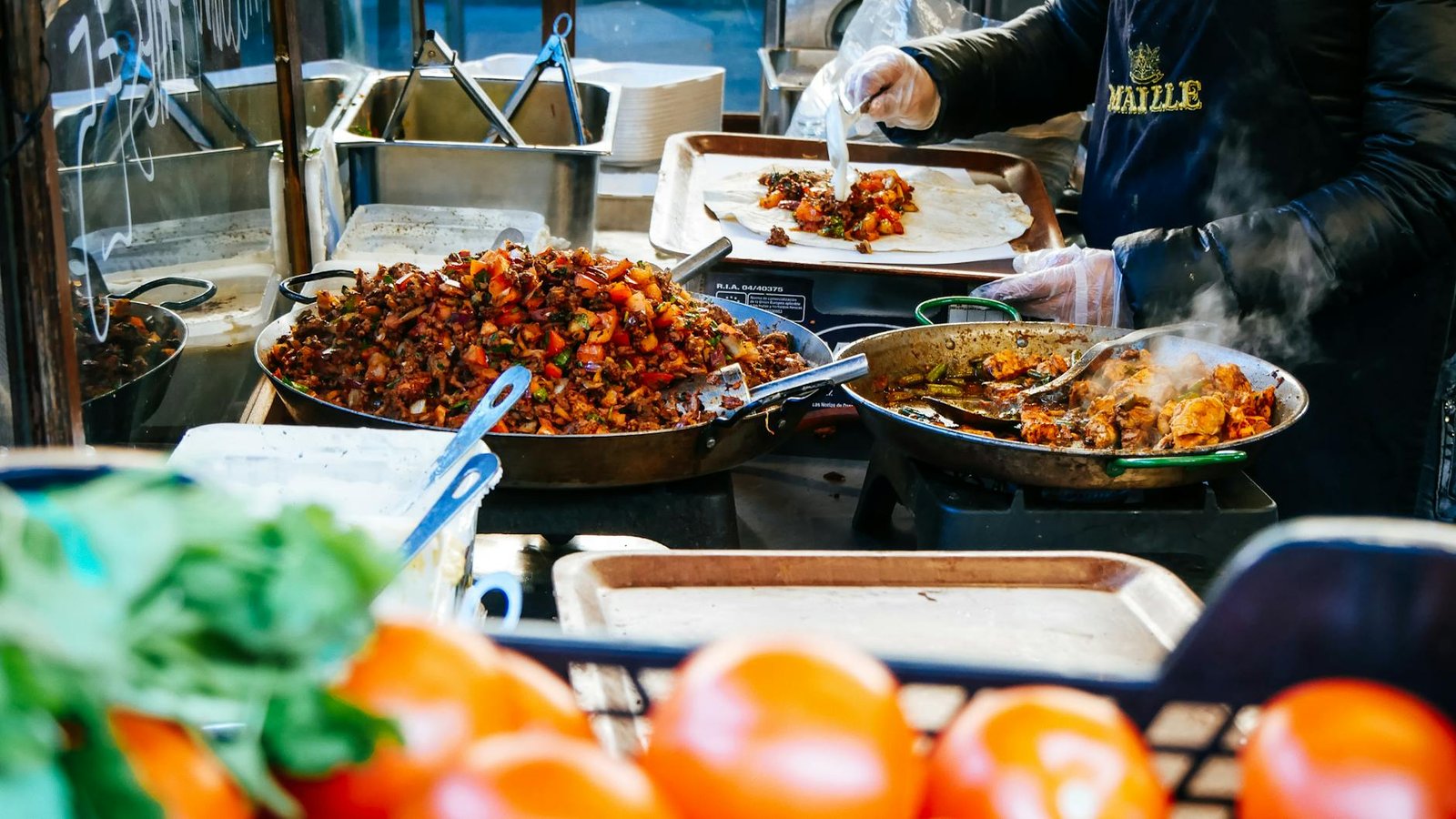
Kaunas Central Market (Kauno Centrinis Turgus) is the beating heart of the city’s food culture, occupying a massive building in the Old Town that buzzes with energy from early morning until late afternoon. Here you’ll find vendors selling fresh produce, local dairy, smoked meats, pickled vegetables, and freshly baked rye bread. The market is where locals do their daily shopping and where visitors can taste authentic Lithuanian food culture. Sample fresh cheese curds, try different varieties of local honey, and pick up jars of preserves that make perfect souvenirs. The market’s energy is intoxicating, and the aromas of fresh bread and smoked fish create an unforgettable sensory experience.
For street food, head to Vėlė Gate in the Old Town, where you’ll find stands selling Lithuanian pancakes (blynai) filled with mushrooms, cheese, or meat. These crispy yet tender potato pancakes are a beloved quick bite that locals grab throughout the day. You’ll also find vendors selling grilled sausages and fresh pastries at affordable prices. Don’t pass up the opportunity to buy fresh rye bread from market stalls—Lithuanian rye bread is considered some of the best in Europe, with a dense crumb and deep, slightly sweet flavor that comes from long fermentation processes.
Best Restaurants for Authentic Local Cuisine
Metai, located in the heart of the Old Town, is a must-visit restaurant that focuses exclusively on traditional Lithuanian cuisine prepared with seasonal, local ingredients. The restaurant’s cozy atmosphere with wooden beams and warm lighting creates the perfect setting to enjoy dishes like cepelinai and kugelis prepared to absolute perfection. The staff is knowledgeable and happy to explain the history behind each dish, making the meal both delicious and educational. Another excellent choice is Avilys, which translates to “beekeeper” and pays homage to Lithuania’s beekeeping traditions through creative dishes that incorporate honey in unexpected ways.

For a more contemporary take on Lithuanian cuisine, visit Uoksas at Maironio 28, where chef Arturas Naidekas sources mushrooms, foraged herbs, and local meat and potato to create dishes rooted in modern Lithuanian cooking. The restaurant’s intimate setting and passionate approach to food make it a favorite among both locals and discerning travelers, and it has been recognised in the White Guide’s top 30 Baltic restaurants. If you’re looking for upscale dining with a focus on Baltic ingredients and French influences, Žemyna offers an elegant atmosphere and expertly executed dishes that showcase the region’s culinary potential.
When to Visit for Food Experiences
Spring and early summer are ideal times to visit Kaunas for food lovers, as this is when fresh vegetables, strawberries, and herbs appear in abundance at the Central Market. During these months, restaurants update their menus with seasonal specials, and outdoor markets and food festivals become more frequent. The Kaunas Food Festival, typically held in September, celebrates the city’s culinary heritage with demonstrations, tastings, and special menus at local restaurants throughout the month. This festival is an excellent time to discover new vendors and restaurants while enjoying the still-pleasant autumn weather.
Late summer through autumn brings mushroom and berry season, when foragers bring their finds to market and restaurant menus feature dishes celebrating these woodland treasures. Winter offers its own charm, as hearty soups, stews, and root vegetable dishes dominate, and the Christmas season brings special pastries and treats. However, if you’re particularly interested in lighter fare and outdoor market experiences, summer months from June through August are most pleasant for exploring Kaunas on foot and visiting outdoor food stalls.
Eating Well in Kaunas
No dedicated food tours are bookable in Kaunas through the major platforms right now – and honestly, you don’t need one. The city’s food scene is compact and approachable enough to navigate on your own. The Central Market is the obvious starting point: locals shop there every morning, the produce is cheap, and the smoked meats and dairy counters alone are worth an hour of your time. From there, the Old Town has a walkable cluster of cafes and restaurants where you can graze through cepelinai, šaltibarščiai, and kugelis without any hand-holding. What you will find bookable are walking tours of the Old Town – these cover history and architecture, but a good guide will inevitably point you toward where they actually eat lunch.
If you want some structure without a dedicated food tour, the Old Town walking tours available through Viator – including the Kaunas Old Town and IX Fort Museum combination – give you solid geographical orientation. Once you know where the main squares and side streets sit, eating becomes much easier. Family-run restaurants are scattered throughout the medieval quarter and the interwar modernist neighborhoods; you’ll stumble across them naturally once you’re on foot. The Kaunas tourism office on Laisvės Alėja can also point you toward current local favorites. Lithuanian food culture rewards curiosity and a willingness to walk into places that don’t have English menus outside.

Drinks and Desserts to Complete Your Culinary Journey
Lithuanian beer is world-class and deeply intertwined with local food culture. Švyturys and Kalnapilis are two of the country’s most respected breweries, and both offer beers perfectly suited to pairing with traditional Lithuanian fare. Visit local pubs to sample different varieties, from light pilsners to rich, dark beers that pair beautifully with heavy meat dishes. Kvass, a fermented rye bread drink, is another traditional beverage worth trying—it’s slightly sweet, refreshing, and pairs perfectly with street food. Don’t miss the opportunity to try midus, Lithuanian mead, which ranges from sweet to dry varieties and makes an excellent aperitif or dessert drink.
For desserts, seek out Napoleonai, Napoleon cakes made with puff pastry and pastry cream that are absolutely heavenly. Šakotis, a tree-shaped sponge cake topped with chocolate, is another traditional treat sold in bakeries throughout the city. Fresh berry desserts appear seasonally, and many restaurants offer creative preparations featuring wild strawberries, blueberries, and lingonberries that thrive in Lithuania’s forests. Finally, don’t leave Kaunas without trying locally made chocolate from artisanal chocolatiers, which showcase premium ingredients and traditional craftsmanship.


Book an Experience in Kaunas
Handpicked experiences — book with free cancellation and instant confirmation.
Explore More Food Tours
More food guides from Lithuania:
You might also enjoy:
- Liepaja Food Tour Guide (Latvia)
- Riga Food Tour Guide (Latvia)
- Tartu Food Tour Guide (Estonia)
- Gdansk Food Tour Guide (Poland)
- Krakow Food Tour Guide (Poland)
Frequently Asked Questions
Are there any bookable food tours in Kaunas?
No. There are currently no dedicated food tours bookable in Kaunas through Viator, GetYourGuide, or similar platforms. Your best option is to explore independently - the Central Market and Old Town are easy to navigate on foot without a guide.
What local dishes should I try in Kaunas?
The essentials are cepelinai (stuffed potato dumplings), šaltibarščiai (cold beetroot soup, especially good in summer), and kugelis (a dense potato pudding). The Central Market is a good place to graze on smoked meats, cheeses, and seasonal produce at very low prices.
What is the best area for street food in Kaunas?
The Old Town and the area around the Central Market are your best bets. Laisvės Alėja, the long pedestrian boulevard, also has a decent spread of cafes and casual spots. Wander off the main drag and prices drop noticeably.
What walking tours are available in Kaunas if I still want some guidance?
The Kaunas Old Town tour combined with the IX Fort Museum is bookable and gives you a solid grounding in the city's layout and history. It's not a food tour, but getting oriented makes self-guided eating much easier afterward.
Can I eat well in Kaunas if I have dietary restrictions?
Yes, though it takes a little more effort than in larger cities. Traditional Lithuanian food is very meat and dairy heavy, but vegetarian options are increasingly common in Old Town restaurants. Checking menus in advance and knowing a few Lithuanian phrases helps - the tourism office can recommend places with broader menus.