Valletta Food Tour – Best Local Food & Restaurants
Valletta, Malta: The Ultimate Food Guide
Introduction: A Mediterranean Culinary Capital
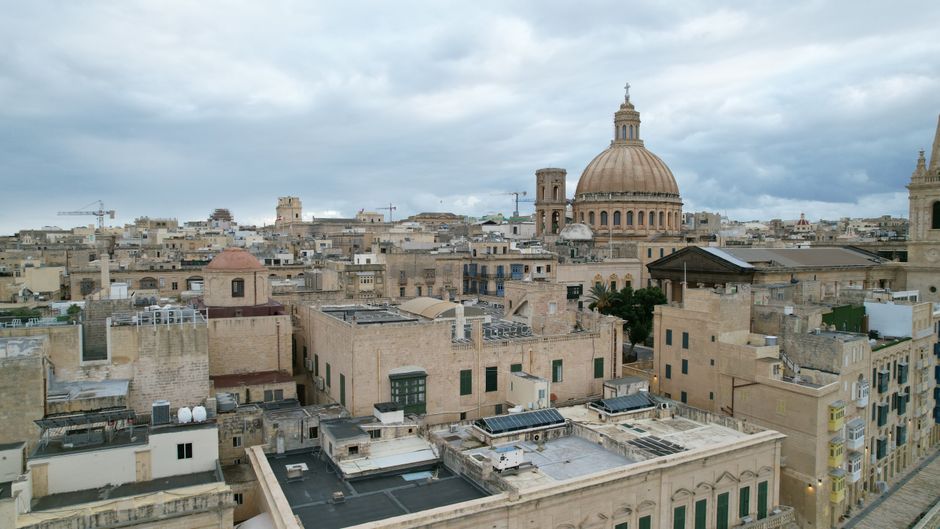
Valletta, the fortified capital of Malta, is far more than just a UNESCO World Heritage Site filled with baroque architecture and historical monuments. This compact yet vibrant city has emerged as one of Europe’s most exciting culinary destinations, where centuries of cultural influences have created a unique fusion of Mediterranean flavors. From humble street vendors selling traditional pastizzi to restaurants housed in 16th-century palaces, Valletta offers food experiences that range from authentic local cuisine to contemporary fine dining. The city’s food scene tells the story of Malta itself—a melting pot of Italian, Arab, British, and Spanish influences that have shaped the islands’ distinctive gastronomic identity over millennia.
Walking through Valletta’s narrow streets feels like stepping into a living food museum. Whether you’re sampling fresh seafood at waterfront restaurants overlooking the Grand Harbour or grabbing a quick bite of ftira (Maltese sandwich) from a corner shop, every meal here is an opportunity to connect with the island’s rich cultural heritage. The locals take their food seriously, and visitors quickly discover that eating in Valletta isn’t just about sustenance—it’s about celebration, tradition, and community.
Top Street Food You Must Try in Valletta
Valletta’s street food scene is legendary, and it’s where you’ll find the most authentic and affordable culinary experiences. Pastizzi remain the city’s most iconic snack—crispy, flaky pastry parcels filled with either creamy ricotta cheese or seasoned mushy peas. You’ll find pastizzi stands throughout the city, but the ones near the main bus station and around St. John’s Co-Cathedral always have queues for good reason. These golden pastries are typically enjoyed in the morning with a strong Maltese coffee or a glass of fresh orange juice, and they cost just a couple of euros each.
Beyond pastizzi, Valletta’s street food offerings showcase genuine Maltese culinary traditions. Ftira is another must-try—a crusty, round Maltese bread typically filled with tomato, tuna, capers, olives, and sometimes a local white cheese called gbinigja. Around Merchants Street and Republic Street, you’ll find small bakeries and takeaway shops selling freshly made ftira at lunchtime. Don’t miss arancini (rice balls), which have a slightly different Maltese interpretation than their Italian counterparts, often served with a tangy marinara sauce. For something sweet, try imqaret—deep-fried pastry diamonds filled with date paste, traditionally eaten during the feast season but available year-round at most bakeries.
Traditional Maltese Dishes and Where to Find Them
To truly understand Maltese cuisine, you need to experience its traditional dishes, many of which date back generations. Rabbit stew, known locally as “fenkata,” is considered the national dish and is particularly popular during Valletta’s feast celebrations. This rich, hearty stew features tender rabbit meat slow-cooked with red wine, garlic, and tomatoes until it’s fall-apart tender. While some restaurants serve fenkata year-round, it’s most authentic during summer feast festivals when locals gather to celebrate at traditional taverns. For a genuine experience, visit during August when many family-run establishments feature fenkata on their menus.
Other essential traditional dishes to seek out include pasta with rabbit, fresh octopus prepared simply with olive oil and lemon, and swordfish steaks grilled to perfection. Soppa tal-armla (widow’s soup) is a humble but delicious vegetable and bread soup that epitomizes Maltese peasant cooking at its finest. Bragjoli—beef rolls stuffed with minced meat, eggs, and herbs, braised in tomato sauce—represent the kind of comforting home cooking that makes Maltese cuisine so memorable. Many restaurants in Valletta’s quieter streets, away from the tourist crowds, serve these dishes prepared according to family recipes passed down through generations.
Best Restaurants in Valletta
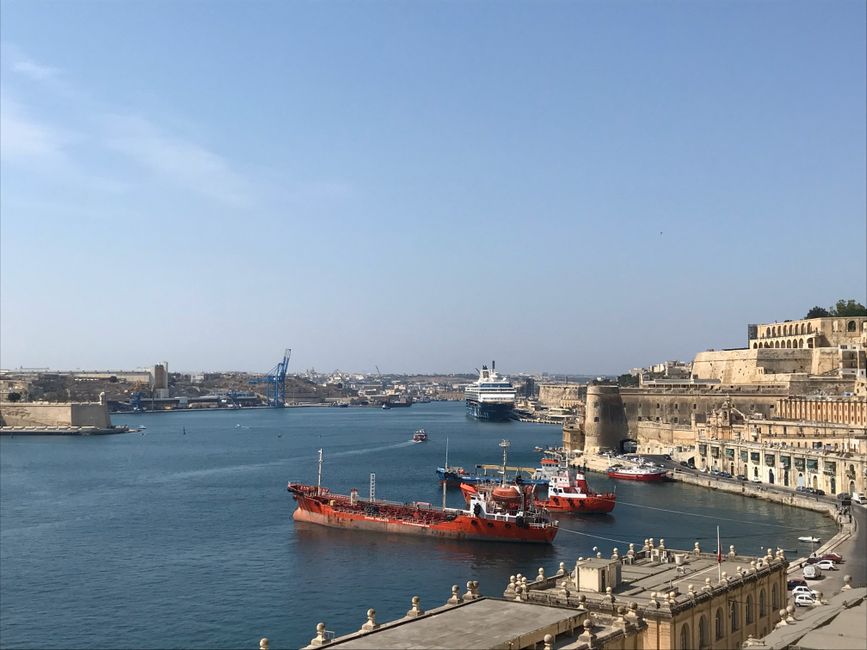
For an upscale dining experience, head to The Harbour Restaurant, which offers refined Mediterranean cuisine with stunning views of the Grand Harbour and the Three Cities across the water. This elegant establishment specializes in fresh seafood and locally-sourced ingredients, with dishes that honor traditional Maltese flavors while adding contemporary sophistication. Another exceptional choice is Palazzo Preca, housed in a restored 16th-century palace on Strait Street, which combines fine dining with authentic Maltese hospitality in an atmospheric setting complete with original stone arches and period details.

For something more casual but equally delicious, Legligin Restaurant on St. Lucia’s Street offers authentic Maltese cuisine in a cozy neighborhood setting. Their handmade pasta and slow-cooked stews are exceptional, and the prices are considerably more reasonable than the fine dining establishments. Da Pablo Trattoria di Mare, on Republic Street, serves generous portions of traditional Maltese and Italian dishes in a warm, welcoming environment. For seafood lovers, ORTYGIA Food Experience on Strait Street offers creative preparations of fresh local fish in a contemporary setting that still celebrates traditional ingredients and techniques.
Best Food Tours and Experiences
To maximize your culinary experience in Valletta, consider booking a guided food tour. Viator offers several options, including walking tours that combine historical information with stops at local food vendors, family-run restaurants, and traditional bakeries. These tours typically last three to four hours and include tastings at multiple locations, providing excellent value and insider knowledge about the city’s food culture. GetYourGuide similarly features curated Valletta food tours, including options specifically focused on street food sampling or traditional market experiences, with knowledgeable guides who can provide context about the historical and cultural significance of each dish.
For a more immersive experience, consider booking a private cooking class with a local chef or joining a market-to-table experience where you’ll shop at local markets like the historic food market in Republic Street before preparing and enjoying a meal. These intimate experiences often provide opportunities to learn about ingredient sourcing, traditional cooking techniques, and the stories behind beloved family recipes. Many tours include wine pairings featuring local Maltese wines, which are increasingly gaining recognition for their quality and distinctive Mediterranean character.
Exploring Valletta’s Markets and Food Shopping
The heart of Valletta’s food culture beats within its markets, where locals have shopped for fresh produce, fish, and cheese for centuries. The Republic Street market, also known as il-Vizzjata, is the city’s primary food marketplace where vendors sell vibrant seasonal produce, fresh fish, local cheeses, and an impressive array of dried goods. Wandering through this bustling market early in the morning offers authentic sensory experiences—the calls of vendors, the aroma of fresh herbs, and the colorful displays of sun-ripened tomatoes, eggplants, and peppers.
Beyond the main market, numerous specialty shops line Valletta’s narrow streets. Visit traditional bread bakeries like the ones on Merchants Street, where you can watch bakers pull fresh loaves from wood-fired ovens in the early morning hours. These establishments often sell bread varieties unique to Malta, including the famous Maltese loaf with its distinctive thick crust and tender crumb, perfect for accompanying any meal or making authentic ftira.
When to Visit Valletta for the Best Food Experiences
Summer months, particularly July and August, are peak times for experiencing Valletta’s food culture through the various feast celebrations that occur throughout Malta. These festivals celebrate patron saints with street food, traditional dishes, and communal celebrations that showcase local culinary traditions at their most vibrant. However, summer brings crowds and higher prices, so early June or September offers ideal conditions—pleasant weather, fewer tourists, and still-active cultural celebrations. Spring (March-May) provides excellent weather and features local seasonal ingredients, while autumn (October-November) offers mild temperatures and the beginning of the grape and harvest season, which influences seasonal menus at local restaurants.
If you prefer quieter months with lower prices, consider visiting in winter (December-February). While weather is cooler and some days are rainy, the food experiences remain authentic and often feature seasonal soups, stews, and heartier fare that showcase Maltese comfort cooking at its finest. Winter also features the Christmas season with special traditional pastries and treats available only during this period, making it an excellent time to experience the cultural and culinary aspects of Valletta’s food scene without the summer tourist influx.
Conclusion: Your Valletta Food Adventure Awaits
Valletta’s food scene represents far more than just meals—it’s a gateway to understanding the island’s rich history, diverse cultural influences, and the warmth of Maltese hospitality. From the simplest pastizzi enjoyed standing at a street vendor to multi-course feasts at centuries-old restaurants, every culinary experience in this fortified capital tells a story of tradition, family, and Mediterranean passion. Whether you’re a adventurous eater seeking new flavors or a curious traveler wanting to connect with local culture, Valletta welcomes you with open arms and generous plates. Plan your visit around the seasonal offerings, book a few experiences in advance, and allow yourself to get delightfully lost in Valletta’s narrow streets, discovering culinary treasures at every turn.


Book a Food Experience in Valletta
Handpicked experiences — book with free cancellation and instant confirmation.
Explore More Food Tours
More food guides from Malta:
You might also enjoy:
- Parma Food Tour Guide (Italy)
- Rome Food Tour Guide (Italy)
- Thessaloniki Food Tour Guide (Greece)
- Turin Food Tour Guide (Italy)
- Vegan Food Tours in Rome: The Complete Plant-Based Guide (Italy)
Featured in:
Frequently Asked Questions
How much does a food tour in Valletta cost?
Food tours in Valletta typically range from €25 to €80 per person for a guided group tour. Private tours and premium culinary experiences can cost more, while self-guided food walks are often free or low-cost.
How long do food tours in Valletta last?
Most guided food tours in Valletta last between 2 and 4 hours and include multiple tasting stops. Walking food tours tend to run around 3 hours, while sit-down dining experiences may last longer.
What local dishes should I try on a Valletta food tour?
A food tour in Valletta is the best way to discover authentic local specialties. Your guide will take you to street food markets, traditional restaurants, and neighbourhood gems that locals love — dishes you would never find on your own.
What is the best area for street food in Valletta?
The best areas for street food and local cuisine in Valletta are usually found in the old town, central food markets, and traditional neighbourhoods away from the main tourist hotspots. A local food guide will show you exactly where to go.
Are food tours in Valletta suitable for people with dietary restrictions?
Most food tour operators in Valletta can accommodate vegetarian, vegan, halal, and gluten-free diets with advance notice. Always inform your guide of any dietary requirements when booking so they can plan the best route for you.