Mdina Food Guide – Where to Eat Like a Local
Mdina, Malta: The Ultimate Food Guide
A Culinary Journey Through Malta’s Ancient Capital
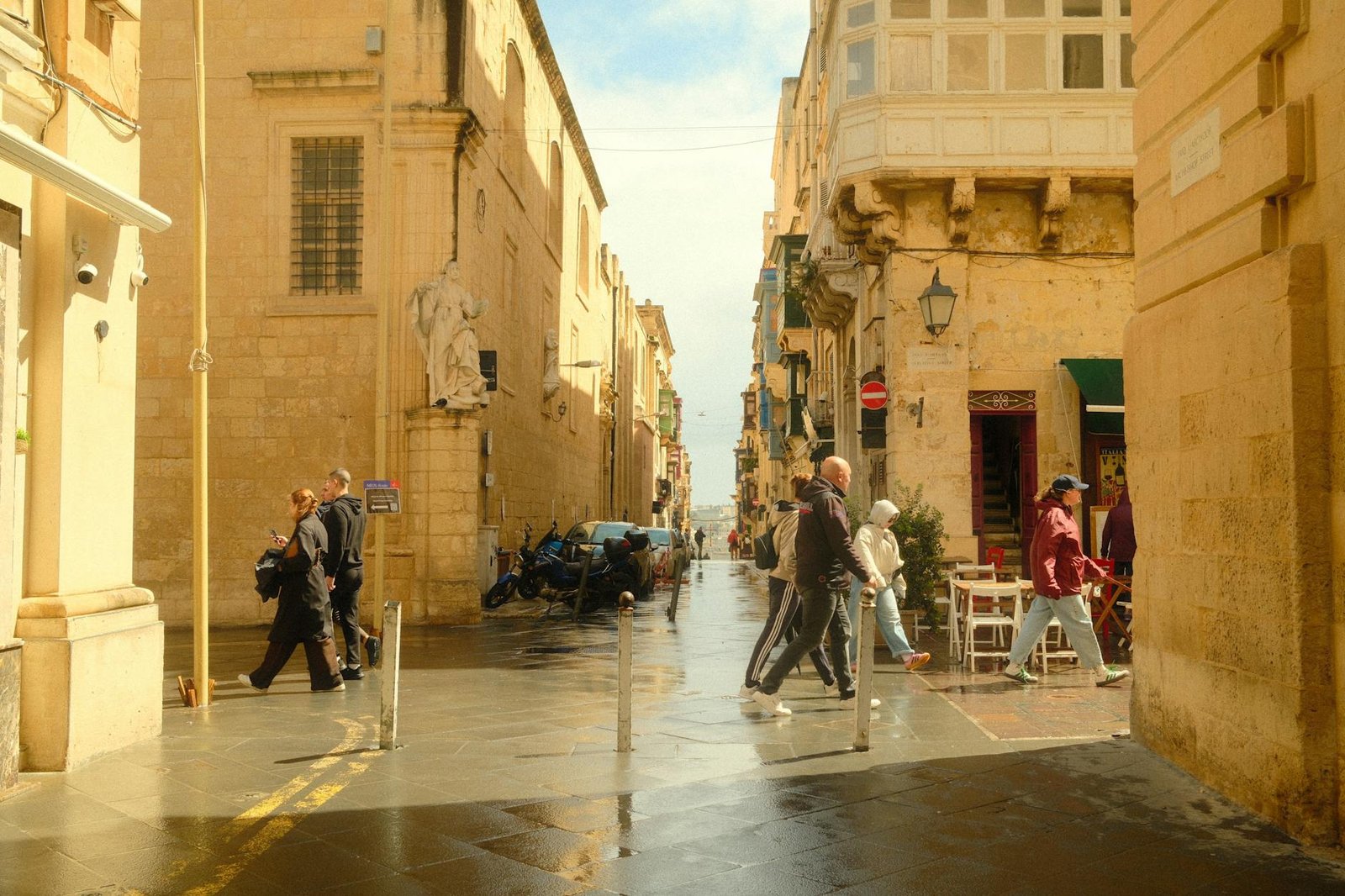
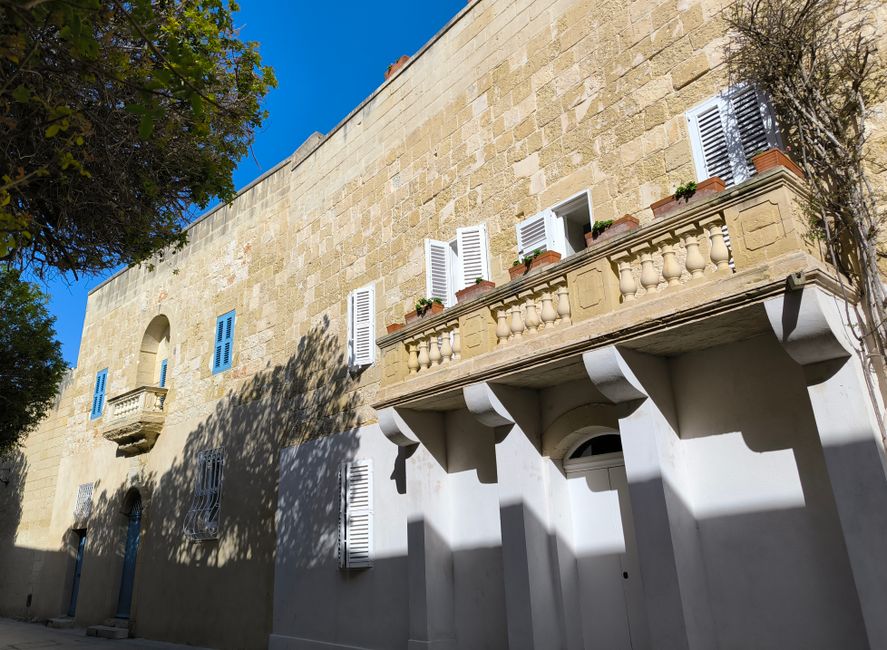
Mdina, perched majestically on Malta’s highest point, is far more than just a picturesque medieval fortress city—it’s a destination where centuries-old culinary traditions meet contemporary gastronomic innovation. This ancient capital, with its narrow winding streets and honey-colored limestone buildings, offers visitors an authentic taste of Maltese culture that extends far beyond the tourism hotspots. The food here tells stories of Phoenician traders, Arab occupiers, Norman conquerors, and centuries of Mediterranean influence, all layered into dishes that have been perfected across generations.
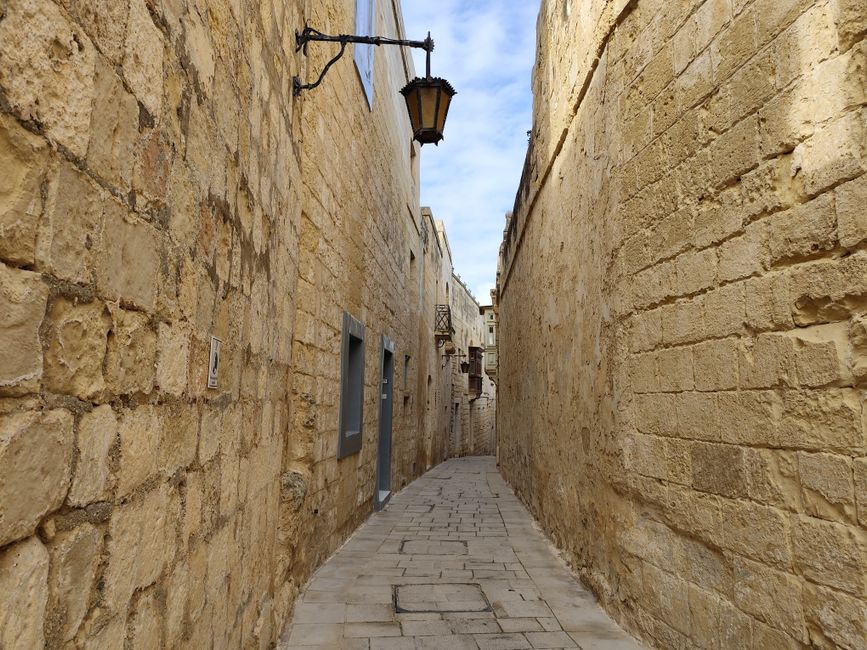
Walking through Mdina’s quieter streets, away from the main thoroughfares, reveals intimate family-run eateries where recipes have remained unchanged for decades. The city’s elevated position and relative seclusion from the busier coastal areas make it an ideal location to experience traditional Maltese cuisine in its most authentic form. Whether you’re exploring the Cathedral Square or wandering through the narrow alleys of Villegaignon Street, you’ll find culinary treasures that showcase the best of local ingredients and time-honored cooking methods.
Understanding Maltese Cuisine: History and Influences
Maltese food is a fascinating reflection of Malta’s strategic Mediterranean position. The islands have been conquered and influenced by countless civilizations—from the Phoenicians and Arabs to the Normans, Spanish, and British—and this rich history is evident in every dish. The foundation of Maltese cuisine relies heavily on simple, fresh ingredients: locally-caught fish, fresh vegetables, olive oil, and grains. What makes it unique is how these basic ingredients have been transformed through centuries of cultural exchange into distinctive dishes that belong entirely to Malta.
The Arab influence is particularly strong, evident in dishes featuring pasta, rice, and aromatic spices. You’ll notice similarities to North African and Middle Eastern cuisine, yet everything has been distinctly “Maltified” with local herbs like oregano and parsley, and the abundant use of tomatoes and peppers. Understanding these influences enriches your dining experience in Mdina, as you recognize the layers of history in each meal.
Top Street Food and Local Specialties
Mdina’s street food scene is where you’ll find some of the most authentic and affordable Maltese specialties. Pastizzi—flaky pastry parcels filled with either spiced ricotta or mushy peas—are the ultimate Maltese snack and remain a must-try. These golden, crispy delights are best enjoyed fresh from the baker, still warm and melting in your mouth. You’ll find pastizzi stands throughout Mdina, particularly near the Main Gate and along Villegaignon Street, where locals queue up for their morning or afternoon treat.
Another essential street food is ftira, a traditional Maltese sandwich made with crusty, sesame-topped bread, typically filled with tomatoes, tuna, capers, and olives. For something more adventurous, try lampuki pie (a pastry filled with locally-caught lampuki fish), or ask for imqaret—deep-fried date-filled pastries that make perfect sweet snacks. The food stalls and small bakeries scattered throughout the city offer these items at very reasonable prices, making it easy to sample multiple specialties without breaking the bank.
Best Restaurants in Mdina
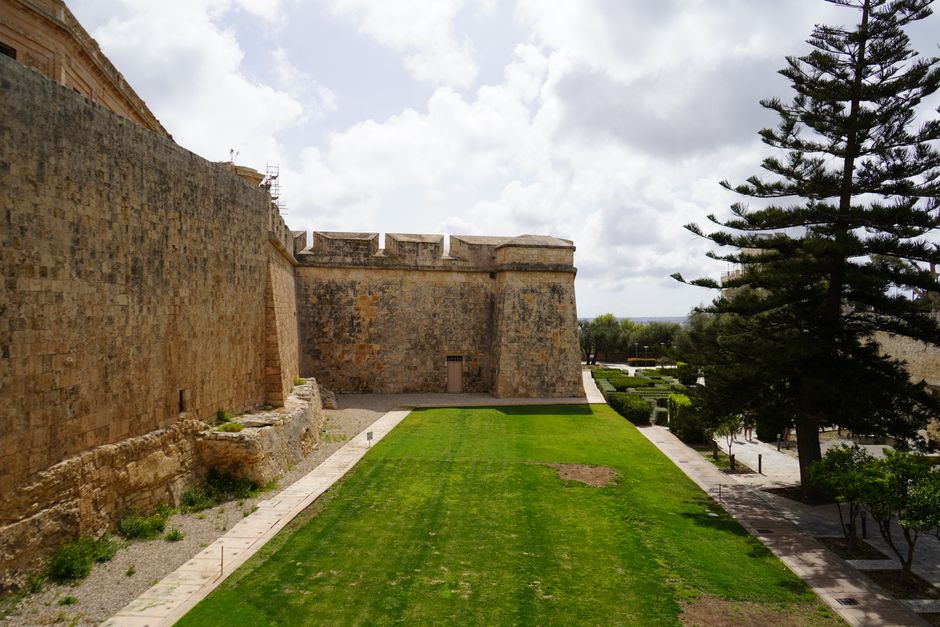
For a more refined dining experience, Mdina offers several excellent restaurants that celebrate Maltese cuisine while incorporating modern techniques. Fontanella Tea Garden, situated at the edge of the city walls, serves traditional Maltese dishes with stunning views over the Three Cities and harbor. Their rabbit stew (coniglio in umido) is exceptional—a slow-cooked classic that’s been perfected over generations. The restaurant’s setting among the ramparts makes it a perfect spot for a leisurely lunch or romantic dinner.
Medina Restaurant, located in a converted 16th-century palace on Villegaignon Street, offers an elegant atmosphere paired with authentic Maltese fare. Their seafood pasta and fresh fish preparations are outstanding, and the intimate courtyard dining feels like eating in someone’s private home. For those seeking contemporary Mediterranean cuisine with Maltese roots, Bacchus Wine Bar & Restaurant combines local ingredients with creative presentations, offering an excellent wine selection featuring Maltese producers. These establishments range from moderately priced to upscale, catering to different budgets while maintaining high standards of quality and authenticity.
Must-Try Traditional Maltese Dishes
No visit to Mdina is complete without trying several classic Maltese dishes. Aljotta, a traditional fish soup made with locally-caught fish, garlic, tomatoes, and rice, is warming and deeply flavorful—perfect for lunch on cooler days. Bragioli, thin slices of beef rolled with a savory filling of ground meat, herbs, and vegetables, then braised in tomato sauce, represents Maltese home cooking at its finest. These dishes appear on nearly every traditional restaurant menu in Mdina because they’re beloved by locals and represent the heart of Maltese culinary identity.
Stuffat tal-fenek (rabbit stew) deserves special mention as arguably Malta’s national dish. The meat is slow-cooked with red wine, garlic, tomatoes, and olives until incredibly tender, creating a rich, complex sauce perfect with crusty bread. Pastizzi and ftira, mentioned earlier as street food, also warrant their place as essential dishes that define the Maltese eating experience. Finish your culinary journey with imqaret or a serving of nougat (torrone), a traditional sweet that’s been made in Malta for centuries.
Where to Shop: Local Markets and Food Vendors
While Mdina itself is primarily residential and touristy, the nearby town of Naxxar (just outside Mdina’s gates) hosts a vibrant local market on Saturday mornings where farmers and vendors sell fresh produce, cheese, and local specialties. This is where many of Mdina’s restaurant owners source their ingredients, and it’s an excellent place to experience authentic Maltese market culture. You’ll find seasonal vegetables, local cheeses, fresh pasta, and prepared foods at incredibly reasonable prices.
For packaged Maltese specialties to take home, visit any of the small shops along the main streets of Mdina selling local honey, olive oil, wine, and artisanal food products. Several dedicated shops focus exclusively on Maltese products, allowing you to bring authentic flavors back with you. The honey, produced from flowers across Malta’s countryside, is particularly exceptional and makes a perfect souvenir.
Eating Your Way Around Mdina
There are no dedicated food tours bookable in Mdina right now, so your culinary exploration here is largely self-guided. That’s honestly fine—the city is small enough to cover on foot in a couple of hours, and the restaurant choices are limited enough that you won’t feel overwhelmed deciding where to eat. If you want some local context while you’re here, Viator does list several walking tours covering Mdina and Rabat, including the Mdina and Rabat Walking Tour with the Catacombs and the Mdina and Highlights of Malta Full Day Guide. These aren’t food-focused, but a good guide will point you toward where locals actually eat.
For a more structured day, the general walking tours pair well with stopping independently at whichever café or restaurant catches your eye. Rabat, just outside the old city walls, tends to have more everyday local spots than Mdina itself. Pastizzi from a village bakery, a glass of local Marsovin wine, a slow lunch of bragioli—none of that requires a tour operator. It just requires showing up hungry and wandering a little.
When to Visit for the Best Food Experience
Spring (April-May) and autumn (September-October) offer ideal conditions for exploring Mdina’s food scene. The weather is pleasant without the intense heat of summer, allowing you to comfortably walk the narrow streets and linger at outdoor dining areas. These seasons also coincide with the best availability of fresh, seasonal produce—spring brings fresh vegetables and fish, while autumn features game and heartier dishes alongside fresh seafood.
Summer (June-August) brings crowds and heat, making midday exploration challenging, though the vibrant atmosphere and extended dining hours create a festive environment. Winter is quiet and atmospheric, with cooler temperatures perfect for enjoying warming dishes like aljotta and rabbit stew, though some smaller establishments may have limited hours. Regardless of season, Mdina’s food culture thrives year-round, ensuring memorable culinary experiences whenever you visit this remarkable ancient city.


Book an Experience in Mdina
Handpicked experiences — book with free cancellation and instant confirmation.
Explore More Food Tours
More food guides from Malta:
You might also enjoy:
- Vegan Food Tours in Rome: The Complete Plant-Based Guide (Italy)
- Venice Food Tour Guide (Italy)
- Verona Food Tour Guide (Italy)
- 10 Best Food Cities in Italy 2026 (Italy)
- Amalfi Food Tour Guide (Italy)
Frequently Asked Questions
Are there food tours in Mdina?
No, there are no bookable food tours in Mdina. The city is small and the dining options are limited, so most visitors eat independently. What you can book are general walking tours of Mdina and Rabat through operators like Viator, which cover history and culture rather than food specifically.
How should I plan eating in Mdina without a food tour?
Keep it simple. Mdina itself has only a handful of restaurants, so there's no complex planning needed. Rabat, just outside the walls, has more everyday local options. Arrive hungry, look for pastizzi at a bakery, and ask at whichever café you end up in for a lunch recommendation.
What local dishes should I try when visiting Mdina?
Aljotta (a hearty fish soup), bragioli (beef olives braised in tomato sauce), pastizzi (flaky savory pastries filled with ricotta or mushy peas), and ftira (a Maltese flatbread) are all worth seeking out. Most traditional restaurants in and around Mdina carry at least a few of these.
What is the best area for street food near Mdina?
Mdina itself is quiet and has few street food options—it's a small, mostly residential walled city. Rabat, the town directly outside the gates, is your better bet for more casual, everyday eating. Markets and village bakeries there are where locals actually shop and eat.
Are the walking tours in Mdina suitable for people with dietary restrictions?
The bookable walking tours in Mdina focus on history and sightseeing rather than food, so dietary restrictions are not really a factor. If you're eating independently around the area, most restaurants can accommodate vegetarian and gluten-free needs—it's worth calling ahead for more specific requirements.