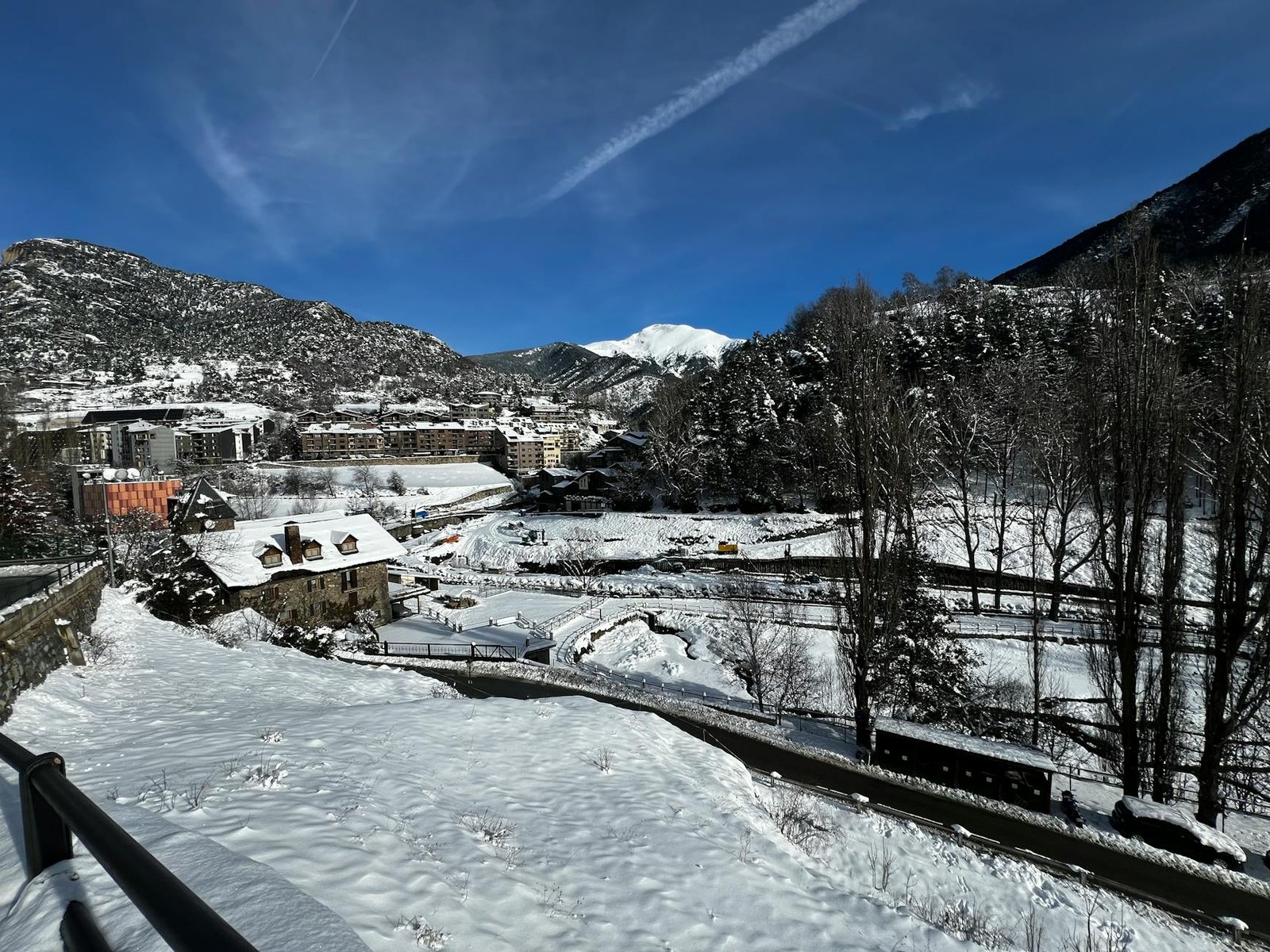
Andorra la Vella Food Tour – Best Local Food & Restaurants
Andorra la Vella, Andorra: The Ultimate Food Guide
Introduction: A Culinary Hidden Gem in the Pyrenees
Nestled high in the Pyrenees mountains between France and Spain, Andorra la Vella is a destination that many travelers overlook when planning their European food adventures. Yet this charming capital city offers a surprisingly diverse and delicious culinary scene that reflects its unique position at the crossroads of Catalan, French, and Spanish influences. The local cuisine tells the story of mountain communities that have thrived for centuries, combining hearty traditional dishes with modern culinary innovation. Visitors to Andorra la Vella will discover that eating here isn’t just about sustenance—it’s about experiencing the culture, history, and natural bounty of the Pyrenees.
The food scene in Andorra la Vella has undergone a remarkable transformation in recent years. While traditional mountain fare still dominates family tables and rustic restaurants, a new generation of chefs is reimagining classic dishes with contemporary techniques. From cozy neighborhood taverns serving warming stews to upscale dining establishments earning international recognition, Andorra la Vella caters to every palate and budget. The city’s compact size makes it easy to explore multiple restaurants and food vendors in a single day, making it an ideal destination for food enthusiasts seeking authentic experiences without the crowds of larger European capitals.
Traditional Andorran Cuisine: The Heart of Mountain Cooking
The foundation of Andorran cooking rests on hearty, warming dishes designed to sustain mountain dwellers through harsh winters. Escudella is arguably the most iconic Andorran dish—a rich, slow-cooked stew made with beans, vegetables, and various meats including pork, chicken, and sometimes game. The dish is typically served in two courses: first the broth, then the meat and vegetables. Another essential dish is trinxat, a humble yet satisfying preparation of shredded cabbage and potatoes bound together with local cured pork, then pan-fried until crispy. These aren’t dishes designed to impress; they’re dishes designed to comfort and nourish, which is precisely why they’ve remained central to Andorran identity for generations.
Duck and rabbit also feature prominently in traditional Andorran kitchens, often prepared with local mushrooms and forest herbs gathered from the surrounding mountains. Conill amb xocolata—rabbit with chocolate—might sound unusual to outsiders, but this Catalan-influenced dish showcases how medieval cooking techniques still resonate in mountain communities. Coca d’escalivada, a savory pastry topped with roasted vegetables and sometimes fish, represents another beloved classic. When visiting local restaurants, don’t hesitate to ask about the chef’s special preparations of these traditional dishes—many establishments offer their own family recipes that have been passed down through generations.
Market Culture and Local Produce
The heart of Andorra la Vella’s food scene beats at its markets, where vendors sell everything from fresh mountain vegetables to imported delicacies. The Mercat de la Plaça, located in the historic center near Plaça Príncep Benlloch, operates several times weekly and showcases the best of local and regional produce. Here you’ll find vibrant displays of seasonal vegetables, fresh herbs including wild mushrooms from the Pyrenean forests, and locally produced cheeses and cured meats. The vendors are typically friendly and happy to explain the origins of their products, making a market visit not just a shopping expedition but an educational experience in Andorran agriculture.
Andorran artisanal producers create exceptional cheeses, with formatge de recapte being a traditional cheese traditionally made in high-altitude pastures during summer months. The cheese has a crumbly texture and rich flavor that reflects the diverse alpine grasses the cows graze on. Local honey, preserves, and charcuterie products also make excellent purchases, either for immediate consumption or as gifts to take home. Many restaurants source directly from these market vendors, ensuring that what you eat is as fresh and seasonal as possible. Shopping at the market also provides wonderful photo opportunities and a genuine window into daily life in this mountain capital.
Best Restaurants: Where to Experience Andorran Excellence
For fine dining that respects tradition while embracing innovation, Casa Canut stands out as one of Andorra la Vella’s premier establishments. Located in the Ordino parish just outside the capital, this restaurant has earned an impressive reputation for its seasonal tasting menus that feature local ingredients prepared with technical precision. The intimate setting and attentive service make it perfect for special occasions, and the wine list showcases selections from nearby French and Spanish regions alongside local beverages.

For a more casual but equally authentic experience, visit Borda Estevet, a converted stone farmhouse restaurant that serves traditional Andorran cuisine in its most genuine form. The intimate dining rooms feature rustic wooden beams and fireplaces, while the kitchen produces warming stews, game dishes, and vegetable preparations that taste like they’ve come straight from a grandmother’s kitchen. In Andorra la Vella proper, Restaurant Celler d’Andorra in the old town offers excellent traditional dishes in a charming medieval setting. Their escudella and trinxat represent the benchmark for these classic dishes, and the knowledgeable staff can recommend wine pairings with local Pyrenean wines.
Top Street Food and Quick Bites
Walking through Andorra la Vella’s pedestrian shopping streets, you’ll encounter numerous food vendors selling quick, satisfying meals perfect for lunch between sightseeing. Bocadillas, the Spanish version of sandwiches, are available everywhere, often filled with jamón ibérico (Iberian ham), local cheeses, or alioli-dressed vegetables. Look for small bakeries throughout the capital where you can purchase fresh empanadas filled with meat, cheese, or vegetables. The smell of warm pastries and bread emanating from these shops is irresistible and the prices are remarkably reasonable.
For something more substantial, seek out the small food stalls that appear in Plaça Príncep Benlloch during weekends, where local vendors sell traditional coca prepared in wood-fired ovens. These savory pastries make excellent standing meals. Crepes and waffles are also popular street foods in the pedestrian shopping district, offering sweet options for afternoon snacking. Don’t overlook the simple tortilla española (Spanish potato omelet) available at countless cafés—this humble dish, filled with eggs, potatoes, and onions, is remarkably satisfying and quintessentially Iberian.
When to Visit for Food: Seasonal Highlights
Spring in Andorra la Vella brings renewed energy to the food scene as fresh vegetables begin appearing at markets following the long winter. Asparagus, spring greens, and tender vegetables inspire lighter preparations after months of hearty stews. Fall, however, represents the ultimate season for food tourism in Andorra. September through November brings mushroom season, with wild mushrooms from the forest appearing daily at markets and featured prominently on restaurant menus. Hunting season also begins in fall, meaning game dishes like venison, wild boar, and duck reach their peak availability and quality. The harvest season creates a festive energy throughout the city, with restaurants celebrating the abundance with special menus.
Winter offers its own culinary appeal, with restaurants focusing on warming, traditional dishes perfect for the cold mountain weather. Christmas and New Year’s periods see special holiday menus featuring traditional preparations that families have prepared for generations. Summer, while crowded with tourists, offers access to a broader range of dining options and outdoor terrace seating that takes advantage of the pleasant mountain climate. Consider visiting during October for the perfect combination of manageable crowds, excellent seasonal ingredients, and pleasant weather for exploring the city’s food markets and restaurants.
Best Food Tours and Guided Experiences
For visitors seeking guided culinary experiences, both Viator and GetYourGuide offer curated food tours of Andorra la Vella and the surrounding region. These platforms connect travelers with local guides who provide insider knowledge about traditional dishes, market culture, and dining establishments that might be missed by independent travelers. Food tours typically include visits to local markets, tastings at family-run restaurants, and stops at artisanal producers of cheese and cured meats. The guides often speak multiple languages and can explain the historical and cultural significance of dishes in ways that enhance your understanding and appreciation of Andorran cuisine.
Private cooking classes offered through various local providers allow hands-on engagement with traditional recipes, often conducted in home kitchen environments with experienced cooks who grew up preparing these dishes. These intimate experiences provide not just the ability to replicate dishes at home, but also cultural immersion and personal connections with locals. Some accommodations in Andorra la Vella also offer cooking experiences as part of their services, combining lodging with culinary education. Whether you choose a group tour or private experience, booking in advance ensures availability and allows guides to prepare customized experiences that match your specific dietary preferences and interests.
Conclusion: The Distinctive Flavors of Mountain Life
Andorra la Vella’s food scene represents something increasingly rare in modern Europe: a genuine culinary culture rooted in geography, history, and community tradition. The dishes served here aren’t designed to win international competitions; they’re designed to nourish, comfort, and celebrate the unique circumstances of life in the high Pyrenees. By exploring the markets, dining at both casual and fine establishments, and tasting traditional preparations made with local ingredients, visitors gain authentic insight into what it means to live in this mountain principality. A food tour of Andorra la Vella becomes not just a gastronomic adventure, but a cultural journey into a distinctive corner of Europe that rewards curious travelers with warmth, flavor, and genuine hospitality.

Book a Food Experience in Top Destinations
Handpicked experiences — book with free cancellation and instant confirmation.
Explore More Food Tours
Frequently Asked Questions
How much does a food tour in Andorra la Vella cost?
Food tours in Andorra la Vella typically range from €25 to €80 per person for a guided group tour. Private tours and premium culinary experiences can cost more, while self-guided food walks are often free or low-cost.
How long do food tours in Andorra la Vella last?
Most guided food tours in Andorra la Vella last between 2 and 4 hours and include multiple tasting stops. Walking food tours tend to run around 3 hours, while sit-down dining experiences may last longer.
What local dishes should I try on a Andorra la Vella food tour?
A food tour in Andorra la Vella is the best way to discover authentic local specialties. Your guide will take you to street food markets, traditional restaurants, and neighbourhood gems that locals love — dishes you would never find on your own.
What is the best area for street food in Andorra la Vella?
The best areas for street food and local cuisine in Andorra la Vella are usually found in the old town, central food markets, and traditional neighbourhoods away from the main tourist hotspots. A local food guide will show you exactly where to go.
Are food tours in Andorra la Vella suitable for people with dietary restrictions?
Most food tour operators in Andorra la Vella can accommodate vegetarian, vegan, halal, and gluten-free diets with advance notice. Always inform your guide of any dietary requirements when booking so they can plan the best route for you.