Vaduz Food Guide – Where to Eat Like a Local
Vaduz, Liechtenstein: The Ultimate Food Guide
Introduction: A Culinary Hidden Gem in the Alps
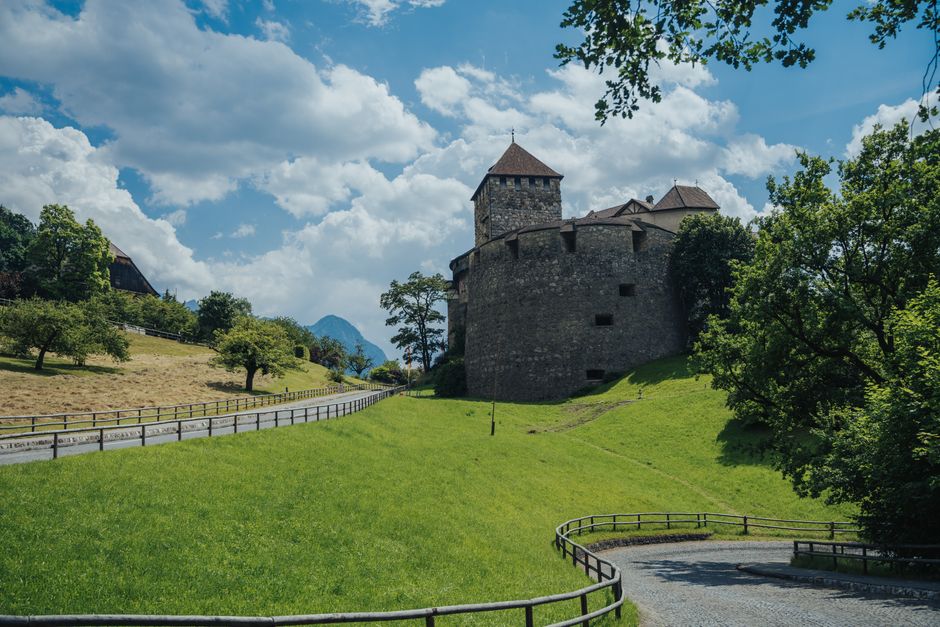
Nestled between Switzerland and Austria, Vaduz is the charming capital of Liechtenstein—a tiny principality that punches well above its weight when it comes to gastronomy. This picturesque alpine town, dominated by the stunning Vaduz Castle perched on the hillside, offers visitors an authentic European culinary experience that blends Swiss precision, Austrian heartiness, and local Liechtenstein traditions. Despite its small population of around 5,500 residents, Vaduz boasts an impressive food scene featuring both traditional mountain cuisine and innovative modern dining. The town’s compact size makes it perfect for a food-focused visit, allowing you to explore multiple restaurants, local markets, and specialty shops within easy walking distance.
The food culture in Vaduz reflects centuries of Alpine heritage and cross-cultural influences. You’ll discover that meals here are taken seriously, with restaurants emphasizing seasonal ingredients sourced from local farms and nearby regions. Whether you’re wandering through the Altstadt (Old Town) or dining along the Rhine Valley, every meal tells the story of Liechtenstein’s unique position in Central Europe. The locals take pride in their culinary traditions, and visitors will find that even casual eateries maintain high standards of quality and preparation.
Traditional Liechtenstein Dishes You Must Try
Liechtenstein’s most iconic dish is Käsespätzle, a decadent alpine comfort food consisting of soft egg noodles layered with melted cheese and topped with crispy fried onions. This dish represents the soul of local cuisine—simple ingredients transformed into something genuinely special through careful preparation. The cheese used is typically a blend of local Greyerzer and other alpine varieties, creating a rich, nutty flavor that lingers beautifully. Many restaurants in Vaduz serve their own versions, and locals will enthusiastically debate which establishment makes the “authentic” version.
Another essential dish is Fleischknack, a spiced sausage that reflects the country’s culinary ties to Switzerland and Austria. Traditionally served with crusty bread and mustard, this sausage is perfect for lunch or as an appetizer before a larger meal. Liechtenstein also claims the Flädle as a specialty—a thin pancake made from savory batter that’s often cut into strips and served in broth or alongside other dishes. For something sweeter, try Süßmost, a naturally fermented apple cider that pairs perfectly with hearty meals. These dishes aren’t just tourist attractions; they’re embedded in the daily eating habits of locals who’ve perfected recipes passed down through generations.
Best Restaurants in Vaduz
Made in Italy, located in the heart of Vaduz’s Altstadt, combines Italian influences with local Liechtenstein ingredients in a warm, welcoming atmosphere. Their homemade pasta is exceptional, and they’re particularly known for creative interpretations of traditional dishes. The restaurant’s intimate setting makes it ideal for couples, and the knowledgeable staff can guide you through wine pairings from the extensive cellar featuring both local and international selections.
For traditional alpine cuisine, Adler Restaurant offers classic Liechtenstein fare in an elegant setting with views toward the castle. Their Käsespätzle is frequently cited as among the best in the country, prepared with meticulous attention to texture and cheese distribution. The restaurant also excels with their Fleischknack and local trout dishes. Another standout is the Torkel Restaurant, housed in a historic wine press building, where chef-driven seasonal menus showcase the region’s finest produce and proteins. Their tasting menus are particularly recommended for visitors wanting a comprehensive culinary introduction to the region.
Top Street Food and Market Experiences
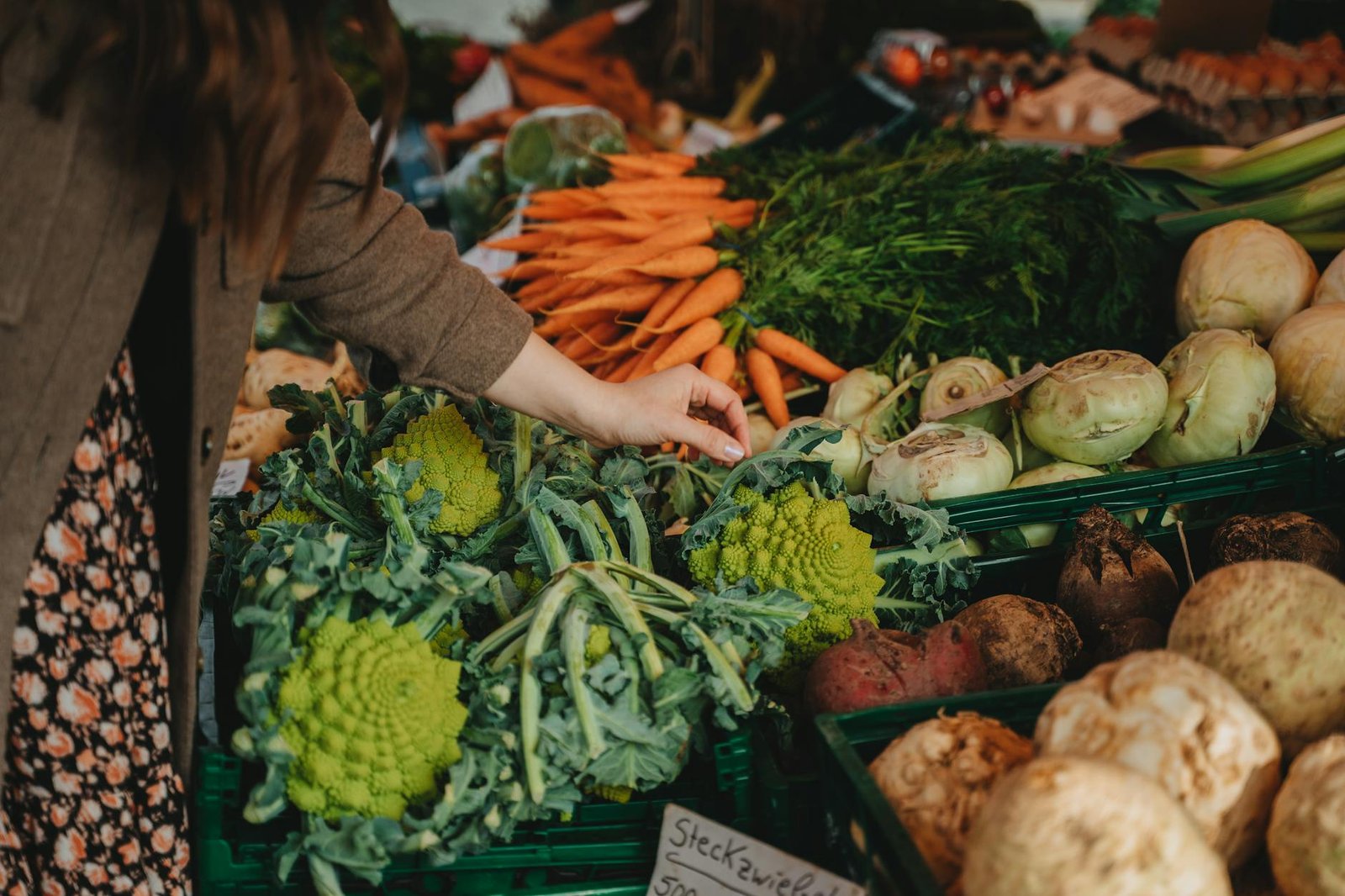
While Vaduz isn’t a bustling street food capital, the local farmers’ market offers authentic culinary encounters, with producers selling fresh vegetables, artisanal cheeses, cured meats, and baked goods. Visiting on a market day gives you direct access to farmers and producers who can explain their ingredients and answer questions about traditional preparations. This is where you’ll find the freshest Alpine cheeses, including those used in the best Käsespätzle preparations.
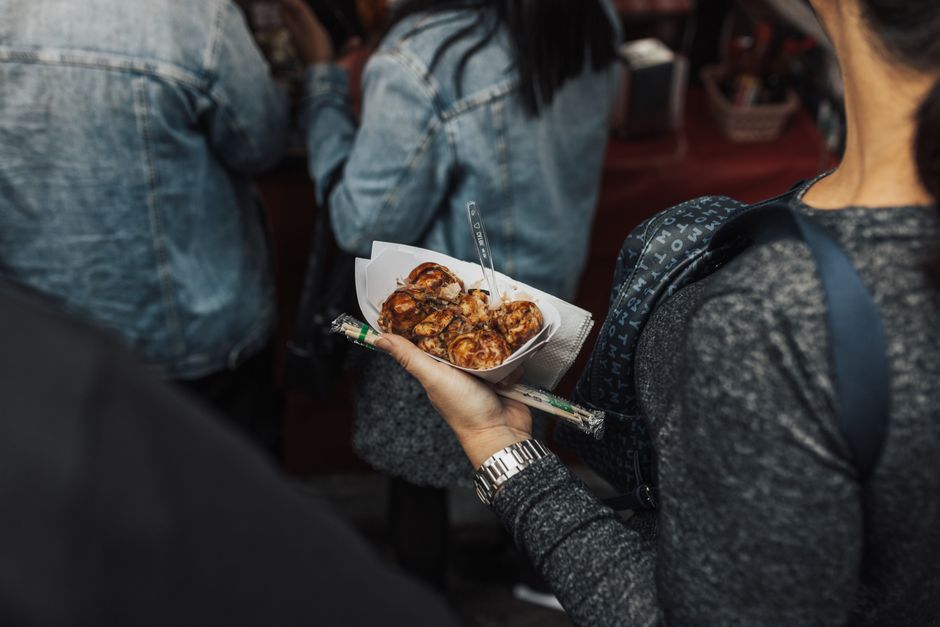
For grab-and-go options, several bakeries throughout the Altstadt sell exceptional pastries and sandwiches. Local establishments offer fresh Flädle, warm breads, and coffee that locals queue for during morning hours. During lunch time, these spots become crowded with office workers seeking quick, quality meals. Don’t miss the opportunity to purchase local honey, jams, and cured meats from specialty shops to take back to your accommodation or enjoy as picnic fare in the nearby parks.
Local Cheese and Dairy Traditions
Liechtenstein’s cheese heritage is fundamental to understanding the country’s food culture. The alpine meadows produce extraordinary milk used to create Liechtenstein Greyerzer, an AOP-protected cheese with a nutty, complex flavor profile that evolves beautifully with aging. Several fromageries in Vaduz offer tastings and can explain the differences between young and aged versions. These cheese shops often stock artisanal varieties from neighboring regions as well, creating comprehensive selections that tell the story of alpine dairy traditions across the region.
Beyond cheese, Liechtenstein produces exceptional butter and yogurt using traditional methods that maintain distinctive flavors lost in industrial production. Many restaurants highlight these dairy products, and you’ll notice their presence in everything from rich sauces to simple bread accompaniments. Visiting a local cheese shop isn’t just a food experience—it’s a cultural lesson in how small mountainous regions have sustained themselves through centuries by perfecting dairy production.
When to Visit for Food
Spring and early summer (May through June) bring the season of fresh vegetables and asparagus, when restaurants feature lighter dishes and innovative preparations using newly harvested ingredients. Autumn (September through October) is perhaps the best time to eat your way around Vaduz, as harvest season brings game meats, fresh berries, and mushrooms to menus. During this period, restaurants often offer special tasting menus celebrating seasonal abundance, and farmers’ markets overflow with produce. Winter months (December through February) showcase hearty, warming dishes and are perfect for experiencing the comfort food traditions that define alpine cuisine.
The Christmas season in Vaduz brings special food traditions including Magenbrot (spiced Christmas bread), Tirggel (honeycake), and mulled wine (Glühwein) that transform the town into a culinary wonderland. If you’re scheduling a visit specifically for food, avoid July and August when crowds peak and authentic local dining experiences become harder to find. Spring’s Easter period also brings special preparations and is an excellent time to experience the transition from winter to lighter seasonal cooking.
Getting Around the Food Scene
There are no dedicated food tours bookable in Vaduz — Viator, the biggest tour marketplace, does not list one for this city. What you can book is a 60-minute walking tour with a local guide, which gives you a solid grounding in the town and lets you ask about restaurant recommendations directly. Beyond that, the food scene here is small enough that you can cover it yourself on foot in an afternoon. Wander the Altstadt, check what the restaurants on Städtle are running as daily specials, and ask staff where locals actually eat. That approach works better here than any organised tour would anyway.
For more personalized experiences, consider hiring a local guide through tourism offices in Vaduz who can arrange private cooking classes or market tours tailored to your interests. Many local chefs offer intimate cooking experiences teaching preparation of traditional dishes like Käsespätzle or regional variations of alpine cuisine. These private experiences, while requiring advance booking, provide unparalleled insights into how locals actually cook and eat daily.
Practical Dining Tips for Vaduz
Restaurant reservations are strongly recommended, particularly for dinner service and weekend meals. Many establishments in Vaduz are small, intimate venues that fill quickly with locals. Most restaurants accept major credit cards, though having some Swiss Francs (the accepted currency) is advisable for smaller establishments and markets. Dining hours follow Central European patterns, with lunch typically served from 11:30 AM to 2 PM and dinner from 6 PM to 10 PM, though hours vary by establishment.
Don’t hesitate to ask restaurant staff for recommendations and explanations of dishes—locals are genuinely proud of their food culture and eager to share knowledge with interested visitors. Many menus feature seasonal specials not listed on the printed version, so inquiring about the chef’s recommendations often yields the best experiences. Finally, embrace the slower pace of meals here; dining in Liechtenstein is meant for leisure and conversation, not rushed consumption, and your experience will be richest when you settle in and savor both the food and the alpine atmosphere.


Book an Experience in Vaduz
Handpicked experiences — book with free cancellation and instant confirmation.
Explore More Food Tours
You might also enjoy:
- Lucerne Food Tour Guide (Switzerland)
- Munich Food Tour Guide (Germany)
- Nuremberg Food Tour Guide (Germany)
- Salzburg Food Tour Guide (Austria)
- Zurich Food Tour Guide (Switzerland)
- Basel Food Tour Guide (Switzerland)
Featured in:
Frequently Asked Questions
Are there food tours in Vaduz?
No. There are currently no bookable food tours in Vaduz on Viator, including Viator and GetYourGuide. The city is small, and the food scene is easy enough to explore independently. A general 60-minute walking tour with a local is bookable and a decent starting point for getting your bearings.
How do I find the best places to eat in Vaduz without a guide?
Vaduz is compact enough that you can cover the main eating options on foot in a couple of hours. Walk Städtle, check the daily specials boards, and ask hotel staff or locals for their current favourites. The town is small — word travels fast about what is actually good.
What local dishes should I try in Vaduz?
Käsknöpfle is the one dish worth going out of your way for — a dense, cheesy pasta dumpling that shows up on most traditional menus. Ribel, a toasted cornmeal dish, is another local staple. Both are straightforward, filling, and genuinely local rather than something cooked up for tourists.
What is the best area for eating out in Vaduz?
Städtle, the main pedestrian street running through the old town, has the highest concentration of restaurants and cafes. It is central, walkable, and easy to navigate without any local knowledge. A few of the better spots are tucked just off the main drag, so it is worth poking down the side streets.
Are restaurants in Vaduz able to handle dietary restrictions?
Most sit-down restaurants in Vaduz will accommodate vegetarian and gluten-free requests if you ask when ordering or call ahead. Vegan options are more limited given how dairy-heavy the local cuisine is, but the larger restaurants generally manage. Always flag your requirements early rather than assuming.