Genoa Food Tour Guide 2026: Where to Eat Like a Local
A Genoa food tour will genuinely surprise you. Most people blow through this city on their way to the Cinque Terre and miss one of Italy’s most underrated food cultures entirely. I’ve done that exact mistake once, then came back specifically to eat my way through the caruggi — the old town’s narrow medieval lanes — and it changed how I think about Ligurian cooking altogether.
Start With the Streets: Genoa’s Best Street Food
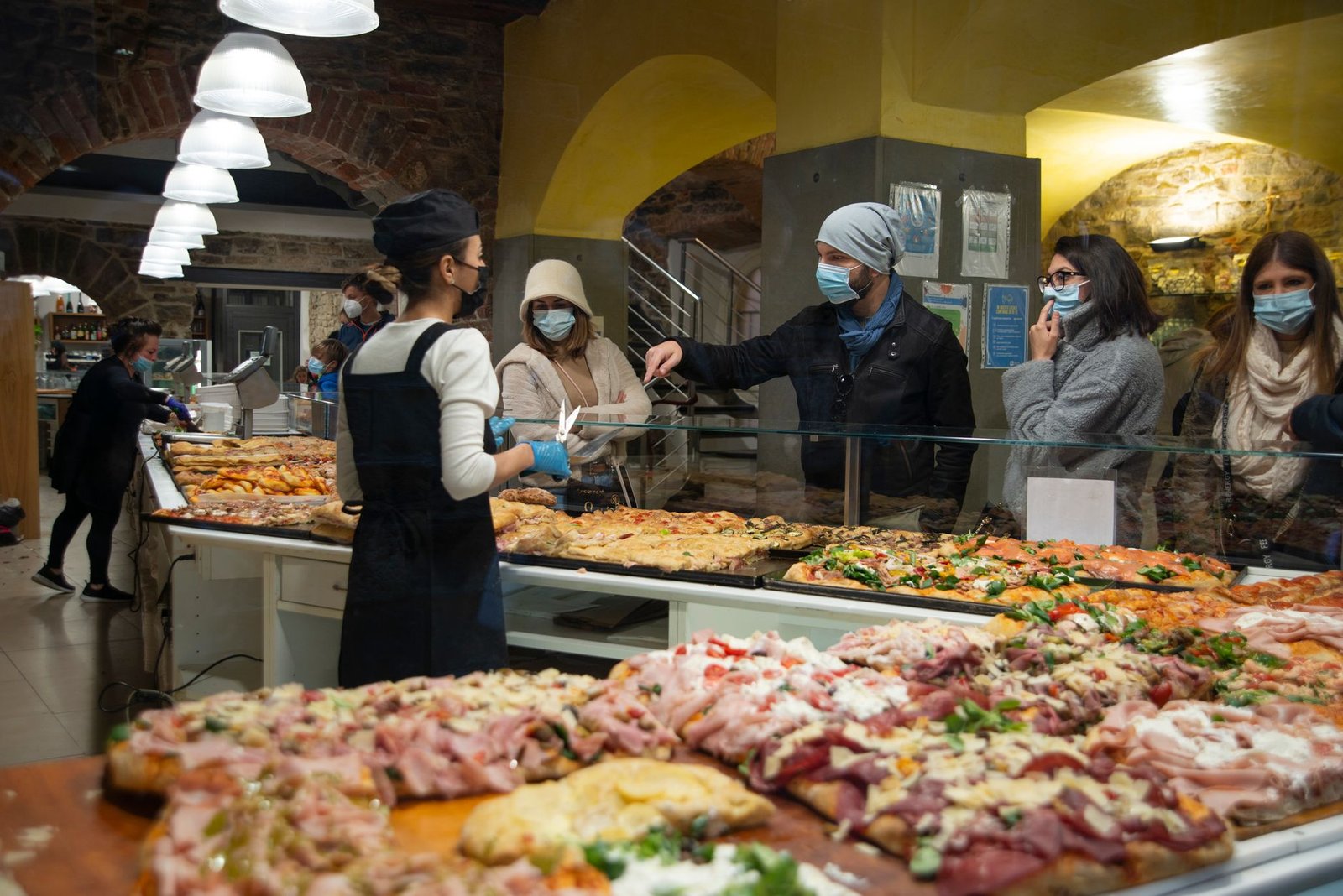
The focaccia here is not the thick, oily slab you get elsewhere. Focaccia genovese is thin, crispy at the edges, and eaten at 8am with a cappuccino. Get it at Antico Forno della Casana on Via della Casana, in the heart of the old town. They charge around €2 for a generous slice and they’ve been at it since the 1800s. Go early — by 10am the best trays are gone.
Then there’s farinata. Chickpea flour, olive oil, salt, baked in a scorching wood-fired oven. It sounds boring until you eat it. Antica Sciamadda on Via San Giorgio has a line most mornings, which tells you everything. A portion runs about €2.50. Eat it standing up at the counter like everyone else does.
Pesto is everywhere in Genoa, but the quality varies wildly. The real stuff uses Ligurian basil — smaller leaves, more delicate — and you’ll taste the difference immediately. Avoid any restaurant on the waterfront tourist strip near the Aquarium. Walk ten minutes inland and the same dish costs less and tastes better.
The Markets You Should Actually Visit
Mercato Orientale is the main covered market and it’s worth a full hour of your time. Located near Piazza Colombo, it’s open Monday through Saturday from around 7am to 1pm. The cheese stalls alone justify the trip — look for prescinsêua, a slightly sour fresh cheese used in Ligurian recipes that you almost never find outside the region. Vendors are used to tourists but they’re not performing for you, which makes the whole thing feel refreshingly real.
There’s also a smaller daily market in Piazza Banchi, right in the old town, that sets up around 9am. More street food vendors, some produce, and usually someone selling trofie pasta by the kilo. Buy some to take home. It travels well.
Where to Eat: Restaurants Worth Your Time
For Traditional Ligurian Cooking
Trattoria da Maria near Via Canneto il Lungo has been feeding Genoese workers since the 1950s. Long communal tables, no-frills decor, fixed lunch menu that changes daily. Expect to pay €12-15 for a full meal with wine. It fills up fast after noon so arrive by 12:15 or expect to wait.
Il Genovese on Via Galata does an excellent cappon magro — a layered seafood and vegetable salad that’s technically Ligurian but rarely done well. Here it’s done very well. Budget around €25-30 per person for a full meal.
For Seafood Done Simply
Genoa is a port city and the seafood reflects that — honest, not fussy. Ristorante Zeffirino is famous (Frank Sinatra ate there, apparently) but it’s overpriced and trading on reputation. Instead, try Osteria di Vico Palla near the old port. Grilled fish, good local white wine, reasonable prices around €20-25 per person. The anchovies marinated in lemon are worth ordering even if you think you don’t like anchovies.
Organized Food Tours: Are They Worth It?
Honestly, you can eat extremely well in Genoa on your own if you do a bit of research. But a guided tour does one thing really well — it gets you inside places you’d walk past without a second glance. The caruggi is genuinely confusing to navigate, and some of the best spots have no signage worth mentioning.
The walking food tours listed on Viator and GetYourGuide typically run 3-4 hours, cost between €55-85 per person, and cover 6-8 tastings. Look for small group options (under 10 people) and check that the tour actually goes into the old town rather than sticking to the sanitized waterfront area. Morning departures around 10am tend to hit the markets at peak time, which makes a difference.
A Few Practical Notes
- Lunch is the main meal — many trattorias don’t open for dinner or keep very limited evening hours
- Cash still preferred at smaller spots, especially market vendors and the old farinata places
- The old town (centro storico) is where almost everything worth eating is located — don’t waste meals near the train station
- Ligurian wine is underrated — ask for Vermentino or Pigato with seafood, Rossese with meat
- Tipping is not expected but rounding up the bill is normal practice
What to Bring Home
Good quality pesto in jars is sold everywhere but the versions at Mercato Orientale from smaller producers are noticeably better than supermarket brands. Trofie pasta, dried borlotti beans, and a bottle of local olive oil all travel easily. If you’re serious about Ligurian cooking, Gastronomia Friggitoria Carega near the market sells prepared foods and can advise on which products are actually local versus just sold in Genoa.
Genoa rewards the curious and the hungry. Give it at least two full days focused on eating and you’ll understand why Genoese people argue so passionately about where to get the best focaccia. Spoiler: they’re all slightly right.



Book a Food Experience in Genoa
Handpicked experiences — book with free cancellation and instant confirmation.
Explore More Food Tours
More food guides from Italy:
You might also enjoy:
- Dubrovnik Food Tour Guide (Croatia)
- Pula Food Tour Guide (Croatia)
Featured in:
Frequently Asked Questions
What is pesto genovese and where can I try authentic versions in Genoa?
Pesto genovese is a UNESCO-protected sauce made with Ligurian basil, pine nuts, garlic, Parmigiano-Reggiano, and olive oil. Visit traditional trattorias in the Porto Antico district or family-run restaurants in Caruggi (the narrow old town streets) where they still pound it by hand in a mortar.
Is it better to eat at restaurants near the harbor or in the old town?
Both offer authentic experiences, but the Caruggi alleyways have more family-owned trattorias with local prices and genuine Genoese menus. Harbor restaurants tend to be pricier and more touristy, though some excellent seafood restaurants are worth the premium if you want fresh catch with a view.
What's the best time of day to find focaccia al olio freshly baked in Genoa?
Early morning (7-9 AM) at local bakeries (panetterie) is ideal, as focaccia is typically made fresh daily and sells out by mid-afternoon. Many bakeries open before 7 AM, so grab it early for the best texture and warmth.
Are there good budget-friendly food options, or is Genoa expensive for eating?
Genoa is surprisingly affordable compared to other Italian cities if you eat where locals do—grab focaccia and panini from bakeries, eat at standing-room-only bacari (wine bars) with free snacks, or lunch at working-class trattorias in neighborhoods like Sampierdarena. Expect to spend €8-15 for quality lunch meals.
What seafood should I definitely try, and is it safe to eat raw fish in Genoa?
Must-try items include trofie al pesto, fresh anchovies (acciughe), mussels, and octopus prepared simply. Raw seafood at reputable restaurants is safe due to strict EU standards, but stick to established seafood restaurants rather than casual spots if you're hesitant.