Food Tour vs DIY Eating: Which Is Worth It?
You’ve just landed in a new city, stomach growling, and you’re staring at your phone trying to decide between booking a food tour you saw on Viator or just wandering until something smells good enough to stop. It’s a genuinely tough call. Guided food tours have exploded in popularity over the last decade, and for good reason — but so has the DIY foodie approach, fueled by Instagram recommendations and obsessive food bloggers. The truth is, neither option is universally better. The right choice depends entirely on where you are, how long you’re staying, and what kind of eater you are. Let’s break it all down so you can stop second-guessing and start eating.
What a Guided Food Tour Actually Gets You
Before dismissing food tours as tourist traps, it’s worth understanding what you’re actually paying for. A well-run food tour isn’t just a meal with strangers — it’s a curated education about a place told through its food. A great guide doesn’t just hand you a dumpling and walk away. They tell you why that specific dumpling exists, which neighborhood grandmothers still make them by hand, and why the filling changed after a particular wave of immigration. That context transforms eating from a biological necessity into genuine cultural immersion.
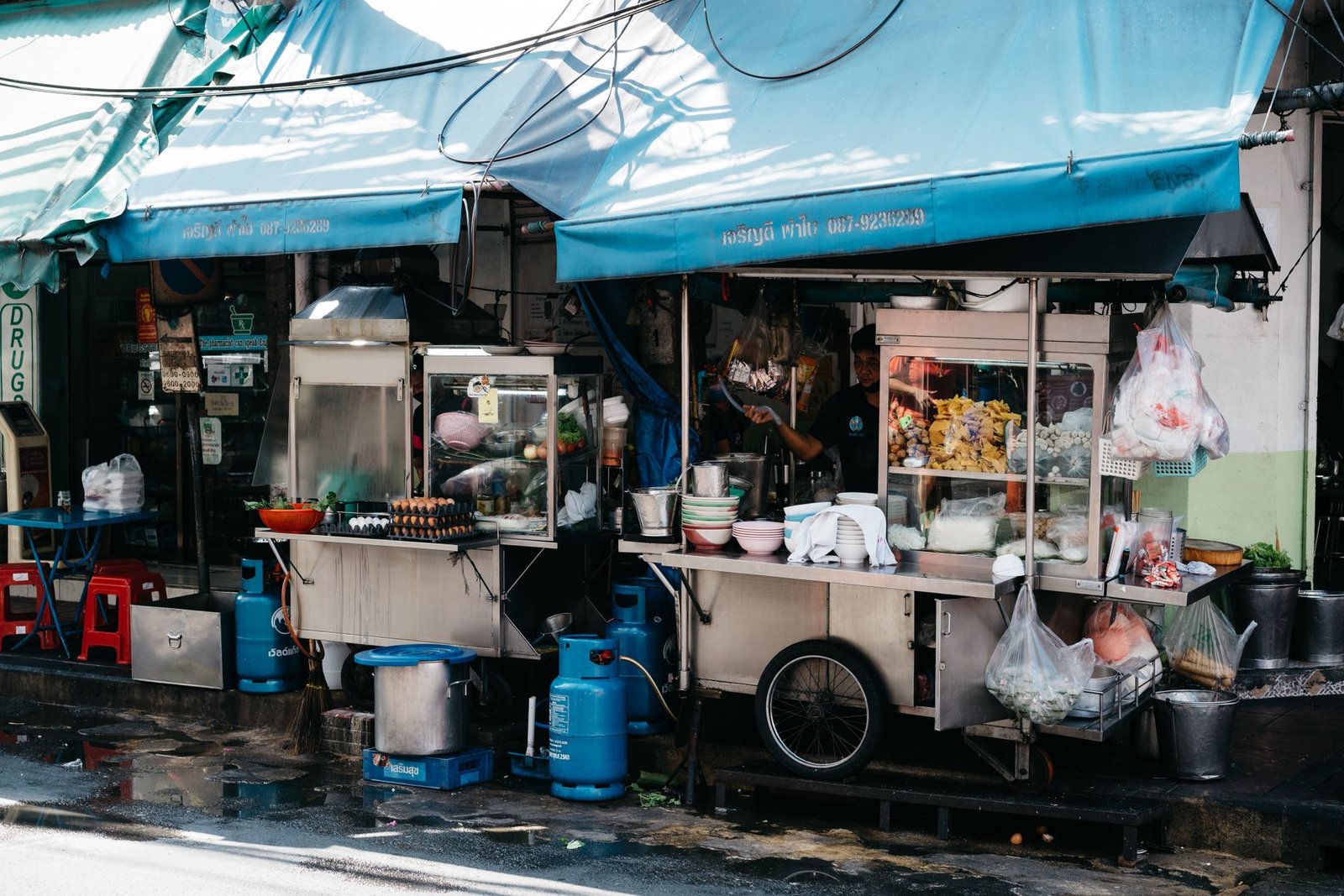
There’s also the access factor. In cities like Istanbul, Tokyo, or Mexico City, the best food is often hidden in unmarked doorways, basement kitchens, or market stalls that require you to know exactly which turn to take. A local guide has spent years building relationships with these vendors. On a good tour in Bangkok‘s Chinatown, for example, you might eat at a noodle shop that’s been operating since the 1950s and has no English signage, no Google Maps listing, and no reason to accommodate confused tourists — except that the tour guide has been sending them business for years.
Safety and dietary considerations are another underrated perk. In countries where food hygiene standards vary wildly, a reputable guide knows which street stalls have consistent safe practices and which ones to avoid. For solo travelers or those with dietary restrictions navigating a language barrier, this alone can be worth the price of the tour.
The Real Downsides of Guided Tours
Let’s be honest about the drawbacks, because there are real ones. Cost is the most obvious. A quality food tour in a major city typically runs between $50 and $150 per person. In cities like San Sebastian or Paris, specialized tours can climb to $200 or more. For a couple or a family, that adds up fast — and the portion sizes on most tours are deliberately small, so you might finish the three-hour experience still wanting a full meal.
The pacing can also feel frustrating if you’re a serious food lover. You move when the group moves. If you fall in love with a particular taco stand in Mexico City’s Roma neighborhood, you can’t linger — the guide is already walking toward the next stop. There’s a subtle surrender of autonomy that bothers some travelers deeply and doesn’t bother others at all. Know which type you are before you book.
Quality varies enormously between operators too. The difference between a tour run by a passionate local chef and one run by a tourism company that hired a part-time guide last month is night and day. Always read recent reviews on platforms like Viator or GetYourGuide before booking, and specifically look for comments about the guide’s knowledge and enthusiasm rather than just the food itself.
The Case for Going Completely DIY
There is something deeply satisfying about wandering into a city with no plan and finding your own perfect meal. DIY eating rewards curiosity, patience, and a willingness to make mistakes — and the mistakes are often the best stories. That weird soup you ordered by accident in Hanoi because you pointed at someone else’s bowl? That becomes a trip highlight you’ll talk about for years.
Freedom is the core advantage. You eat when you’re hungry, not on a schedule. You can spend forty-five minutes at a single market stall if you want to watch the cook work. You can return to the same restaurant three times in a week because you can’t stop thinking about the sauce. None of that is possible on a guided tour.
Budget-wise, DIY eating can be dramatically cheaper, especially in Southeast Asia, Central America, or Eastern Europe where street food and local restaurants cost very little. In Chiang Mai, Thailand, for example, a self-guided morning spent at Warorot Market eating khao tom (rice soup), sai ua (northern sausage), and fresh mango sticky rice from different vendors might cost you under $8 total. A guided food tour of the same market typically runs $35 to $60 per person. That’s real money, especially on a longer trip.
DIY also scales beautifully with time. If you’re spending two weeks in Italy, you don’t need someone to hold your hand through a Naples pizza tasting. You have time to research, explore, fail, recover, and discover things no tour operator has thought to include. Slow travel and DIY eating were made for each other.
When a Food Tour Is Absolutely Worth It
There are specific circumstances where a guided food tour is not just worthwhile but genuinely the smartest move you can make.
- You have one or two days in a city. Time is the great equalizer. With limited hours, you cannot afford to waste half a day eating mediocre food while you figure out the neighborhood. A three-hour tour on day one gives you a working map of the city’s food culture that would take most solo travelers three days to piece together.
- There’s a significant language barrier. Japan, China, rural Morocco, and parts of Eastern Europe present real challenges for non-speakers. A guide who can read the menu, explain the dish, and negotiate for you removes an enormous amount of stress and opens doors that would otherwise stay firmly shut.
- You’re visiting a destination known for complex regional cuisines. Oaxaca, Mexico is a perfect example. The city has seven distinct mole sauces, dozens of artisanal mezcal producers, and a tradition of insects-as-food that deserves proper explanation. Booking a morning food tour through GetYourGuide before going solo for the rest of the trip is a genuinely smart strategy.
- You’re traveling solo and want social connection. Food tours are one of the best ways to meet interesting fellow travelers. Shared eating is inherently bonding, and a good group food tour often ends with new contacts and sometimes new friends.
When DIY Eating Wins Every Time
Equally, there are situations where booking a food tour would be a waste of money and freedom.
- You already know the food culture well. If you grew up eating Vietnamese food or have spent significant time studying Italian regional cuisine, you don’t need a guide to explain pho toppings or why Neapolitan pizza uses San Marzano tomatoes. Your existing knowledge is the guide.
- You’re staying somewhere for more than a week. Longer stays allow for genuine exploration. Use the first few days to visit popular spots and well-reviewed local places, then use the rest of your time to go deeper and stranger on your own terms.
- You’re in a food city with excellent English-language resources. Cities like New York, London, Melbourne, or Barcelona have incredibly well-documented food scenes. Serious resources like Eater, local food blogs, and community-driven apps like Yelp or The Infatuation make self-guided eating highly effective.
- You want to control pace and portion. If you’re a big eater who wants a full meal at every stop, or someone who needs to move slowly due to accessibility needs, the rigid structure of most tours will frustrate you more than help you.
The Hybrid Approach: Best of Both Worlds
The most experienced food travelers have stopped treating this as an either/or question. The smartest approach in most destinations is to use a guided tour as an orientation tool and then spend the rest of the trip going deeper on your own. Book a morning food tour on day one through a trusted platform like Viator or GetYourGuide, take notes on everything the guide mentions including places they didn’t have time to stop, and use that information to build your own itinerary for the days that follow. Many guides are genuinely happy to recommend additional spots if you ask at the end of the tour — it’s part of the job they enjoy. You walk away with both the curated highlights and a personal research shortlist that no guidebook could have given you.
You can also flip the model. Spend most of your trip eating independently and then book one special-experience tour — a cooking class, a wine and cheese pairing, or a late-night street food crawl — as a deliberate treat rather than an orientation tool. This keeps your budget lean while ensuring you get at least one guided deep-dive into local food culture.
Making the Final Call
Ultimately, the food tour versus DIY debate is really a question about what you value most on any given trip. Guided tours sell knowledge, access, and efficiency. DIY eating sells freedom, spontaneity, and the particular joy of stumbling onto something wonderful entirely by accident. Both are legitimate. Both produce great meals and great memories. The travelers who eat best are the ones who stay flexible, stay curious, and never let the method get in the way of the meal.
Whether you’re ready to book a curated food tour for your next destination or you want to arm yourself with tips for going solo, FoodTourTrails.com has everything you need. Browse our destination guides, read our honest tour reviews, and start planning a trip where every meal tells a story worth sharing.



Book a Food Experience in Top Destinations
Handpicked experiences — book with free cancellation and instant confirmation.
Explore More Food Tours
Guides for the cities in this article:
- New York Food Tour Guide (USA)
- San Sebastian Food Tour Guide (Spain)
- Naples Food Tour Guide (Italy)
- Istanbul Food Tour Guide (Turkey)
- Tokyo Food Tour Guide (Japan)
- Oaxaca Food Tour Guide (Mexico)
Frequently Asked Questions
Will a food tour cost significantly more than eating on my own?
Food tours typically cost 50-150% more per meal than self-guided eating, but you're paying for expert guidance, curated tastings, and access to hidden spots tourists wouldn't find alone. For budget travelers, DIY eating is cheaper; for those valuing time and experience, tours offer better value.
Can I actually learn cooking techniques on a food tour, or is it just eating?
Most standard food tours focus on tasting and history rather than hands-on cooking skills. If learning techniques matters to you, look specifically for 'cooking class' tours or cooking school experiences, which differ from traditional food walking tours.
What if I have dietary restrictions—are food tours flexible enough?
Many food tour companies can accommodate common restrictions like vegetarian or gluten-free diets if you book in advance and notify them early. DIY eating offers more spontaneous flexibility, but food tours give you the advantage of a guide who knows safe local restaurants.
Is it worth doing a food tour if I'm only in a city for 2-3 days?
Yes, a food tour is especially valuable for short trips since a local guide compresses weeks of exploration into 3-4 hours and helps you avoid tourist traps. For longer stays (5+ days), mixing one tour with DIY exploration allows deeper discovery.
How do I know if a food tour company is actually good quality?
Check recent reviews on Google and TripAdvisor specifically mentioning guide expertise and food quality, not just fun atmosphere. Ask if the guide is local, if meals are at actual neighborhood spots (not tourist restaurants), and whether the tour includes 4+ tastings for the price.