Debrecen Food Guide 2026: Where to Eat Like a Local
Eating Your Way Through Hungary’s Second City
A Debrecen food tour will genuinely surprise you — this city doesn’t get the culinary attention Budapest does, which means lower prices, fewer tourists elbowing you at the counter, and food that still tastes like it was made for locals rather than Instagram. Debrecen rewards a week of serious eating, and the city’s reputation for honest, unfussy cooking is well earned.
Start at the Great Market Hall
The Nagypiac, or Great Market Hall, sits right in the city center near Piac Street and opens Monday through Saturday from around 6am. Get there before 9am if you want the market at its best — vendors are chatty, the produce is fresh from nearby farms, and the lángos stall near the east entrance is still frying. A lángos (deep-fried dough topped with sour cream and cheese) costs around 600-800 HUF, roughly €1.50. That’s breakfast sorted. The upper floor has a handful of sit-down spots selling home-cooked Hungarian plates — look for the ones with handwritten menus and no English translation. That’s always a good sign.
The Streets Around Kálvin tér
Don’t sleep on the street food scene around Kálvin Square, especially on weekday lunchtimes. There’s a small kürtőskalács (chimney cake) stand that operates near the Reformed Church — the original cinnamon version beats every tourist-targeted version available in Budapest. Warm, crisp outside, soft inside. About 500 HUF. Just east of the square, a few small snack bars sell debreceni sausage, the city’s most famous food export. This is smoked, paprika-heavy pork sausage and it tastes completely different eaten here than it does from a supermarket packet back home. Ask for it grilled, with mustard and a bread roll.
Where to Sit Down for a Proper Meal
For a full Hungarian lunch, IKON Restaurant on Piac Street is reliable and not overpriced — main courses run 2,500 to 4,500 HUF. Order the pörkölt (a thick meat stew, usually pork or beef) with nokedli (tiny egg dumplings). It’s heavy, it’s good, and you’ll need to walk it off around the Nagyerdő park afterwards. The restaurant fills up fast between noon and 1:30pm so either go early or book ahead by phone — they do speak some English.
If you want something a bit more modern, IKON Restaurant has been doing well with updated Hungarian classics — think duck confit with red cabbage, or catfish soup that doesn’t taste like it came from a tin. Good wine list too, mostly Hungarian bottles from the Eger and Tokaj regions.
Guided Food Tours in Debrecen
Self-guided eating is fun, but a local guide genuinely changes what you find. Debrecen doesn’t have the overwhelming tour operator scene of Budapest, which actually works in your favour — guides here are more personal and groups are smaller. It is worth checking the major booking platforms directly to see what is currently available, as listings change. Viator also lists day tours from Budapest that include a Debrecen food stop, useful if you’re combining cities. Book at least a few days ahead in summer — slots go.
Pálinka and the Drinking Culture
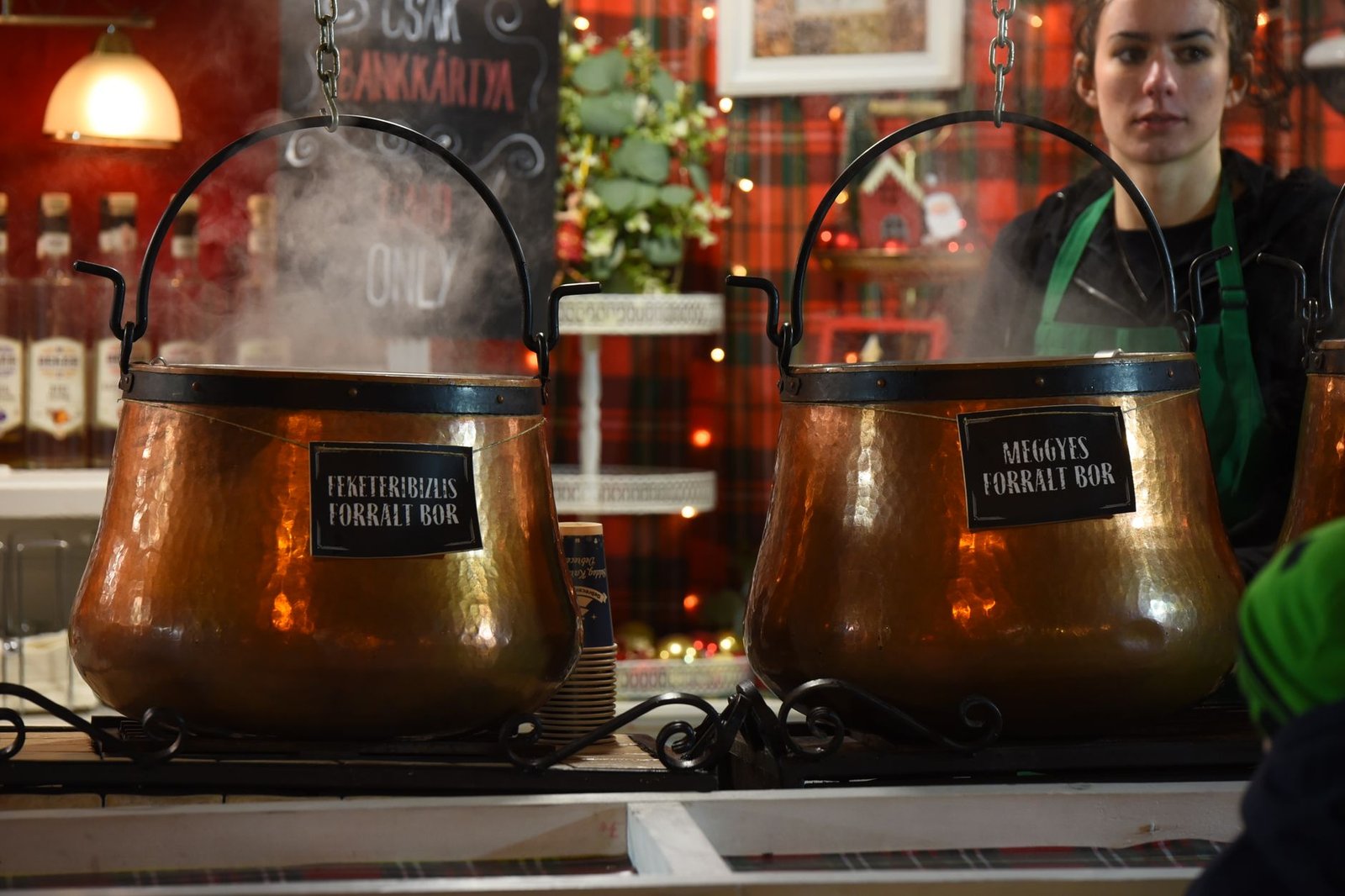
You cannot visit Debrecen and skip pálinka. This is fruit brandy distilled from plums, apricots, pears, or quince, and the local stuff is serious. There are specialist pálinka bars on and around Piac Street where you can do small tastings — 200-300 HUF per shot. Don’t start with the strongest ones. The quince variety is a gentler entry point. If you want to take bottles home, the market hall has certified producers selling direct. A decent 0.5L bottle starts at around 2,500 HUF.
Practical Tips Before You Go
- Cash is still king at market stalls and smaller restaurants — carry HUF.
- Most kitchens stop serving around 9pm, earlier than you’d expect. Plan accordingly.
- The area around Debrecen train station has a few cheap eateries but quality is inconsistent — push five minutes into the city center instead.
- Sunday mornings are quiet at the market but the city’s cafes do a good weekend brunch scene around Révész Square.
- Allergies: Hungarian food leans heavily on pork and dairy. Vegetarian options exist but are limited in traditional spots — mention it when you order.
A Note on Tourist Traps
The stretch of restaurants immediately facing Kossuth Square includes a couple of places with laminated picture menus and inflated prices aimed squarely at day-trippers. The food isn’t terrible but you’re paying a 30-40% premium for the location. Walk one or two streets back and you’ll eat better for less. The best meals in Debrecen come in under 3,000 HUF and tend to emerge from places with no outdoor signage in English whatsoever.
Debrecen rewards the slightly curious traveler. It’s not flashy about its food culture, but the ingredients are excellent (Hungarian pork and paprika really are that good), the portions are generous, and the people working these kitchens have often been doing it for decades. Come hungry, bring cash, and don’t be afraid to point at what the person next to you is eating.


Book an Experience in Debrecen
Handpicked experiences — book with free cancellation and instant confirmation.
Explore More Food Tours
More food guides from Hungary:
You might also enjoy:
- Vienna Food Tour Guide (Austria)
- Bratislava Food Tour Guide (Slovakia)
- Graz Food Tour Guide (Austria)
- Novi Sad Food Tour Guide (Serbia)
Featured in:
Frequently Asked Questions
What is the must-try traditional dish when eating in Debrecen?
Debreceni kolbász, the city's famous spiced pork sausage, is absolutely non-negotiable. You'll find it grilled, smoked, or served in a hearty bean stew called babgulyás at market stalls and traditional csárdás. Head to the Great Market Hall on Csapó Street for the most authentic, locally sourced version.
When is the best time to visit Debrecen's food markets?
The Nagy Piac (Great Market Hall) is busiest and most vibrant on Tuesday, Thursday, and Saturday mornings between 7am and 11am, when local farmers bring fresh produce directly from the surrounding Hajdúság region. Arriving early means access to homemade lángos, fresh túró cheese, and seasonal paprika before the best selections sell out. The market is significantly quieter on Mondays, so plan accordingly.
Are there good vegetarian or vegan food options for travelers in Debrecen?
Debrecen's cuisine is historically meat-heavy, but the food scene has evolved noticeably heading into 2026, with several plant-forward restaurants opening near the university district on Egyetem Square. Dishes like lecsó (a rich pepper and tomato stew), töltött paprika stuffed with lentils, and kürtőskalács (chimney cake) are naturally vegetarian-friendly staples. The café strip along Piac Street also hosts a handful of modern eateries clearly marking vegan options on their menus.
How much should I budget per day for eating like a local in Debrecen?
A comfortable daily food budget of 4,000–6,000 Hungarian Forints (roughly €10–15 as of 2026) covers a full day of eating the way locals do, including market breakfast, a sit-down lunch at a vendéglő, and street food snacks. Midday set menus called napi menü, typically offering soup, main course, and a soft drink, are exceptional value at 1,800–2,500 HUF in neighborhood restaurants away from the main tourist squares. Splurging at a higher-end traditional restaurant near the Reformed Great Church might cost 8,000–10,000 HUF per person with drinks.
Are there any bookable food tours in Debrecen?
Viator does not list a dedicated food tour for Debrecen — so plan to eat independently. The market on Csapó Street, Piac Street, and the university district give you plenty to work with on your own. Viator does list transfer and day tours between Budapest and Debrecen, which is useful if you are combining both cities.