Maastricht Food Tour Guide 2026: Where to Eat Like a Local
Why Maastricht Deserves More Time on Your Plate
A proper Maastricht food tour will genuinely surprise you. This city sits at the bottom of the Netherlands, wedged between Belgium and Germany, and the food reflects that identity crisis in the best possible way. You get Dutch heartiness, Belgian chocolate obsession, and French-leaning bistro culture all within walking distance of each other. The Wyck neighborhood and the old city center pack enough remarkable eating into a few days to fill a notebook with recommendations — and leave you planning your next visit before the first one ends.
The Markets: Start Here Before Anything Else
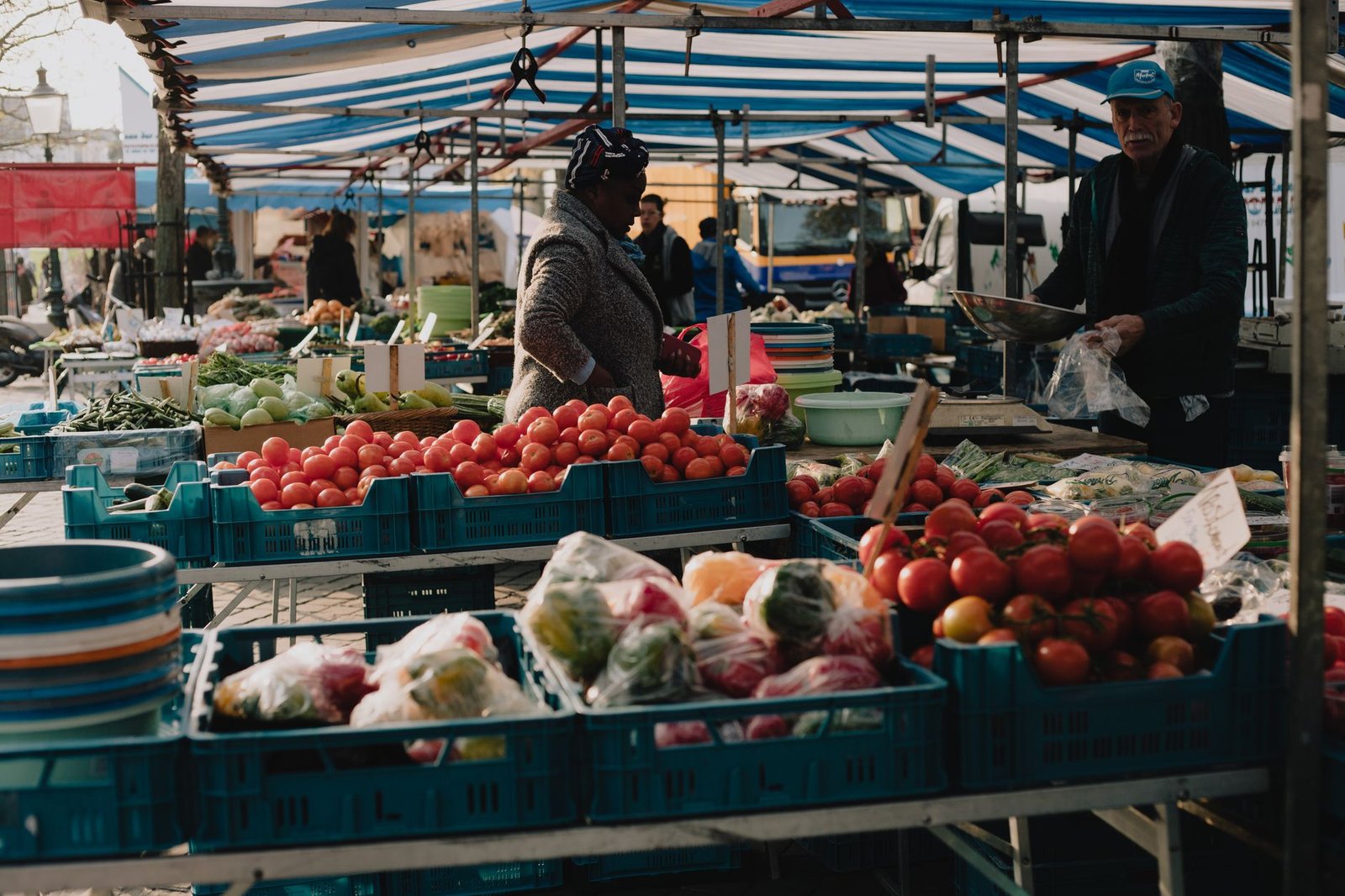
The Markt square hosts a Wednesday and Friday market that runs roughly 8am to 2pm. Get there before 10am if you want the good stuff — the Limburg farmers who drive in from outside the city sell out of their aged cheese and smoked sausage fast. A wedge of local aged Gouda will cost you around €3-4 and it tastes nothing like the vacuum-packed supermarket version. There is also a separate organic market on Saturdays near the Vrijthof square, smaller but worth the detour for fresh stroopwafels made to order.
Do not sleep on Marres Kitchen Garden either — it is attached to a contemporary art space and runs a small seasonal market on select weekend mornings. The produce changes weekly and you can sometimes buy direct from the growers. Check their website before you visit because the schedule shifts.
Street Food and Quick Bites Worth Tracking Down
Vlaai is the thing you need to understand about Limburg province. It is a flat fruit tart — plum, apricot, cherry, rice pudding — and every bakery in Maastricht makes their own version. Bisschopsmolen on Stenenbrug street runs an actual working water mill and bakes on-site. A single slice costs about €2.50 and the apricot version is the one locals actually buy. The tourist version with sugar glaze exists everywhere; avoid it.
For something more casual, the covered market hall near the train station has a rotating selection of street food vendors. Quality varies — some stalls are clearly coasting on tourist traffic — but the Vietnamese bánh mì stand on the eastern end consistently delivers a solid sandwich for around €6. The frites (fries) culture here leans Belgian, meaning you get them thick-cut with proper mayo. Frituur Maastricht near the Servaasbrug bridge is the spot locals actually queue at on Friday evenings.
Sit-Down Restaurants Worth Your Time
For Traditional Limburg Cooking
Café Sjiek has been around long enough to feel like an institution without becoming lazy about it. The zuurvlees — a sweet-sour beef stew specific to Limburg — is served here the way it should be, with proper frieten and a glass of local beer. Budget around €22-28 for a main course. Reservations are sensible for Friday and Saturday evenings.
For Casual Neighbourhood Eating
The Wyck district east of the train station has shifted dramatically in the last few years and now holds the most interesting eating in the city. Café Sjiek on Sint Maartenslaan does honest Dutch-Belgian pub food without performing it at you. Mussels in season (September through April roughly), slow-cooked stews, local beers on tap. Expect to pay €15-20 for a main and it will be completely worth it.
Brood is a small bakery-cafe on Rechtstraat that does breakfast and lunch only. Their open-faced sandwiches on house-baked bread are €8-11 and genuinely worth waking up for. The line gets long after 10am on weekends, so arrive early or eat late.
Chocolate and Sweets
Belgium is twenty minutes away by car, which has given Maastricht a healthy obsession with quality chocolate. Bisschopsmolen, attached to a 17th-century watermill said to be the oldest in the Netherlands, is a landmark vlaai bakery worth seeking out before you leave, because airport pastry is a tragedy.
Guided Food Tours: When They Actually Help
If you only have one day in Maastricht and want someone to navigate the decision-making for you, a guided food tour makes real sense. The three-hour walking tours that cover the Vrijthof area and Wyck neighborhood are listed on GetYourGuide and typically run €45-55 per person. The guides tend to be locals who have genuine opinions rather than scripted commentary, and they get you into spots you would probably walk past. Viator also lists a few options including evening food and wine combinations if that fits your pace better.
That said — do not book a tour instead of exploring independently. Book it in addition. The city is compact and entirely walkable, and wandering down side streets in the Jekerkwartier neighborhood at 11am on a Tuesday will turn up things no tour includes.
Practical Notes for 2026
- Cash still matters — several market stalls and older cafes do not take cards reliably
- Lunch is the better meal deal — most restaurants offer dagschotels (daily specials) at €12-16 that disappear by 2pm
- Sundays are quieter — some shops and smaller cafes close, especially in the morning
- Book dinner Friday and Saturday — the city fills with Belgian and German day-trippers on weekends
- Vlaai is best fresh — buy it the day you plan to eat it, not as a travel souvenir
Maastricht is genuinely one of the more underrated eating cities in the Netherlands, partly because it does not try very hard to market itself. The food scene has roots — real ones — and you can taste the difference. Give it at least two full days if you can.


Book a Food Experience in Maastricht
Handpicked experiences — book with free cancellation and instant confirmation.
Explore More Food Tours
More food guides from Netherlands:
- The Hague Food Tour Guide
- Rotterdam Food Tour Guide
- Utrecht Food Tour Guide
- Amsterdam Food Tour Guide
You might also enjoy:
- Hamburg Food Tour Guide (Germany)
- Liege Food Tour Guide (Belgium)
Featured in:
Frequently Asked Questions
What is the best time of year to do a food tour in Maastricht?
Spring (April-May) and fall (September-October) offer the most pleasant weather for walking food tours and feature local seasonal ingredients at their peak. Summer can be crowded with tourists, while winter months are cold but offer hearty local comfort foods and festive markets.
Are there vegetarian or vegan food tour options available in Maastricht?
Yes, several tour operators now offer specialized vegetarian and vegan routes focusing on local markets, plant-based restaurants, and traditional dishes adapted for dietary preferences. It's recommended to book in advance and mention dietary requirements when reserving your tour.
How much should I budget for a food tour in Maastricht in 2026?
Expect to spend €60-150 per person for guided food tours, depending on the length (2-4 hours) and number of tastings included. Self-guided tours following local recommendations can cost significantly less if you stop at cafés and restaurants independently.
What are the must-try local dishes I shouldn't miss in Maastricht?
Definitively try 'Maastrichtse stoverij' (local beef stew), 'zuurvlees' (sour meat), and 'Limburgse vlaai' (regional fruit pie). Don't skip local cheeses from the region and freshly made 'Maastrichtse mosterd' (Maastricht mustard) available at markets.
Is it better to join a group food tour or hire a private guide?
Group tours are more affordable (€60-100) and offer social interaction with other travelers, while private guides (€150-250+) provide personalized experiences tailored to your interests and pace. Group tours run on fixed schedules, so check availability before booking.