Padua Food Tour Guide 2026: Where to Eat Like a Local
Why Padua Is Italy’s Most Underrated Food City
A Padua food tour will genuinely surprise you — this city sits in Veneto’s agricultural heartland, feeds one of Italy’s oldest universities, and somehow gets skipped by most visitors rushing between Venice and Verona. Their loss, your gain. Padua rewards repeat visits, with every trip through its markets and bacari revealing something new to obsess over.
The food here is honest. Rooted. Nobody’s performing for Instagram. The bacari — the local wine bars — open at 6am for workers who want a spritz and a snack before their shift. That tells you everything about how seriously Paduans take eating and drinking.
Start at Padua’s Markets
Piazza delle Erbe and Piazza della Frutta
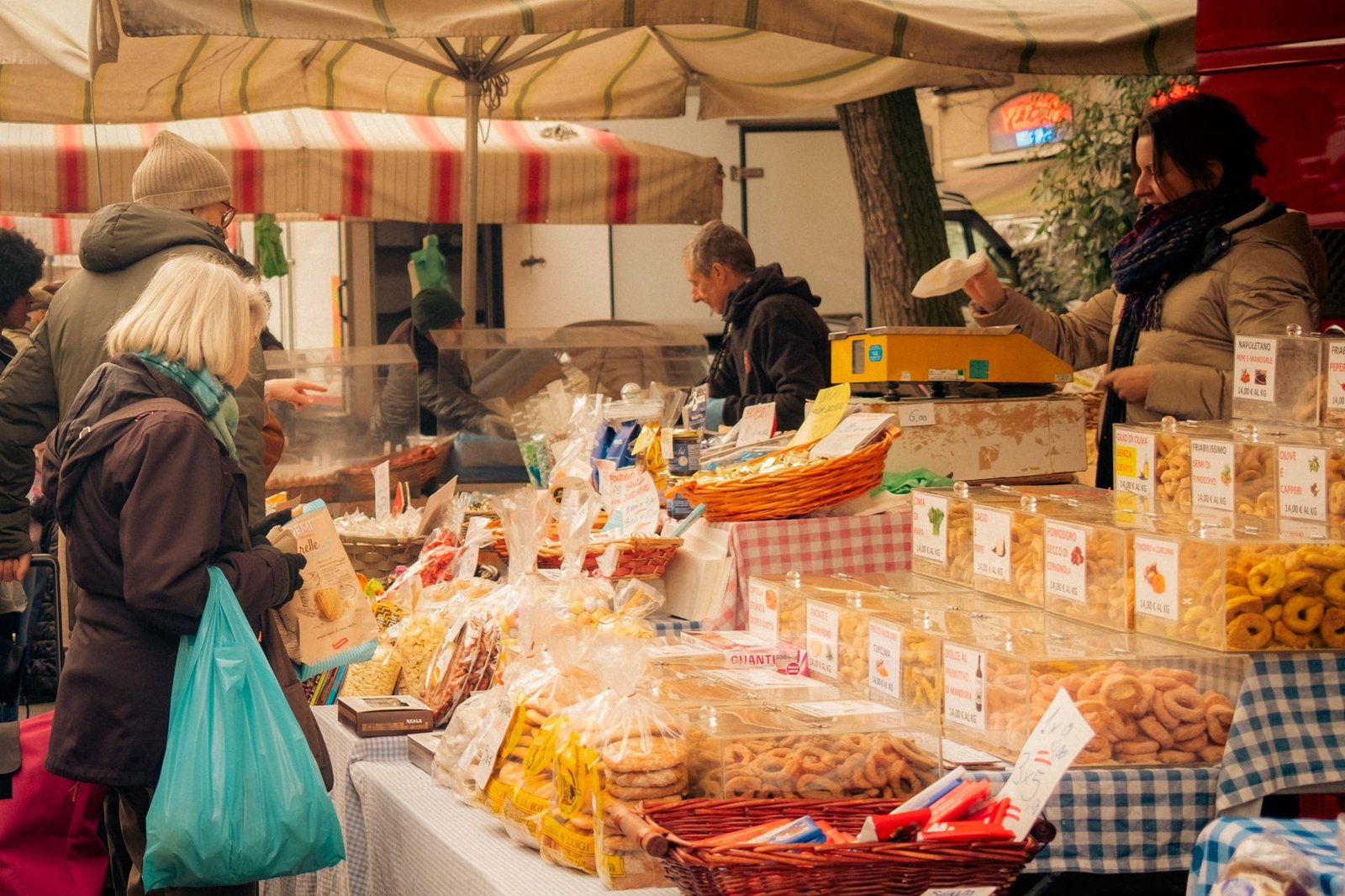
These two piazzas, separated only by the Palazzo della Ragione, run outdoor markets every morning except Sunday. Get there before 10am if you want the best produce. Local farmers sell radicchio di Chioggia, white asparagus from Bassano del Grappa (April through May is peak season), and the most aggressively flavored cherry tomatoes I’ve encountered anywhere in Italy. Prices are genuinely local — a kilo of tomatoes runs about €2.50, not the tourist-inflated nonsense you’d pay in Venice.
Inside the Palazzo della Ragione itself, there’s a covered market on the ground floor with butchers, cheese vendors, and a few bread stalls. The Macelleria Albertini has been selling local meats here for decades. Ask about the soppressa — a thick, soft salami specific to Veneto that you’ll want to carry home in your luggage.
Street Food You Can’t Miss
Bigoli in Salsa
This is Padua’s street food soul. Thick, rough-surfaced pasta tossed with an anchovy and onion sauce that sounds aggressive but tastes incredibly savory and mellow. Several food stalls around the market squares sell it in paper cups for about €4-5. Dal Capo, near Via dell’Arco, does a version that converts anchovy skeptics on the spot.
Spritz with Cicchetti
Don’t let anyone sell you a Aperol Spritz as the authentic local version. In Padua, you want a Spritz al Bitter — made with Select or Campari, not Aperol, which locals consider a tourist shortcut. It costs €2-3 most places. Pair it with cicchetti, the small bar snacks: think crostini topped with baccalà mantecato (creamed salt cod), or little meatballs called polpette. Osteria L’Anfora on Via dei Soncin is where I always start my evenings. Standing room only, paper napkins, zero pretension.
Best Local Restaurants in Padua
Osteria dal Capo
This place has been feeding university professors and market workers since the 1970s. It’s on Via dei Fabbri, a five-minute walk from the Scrovegni Chapel. Lunch service starts at noon and the kitchen closes when the food runs out — sometimes by 1:30pm. Order the pasta e fagioli if it’s on the board. Budget €18-25 for a proper two-course lunch with wine.
Osteria dal Capo
Locals consider this slightly touristy now, but the food quality hasn’t dropped. The fritto misto — a mixed fry of seafood, vegetables, and sometimes soft-shell crab — is genuinely excellent. Dinner for two with a carafe of house Soave runs about €55-65. Booking ahead is smart, especially on Thursday and Friday evenings.
Belle Parti
If you’re celebrating something, this is where to go. It’s on Via Belle Parti, and yes, it’s more expensive — expect €50-70 per person for a full meal. But the kitchen is doing interesting things with Veneto ingredients without turning them into something unrecognizable. The risotto with local Vialone Nano rice is worth the splurge alone.
Taking a Guided Food Tour
If you want someone to navigate the bacaro system for you and make sure you hit the right spots at the right times, a guided food tour is genuinely worth the money. Both Viator and GetYourGuide list several Padua food experiences, typically running 3-4 hours and covering market visits, cicchetti stops, and a sit-down tasting. Prices sit around €65-85 per person. I’d look for small-group tours capped at 8-10 people — anything larger and you lose the ability to actually squeeze into the good bacari.
Evening tours tend to capture the city better than morning ones. Padua comes alive around 6pm when the university crowd spills out and the bacari fill up fast.
Practical Notes for 2026
- Markets run Monday to Saturday, roughly 7:30am to 1pm. Some vendors return in the afternoon, but mornings are when it matters.
- August is quiet — many family restaurants close for two to three weeks when university students leave. Check ahead.
- Cash still preferred at market stalls and many small bacari. Bring €20-30 in small bills.
- Sunday eating is tricky. Fewer options, longer waits. Stick to the area around Prato della Valle for open restaurants.
- Padua’s food scene is about 40% cheaper than Venice for equivalent quality. Keep that in mind when you’re budgeting your trip.
One Last Thing
People always ask me whether Padua is worth the detour from Venice. It’s not a detour — it’s a destination. The train from Venice takes 25 minutes and costs under €5. A full day here, eating and wandering, will be one of the more grounding experiences of your Italian trip. Come hungry.



Book a Food Experience in Padua
Handpicked experiences — book with free cancellation and instant confirmation.
Explore More Food Tours
More food guides from Italy:
- 10 Best Food Cities in Italy 2026
- Amalfi Food Tour Guide
- Bari Food Tour Guide
- Bologna Food Tour Guide
You might also enjoy:
- Lucerne Food Tour Guide (Switzerland)
- Pula Food Tour Guide (Croatia)
Frequently Asked Questions
What is the best area in Padua to find authentic local food?
The area around Piazza delle Erbe and Piazza della Frutta is the undisputed heart of Paduan food culture, home to one of Italy's oldest daily markets running since the 13th century. The surrounding streets are packed with traditional osterie, cicchetti bars, and family-run delis selling local cheeses, cured meats, and fresh pasta. Arrive early morning to shop alongside locals before the tourist crowds build up.
What dishes should I absolutely try when eating in Padua?
You cannot leave Padua without trying bigoli con l'anatra, thick whole-wheat pasta with slow-cooked duck ragù, which is the city's signature pasta dish. Baccalà alla vicentina, salt cod braised in milk and onions, is widely served and reflects the region's historic trade connections. Finish with a slice of torta fregolotta, a crumbly almond tart you'll find in almost every pasticceria in town.
Is Padua's food scene expensive compared to Venice or Verona?
Padua is significantly more affordable than Venice and slightly cheaper than Verona, largely because it has a large university population that keeps prices competitive and the dining culture unpretentious. A full sit-down lunch with wine at a traditional trattoria typically costs €20–€35 per person in 2026. Standing at a cicchetti bar for small bites and an Aperol Spritz can cost as little as €5–€10, making it ideal for budget-conscious travellers.
What time do locals in Padua typically eat lunch and dinner?
Locals follow a fairly strict Italian rhythm: lunch is eaten between 12:30 and 2:00 PM, and arriving after 2:00 PM means many kitchens will have stopped serving hot food. Dinner rarely starts before 7:30 PM, with most restaurants hitting their busiest period between 8:00 and 9:30 PM. Showing up at 6:00 PM expecting a full dinner service will likely leave you disappointed or seated in an otherwise empty restaurant catering only to tourists.
Are there good food options in Padua for vegetarians or people with dietary restrictions?
Padua's rich produce market means vegetarians have strong options, particularly dishes featuring radicchio di Chioggia, wild mushrooms, and fresh legumes prepared in traditional Veneto style. Many osterie now label vegetarian and gluten-free dishes following updated EU allergen regulations, though it is always worth asking the waiter directly. Vegan options are growing but can still be limited in older, traditional trattorias, so researching specific restaurants ahead of your visit is recommended.