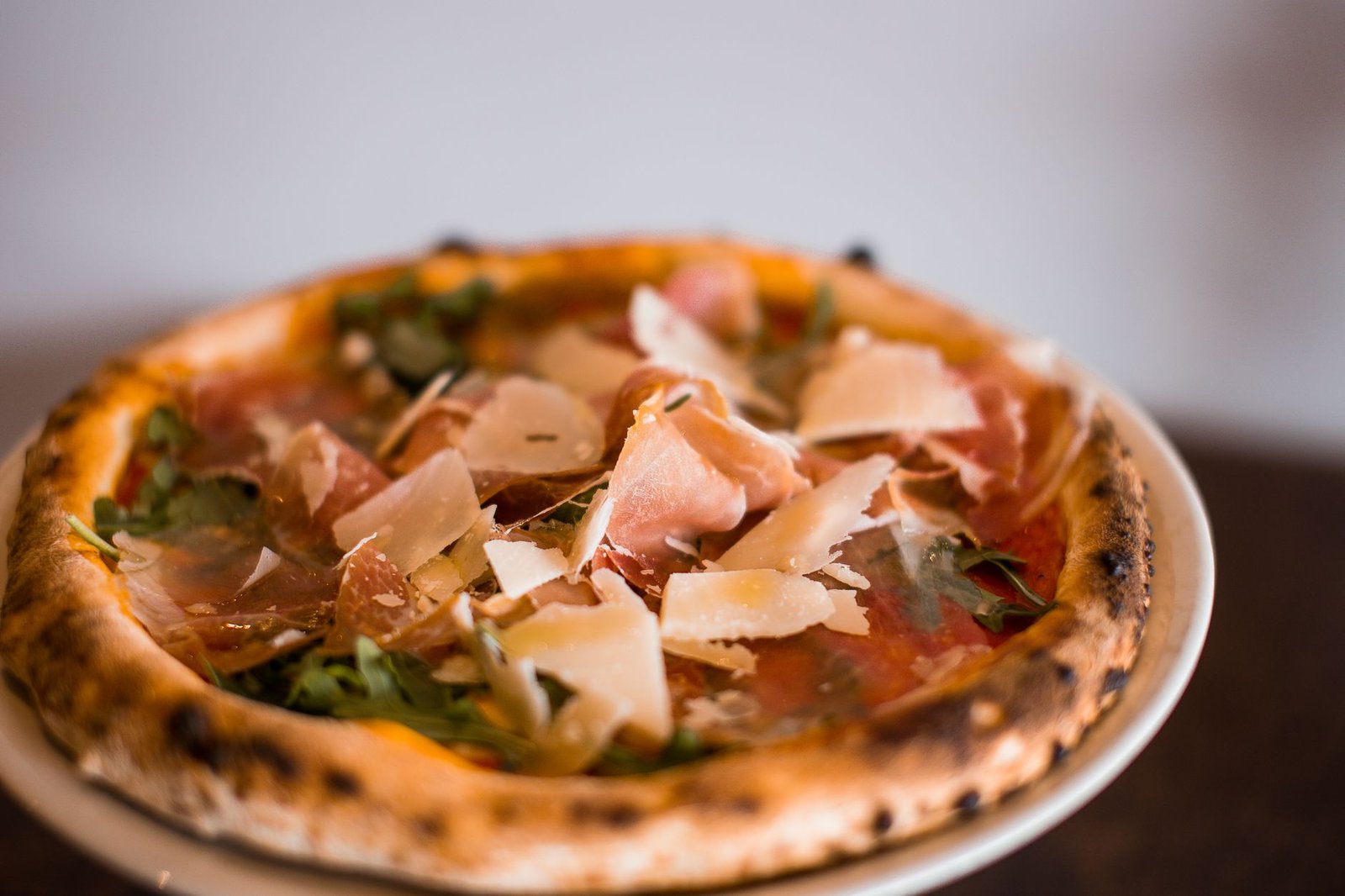
Parma Food Tour Guide 2026: Where to Eat Like a Local
Parma Is Serious About Food — And You Should Be Too
Italians from other regions will tell you Parma people are obsessed with what they eat. They’re not wrong. This mid-sized city in Emilia-Romagna has produced Parmigiano-Reggiano, prosciutto di Parma, culatello di Zibello, and tortelli d’erbetta — and locals will correct you firmly if you confuse any of them with inferior imitations. Coming here without a food plan is like visiting Florence and skipping the Uffizi.
Late September is ideal timing for a food trip to Parma. Crowds are manageable, the weather hovers around 22°C, and the new harvest prosciutto season is just beginning. Here is what actually works.
Start at Mercato della Ghiaia — But Go Early
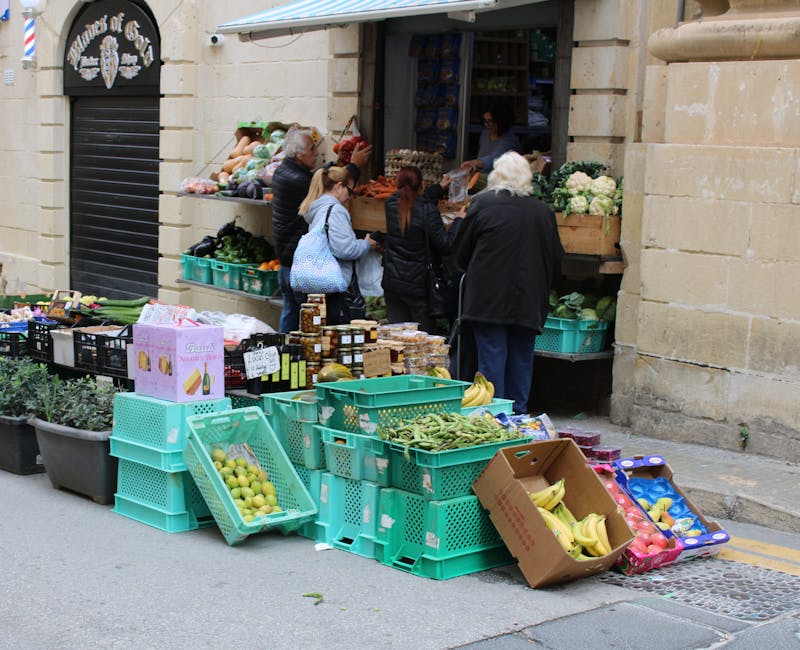
The Mercato della Ghiaia on Via Repubblica opens at 7:30am and by 10am the best stalls are picked over. Get there before 9:00. The cheese vendors on the ground floor will let you taste before you buy — ask specifically for a 36-month Parmigiano and notice how it almost crunches. A decent wedge runs about €8-12 depending on weight. Upstairs there are a handful of small lunch counters serving fresh pasta. The tortelli d’erbetta — filled with ricotta and greens — costs around €7 a plate and it’s the real deal.

Don’t buy vacuum-packed prosciutto here as a gift. It’s tourist pricing. Walk instead to Salumeria Garibaldi on Via Garibaldi 42, a proper deli where locals actually shop. You’ll pay around €28-35 per kilo for prosciutto sliced to order, and the staff won’t pretend you’re getting something special when you’re not.
Guided Food Tours: Worth It If You Pick the Right One
Parma’s food scene rewards context. Knowing that culatello comes only from pigs raised in the fog-heavy Po Valley lowlands, or that Parmigiano wheels take two years minimum to reach the shops, changes how you taste things. A good guide makes that difference.
I’d recommend checking Viator or GetYourGuide for small-group food tours running 3-4 hours. Look for anything that includes a visit to a prosciutto producer or a Parmigiano caseificio (dairy). Prices in 2026 are running roughly €85-120 per person for quality half-day experiences. Avoid tours that promise six stops in two hours — that’s just eating in a hurry, which defeats the point entirely.
The best tours go out to the countryside, around 20 minutes from the city center, where the actual production happens. Seeing a 500-kilo Parmigiano wheel being cracked open with those stubby knives is genuinely worth the drive.

Where to Eat: Honest Picks
Trattoria Corrieri
Trattoria Corrieri on Via Conservatorio has been around since 1938 and shows no signs of trying to modernize for Instagram. A two-course lunch — anolini in broth followed by braised veal with polenta — runs around €14. The room is loud, the tables are close together, and nobody speaks much English. Reservations are recommended, especially on weekends: call ahead at +39 0521 234426.
Street Food and Quick Bites
Parma doesn’t have a sprawling street food culture the way Naples or Palermo does. What it has instead is a tradition of standing at bars and counters eating specific things properly. A few worth knowing:
- Erbazzone — a savory spinach and cheese pie sold in squares at bakeries around the city. Look for it at local bakeries near the centre, such as those along Strada Farini. About €2 a slice, eat it warm.
- Gnocco fritto — fried dough served with salumi, found at most traditional osterias as an antipasto. Not street food exactly, but fast and cheap.
- Coppa di testa — head cheese, which sounds alarming but tastes nutty and mild when made well. Ask at any good salumeria.
A Note on Avoiding the Tourist Traps
The area immediately around Piazza del Duomo has three or four restaurants with outdoor seating and laminated photo menus. The food isn’t terrible, but you’re paying a 40% premium for the view and the tablecloths. Walk two blocks in any direction and prices drop noticeably.
Also: Parma doesn’t do late dinner by Italian standards. Kitchens that close at 10:00pm are not unusual. Showing up at 9:45 expecting a full meal will get you polite but firm refusals. Aim to sit down by 8:00pm at the latest.
Practical Details for 2026
Parma is easily reached by train from Bologna (about 55 minutes, €10-14) or Milan (about 70 minutes, €15-22). Most food sites are walkable from the center. Tuesday and Friday mornings are the best market days. Many salumerias close on Sunday afternoon and all day Monday, so plan accordingly. Cash is still preferred at smaller delis and market stalls — have some euros on hand.
Budget roughly €40-60 per day on food if you’re eating properly without being extravagant. This city rewards people who slow down, ask questions, and eat the same things the locals have been eating for generations.
Book a Food Experience in Parma
Handpicked experiences — book with free cancellation and instant confirmation.
Explore More Food Tours
More food guides from Italy:
You might also enjoy:
- Zadar Food Tour Guide (Croatia)
- Zagreb Food Tour Guide (Croatia)
Featured in:
Frequently Asked Questions
What's the best time to visit Parma for food tours in 2026?
September through November is ideal, as autumn brings fresh truffle season and the Parmigiano-Reggiano aging process peaks in quality. Spring (April-May) is also excellent with mild weather and local markets bursting with seasonal produce. Avoid August when many family-run restaurants close for holiday.
Can I do a food tour if I have dietary restrictions like vegetarian or gluten-free?
Yes, most tour operators in Parma now offer customized itineraries for dietary needs, though you should book in advance. Many traditional restaurants have adapted to offer vegetarian versions of classics like tortellini with cheese fillings or risotto alternatives to pasta dishes. Always inform your guide ahead of time so they can coordinate with restaurant kitchens.
How much should I budget daily for eating like a local in Parma?
Plan €40-60 per day for authentic local dining: €8-12 for lunch at a traditional trattoria, €10-15 for dinner, plus €5-10 for market snacks and tastings. High-end restaurants run €60-100+ per meal, but the best food experiences are found in family-owned spots where you'll spend less and eat better. Wine tastings at Lambrusco producers typically cost €15-25.
Is it worth buying Parmigiano-Reggiano directly from producers versus shops?
Absolutely—visiting a caseificio (dairy) near Parma lets you taste aged varieties (12-36 months) at better prices than tourist shops, typically €12-18 per kilo versus €20+ in the city. You'll learn the production process and can purchase freshly cut wedges that taste noticeably superior. Many producers are within 30 minutes of the city and welcome visitors without advanced booking.
What's the difference between Parmigiano-Reggiano from Parma versus other regions?
Parmigiano-Reggiano made in the Parma province (specifically the Parma and Reggio Emilia areas) benefits from specific grass and feed regulations that create slightly creamier, sweeter flavor profiles compared to other production zones. The terroir of the Emilia plains gives Parma-made versions a distinct richness that locals and cheesemakers proudly distinguish. If authenticity matters, look for 'Parma' or 'Reggio Emilia' marked on the rind.