Best Thai Cooking Classes in Bangkok: From Markets to Table
There is something deeply satisfying about eating a bowl of green curry when you know exactly how it came together — the lemongrass you bruised with a mortar and pestle, the galangal you sliced yourself, the coconut milk you stirred in slowly over a wok flame. Bangkok is one of the best cities in the world to learn Thai cooking, not just because the food is extraordinary, but because the teaching culture here is genuinely welcoming. Whether you have a single free morning or a full day to dedicate, a Bangkok cooking class is one of those travel experiences that stays with you long after the tan fades. This guide covers the best schools, the markets worth visiting first, what dishes you will actually learn, and everything practical you need to know before you book.
Why Bangkok Is the Perfect City to Learn Thai Cooking
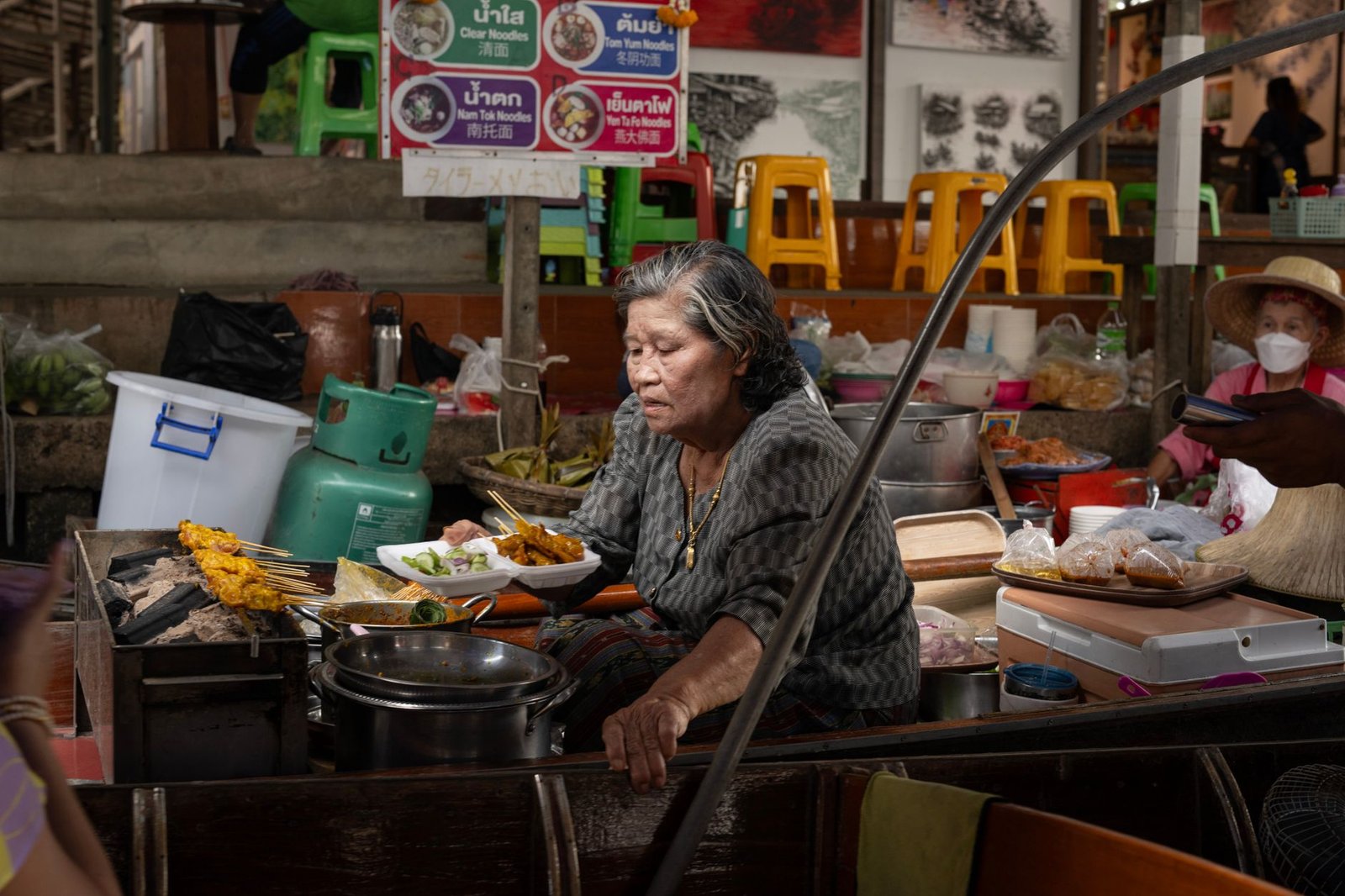
Bangkok is not just a place where good Thai food happens to exist — it is a city where food is a living, breathing part of daily culture. Street vendors start cooking at dawn, fresh markets open before most tourists are even awake, and home cooks still make curry paste from scratch because that is simply how it is done here. This environment makes cooking classes feel genuinely authentic rather than staged. You are not learning a simplified tourist version of Thai cuisine; you are learning from people who cook this food every single day.
The city also has an exceptional range of cooking schools catering to every budget and learning style. From grand colonial buildings in Silom to quiet residential neighborhoods in the northern suburbs, Bangkok offers classes that feel like a cultural immersion rather than just a cooking lesson. Most classes are beginner-friendly, so you do not need any prior experience — just curiosity and a healthy appetite.
The Top Cooking Schools in Bangkok Worth Booking
Blue Elephant Cooking School
If you want the full experience with polished surroundings, Blue Elephant Cooking School on South Sathorn Road is genuinely impressive. Housed inside a beautiful 1930s colonial mansion, this school has been teaching Thai cuisine since 1980 and consistently earns its reputation. Classes run in the morning, starting with a guided market visit before moving into well-equipped cooking stations inside the historic building. You will typically cook four to five dishes per session, and the recipes skew toward royal Thai cuisine — slightly more refined than your average street food but no less delicious. Expect to pay around €65 per person for a half-day class. It is on the pricier end for Bangkok, but the setting and quality of instruction genuinely justify the cost.
Baipai Thai Cooking School
For something more intimate and arguably more educational, Baipai Thai Cooking School in the Ngam Wong Wan neighborhood is a local favorite among serious food lovers. Groups are kept deliberately small — usually no more than ten people — which means you get real hands-on time rather than watching someone else do the work. The school is set in a lovely residential garden, and the atmosphere feels more like being invited into someone’s home than attending a formal class. Classes cost around €50 per person and cover classic dishes with excellent attention to technique. The instructors here take real pride in explaining the why behind each step, which makes a noticeable difference if you actually want to recreate dishes when you get home.
Cookly Bangkok Experiences
Cookly is a booking platform rather than a single school, but it is worth mentioning because it aggregates some excellent Bangkok cooking experiences that you would not easily find on your own. Through Cookly you can access smaller, less publicized classes run by local chefs out of their home kitchens — the kind of experience that feels genuinely off the tourist trail. Prices through Cookly typically range from €35 to €55 depending on the class length and format. It is also worth browsing Airbnb Experiences for hidden gem home kitchen sessions, where local cooks open their actual family kitchens to small groups of two to four people. These informal classes often produce the most memorable meals and the most honest conversations about Thai food culture.
The Morning Market Visit: Why It Makes Everything Better
The gold standard Bangkok cooking class experience combines a morning market visit with the actual cooking session, and this combination is worth seeking out specifically. When you understand where your ingredients come from and what fresh galangal actually looks and smells like in its raw state, everything that follows in the kitchen makes more sense.
Or Tor Kor Market
Or Tor Kor Market near Chatuchak is widely considered the best fresh market in Bangkok for ingredient quality. The produce here is exceptional — lush herbs, perfectly ripe fruits, freshly squeezed coconut milk, and dried spices sold by vendors who have been working the same stalls for decades. Several cooking schools run their morning market component here specifically because the quality is reliable and the atmosphere is lively without being overwhelming. Even if your cooking class does not include a visit, it is worth arriving early to walk through Or Tor Kor on your own before the session begins.
Chatuchak Weekend Market
If you are visiting on a weekend, the ingredient sections of Chatuchak Weekend Market are worth exploring alongside the famous shopping sections. You can find specialty Thai herbs, palm sugar, dried shrimp, and regional ingredients that are harder to source elsewhere. Some of the food tour operators listed on platforms like Viator and GetYourGuide run morning Chatuchak food and market tours that pair beautifully with an afternoon cooking class, giving you a full day of culinary immersion that covers the complete farm-to-table story.
What You Will Actually Learn to Cook
Most Bangkok cooking classes for beginners cover a similar core curriculum, and it is an excellent one. Here is what you can typically expect to make:
- Green curry paste from scratch — using a heavy stone mortar and pestle to grind lemongrass, kaffir lime zest, green chilies, galangal, garlic, and shrimp paste into a fragrant, vivid paste. This alone is worth the price of admission.
- Pad thai with fresh noodles — learning the wok technique, the correct balance of tamarind, fish sauce and palm sugar, and why the heat level matters so much.
- Tom kha gai — the creamy, galangal-forward coconut soup that seems simple but has a very specific balance of sour, creamy and aromatic that takes practice to nail.
- Mango sticky rice — the iconic Thai dessert made with glutinous rice, fresh mango and sweetened coconut cream, which turns out to be far more technique-dependent than it looks.
- Spring rolls or satay — many classes include a starter course as an additional element, often a hands-on wrapping or grilling component.
Full-day classes add more dishes, sometimes including a northern Thai specialty like khao soi or a deeper dive into regional curry variations. If you are genuinely passionate about Thai cooking, the full-day format is worth the extra time and the slightly higher price, typically between €65 and €80.
Half-Day vs Full-Day: Which Should You Choose
The honest answer is that it depends on your overall itinerary. A half-day class runs roughly three to four hours including the market visit, and you will cook and eat three to four dishes. This is a satisfying experience that leaves your afternoon free for temples, tuk-tuk rides or more eating. A full-day class runs five to six hours, often includes lunch and a more extensive recipe repertoire, and genuinely feels like a proper immersion rather than a highlights reel. If Bangkok is your only stop in Thailand and you want to leave with real cooking skills, the full-day is the better investment. If you are passing through as part of a longer trip and want a memorable morning activity, the half-day format delivers everything you need.
Practical Tips Before You Book
- Wear comfortable, breathable clothing. The kitchens are warm and you will be standing and moving around a mortar and pestle for extended periods. Closed-toe shoes are recommended around the wok stations.
- Book at least three to five days in advance, especially for smaller schools like Baipai where spots fill quickly, and even further ahead during peak season between November and February.
- Most schools are accessible by BTS Skytrain or MRT. Blue Elephant is a short walk from Surasak BTS station. Baipai is best reached by taxi from Mo Chit MRT station — a simple fifteen-minute ride that costs roughly €3 to €4.
- Tell your school about dietary requirements in advance. Thai cooking involves shrimp paste, fish sauce and oyster sauce as standard ingredients, but good schools can adapt most recipes for vegetarians with a heads-up.
- Arrive hungry. You will eat everything you cook, usually at a proper sit-down meal at the end of the session, and portions are generous.
Learning to cook Thai food in Bangkok is one of those rare travel experiences that is simultaneously fun, educational, genuinely delicious and directly transferable to your life back home. Whether you choose the elegant surroundings of Blue Elephant, the intimate garden kitchen at Baipai, or a hidden home kitchen found through Airbnb Experiences or Cookly, you will leave with a new set of skills and a very full stomach. Browse our full Bangkok food experiences guide on FoodTourTrails.com to find market tours, street food walks and cooking classes that can be combined into the ultimate Bangkok culinary itinerary — because one class will almost certainly leave you wanting more.
Book a Food Experience in Top Destinations
Handpicked experiences — book with free cancellation and instant confirmation.
Explore More Food Tours
Guides for the cities in this article:
- Florence Food Tour Guide (Italy)
- Bangkok Food Tour Guide (Thailand)
- Paris Food Tour Guide (France)
- Marrakech Food Tour Guide (Morocco)
- Bologna Food Tour Guide (Italy)
Frequently Asked Questions
Do I need any prior cooking experience to join a Thai cooking class in Bangkok?
No prior experience is necessary for most Bangkok cooking classes, as they are designed for complete beginners through to intermediate home cooks. Instructors walk you through every step, from knife techniques to balancing sweet, sour, salty, and spicy flavors. Classes like those at Baipai Thai Cooking School or Silom Thai Cooking School are specifically praised for their patient, beginner-friendly approach.
Does the class price include the market visit, and which market do most classes go to?
Most reputable cooking schools include the market tour in the class fee, though it's worth confirming when booking as some budget classes skip this component. Or Tor Kor Market near Chatuchak is a popular upscale choice, while local wet markets like Khlong Toei are used by schools wanting a more authentic, grassroots experience. The market visit typically adds 45–60 minutes to the overall class duration.
How many dishes will I actually cook and get to eat during a typical half-day class?
A standard half-day class (roughly 4–5 hours) usually covers 4 to 6 dishes, commonly including a curry paste from scratch, a stir-fry, a soup like Tom Kha, and a dessert such as mango sticky rice. You eat everything you prepare at the end of the session, which effectively serves as your lunch or dinner. Some premium schools like A Lot of Thai provide printed recipe booklets so you can recreate the dishes at home.
What is the best area of Bangkok to find high-quality cooking classes?
Silom and Sathorn in central Bangkok host several well-established schools with easy BTS Skytrain access, making them convenient for most tourists. The Rattanakosin old city area and riverside neighborhoods like Bang Rak also have popular options that combine cooking with cultural sightseeing. If you want a more residential, local feel, schools in the Ari or Ladprao neighborhoods offer a quieter setting away from the tourist trail.
Can I request vegetarian, vegan, or allergy-friendly versions of the dishes?
Yes, virtually all well-reviewed Bangkok cooking schools accommodate vegetarian and vegan requests if you notify them at least 24 hours before your class. They will substitute fish sauce with soy or mushroom sauce and swap shrimp paste for plant-based alternatives without significantly compromising the flavor profiles. Nut and shellfish allergies are also commonly catered for, but always communicate your needs clearly at the time of booking to ensure a safe experience.