Best Food Markets in Africa 2026
Africa’s food markets are not simply places to buy groceries. They are the living, breathing centers of culture, commerce, and community that have shaped cities for centuries. From the spice-laden souks of Marrakech to the sprawling concrete corridors of Addis Ababa’s Merkato, these markets offer travelers a far more honest and immersive window into local life than any museum or guided city tour ever could. Whether you are a seasoned food traveler chasing your next great meal or a first-time visitor to the continent trying to make sense of a new city, Africa’s great markets deserve a full morning — and often an entire day — of your attention. This guide covers six of the continent’s most essential food markets for 2026, with practical advice on what to eat, when to go, how to bargain, and how to stay safe while doing it all.
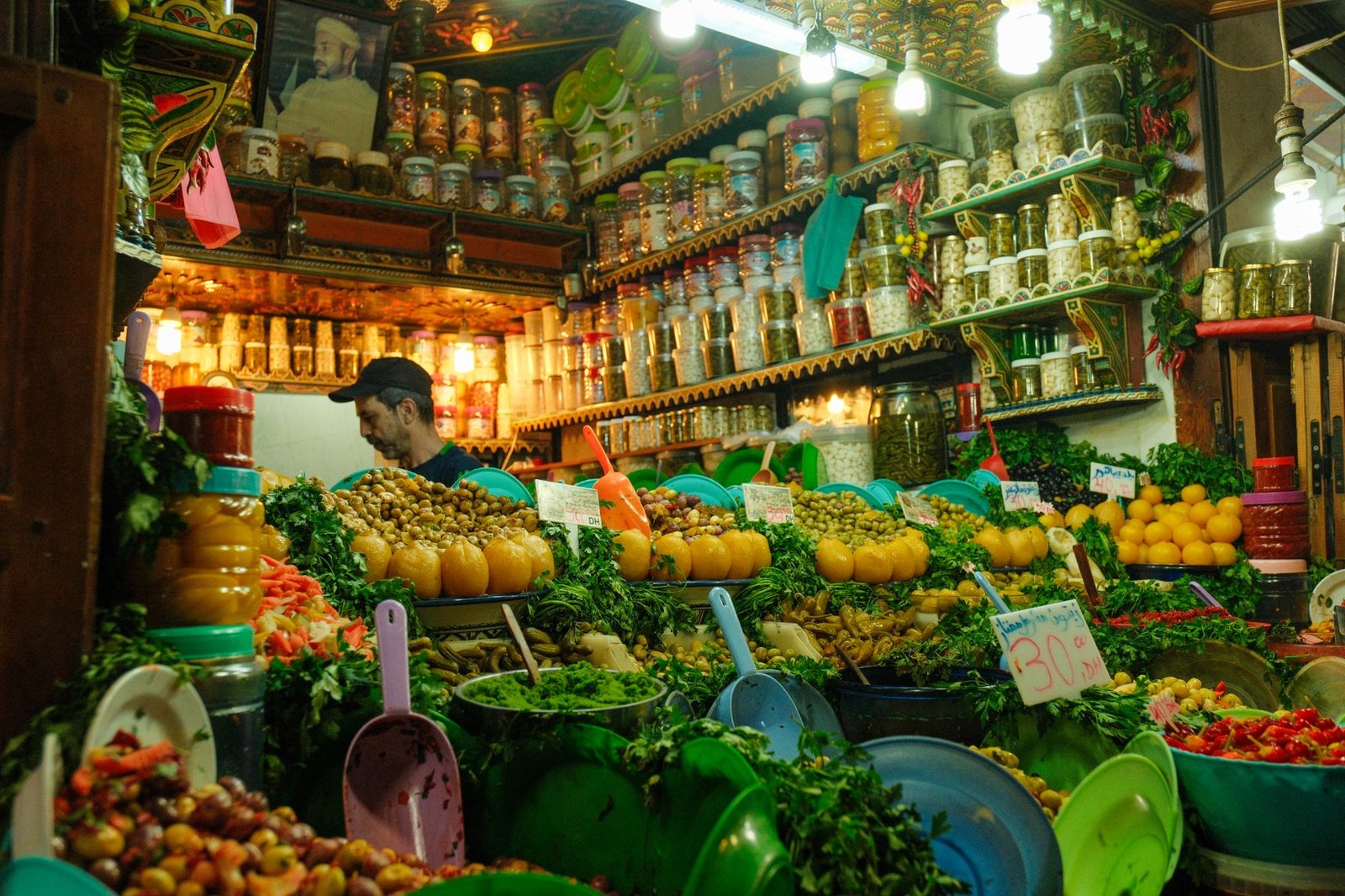
Djemaa el-Fna and the Souks of Marrakech, Morocco
Few market experiences on earth match the sensory overload of Marrakech’s medina. Djemaa el-Fna, the great central square, transforms dramatically throughout the day. In the morning it is relatively calm, with juice vendors lining the square selling freshly squeezed orange juice for around 4 MAD per glass — one of the great travel bargains anywhere in the world. By midday the snake charmers and storytellers arrive. After sundown, the square becomes an enormous open-air restaurant, with dozens of smoke-wreathed food stalls serving harira soup, grilled merguez sausages, sheep’s heads, escargot simmered in cumin broth, and kefta tagines.
Venture into the souks themselves — particularly Souk el-Attarine for spices and Souk Semmarine for preserved lemons, argan oil, and ras el hanout blends — and you enter a world that rewards patience and genuine curiosity. Bargaining is not only expected but culturally important. A reasonable starting position is to offer roughly half the first quoted price and negotiate respectfully from there. Never begin negotiating unless you are genuinely interested in buying. Vendors remember faces and aggressive haggling without intent to purchase creates unnecessary friction.
The best time to visit the souks is between 9am and noon, before the heat and crowds peak. If you want a structured introduction, both Viator and GetYourGuide list excellent Marrakech street food tours that take you through the souks and into Djemaa el-Fna after dark with a knowledgeable local guide — a worthwhile investment for first-time visitors.
Mercado Municipal, Maputo, Mozambique
Maputo’s Mercado Municipal, also known as the Central Market, is one of southern Africa’s most underrated food destinations. Located in the heart of the Mozambican capital, this colonial-era covered market buzzes with vendors selling an extraordinary range of fresh seafood, tropical fruit, dried fish, piri piri chiles, and coconut-based products that reflect the country’s Portuguese and East African culinary heritage.
The seafood section is the main event. Fresh prawns from the Mozambican coast, known internationally for their exceptional size and flavor, are sold here at prices that make them far more accessible than in most restaurants. Vendors also sell dried shrimp and smoked fish that form the backbone of local stews. Look for matapa — a rich paste made from cassava leaves, coconut milk, and dried shrimp — sold ready-made by a handful of prepared-food vendors near the market’s eastern entrance.
The best time to visit is early morning, ideally before 8am, when the seafood is freshest and the stalls are fully stocked. The market is generally considered safe during daylight hours, but standard urban precautions apply: keep cameras discreet, carry small bills, and leave expensive jewelry at your hotel. Bargaining is practiced but not as aggressive as in North African markets. A polite smile and a reasonable counter-offer will get you far.
Victoria Street Market, Durban, South Africa
Durban has one of the largest Indian-origin populations of any city outside India, and nowhere is that heritage more deliciously evident than at Victoria Street Market. This is the place to come for bunny chow — a hollowed-out loaf of white bread filled with curry that is Durban’s most famous contribution to world street food culture. The dish originated in the city’s Indian community during the apartheid era and has been a beloved local institution ever since. Expect to pay around ZAR 40 to ZAR 80 depending on size and filling.
Beyond bunny chow, the market’s food stalls offer samoosas (spelled the local way), rotis, and an impressive range of whole and ground spices sold in bulk that put most supermarket spice aisles to shame. The spice traders on the ground floor will grind custom blends on request — bring a list if you have specific culinary needs. Whole dried chiles, turmeric, fenugreek, and curry leaf powder are common purchases.
Victoria Street Market is open daily and most active between 8am and 2pm on weekdays. The market has a reputation for persistent vendor attention, particularly toward tourists, but this is manageable with confident, friendly body language. Do not display large amounts of cash, and consider using a crossbody bag worn across the front. GetYourGuide features Durban street food experiences that often include Victoria Street Market as a stop alongside the beachfront and the Point area.
Oranjezicht City Farm Market, Cape Town, South Africa
Cape Town’s Oranjezicht City Farm Market, held at the V&A Waterfront on Saturdays and at the Granger Bay site on weekends, represents a different kind of African food market experience — one that centers sustainability, local producers, and the extraordinary agricultural diversity of the Western Cape. This is not a chaotic bazaar; it is organized, curated, and genuinely committed to food quality.
The market draws small-scale farmers, artisan bakers, and specialist food producers from across the Western Cape. Visitors will find heritage breed pork products, locally made cheeses from the Swartland, biodynamic wines poured by the glass, wood-fired breads, handmade pasta, and a rotating selection of prepared hot food representing the region’s Cape Malay, indigenous, and European culinary traditions. Cape Malay dishes — bobotie arancini, pickled fish, koesisters — are worth seeking out specifically.
Prices here are higher than a traditional urban market and reflect the quality of the produce. Bargaining is not expected or practiced. The market opens at 9am and the best selection is available between 9am and 11am before popular items sell out. Arrive with a reusable bag and cash, though most vendors now accept card payments as well.
Marché Sandaga, Dakar, Senegal
Marché Sandaga in central Dakar is one of West Africa’s great urban markets and an essential stop for anyone trying to understand Senegalese food culture from its source. The market spills far beyond its official boundaries into the surrounding streets, creating a dense, energetic commercial zone that can feel overwhelming at first but rewards persistent exploration.
Food highlights include thiéboudienne ingredients sold in quantity — whole fish, broken rice, fermented dried shellfish known as yeet, and tamarind concentrate used to build the dish’s complex base. Vendors also sell attaya tea supplies, moringa powder, and bissap (hibiscus) flowers sold dry for making the crimson juice that accompanies nearly every meal in Dakar. Freshly fried accara — black-eyed pea fritters — appear at street-side vendors around the market perimeter in the morning and make an ideal on-the-go breakfast.
Visit between 7am and 10am for the best food selection and cooler temperatures. Sandaga can be chaotic and crowded at midday. Keep your belongings secure and be prepared for enthusiastic vendor engagement. A few words of Wolof — including “mangi dem” (I am going) when you need to disengage politely — will serve you well. Food tour options in Dakar are growing and several operators listed on GetYourGuide now offer half-day Dakar culinary walks that include Sandaga.
Merkato, Addis Ababa, Ethiopia
Merkato in Addis Ababa is frequently cited as the largest open-air market in Africa, covering several square kilometers and trading in everything from livestock to electronics to freshly milled teff flour. For food travelers, the spice and grain sections are the main attraction. Vendors here sell berbere spice blends, mitmita, korerima (Ethiopian black cardamom), and dried fenugreek in quantities and varieties that are impossible to find outside Ethiopia.
The injera supply chain is also visible here in its raw form — teff grain, teff flour, and fermented teff batter are all sold, giving visitors a sense of how Ethiopia’s staple flatbread connects the agricultural and culinary economy. Ready-to-eat food stalls near the market serve tibs (sautéed meat), shiro (chickpea stew), and freshly made ayib cheese. Coffee — Ethiopia’s most significant cultural and economic export — is available from vendors who roast and brew it on the spot using traditional clay pots called jebena.
Merkato is best visited in the morning between 7am and 10am. The market can be disorienting in scale and navigating it independently requires patience. A number of Addis Ababa tour operators offer guided Merkato food walks, and booking through Viator ensures you have a knowledgeable local alongside you — an investment that meaningfully improves the experience and removes navigation stress.
General Tips for Visiting African Food Markets Safely
- Carry small denomination local currency and keep it in a front pocket or accessible interior pocket rather than a wallet at the back.
- Keep smartphones and cameras discreet and put away when not actively in use.
- Eat at stalls with high turnover — busy vendors serving a local clientele are almost always the safest and most authentic option.
- Bring a reusable bag — both for sustainability and practical carrying capacity.
- Drink bottled or filtered water, but do not miss freshly pressed juices at markets where fruit is visibly fresh and equipment looks clean.
- Go early — markets across Africa are best before the midday heat and the best produce moves quickly in the morning hours.
- Learn a few words in the local language: greetings, thank you, and a polite farewell go an enormous distance in every market on this list.
Africa’s food markets are among the most rewarding destinations on any culinary traveler’s itinerary, and 2026 is a genuinely excellent time to explore them as tourism infrastructure improves and food tour options multiply across the continent. Whether you dive in independently with this guide in hand or join a curated food tour through operators like Viator or GetYourGuide, you will leave each of these markets with a fuller stomach, a better understanding of local culture, and ingredients that will transform your cooking at home. Browse our full Africa travel section at FoodTourTrails.com for city-by-city restaurant guides, itinerary tools, and the latest food tour listings across the continent.
Frequently Asked Questions
Which African food market is considered the best overall for first-time visitors in 2026?
The Marché de Médina in Dakar, Senegal, consistently ranks as a top pick for first-timers due to its vibrant atmosphere, wide variety of West African produce, and relatively tourist-friendly layout. You can sample thieboudienne ingredients, fresh bissap flowers, and roasted peanuts all in one visit. Arrive early on weekday mornings to avoid crowds and catch the freshest stock.
Is it safe to eat street food directly from vendors at African markets?
Generally yes, but smart precautions make a big difference — look for stalls with high turnover, visibly cooked-to-order food, and vendors who handle money separately from food. Markets like Kigali's Kimironko Market in Rwanda and Cape Town's Neighbourgoods Market maintain notably high hygiene standards. Carrying a small hand sanitiser and sticking to cooked rather than raw items significantly reduces any stomach risks.
What is the best time of year to visit food markets in East Africa like Nairobi or Addis Ababa?
The dry seasons — January to March and July to September — are ideal for visiting East African markets, as roads are accessible, produce is plentiful, and outdoor market spaces are far more comfortable to navigate. Nairobi's Maasai Market runs on a rotating schedule through the city, while Addis Ababa's Mercato is best explored on weekday mornings year-round. Avoid visiting during major local holidays when many stalls close or become overwhelmingly crowded.
Do I need local currency to shop at African food markets, or are cards accepted?
Cash in local currency is essential at virtually all traditional African food markets, as the vast majority of vendors do not accept cards or mobile international payments. It is worth exchanging money at a bank or reputable bureau before arriving, as market-adjacent exchange booths often offer poor rates. Some newer artisan markets in Cape Town or Nairobi have card facilities, but carrying small-denomination local notes ensures you can shop and tip freely anywhere.
Are there any African food markets that offer guided tours for travellers who don't know the local language?
Yes, several markets now have established guided tour options — Marrakech's Djemaa el-Fna and the surrounding souks offer countless reputable English-speaking food tour operators, and Cape Town's Oranjezicht City Farm Market runs regular tasting events with staff on hand. In Kampala, Uganda, local food tour companies like EatOut Uganda lead immersive Owino Market experiences with translation and cultural context included. Booking through your hotel concierge or platforms like Airbnb Experiences typically connects you with vetted, knowledgeable local guides.
Book a Food Experience in Top Destinations
Handpicked experiences — book with free cancellation and instant confirmation.