Best Cities in the World for Chocolate Lovers 2026
There is a moment every serious traveler knows — the one where you bite into a piece of chocolate and suddenly understand that everything you thought you knew about the stuff was wrong. Maybe it happens in a tiny Bruges atelier where the chocolatier hands you a single praline before you have even paid for anything, or maybe it is in Oaxaca at a centuries-old molino where cacao paste fills the air with something earthy and complex and nothing like a candy bar. Chocolate travel is real, it is growing, and in 2026 it has never been easier to build an entire trip around the world’s most beloved ingredient. This guide covers the cities that chocolate lovers should prioritize, what to actually do when you get there, and how to tell the difference between a destination worth your time and a tourist trap dressed in gold foil.
Belgium: Bruges and Brussels for Pralines and Serious Craft
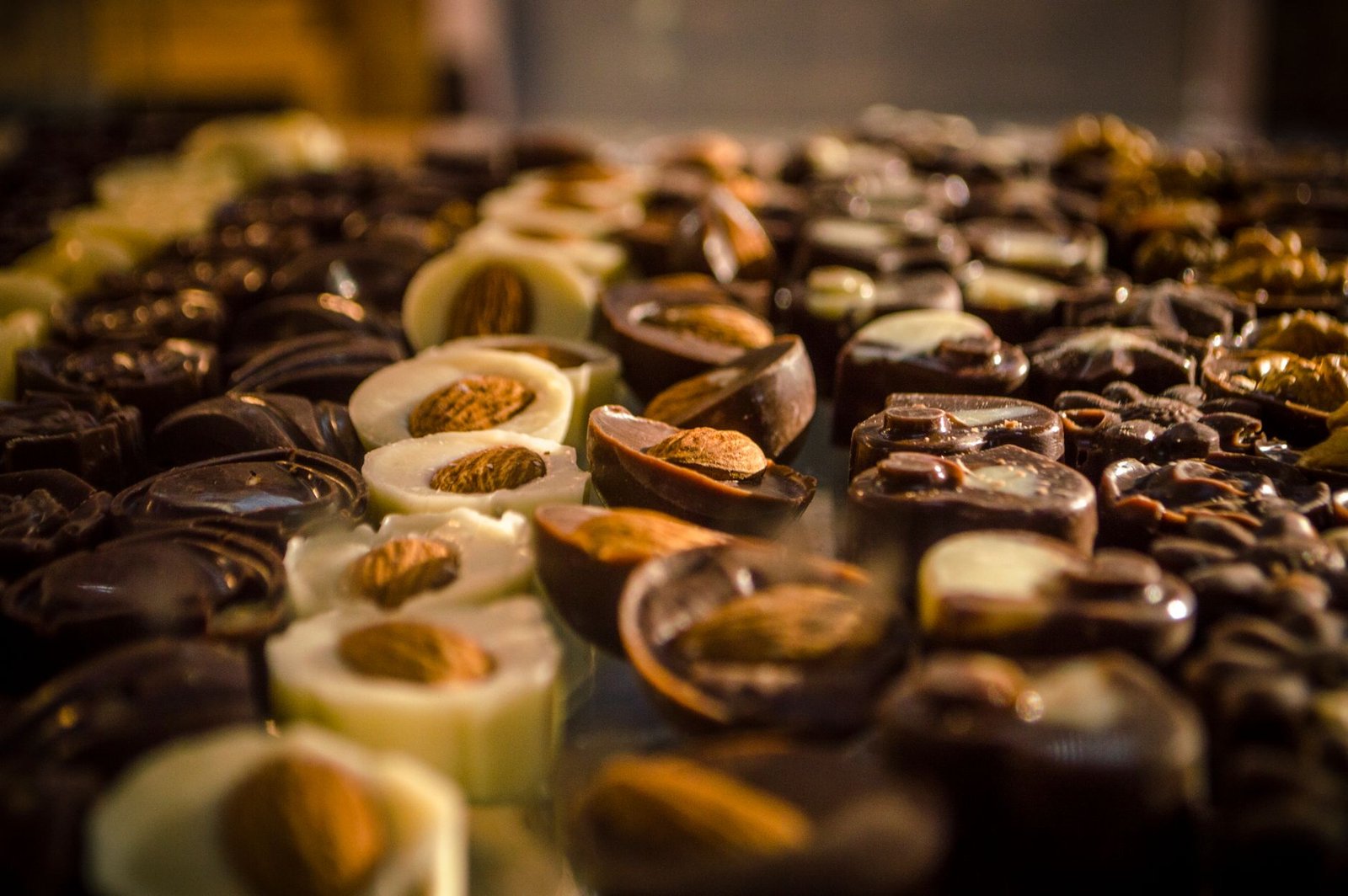
Belgium is where most chocolate pilgrimages begin, and for good reason. The country invented the praline as we know it — a filled chocolate shell — in 1912, when Brussels pharmacist Jean Neuhaus created a confection sturdy enough to package rather than eat immediately. That single innovation launched an industry, and today both Bruges and Brussels offer chocolate experiences that range from deeply authentic to deeply commercial.
In Bruges, the challenge is separating the signal from the noise. The historic center is lined with chocolate shops, but most of them are selling the same moulded tourist pieces at inflated prices. The ones worth your attention are different. The Choco-Story Museum on Wijnzakstraat gives useful historical context for about 12 euros and pairs well with a visit to The Chocolate Line, where Dominique Persoone — a genuinely boundary-pushing chocolatier — creates flavors like wasabi ganache and smoked bacon praline. Book one of his tasting workshops if you can; they fill up weeks in advance.
Brussels rewards slightly more dedicated hunting. Wittamer on the Grand Sablon square has been operating since 1910 and offers elegant, classically made pralines starting around 2 to 3 euros each. Pierre Marcolini, also in Brussels, has become one of the most respected bean-to-bar chocolatiers in Europe — his single-origin bars and bonbons are priced accordingly (expect 25 to 40 euros for a small box) but the quality justifies every cent. Several excellent food tours through GetYourGuide cover the Sablon neighborhood specifically, pairing chocolate stops with Belgian beer and local cheese in a three-hour format that genuinely earns its price tag.
Switzerland: Zurich and the Story Behind Alpine Milk Chocolate
Switzerland did not invent chocolate, but it did invent the milk chocolate bar and the conching process that gives chocolate its silky texture — both developments that changed the entire industry. That history is reason enough to visit, and in 2026 the Lindt Home of Chocolate in Zurich remains the anchor experience of any Swiss chocolate trip.
Located in Kilchberg just outside the city center, the Lindt Home of Chocolate is a proper museum with a genuinely impressive permanent exhibition tracing Swiss chocolate history from the 17th century to the present. Entry costs around 15 Swiss francs and includes a generous tasting portion. The factory shop sells products unavailable outside Switzerland, and the whole experience takes about two hours if you read everything. Take the S-Bahn from Zurich Hauptbahnhof — the journey takes roughly 20 minutes and the museum is a short walk from the Kilchberg station.
For a more artisan angle, Zurich’s Niederdorf quarter has several smaller chocolatiers worth exploring. Confiserie Sprüngli on Paradeplatz is the establishment address — their Luxemburgerli macarons get most of the attention, but their house chocolate truffles are exceptional and the upstairs café is a lovely place to slow down. If you want to understand what separates Swiss chocolate culturally, look for shops that still emphasize alpine milk sourcing and traditional conching times. A good local Viator food tour will make these distinctions clear and save you a lot of aimless walking.
Turin: The Birthplace of Gianduja and Bicerin
Turin is one of the most underrated food cities in Europe, and among chocolate lovers it deserves a much higher profile than it typically gets. This is the city where chocolate-hazelnut paste was born — not from a particular brand, but from a practical wartime adaptation when Piedmontese chocolatiers blended local hazelnuts with cacao to stretch their supplies during Napoleonic trade restrictions. That mixture became gianduja, the template for every chocolate-hazelnut product that followed.
The best way to experience this is at the historic cafés along Via Po and under the covered arcades of the city center. Caffè Al Bicerin, open since 1763, serves the drink that bears its name — a layered combination of espresso, drinking chocolate, and cream that is legally protected as a traditional Turinese product. A bicerin costs around 5 euros and is served in a small glass without stirring. Do not stir it. Let the layers work as they are intended.
For gianduja specifically, Guido Gobino is the producer most serious chocolate travelers seek out. His shop on Via Cagliari sells gianduiotti — the small, wrapped, pillow-shaped chocolates that are the classic form — alongside more contemporary single-origin bars. A tasting box runs about 18 to 25 euros and makes an excellent souvenir that survives a flight home better than most delicate confections.
Paris: Boutique Chocolatiers and the Art of Hot Chocolate
Paris approaches chocolate the way it approaches most things — with a combination of genuine artistry and highly developed theater. The city has produced some of the world’s most celebrated chocolatiers, and a focused afternoon in the Marais or Saint-Germain-des-Prés can cover serious ground without ever feeling rushed.
Patrick Roger has multiple Paris locations and is known for sculptural chocolate work as much as for flavor. His ganaches are intense and his shops feel like contemporary art galleries. Jacques Genin, in the Marais on Rue de Turenne, operates with an almost obsessive focus on quality — his caramels and pâtes de fruits are as celebrated as his chocolate, and the space itself is beautiful, with a small café area where you can order a cup of his drinking chocolate. That hot chocolate, made to order from pure paste, costs around 8 euros and is one of the finest versions in the city.
Angelina on Rue de Rivoli occupies a different category entirely. It is crowded, it is touristy, and the hot chocolate — the famous L’Africain, made from a blend of African cacao — is still completely worth ordering. The richness and the old-world salon atmosphere create an experience that is genuinely Parisian in the way visitors hope Paris will be. Expect to queue on weekends. It moves quickly. Many GetYourGuide chocolate tours in Paris include both artisan and heritage stops, which is a sensible way to hold both worlds in a single morning.
Oaxaca: Where Chocolate Is a Savory Ingredient First
Everything changes when you reach Oaxaca. In Mexico’s chocolate-producing south, cacao is not primarily a sweet ingredient — it is a spice, a sauce base, a drink, and a cultural cornerstone that predates European chocolate-making by centuries. Arriving here with a European chocolate mindset means being prepared to relearn almost everything.
The Mercado 20 de Noviembre and the nearby Mercado Benito Juárez are the places to start. Both have stalls selling freshly ground cacao paste, mixed to order with cinnamon, sugar, and sometimes chili or almonds. You choose the proportions and watch the grinding happen. A portion costs roughly 50 to 80 Mexican pesos and the result is used to make tejate or hot drinking chocolate — thick, grainy in the best way, and nothing like what you buy in a European café.
Mole negro, the complex sauce that anchors much of Oaxacan cooking, uses cacao as one of its 30-plus ingredients. Eating a proper mole negro over turkey or chicken at a family-run restaurant in the city center gives you a visceral understanding of chocolate as depth and bitterness rather than sweetness. Chocolate travel here means cooking classes and market tours rather than boutique shopping — and that is exactly the point. Local food tour operators offer excellent half-day mole and cacao experiences that include mill visits and hands-on preparation.
How to Spot a Real Atelier Versus a Tourist Gift Shop
This question matters more as chocolate tourism grows and producers learn to decorate their storefronts accordingly. A few reliable signals separate genuine craft from marketing.
- Real ateliers have visible production areas or openly discuss their sourcing. Ask where the cacao comes from. A good chocolatier will answer immediately and specifically.
- The selection changes seasonally. If every product is available year-round in identical condition, nothing is being made fresh on-site.
- Staff can describe the flavor profile of what they are selling — not just the ingredients, but the actual taste experience. If they cannot, they are retail workers, not chocolate people.
- Prices reflect actual craft. Genuinely handmade pralines in Belgium start around 2 euros each. If you are buying ten for 8 euros, you are buying factory product with a local label on the box.
- Bean-to-bar producers will have packaging that names the cacao origin, the percentage, and often the harvest year. Generic packaging with vague descriptions is a warning sign.
Taking a guided food tour in any of these cities short-circuits the guesswork entirely. Guides who specialize in chocolate tourism have already done the vetting and can get you into production spaces that are not open to walk-in visitors.
Whether you are planning a dedicated chocolate itinerary or simply building a few serious stops into a broader European or Mexican trip, these cities reward the kind of attention most travelers reserve for wine or coffee. The world of artisan chocolate in 2026 is more accessible, more diverse, and more delicious than it has ever been — and the best way to experience it is with a knowledgeable guide, a genuine curiosity, and a willingness to eat more than feels strictly reasonable. Browse our curated chocolate food tours on FoodTourTrails.com to find guided experiences in every destination on this list, hand-picked for authenticity and run by people who eat chocolate the way other specialists drink wine — with purpose, vocabulary, and real love for the craft.
Book a Food Experience in Top Destinations
Handpicked experiences — book with free cancellation and instant confirmation.
Explore More Food Tours
Guides for the cities in this article:
- Brussels Food Tour Guide (Belgium)
- Turin Food Tour Guide (Italy)
- Oaxaca Food Tour Guide (Mexico)
- Tokyo Food Tour Guide (Japan)
- Zurich Food Tour Guide (Switzerland)
- Tbilisi Food Tour Guide (Georgia)
Frequently Asked Questions
Which city has the most chocolate museums and tours worth visiting in 2026?
Brussels remains the undisputed leader, with over 30 artisan chocolatiers within walking distance of the Grand Place and dedicated institutions like the Choco-Story Museum offering hands-on truffle-making workshops. The city introduced new immersive tasting experiences in 2025 that pair Belgian pralines with local craft beers, making it unmissable for serious enthusiasts. Guided chocolate walks through the Galeries Royales Saint-Hubert are bookable in advance and typically sell out weeks ahead.
Is Zurich or Brussels better for a chocolate-focused weekend trip?
Brussels edges ahead for sheer variety and affordability, offering world-class pralines at a lower price point than Switzerland's luxury market. Zurich, however, wins for premium single-origin and dairy-forward milk chocolate experiences, with Sprüngli's famous Luxemburgerli and factory visits to Lindt's Kilchberg headquarters setting it apart. Your best choice depends on budget and whether you prefer artisan Belgian-style truffles or refined Swiss confectionery tradition.
Are there any underrated cities for chocolate lovers that most tourists overlook?
Oaxaca, Mexico is genuinely underrated, offering ancient mole-based cacao culture alongside modern craft chocolate makers using indigenous heirloom Criollo beans from local markets. The city's traditional stone-ground chocolate milled at Mercado 20 de Noviembre is an experience unavailable almost anywhere else in the world. San Francisco is another sleeper pick, housing more craft bean-to-bar chocolate makers per capita than almost any other American city, including Dandelion Chocolate's landmark Valencia Street factory.
What is the best time of year to visit these cities for chocolate-specific events or festivals?
Bruges hosts its acclaimed Chocolate Festival each October, drawing master chocolatiers from across Europe for live demonstrations and exclusive limited-edition releases. Paris's Salon du Chocolat, typically held in late October or early November, is the world's largest chocolate event and attracts over 180,000 visitors across five days. If visiting Cusco, Peru, the Mistura food festival season in late September showcases extraordinary Amazonian cacao sourced directly from jungle cooperatives.
How much should I budget daily if I want to properly experience the chocolate scene in these cities?
In Brussels or Bruges, a dedicated chocolate day including museum entry, a guided tour, and tastings from five to eight top chocolatiers typically costs between €40 and €70 per person. Zurich runs higher, with premium tasting menus and factory experiences ranging from CHF 60 to CHF 120 depending on exclusivity. In emerging destinations like Medellín or Oaxaca, the same quality of immersive cacao experience often costs under $30 USD, making them exceptional value for adventurous chocolate travelers.