Best Breakfast Cultures Around the World 2026
There is a particular kind of magic that happens in the early morning hours when a culture reveals itself through food. Before the day gets complicated, before the tourist traps open and the crowds arrive, breakfast tells you everything you need to know about a place — how people connect, what they value, how they measure a good start. Some cultures treat the morning meal as a slow ceremony, a two-hour table of abundance designed for conversation. Others have perfected the art of the quick, brilliant bite eaten standing at a street cart. In 2026, travelers are increasingly building entire itineraries around the first meal of the day, and honestly, there has never been a better reason to set an early alarm.
The Turkish Kahvaltı: Breakfast as a Philosophy
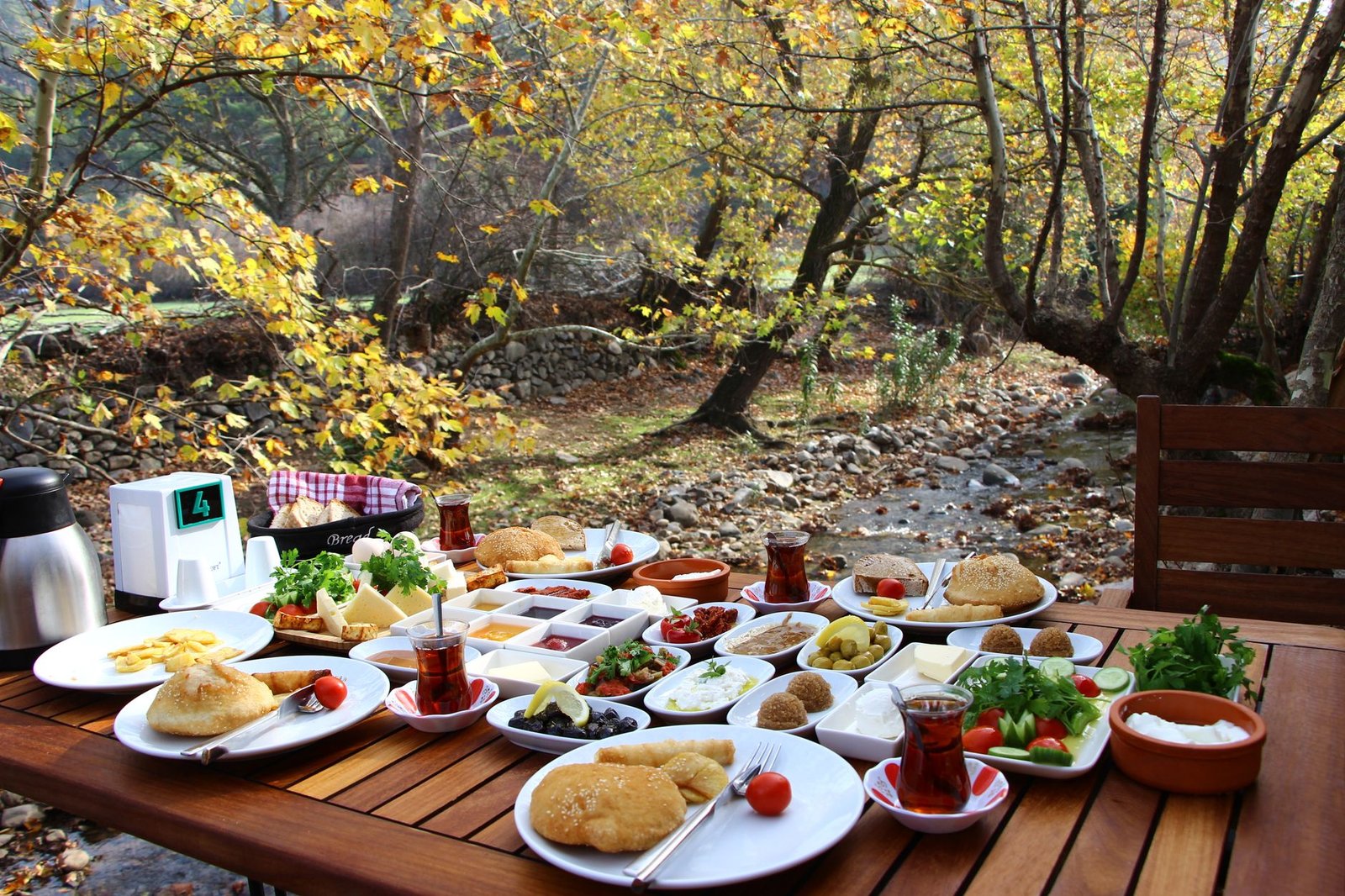
If you have never sat down to a proper Turkish kahvaltı, you have never truly understood what a morning table can be. The word itself comes from combining “before” and “coffee,” which tells you something about how seriously the Turks take the ritual. What arrives at the table is not so much a meal as an event: small dishes of white cheese, kaşar cheese, black and green olives, honeycomb dripping over thick clotted cream, sliced tomatoes, cucumbers, soft-boiled eggs, sucuk (spiced sausage), and the ring-shaped sesame bread known as simit. And then the tea. Always more tea, poured from a double-stacked çaydanlık into tulip-shaped glasses that refill before you even notice they are empty.
In Istanbul, the Kadıköy neighborhood on the Asian side is one of the best places to experience an authentic spread without paying inflated tourist prices. A full kahvaltı for two typically runs between 250 and 400 Turkish lira depending on the restaurant, which in 2026 remains remarkable value. Van kahvaltısı, a regional style from eastern Turkey that includes herb cheese and local honeys, has also become popular in Istanbul cafes. Look for spots around Moda and Çarşamba market streets. For those who want context with their cheese, Viator and GetYourGuide both list morning food walks in Istanbul that include a guided kahvaltı stop alongside a visit to the spice bazaar — a genuinely excellent way to spend a first morning in the city.
The Full English and Full Irish: A Fry-Up Worth the Argument
Few breakfasts inspire as much passionate debate as the full cooked breakfast of the British Isles. The full English includes back bacon, fried or scrambled eggs, grilled tomatoes, mushrooms, baked beans, toast, and the polarizing black pudding — a blood sausage that divides opinion as reliably as it fills plates. Cross the Irish Sea and the Full Irish swaps beans for white pudding and often adds soda bread alongside the batch loaf. Ask anyone from either country whether beans belong on the plate and prepare to spend the next twenty minutes not talking about anything else.
The best versions are found not in hotel dining rooms but in proper caff culture. In London, E. Pellicci in Bethnal Green has been serving legendary fry-ups since 1900 and is a Grade II listed building. In Dublin, Grogans Castle Lounge does a quietly excellent Irish breakfast, and the Liberties neighborhood has a number of working-class cafés where locals eat without any interest in being photographed. Prices in both cities hover around £8 to £12 for a full plate. What makes this breakfast culturally significant is not the food alone but the pace — a proper fry-up is eaten slowly, with a pot of tea or a strong coffee, ideally while reading a newspaper or having a conversation that wanders pleasantly nowhere.
Japanese Teishoku: Precision and Calm Before the Day
The Japanese set breakfast, or 朝食 teishoku, operates on an entirely different logic. Where the Turkish spread invites you to linger and graze, the Japanese breakfast offers completeness in careful portions: a piece of grilled fish, usually saba (mackerel) or salmon, a bowl of steamed white rice, a bowl of miso soup with tofu and wakame, a small dish of pickled vegetables (tsukemono), and perhaps a soft-boiled egg or a square of rolled tamago. Every element has a purpose, every flavor contrasts with the next, and the whole thing can be consumed in twenty minutes while leaving you feeling genuinely nourished rather than full.
In Kyoto, a traditional ryokan breakfast is the gold standard experience, though it carries a price tag to match the accommodation. For a more accessible version, kissaten (old-school Japanese coffee shops) in cities like Tokyo and Osaka often serve a morning set called the morning service (モーニング) — toast, a soft-boiled egg, and a small salad for the price of a coffee, roughly 500 to 800 yen. Nagoya actually has one of Japan’s most famous morning cultures and disproportionately generous kissaten sets. GetYourGuide lists several Tsukiji market breakfast tours in Tokyo that combine fresh sushi and traditional morning foods — one of the better food tour investments you can make in Japan.
Israel, Mexico, and Vietnam: Three Countries That Breakfast Boldly
Israel: The Spread as Gathering
Israeli breakfast culture borrowed heavily from Levantine and Ottoman traditions and then made the whole thing louder and more abundant. The classic hotel breakfast in Tel Aviv or Jerusalem is almost overwhelming in its generosity: labneh drizzled with olive oil and za’atar, hummus, Israeli salad finely chopped, smoked fish, fresh bread, hard-boiled eggs, and shakshuka — eggs poached directly in a spiced tomato and pepper sauce — served in the pan. At restaurants like Dr. Shakshuka in Tel Aviv’s Jaffa neighborhood, a full breakfast for two costs around 120 to 180 shekels and is one of the most satisfying morning meals anywhere in the region. The social dimension matters here; Israeli breakfast is genuinely communal, meant for talking.
Mexico: Fire and Comfort on the Same Plate
Mexican breakfast culture is underrated by travelers who associate the country primarily with tacos and mezcal. Chilaquiles — corn tortillas simmered in red or green salsa until just soft, topped with crema, cheese, onion, and an egg — are one of the great breakfast dishes of the world, a clever use of yesterday’s tortillas transformed into something deeply satisfying. Huevos rancheros, eggs on a fried tortilla with ranchero sauce and beans, run a close second. In Mexico City, the Roma and Condesa neighborhoods have excellent breakfast spots, and a full meal rarely exceeds 120 pesos. Morning food tours through markets like Mercado de Medellín give visitors access to the kind of breakfast stands that locals actually use.
Vietnam: Pho Before Nine Is a Different Experience
In Vietnam, pho is breakfast. The bone broth has often been simmering overnight, and the best bowls are served in the early hours before the broth has been diluted by a full day of service. In Hanoi, pho is leaner and more austere than the southern Ho Chi Minh City style, which arrives with a forest of herbs, bean sprouts, and hoisin on the side. A bowl costs between 40,000 and 70,000 Vietnamese dong in a local shop — roughly two to three US dollars — and eating it on a tiny plastic stool at seven in the morning while the city wakes up around you is one of travel’s genuinely perfect experiences. Food tour operators in Hanoi’s Old Quarter regularly include early morning pho stops as part of walking tours that begin at dawn precisely to catch the best bowls.
Cities Worth Building Your Morning Around
Some cities are simply better at breakfast than others, and part of planning a food-focused trip in 2026 is knowing which mornings are worth waking up for.
- Istanbul — For the kahvaltı ritual and tea culture; plan for at least two hours at the table
- Kyoto — For ryokan breakfasts and pristine teishoku sets in century-old kissaten
- Tel Aviv — For Levantine abundance and the social theater of a long Israeli breakfast
- Mexico City — For chilaquiles, tamales, and atole from market stalls that open at six
- Hanoi — For pho, bánh mì, and bún chả eaten at street level as the city accelerates
- London — For the full English done properly in a neighborhood caff with a pot of builder’s tea
- Naples — Worth honorable mention for espresso and cornetto culture that is fast, perfect, and deeply satisfying
Practical Tips for the Breakfast Traveler
Chasing great breakfasts requires a slightly different approach than standard food tourism. Eat where the workers eat, not where the menus have photographs. Arrive early — the best pho and the freshest kahvaltı both reward the early riser. Learn the local ordering rhythm before you sit down, whether that means knowing to ask for more tea rather than waiting or understanding that in Japan you pay at the counter on your way out. Research food tours on Viator and GetYourGuide before you travel since many of the best morning experiences are guided walks that begin at sunrise and include tastings at three or four stops for a reasonable group price, usually between 30 and 75 US dollars depending on the city. Finally, resist the instinct to photograph every plate before eating it. The best breakfast cultures reward presence over content creation.
Breakfast, at its best, is a reason to travel rather than simply a way to start the day. Whether you are nursing your fourth glass of Turkish tea while the olives disappear slowly from their dish, or crouching over a bowl of Hanoi pho as motorbikes thread past your elbow, or watching a London caff fill up with builders and nurses and market traders ordering their usual without needing to look at a menu — these are the moments that make a trip memorable long after the afternoon sights have blurred together. Start planning your morning itinerary now, and explore our destination guides and curated food tour recommendations at FoodTourTrails.com to find the breakfast experience that belongs on your 2026 travel list.
Book a Food Experience in Top Destinations
Handpicked experiences — book with free cancellation and instant confirmation.
Explore More Food Tours
Guides for the cities in this article:
- Tokyo Food Tour Guide (Japan)
- Kyoto Food Tour Guide (Japan)
- Tel Aviv Food Tour Guide (Israel)
- Istanbul Food Tour Guide (Turkey)
- Nagoya Food Tour Guide (Japan)
- Jerusalem Food Tour Guide (Israel)
Frequently Asked Questions
Which country is considered to have the best breakfast culture in the world?
Japan consistently ranks among the top breakfast cultures, offering a traditional spread of miso soup, steamed rice, grilled fish, pickled vegetables, and tamagoyaki egg. Turkey is another fierce contender, with its legendary 'kahvaltı' featuring dozens of small dishes including olives, cheeses, tomatoes, cucumbers, and freshly baked bread. Both cultures treat breakfast as a serious, unhurried communal ritual rather than a rushed meal.
What should I expect to eat at a traditional full English breakfast in 2026?
A classic full English breakfast includes back bacon, fried or scrambled eggs, grilled tomatoes, sautéed mushrooms, baked beans, black pudding, and toast with butter. Many modern British cafés now offer elevated versions using locally sourced, free-range ingredients, and plant-based 'full English' alternatives have become widely available. Budget around £12–£18 at a mid-range café in London for the full experience.
Is it expensive to experience authentic local breakfasts while traveling?
Eating local breakfasts is actually one of the most affordable dining experiences in most countries — a street-side 'ful medames' bean breakfast in Egypt costs under $2, while a Vietnamese 'bánh mì' or 'phở' breakfast rarely exceeds $3. Even sit-down traditional breakfasts in countries like Mexico or India typically cost between $3–$8 at local establishments. Avoiding hotel buffets and eating where locals do will save money and deliver a far more authentic experience.
What are the best cities in the world to specifically visit for their breakfast food scene?
Istanbul, Turkey is widely regarded as a pilgrimage destination for breakfast lovers, with the Karaköy and Cihangir neighborhoods offering spectacular spread-style breakfasts. Mexico City has gained huge recognition for its morning street food culture, including tamales, chilaquiles, and fresh juices. Tel Aviv is also a must-visit, where the Israeli breakfast tradition of hummus, shakshuka, fresh salads, and warm breads rivals any other city on earth.
Are there any dietary restrictions I should know about before trying traditional breakfasts abroad?
Many traditional breakfasts are naturally meat-heavy — British, German, and American styles prominently feature pork products, so Muslim and Jewish travelers should confirm ingredients in advance. In contrast, South Indian breakfasts like idli, dosa, and sambar are entirely plant-based and safe for vegans and vegetarians. Travelers with gluten sensitivities should be cautious in countries like France, Turkey, and Germany where freshly baked bread is central to the breakfast culture, though gluten-free alternatives are increasingly available in major tourist cities.