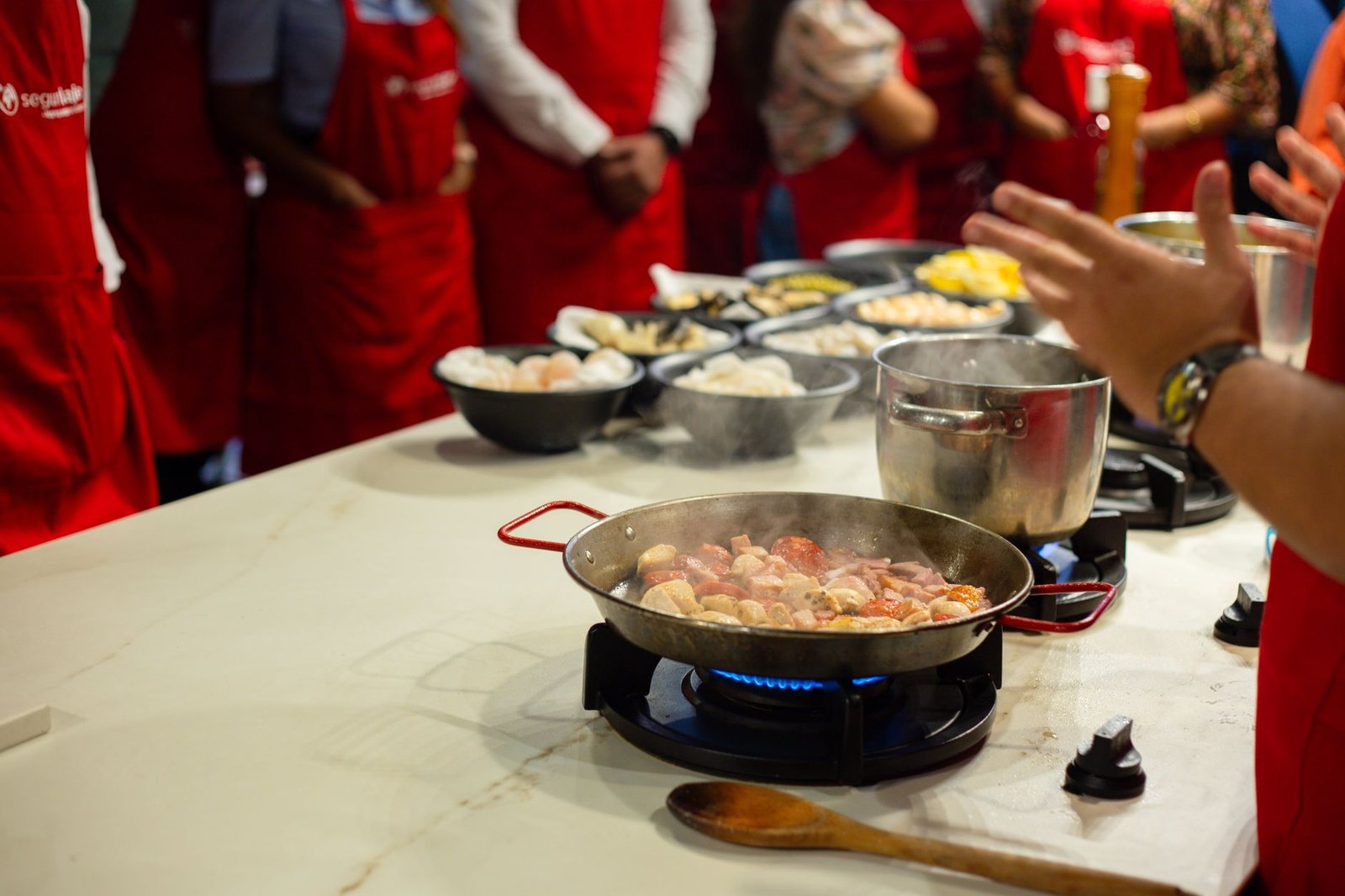
Cooking Classes in Marrakech: Tagines, Couscous & More
There is a moment, somewhere between the chaos of the Djemaa el-Fna and the narrow alleys of the medina, when Marrakech stops feeling like a place you are visiting and starts feeling like a place that is happening to you. For many travelers, that moment arrives in a kitchen — the smell of cumin hitting a hot pan, a clay tagine lid lifted to reveal something extraordinary, and the realization that you are not just watching Moroccan food culture, you are actually inside it. A cooking class in Marrakech is one of those rare travel experiences that genuinely delivers on its promise. It is hands-on, delicious, deeply cultural, and — if you pick the right school — one of the best half-days you will spend anywhere in North Africa.
Why Marrakech Is the Perfect City to Learn Moroccan Cooking
Moroccan cuisine is one of the great underappreciated food traditions of the world. Built on centuries of Berber, Arab, Andalusian, and sub-Saharan African influences, it is complex without being fussy, aromatic without being overwhelming, and deeply tied to community and ritual in ways that make it fascinating to learn properly. Marrakech sits at the heart of this tradition. The city’s souks are among the best spice markets in the world. Its riads — those gorgeous courtyard mansions hidden behind plain medina walls — provide the perfect intimate setting for small-group cooking classes. And the local instructors, many of them home cooks who grew up watching grandmothers roll couscous by hand, bring an authenticity that you simply cannot replicate anywhere else.
The classic Marrakech cooking class experience follows a beautiful rhythm: you start at the souk, shopping for that day’s ingredients, then move to the kitchen to cook, then sit down together and eat everything you made. It sounds simple. It is genuinely transformative.
Visiting the Souks First: Where the Real Education Begins
Before you touch a pan, you need to understand the spice shelf, and in Marrakech, that means the souks. Most good cooking schools include a guided market visit as part of the class, and this is not just a tourist walk-through — it is a hands-on lesson in ingredient sourcing that will change how you think about Moroccan food forever.
The Mellah neighborhood, Marrakech’s historic Jewish quarter, is home to some of the best spice stalls in the city. Here you will find vendors selling directly from open sacks, and the difference between buying saffron this way versus picking up a generic supermarket packet back home is almost impossible to overstate. Your instructor will typically guide you through the key players:
- Cumin — ground fresh and used in nearly everything, with a warmth that pre-ground supermarket cumin cannot match
- Ras el hanout — the signature Moroccan spice blend, sometimes containing 30 or more ingredients, and every vendor has their own version
- Saffron — Morocco is one of the world’s top producers, and you can buy genuine saffron here at a fraction of the price you would pay elsewhere
- Preserved lemons and olives — picked up fresh from market stalls and used the same day
This souk visit is not just practical. It teaches you why Moroccan food tastes the way it does. When you understand the ingredients from the source, the recipes make intuitive sense in a way that following a cookbook at home never quite achieves.
The Best Cooking Schools in Marrakech
Choosing the right cooking school matters. The city has a range of options, from polished culinary institutions to genuine home-kitchen experiences, and the right choice depends on what kind of traveler you are.
La Maison Arabe
This is the grand dame of Marrakech cooking schools, housed in one of the city’s most famous riads. La Maison Arabe has been running cooking classes for years, and the setting alone is worth the price — a stunning traditional courtyard with hand-painted tiles and the kind of atmosphere that makes you feel like you have stepped back several centuries. Classes focus on tagine and couscous, the twin pillars of Moroccan home cooking, and the instruction is polished and professional. Expect to pay around €65 per person. It is not the cheapest option, but the experience is immaculate, and it is an excellent choice if you want something that feels both authentic and beautifully presented.
Souk Cuisine
If you want the top-rated, most consistently praised cooking school experience in Marrakech, Souk Cuisine is where most serious food travelers end up. Classes are kept deliberately small — typically no more than eight people — and are held on a gorgeous riad rooftop that feels like a private Marrakech secret. The market visit is included in the price, led by founder Gemma, who has an encyclopedic knowledge of the medina’s best suppliers. At around €50 per person, it is excellent value. Souk Cuisine appears regularly on Viator and GetYourGuide with consistently high review scores, making it easy to book in advance — which you should do, because spots fill up weeks ahead during peak season.
Cooking with Touda
For the most authentic experience available, seek out Cooking with Touda. This is not a culinary school in any formal sense — it is a home kitchen, and Touda is a local woman who teaches you to cook the way Moroccan families actually cook. No glossy handouts, no professional kitchen equipment, just real ingredients, real technique, and a genuinely warm and personal teaching style. If you want to understand Moroccan food culture rather than simply learn a few recipes, this is your place. Prices are at the lower end of the Marrakech cooking class range, and the experience is unlike anything you will find in a more polished setting.
What You Will Actually Learn to Cook
Most Marrakech cooking classes cover the same core repertoire, because these dishes represent the true heart of the cuisine. Here is what to expect:
- Tagine — the signature Moroccan slow-cooked stew, made in a conical clay pot designed to circulate steam and keep everything impossibly tender. The key lesson here is patience: tagine is cooked on low heat for a long time, and understanding why makes you a better cook in general
- Couscous, hand-rolled — this will genuinely surprise you. Real Moroccan couscous is not the quick-cook version you pour boiling water over. It is steamed multiple times over a couscoussier, fluffed by hand between each steam, and the texture difference compared to the box version is enormous
- Harira soup — a deeply satisfying tomato, lentil, and chickpea soup traditionally broken during Ramadan, but eaten year-round and completely worth learning
- Bastilla — one of the most extraordinary dishes in Moroccan cuisine, a flaky warqa pastry filled traditionally with pigeon (chicken in many tourist-friendly versions), almonds, eggs, and spices, then dusted with cinnamon and sugar. The sweet-savory combination sounds strange and tastes magnificent
Vegetarians and vegans are well catered for at most schools. Tagines can be made entirely with vegetables, couscous dishes adapt beautifully to plant-based versions, and most instructors are experienced at adjusting menus for dietary requirements — just mention it when you book.
Practical Tips: Booking, Budget, and Timing
Budget between €40 and €80 per person for a half-day class including the market visit and lunch. This is genuinely good value for what you receive — you are paying for instruction, ingredients, a guide through the souks, and a full meal. Most classes run in the morning, starting around 9am or 10am, and finishing with lunch at around 1pm or 2pm. Some schools also offer afternoon sessions.
Book in advance. This cannot be stressed enough. The best schools — particularly Souk Cuisine — regularly sell out weeks ahead, especially during spring and autumn. Both Viator and GetYourGuide list the major Marrakech cooking schools with verified reviews and secure booking, which makes them a practical choice if you are organizing your trip from abroad. You can also often book directly through school websites, sometimes at a slight discount.
On timing: Marrakech is best visited in spring (March to May) or autumn (September to November). The medina in July or August is brutally hot — temperatures regularly exceed 40°C — and spending a morning in a kitchen cooking over open flames in that heat is not an experience anyone enjoys. Plan accordingly, and you will have a much better time.
Wear comfortable, breathable clothing and shoes suitable for walking through uneven souk alleys. Bring a small bag for any spices or ingredients you want to purchase for home. And leave your phone in your pocket as much as possible during the market walk — you will absorb far more if you are actually present.
Making the Most of Your Marrakech Food Experience
A cooking class pairs beautifully with a dedicated food tour of the medina, and if you have the time, doing both is the ideal approach. Evening food tours of Djemaa el-Fna — where the square transforms into the world’s most dramatic outdoor food market after dark — are listed on both Viator and GetYourGuide and complement a daytime cooking class perfectly. Together, they give you a full-spectrum understanding of Marrakech’s food culture: the home cooking tradition in the morning, the street food spectacle in the evening.
Consider also visiting a traditional hammam the evening after your cooking class. The combination of a morning spent learning to cook and an evening in the steam baths is, frankly, one of the great ways to spend a day in any city on earth.
A cooking class in Marrakech is not just a nice activity to tick off a travel itinerary — it is the kind of experience that actually changes how you cook when you get home. You will buy better spices. You will slow down with a tagine instead of rushing a stir-fry. You will, at some point, attempt to roll your own couscous, and you will think of whoever taught you in a riad kitchen somewhere in the medina. If you are ready to book your Marrakech culinary adventure, browse the top-rated cooking classes on Viator or GetYourGuide to find your perfect morning in the kitchen — your best meal in Morocco might just be the one you make yourself.
Book a Food Experience in Top Destinations
Handpicked experiences — book with free cancellation and instant confirmation.
Explore More Food Tours
Guides for the cities in this article:
- Florence Food Tour Guide (Italy)
- Bologna Food Tour Guide (Italy)
- Paris Food Tour Guide (France)
- Bangkok Food Tour Guide (Thailand)
- Marrakech Food Tour Guide (Morocco)
Frequently Asked Questions
Do I need any cooking experience to join a Marrakech cooking class?
No prior cooking experience is necessary — most classes in Marrakech are designed for complete beginners and seasoned home cooks alike. Instructors walk you through every step, from selecting spices in the souks to plating the final dish. It's more about the cultural experience than culinary skill level.
Does the class include a visit to a local market to buy ingredients?
Many of the best cooking classes in Marrakech start with a guided tour of the Mellah spice market or Jemaa el-Fna food stalls to source fresh ingredients. This hands-on shopping experience teaches you how to identify key spices like ras el hanout, preserved lemons, and saffron. It's often considered the highlight of the entire class by past participants.
How long do cooking classes in Marrakech typically last?
Most half-day cooking classes run between 3 to 4 hours, including the market visit, cooking session, and sitting down to eat everything you've prepared. Full-day immersive experiences can stretch to 6–7 hours and cover a wider menu including salads, tagine, couscous, and pastilla. Budget your afternoon accordingly, as the shared meal at the end is an unhurried, social affair.
What dishes will I actually learn to cook in a typical class?
A standard class covers a chicken or lamb tagine, Moroccan couscous with seven vegetables, and at least one or two cold salads such as zaalouk (roasted eggplant) or taktouka (tomato and pepper). Many classes also teach you to make harira soup, bastilla (the flaky pigeon or chicken pie), and traditional mint tea. Some premium classes include Moroccan pastry-making like chebakia or m'hanncha almond snake cake.
How much should I expect to pay for a cooking class in Marrakech?
Prices range from around 300–450 MAD ($30–$45 USD) for a basic riad-based class up to 700–900 MAD ($70–$90 USD) for premium experiences that include a market tour, multiple courses, and wine or juice pairings. Classes run by certified chefs or affiliated with well-known riads like La Maison Arabe tend to sit at the higher end. Always confirm whether the market visit, all ingredients, and the shared meal are included in the quoted price.