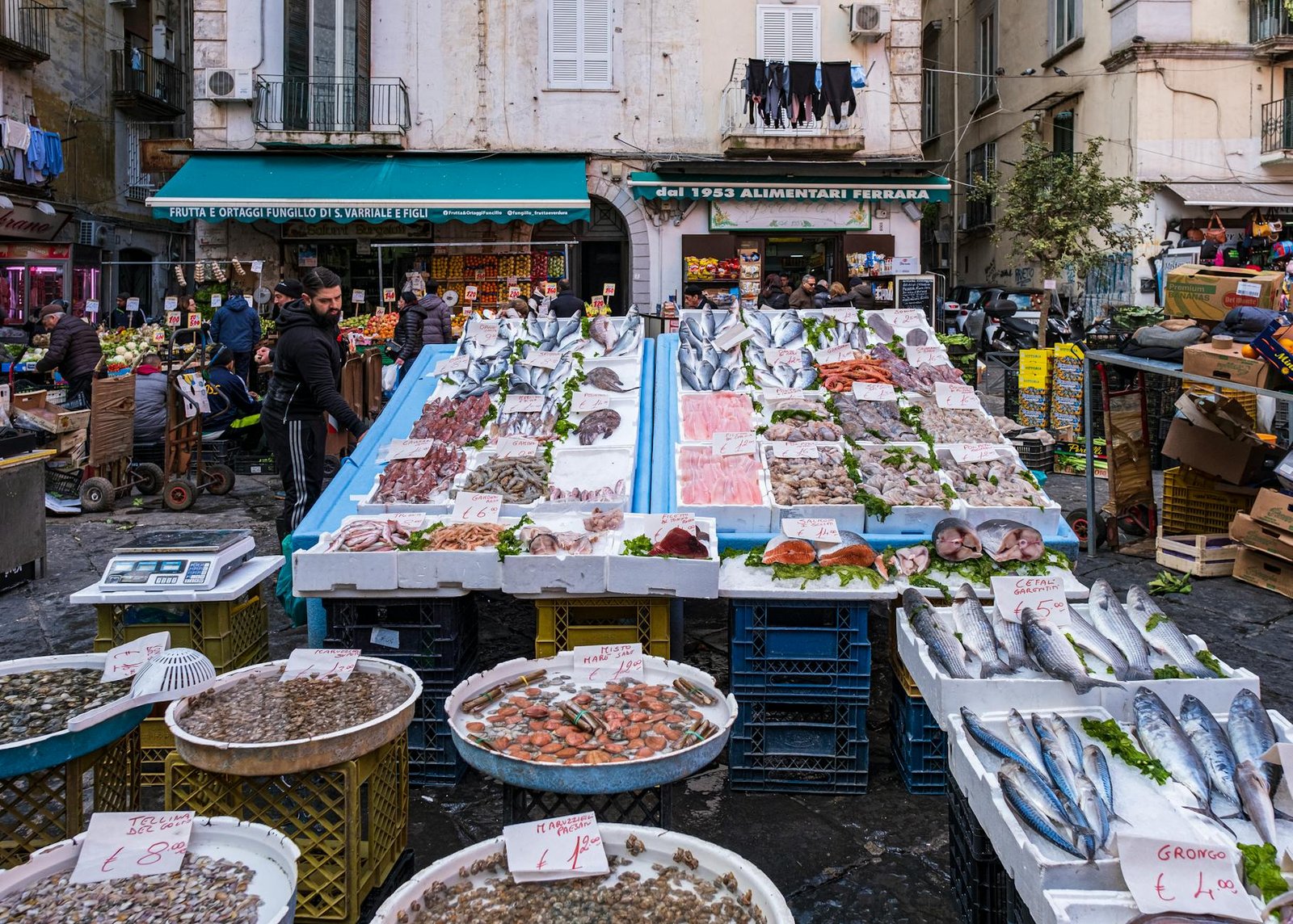
Naples Food Tour – Best Local Food & Restaurants
Naples, Italy: The Ultimate Food Guide for Hungry Travelers
Naples is not just a city — it is an argument. A loud, passionate, smoke-stained argument that it makes the best food on earth, and one that is almost impossible to win against. Wedged between the volcanic slopes of Mount Vesuvius and the glittering Tyrrhenian Sea, this chaotic southern Italian metropolis has been feeding the world’s imagination for centuries. From the alleyways of the Quartieri Spagnoli to the sunlit waterfront of Santa Lucia, every corner of Naples smells like something worth stopping for. This is the city that invented pizza as we know it, that turned humble street food into high art, and that treats a proper Sunday lunch as something close to a religious experience. And honestly? The reputation is earned.
The History of Neapolitan Food Culture
To understand why Neapolitan food tastes the way it does, you need to understand what Naples has survived. Greeks, Romans, Normans, French Angevins, Spanish Aragonese, the Bourbon dynasty — more than two and a half thousand years of conquest, each wave leaving fingerprints on the local kitchen. The Greeks brought viticulture and olive cultivation. The Spanish introduced tomatoes and peppers from the New World in the 16th century. The French Bourbon court of the 18th century turned certain dishes into elaborate statements of political power, the kind of food that’s meant to intimidate guests rather than feed them.
But the most defining force in Neapolitan food culture has never been royalty — it has been poverty. Naples was one of the most densely populated cities in Europe for much of its history, and its working-class population, the lazzari, developed an extraordinary genius for making cheap ingredients taste extraordinary. Dried pasta, tomatoes, canned fish, leftover bread, offal, wild herbs from the countryside — this was the raw material. The concept of cucina povera — the cooking of the poor — is nowhere more brilliantly, more defiantly expressed than here.

The arrival of the tomato changed everything. Initially treated with deep suspicion across Europe as a potentially poisonous ornamental plant, the tomato was embraced with unusual enthusiasm by Neapolitans. They figured out quickly that the San Marzano variety — grown in the rich volcanic soil beneath Vesuvius — produced something with extraordinary sweetness, low acidity, and a dense, meaty texture. By the 18th century, tomato-based sauces had become central to the Neapolitan table. By the 19th century, that sauce combined with local buffalo mozzarella and flatbread baked in a wood-fired oven had crystallized into something the world would come to know as pizza Napoletana.
Today, Neapolitan food culture is protected with fierce civic pride. The Associazione Verace Pizza Napoletana has codified the rules of authentic Neapolitan pizza into a document of almost constitutional seriousness. The ragù Napoletano recipe gets passed down through generations of grandmothers who guard their specific proportions with something approaching territorial aggression. Eating in Naples is never just about nutrition — it is always about identity, memory, and belonging.
Must-Try Foods in Naples
1. Pizza Napoletana
No food in the world is more associated with a single city than Neapolitan pizza, and nothing fully prepares you for eating the real thing for the first time. The crust — charred at the edges from a 900-degree wood-fired oven, soft and almost floppy at the center — comes from a 72-hour cold fermentation process that gives the dough a complex, slightly tangy flavor unlike any pizza you’ve eaten before. The Margherita, topped with crushed San Marzano tomatoes, fresh fior di latte or buffalo mozzarella, basil, and a thread of extra virgin olive oil, is the purist’s choice. Simple to the point of being almost offensive, and then you taste it. The Marinara — tomatoes, garlic, oregano, olive oil, no cheese at all — is older, cheaper, and arguably more interesting. For the full experience, head to one of the historic pizzerias in the city center and eat immediately at the counter, the way locals do, folding it in half like a book — a technique called a libretto. Don’t sit down. Don’t wait. Eat it while it’s hot.
2. Ragù Napoletano
This is not a quick weeknight bolognese. Ragù Napoletano is a Sunday ritual that begins on Saturday night and requires the kind of patience that has largely disappeared from modern life. Large cuts of beef, pork ribs, Neapolitan sausages, and sometimes meatballs are browned separately, then combined with a mountain of slowly caramelized onions and a near-violent quantity of San Marzano tomatoes. The whole thing simmers over the lowest possible heat for at minimum four hours — ideally six to eight — until the fat rises in golden pools on the surface and the meat surrenders at the touch of a fork. The resulting sauce, deep mahogany in color and intensely savory, goes first over pasta — traditionally rigatoni or ziti broken by hand — before the meat is served as a separate second course. Finding a genuine homestyle version in a restaurant takes some local knowledge. Trattorias in the Sanità neighborhood serve it with quiet confidence on Sundays throughout the year. Go on a Sunday. Go hungry.
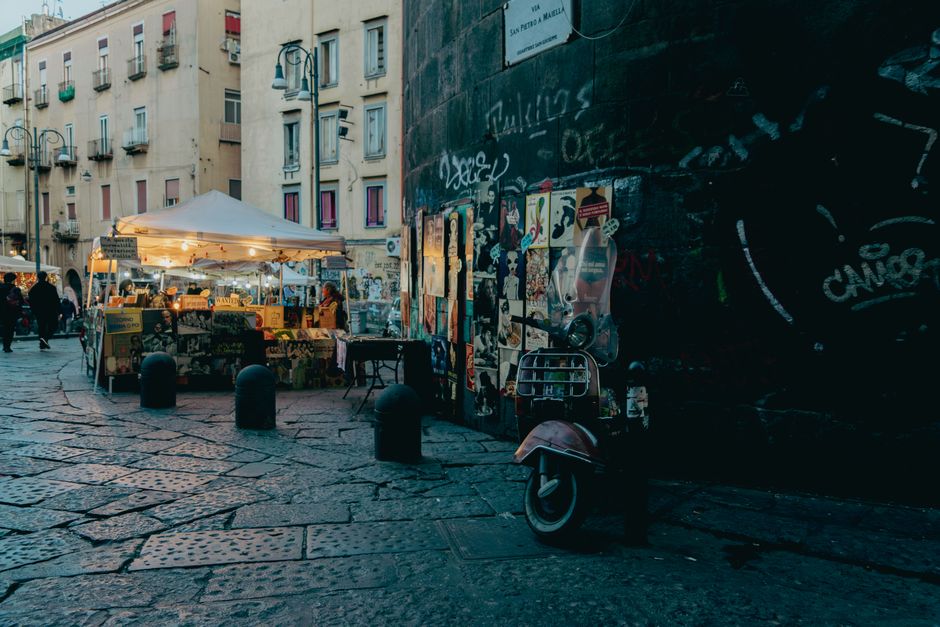
3. Sfogliatella
Every morning in Naples begins the same way: the smell of sfogliatelle baking in pastry shops that have been open since before dawn. This extraordinary pastry comes in two styles — riccia and frolla — and both deserve your full attention. The riccia is the more spectacular: a layered, shell-shaped construction of paper-thin pastry sheets that shatter dramatically when you bite through them, revealing a filling of sweetened ricotta, semolina, candied orange peel, and cinnamon. The frolla is gentler, encased in crumbly shortcrust, softer and more forgiving but no less good. The pastry originated in a convent in the Amalfi hinterland in the 17th century and migrated to Naples with a pastry chef named Pasquale Pintauro in 1818, whose shop on Via Toledo still operates today. Eat them fresh and hot — once they cool, they become something entirely lesser, and you’ll be annoyed at yourself for waiting.
4. Cuoppo di Frittura
Naples has one of the great street-frying traditions in the world, and the cuoppo — a paper cone packed with an assortment of hot fried food — is its purest expression. The contents vary by vendor and season, but expect some combination of montanarine (small discs of fried pizza dough topped with tomato sauce and cheese), frittatine di pasta (fried pasta cakes bound with béchamel and studded with peas and ham), crocchè di patate (potato croquettes flavored with smoked provola and parsley), fried zucchini, fried anchovies, fried baccalà, and small rice balls. The frying here achieves a particular lightness and crunch that seems almost impossible given the volume of oil involved — a technique developed over centuries on the friggitorie that line the narrow streets of the historic center. Where to find the best cuoppo in the city is a subject of heated local debate, which is part of the fun. Via dei Tribunali and the Quartieri Spagnoli are reliable places to start arguing.
5. Spaghetti alle Vongole
The Bay of Naples produces some of the finest shellfish in the Mediterranean, and no dish showcases this better than spaghetti alle vongole — spaghetti with clams. The Neapolitan version is a study in restraint and technique: fresh clams, still carrying the taste of the sea, are steamed open in white wine with garlic and a suggestion of chili, and the resulting briny, intensely flavored cooking liquid is emuls
Book a Food Tour in Naples
Join a small-group food tour and taste the best of Naples with a local guide. Skip the tourist traps — discover the hidden spots only locals know.



Book a Food Experience in Top Destinations
Handpicked experiences — book with free cancellation and instant confirmation.
Explore More Food Tours
More food guides from Italy:

You might also enjoy:
- Bilbao Food Tour Guide (Spain)
- Bordeaux Food Tour Guide (France)
Frequently Asked Questions
How much does a food tour in Naples cost?
Food tours in Naples typically range from €25 to €80 per person for a guided group tour. Private tours and premium culinary experiences can cost more, while self-guided food walks are often free or low-cost.
How long do food tours in Naples last?
Most guided food tours in Naples last between 2 and 4 hours and include multiple tasting stops. Walking food tours tend to run around 3 hours, while sit-down dining experiences may last longer.
What local dishes should I try on a Naples food tour?
A food tour in Naples is the best way to discover authentic local specialties. Your guide will take you to street food markets, traditional restaurants, and neighbourhood gems that locals love — dishes you would never find on your own.
What is the best area for street food in Naples?
The best areas for street food and local cuisine in Naples are usually found in the old town, central food markets, and traditional neighbourhoods away from the main tourist hotspots. A local food guide will show you exactly where to go.
Are food tours in Naples suitable for people with dietary restrictions?
Most food tour operators in Naples can accommodate vegetarian, vegan, halal, and gluten-free diets with advance notice. Always inform your guide of any dietary requirements when booking so they can plan the best route for you.