Penang Food Tour – Best Local Food & Restaurants
Penang, Malaysia: The Ultimate Food Guide for Hungry Travelers
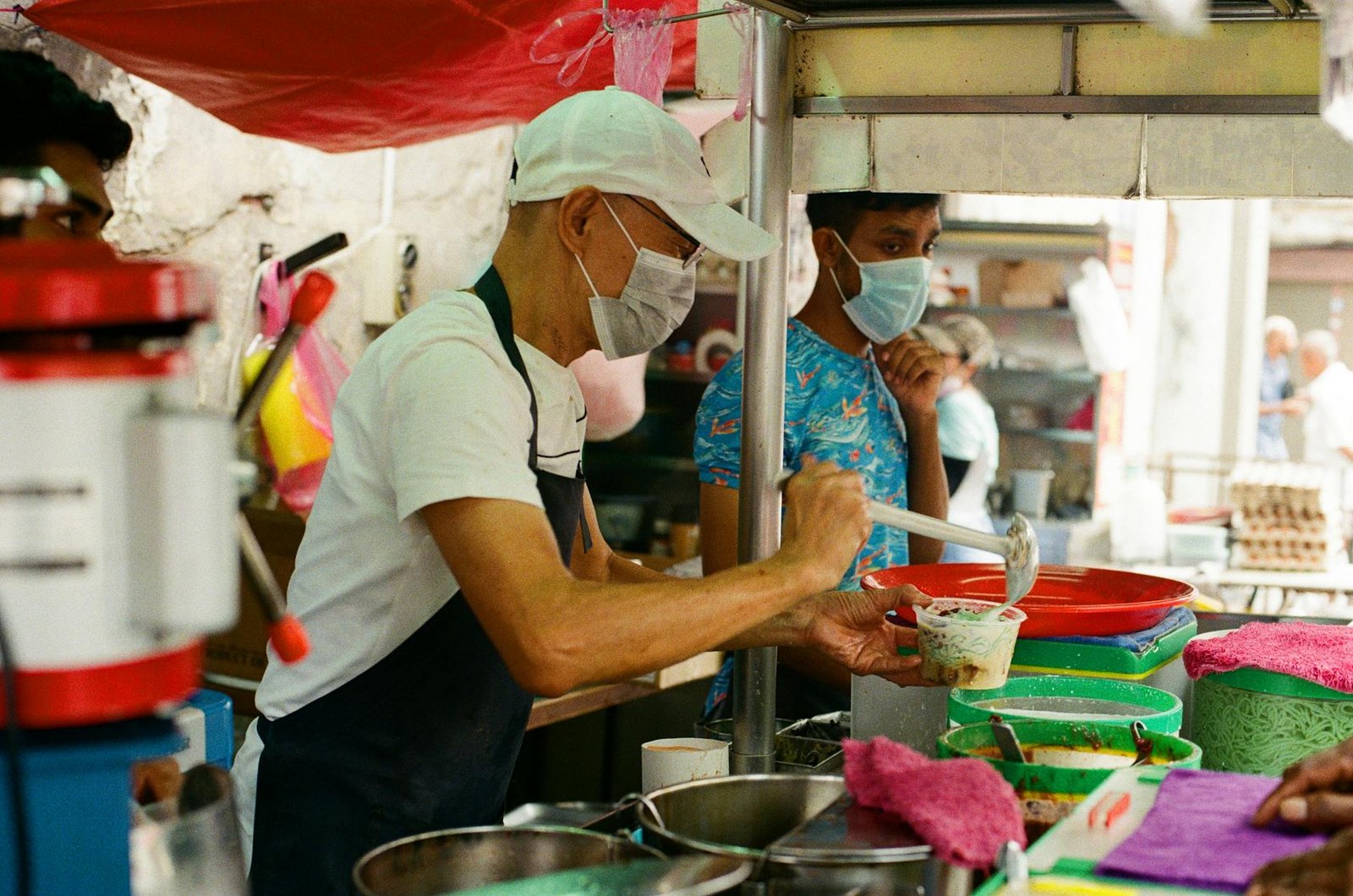
Penang is an island off the northwest coast of Malaysia, and it has spent centuries quietly becoming one of the greatest places on earth to eat. Not greatest in a white-tablecloth way. Greatest in the way that matters — steaming bowls of laksa at rickety plastic tables, charcoal-grilled satay on busy night market streets, meals that cost less than a dollar and taste like nothing you’ve had before. Food here isn’t just sustenance. It’s religion, identity, and love, all served on a banana leaf.
The History of Penang’s Food Culture
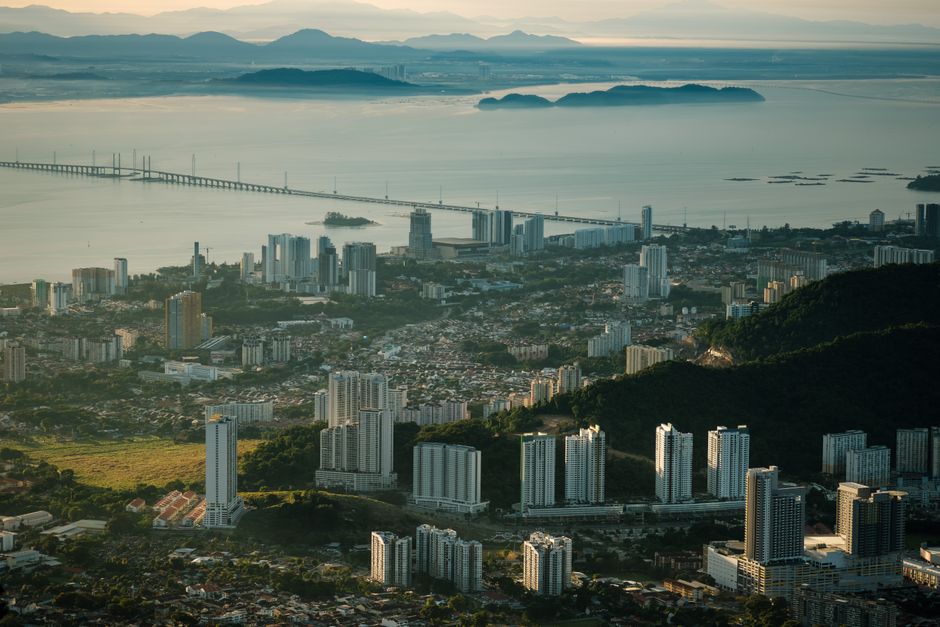
Penang — officially Pulau Pinang — was founded as a British trading post in 1786 by Captain Francis Light. Within a few decades it had become a magnet for traders, immigrants, and fortune-seekers from across Asia. Chinese merchants, Indian traders, Malay fishermen, Arab spice dealers, Thai settlers, British colonists — they all landed here, and every single group brought their food with them.
The most transformative culinary fusion came from intermarriage between Chinese immigrants — primarily Hokkien-speaking people from Fujian province — and the local Malay population. Their descendants became known as Peranakans, or Straits Chinese, and their cuisine, called Nyonya or Peranakan cooking, is one of the most sophisticated food cultures in Southeast Asia. It blends Chinese cooking techniques with Malay spices, coconut milk, and tamarind in ways that feel simultaneously familiar and completely unlike anything else.

The Indian community arrived largely as Tamil workers during British colonial rule, brought to work the rubber plantations. They established a vibrant Little India district and introduced South Indian cuisine to the island. Mamak stalls — open-air Indian Muslim eateries that run until two or three in the morning — became essential daily institutions, serving roti canai, teh tarik, and nasi kandar to anyone who showed up hungry.
Over more than two centuries, these communities didn’t just cook side by side. They borrowed from each other, challenged each other, and slowly transformed each other’s traditions into something new. Penang’s hawker culture became the great equalizer — university professors, taxi drivers, and construction workers all lining up at the same humble stall for the same magnificent bowl. George Town, Penang’s historic capital, was designated a UNESCO World Heritage Site in 2008, a recognition that helped preserve not just the old shophouses but the living food traditions inside them.
That doesn’t mean everything is fine. Rising rents are squeezing out traditional hawker stalls. Aging hawkers have no one to pass their recipes to. Mass tourism has created pressure to simplify, to scale, to dumb things down. But Penangites — as locals call themselves — push back hard. They argue passionately about which stall makes the best char koay teow, whose assam laksa is authentic, and why whatever you ate in Kuala Lumpur absolutely does not count. That fierce, specific pride is exactly what keeps the food culture alive.
Must-Try Foods in Penang
1. Assam Laksa
If you eat one dish in Penang, make it assam laksa. CNN Travel ranked it among the 50 best foods in the world, and after one slurp you’ll stop questioning that call. This is nothing like the creamy coconut laksa you find elsewhere in Malaysia. Penang’s version is bracingly sour, intensely savory, and built on a broth of flaked mackerel simmered with tamarind, lemongrass, galangal, dried shrimp paste, and dried chilies into something pungent and deeply complex — a liquid that hits every corner of your palate simultaneously.

It comes over thick, chewy rice noodles, topped with shredded cucumber, pineapple, red onion, mint leaves, and a generous spoonful of hae ko — a thick prawn paste that adds a funky, almost caramel-like depth. The best bowls are found at stalls inside the Air Itam market. Queues form early and the bowls sell out fast, so get there before 11am. Don’t let the line put you off. It moves, and every minute of waiting is paid back in full.
2. Char Koay Teow
This is the dish Penangites will argue about with the kind of intensity usually reserved for politics. Stir-fried flat rice noodles cooked with prawns, cockles, Chinese lap cheong sausage, eggs, bean sprouts, and chives — in a scorching wok over charcoal. Reducing it to those ingredients is like describing a great painting by its colors. The magic is entirely in the execution.
What you’re chasing is wok hei — that elusive smoky, slightly charred quality that only comes from cooking at extreme heat in a well-seasoned wok. The best char koay teow masters are often elderly men who have been working the same wok for thirty or forty years. Look for stalls still cooking over charcoal, not gas. And don’t skip the cockles — they add a briny, oceanic richness that lifts the whole dish. The area around Lorong Selamat is one of the most celebrated addresses for this, and for good reason. Expect to wait. Go anyway.
3. Penang Hokkien Mee (Prawn Noodle Soup)
Don’t make the mistake of conflating this with KL’s Hokkien mee — they’re completely different dishes, and any Penangite within earshot will set you straight. Penang’s version is a prawn and pork rib soup built on a broth that’s been simmering for six or more hours, using prawn heads, shells, and pork bones until it turns a vivid burnt-orange and delivers something intensely sweet, savory, and oceanic all at once.
It comes with thick yellow egg noodles and thin rice vermicelli, topped with prawns, sliced pork, crispy fried shallots, kangkung (water spinach), and hard-boiled egg. Sambal on the side lets you dial up the heat. This is traditionally a morning dish — the best stalls are in the old coffee shops around Gurney Drive and the hawker centers near Pulau Tikus market, where recipes have been refined across multiple generations of the same family. Show up after 10am and you’ll find the good stalls already sold out.
4. Nasi Kandar
Nasi kandar is Penang’s great contribution to rice-based eating, and it is simultaneously one of the most satisfying and most overwhelming things the island offers. It started with Tamil Muslim traders who carried cooked rice and curries suspended on a pole — a kandar — through the streets of George Town, selling meals to dockworkers. Today, nasi kandar spots range from open-air stalls to sprawling air-conditioned restaurants running 24 hours a day.
The concept sounds simple: steamed rice with curries and protein. The reality is standing in front of a counter loaded with 20 or 30 dishes — curried prawns, sotong in black ink sauce, turmeric fried chicken, fish head curry, curried eggs, crispy fried okra — and building your own plate. The move that separates regulars from tourists is asking for banjir, which means flood, telling the server to pour multiple gravies over your rice until everything runs together into something richer than the sum of its parts.
Book a Food Tour in Penang
Join a small-group food tour and taste the best of Penang with a local guide. Skip the tourist traps — discover the hidden spots only locals know.


Book a Food Experience in Penang
Handpicked experiences — book with free cancellation and instant confirmation.
Explore More Food Tours
More food guides from Malaysia:
You might also enjoy:
- Singapore Food Tour Guide (Singapore)
- Bali Vegan Food Guide: Plant-Based Paradise for Travelers (Indonesia)
- Yogyakarta Food Tour Guide (Indonesia)
- Bali Food Tour Guide (Indonesia)
- Chiang Mai Food Tour Guide (Thailand)
Featured in:
Frequently Asked Questions
How much does a food tour in Penang cost?
Food tours in Penang typically range from €25 to €80 per person for a guided group tour. Private tours and premium culinary experiences can cost more, while self-guided food walks are often free or low-cost.
How long do food tours in Penang last?
Most guided food tours in Penang last between 2 and 4 hours and include multiple tasting stops. Walking food tours tend to run around 3 hours, while sit-down dining experiences may last longer.
What local dishes should I try on a Penang food tour?
A food tour in Penang is the best way to discover authentic local specialties. Your guide will take you to street food markets, traditional restaurants, and neighbourhood gems that locals love — dishes you would never find on your own.
What is the best area for street food in Penang?
The best areas for street food and local cuisine in Penang are usually found in the old town, central food markets, and traditional neighbourhoods away from the main tourist hotspots. A local food guide will show you exactly where to go.
Are food tours in Penang suitable for people with dietary restrictions?
Most food tour operators in Penang can accommodate vegetarian, vegan, halal, and gluten-free diets with advance notice. Always inform your guide of any dietary requirements when booking so they can plan the best route for you.