Sofia Food Tour – Best Local Food & Restaurants
Sofia, Bulgaria: The Ultimate Food Guide
Introduction: Bulgaria’s Culinary Hidden Gem
Sofia, the capital of Bulgaria, remains one of Europe’s most underrated culinary destinations. This vibrant city blends ancient traditions with modern creativity, offering food lovers an authentic taste of Balkan cuisine without the crowds of more famous European capitals. From centuries-old recipes passed down through generations to innovative restaurants reimagining classic dishes, Sofia’s food scene tells the story of a nation rich in history and flavor. The city’s strategic location between East and West has created a unique gastronomic identity that celebrates fresh, locally-sourced ingredients and time-honored cooking methods.
What makes Sofia’s food culture truly special is its accessibility and affordability. Unlike many European capitals, you can enjoy exceptional meals at family-run establishments without breaking the bank. The locals, known as Sofianians, take pride in their food traditions and warmly welcome visitors eager to explore their culinary heritage. Whether you’re wandering through bustling markets or dining in tucked-away neighborhood restaurants, you’ll discover that Bulgarian hospitality extends directly to the dinner table.
Must-Try Traditional Bulgarian Dishes
Bulgarian cuisine centers around hearty, flavorful dishes that reflect the country’s agricultural abundance. Shopska salad, perhaps Bulgaria’s most famous dish, combines fresh tomatoes, cucumbers, onions, and peppers topped with sirene cheese—a crumbly white cheese similar to feta. This refreshing salad appears on nearly every restaurant menu and tastes even better when made with produce from local farmers markets. Another essential dish is banitsa, a crispy pastry filled with white cheese, eggs, and sometimes spinach or meat. Best enjoyed warm and slightly flaky, banitsa represents Bulgarian comfort food at its finest and costs just a few leva from bakeries throughout the city.
For heartier appetites, try shopski palachinta—Bulgarian-style crepes filled with cheese or meat—and Bob Chorba, a hearty bean soup that warms the soul. Tarator, a cold yogurt-based soup with cucumber, garlic, and dill, provides perfect refreshment during warm months. Moussaka, the layered eggplant and meat dish, appears throughout the Balkans, but Bulgarian versions feature their distinct spice blend and lighter approach. Don’t miss kebapche, grilled meat rolls seasoned with paprika and cumin, perfect as a main course or street food. These dishes showcase Bulgaria’s mastery of simple ingredients elevated through skillful preparation and generations of culinary knowledge.
Women’s Bazaar: Sofia’s Heart of Fresh Produce
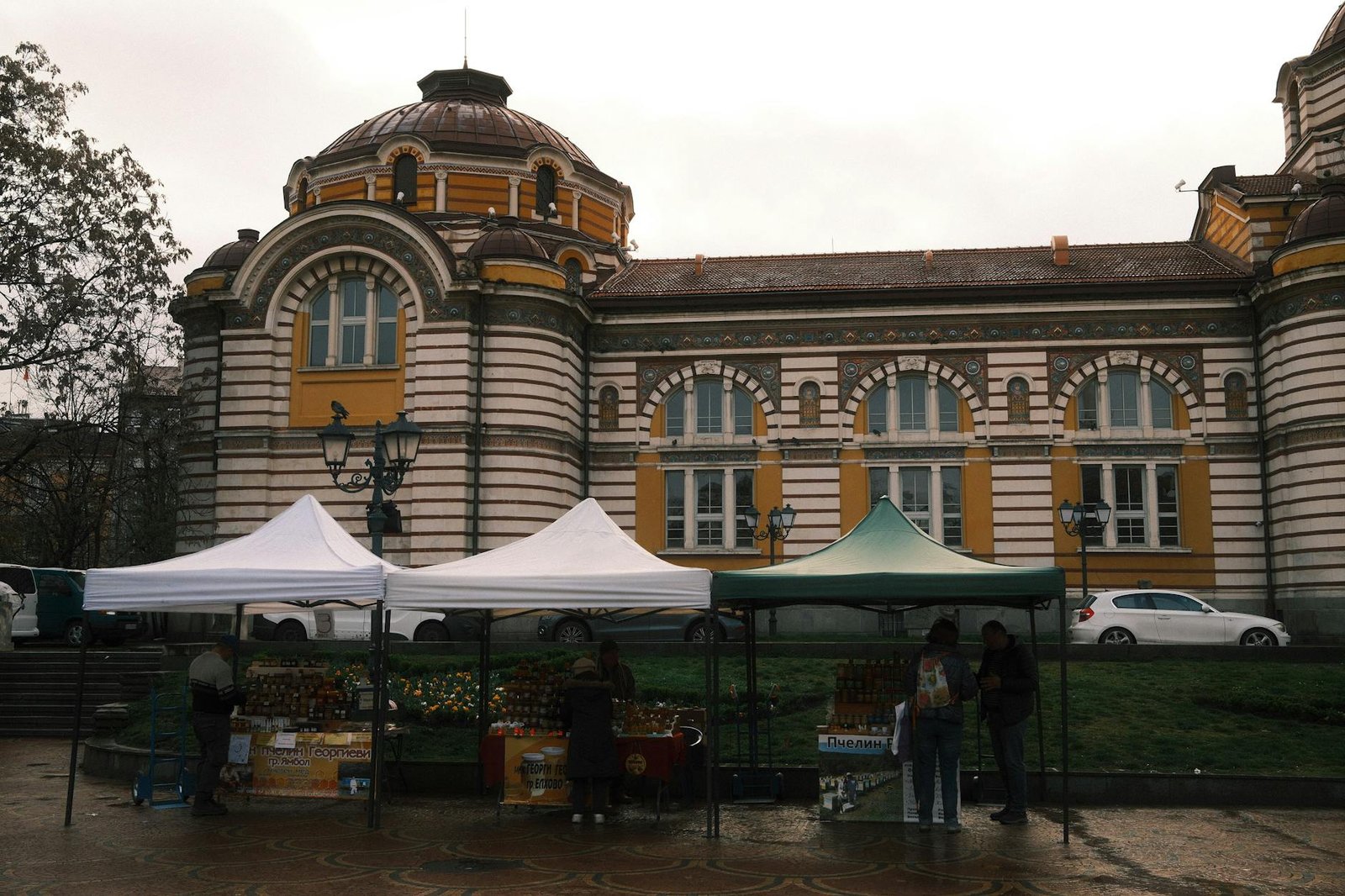
Located in the city center near the Alexander Nevsky Cathedral, the Women’s Bazaar (Zhenskiya Bazar) is where locals shop and where food tours typically start. This sprawling market bursts with color and energy as vendors sell fresh vegetables, fruits, herbs, and dairy products from nearby farms. The market’s nickname stems from its history as a place traditionally run by women, though today it serves as a vibrant community hub for all. Walking through its narrow aisles, you’ll encounter pyramids of ripe tomatoes, bundles of fresh dill and parsley, wheels of creamy sirene cheese, and jars of homemade preserves that grandmothers have been making for decades.
Beyond fresh produce, the Women’s Bazaar offers ready-to-eat foods that provide authentic, cheap meals. Vendors sell warm banitsa, shopski palachinta, and other traditional foods perfect for breakfast or lunch. The market experience itself is quintessentially Bulgarian—expect friendly haggling, generous samples, and recommendations from vendors proud of their products. Early morning visits, around 7-9 AM, offer the best selection and most authentic atmosphere, as locals arrive before work to select their daily ingredients. Many food-focused travelers consider the bazaar a must-visit for understanding how Sofianians source and consume their food.

Top Street Food Scene
Sofia’s streets come alive with food vendors offering quick, delicious bites that capture Bulgarian flavors. Banitsa stands are ubiquitous, particularly around metro stations and busy intersections, where you can grab a warm slice for under 2 leva. Grilled meat stands selling kebapche, pork chops, and chicken schnitzel line neighborhoods like Vitosha and offer excellent value with fresh salads and bread. For a sweet treat, seek out krem karamela, a caramel cream pastry that melts in your mouth, available at most bakeries. Lingurice, fried dough rings glazed with sugar or drizzled with honey, provide another beloved street snack, especially popular during winter months.
Snezhanka, a frozen dessert similar to Italian granita, refreshes visitors during warm weather, available from colorful kiosks throughout the city. Pizza stands have become increasingly popular, offering Bulgarian-style pizzas with unique toppings like sirene cheese and local sausages. The most authentic street food experience happens in the neighborhoods like Lozenets and Oborishte, where small family-run places have served the same dishes for decades. These casual spots embody Sofia’s friendly dining culture where you might find yourself chatting with locals while enjoying a meal standing at a counter.
Best Restaurants for Authentic Dining
For fine dining with traditional flavors, visit Kashtata, a charming restaurant housed in a restored 19th-century house in the Lozenets neighborhood. The intimate setting features traditional Bulgarian decor, and the kitchen excels at preparing classic dishes with premium ingredients and thoughtful presentation. Kashtata’s wine selection showcases Bulgarian vintages, adding another dimension to your meal. Another excellent choice is V Dvora Traditional Restaurant, located in a historic house with multiple dining rooms, offering traditional recipes prepared with contemporary techniques. Their banitsa, shopska salad, and grilled meats consistently receive praise from locals and visitors alike.
For a more casual but equally authentic experience, head to Pri Yafata in central Sofia, where the atmosphere buzzes with locals enjoying hearty meals in a garden setting. This establishment specializes in traditional Bulgarian cuisine and sources ingredients directly from farmers. Pod Lipite, situated in a charming location near parks, offers excellent value with generous portions of authentic Bulgarian food and outstanding service. For modern interpretations of traditional dishes, try Motto at the Vitosha Hotel, where the chef respectfully reimagines classic recipes. These restaurants range from affordable to mid-range pricing, making them accessible for various budgets while maintaining quality and authenticity.
Best Food Tours Available
Several reputable food tour companies offer expertly-guided explorations of Sofia’s culinary scene. Viator offers multiple Bulgarian food tours, including half-day market and cooking experiences where knowledgeable guides introduce you to local vendors and teach you about ingredient selection. These tours typically include tastings at the Women’s Bazaar and visits to neighborhood food shops, providing both education and delicious samples. GetYourGuide features similar offerings, with options ranging from street food walking tours to full-day experiences that include market visits, cooking classes, and meals at family-run restaurants.
Local companies like Sofia Food Tours and Bulgarian Food Experiences provide highly personalized experiences, often with smaller group sizes and deeper engagement with vendors and restaurant owners. These tours typically cost between 40-100 leva per person and last 3-4 hours, concluding with a substantial meal or multiple tastings. Booking tours directly through restaurants or hotels often reveals hidden experiences not listed on tourist websites. For independent travelers, simply asking locals for recommendations at your hotel or restaurant consistently yields authentic discoveries and insider knowledge about where true Sofianians eat.
When to Visit for Food
Spring (April-May) and fall (September-October) represent the ideal seasons for Sofia’s food scene, when fresh produce peaks and weather permits comfortable outdoor dining. Spring brings asparagus, fresh herbs, and new potato season, while fall showcases tomatoes at their finest, mushrooms, and grapes perfect for local wines. Summer attracts tourists, making some popular spots crowded, though local restaurants in residential neighborhoods remain peaceful. Winter transforms Sofia into a cozy dining destination, with hearty soups, stews, and warming dishes taking center stage. Holiday seasons bring special treats like banitsa varieties and traditional sweets that only appear during specific times of year.
Timing your visit to coincide with local food festivals enhances your experience. The Sofia Food Festival, typically held in spring, celebrates Bulgarian cuisine with cooking demonstrations, tastings, and cultural performances. Monthly markets rotate through different neighborhoods, offering opportunities to experience local food culture beyond the central bazaar. Visiting during Bulgarian Orthodox Easter (dates vary) allows you to experience traditional Easter dishes and family celebrations that showcase the deepest connections between food, culture, and tradition. Regardless of season, Sofia’s markets and restaurants operate year-round, ensuring food lovers can explore Bulgarian cuisine on their own schedule.
Conclusion: Taste Your Way Through Sofia
Sofia invites food travelers to experience Bulgaria’s rich culinary heritage in an authentic, welcoming environment. From sampling street food at bustling markets to dining in historic restaurants that have served families for generations, every meal tells a story of tradition, hospitality, and pride in local ingredients. The city’s affordability means you can eat exceptionally well without excessive spending, allowing you to allocate your budget toward multiple experiences and dishes. Whether you join guided food tours or explore independently, Sofia’s food scene guarantees discoveries, connections with locals, and memories that extend far beyond any guidebook description.


Book a Food Experience in Sofia
Handpicked experiences — book with free cancellation and instant confirmation.
Explore More Food Tours
More food guides from Bulgaria:
You might also enjoy:
- Brasov Food Tour Guide (Romania)
- Bucharest Food Tour Guide (Romania)
- Cluj-Napoca Food Tour Guide (Romania)
- Timisoara Food Tour Guide (Romania)
Featured in:
Frequently Asked Questions
How much does a food tour in Sofia cost?
Food tours in Sofia typically range from €25 to €80 per person for a guided group tour. Private tours and premium culinary experiences can cost more, while self-guided food walks are often free or low-cost.
How long do food tours in Sofia last?
Most guided food tours in Sofia last between 2 and 4 hours and include multiple tasting stops. Walking food tours tend to run around 3 hours, while sit-down dining experiences may last longer.
What local dishes should I try on a Sofia food tour?
A food tour in Sofia is the best way to discover authentic local specialties. Your guide will take you to street food markets, traditional restaurants, and neighbourhood gems that locals love — dishes you would never find on your own.
What is the best area for street food in Sofia?
The best areas for street food and local cuisine in Sofia are usually found in the old town, central food markets, and traditional neighbourhoods away from the main tourist hotspots. A local food guide will show you exactly where to go.
Are food tours in Sofia suitable for people with dietary restrictions?
Most food tour operators in Sofia can accommodate vegetarian, vegan, halal, and gluten-free diets with advance notice. Always inform your guide of any dietary requirements when booking so they can plan the best route for you.