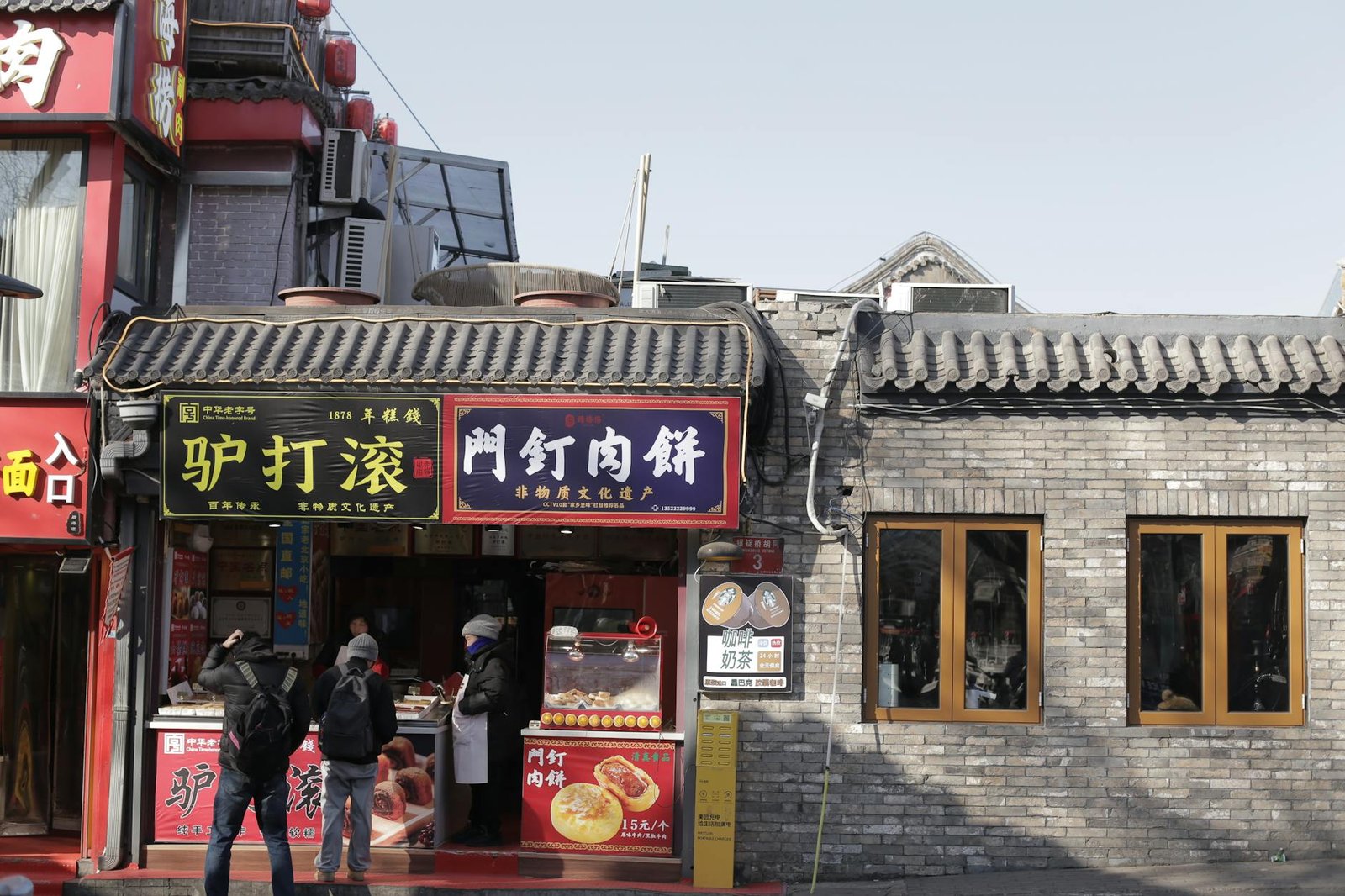
Beijing Food Tour – Best Local Food & Restaurants
Beijing Food Guide: A Culinary Journey Through China’s Imperial Capital
Beijing is not just a city — it’s a living culinary museum where thousands of years of imperial tradition, regional migration, and street-level creativity collide on a single plate. From the smoke-charred duck ovens of Quanjude to the chaotic midnight energy of Ghost Street, eating here is one of the most thrilling gastronomic adventures on the planet — a city that rewards every visit with something new on the plate.
The History of Beijing’s Food Culture
To understand Beijing’s food, you have to understand its identity as the seat of imperial power for over seven centuries. When Kublai Khan established Dadu — the precursor to modern Beijing — in the 13th century, the city became a crossroads where Mongolian, Han Chinese, Muslim, and Manchurian culinary traditions began a slow, remarkable collision. The imperial court demanded the finest ingredients from every corner of the empire, pulling flavors from Shandong, Sichuan, Jiangsu, and beyond into a single urban kitchen.
The Ming Dynasty (1368–1644) cemented Beijing’s role as a culinary capital, formalizing the tradition of Peking Duck — roasted over fruitwood fires to achieve that impossibly lacquered, crispy skin that remains the city’s most iconic export. Under the Qing Dynasty (1644–1912), Manchu court cuisine introduced rich, slow-braised dishes and elaborate multi-course banquets known as the Manchu-Han Imperial Feast. Some reportedly stretched across 108 dishes served over multiple days. That’s not a dinner party. That’s a career.
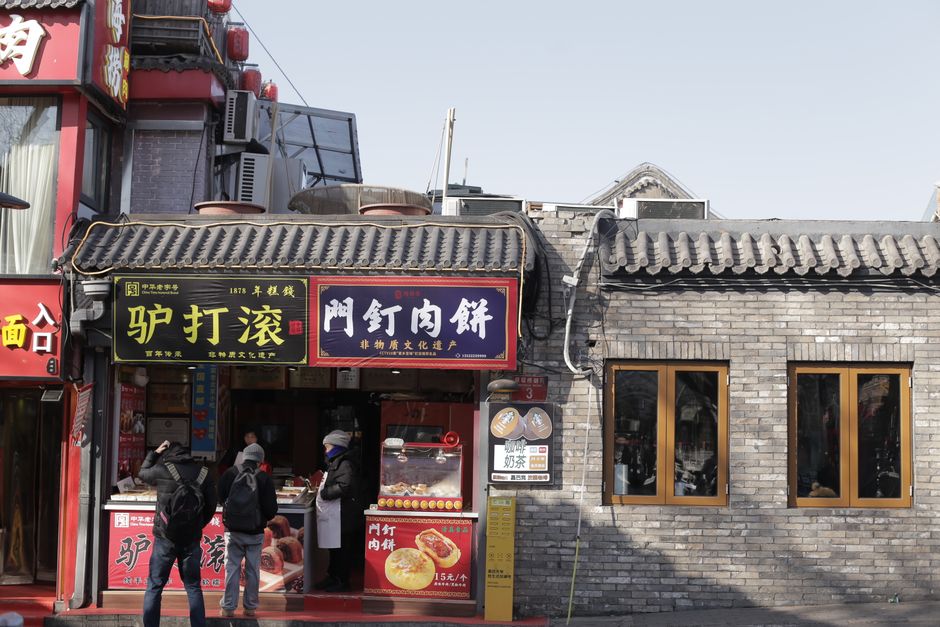
The fall of the imperial system in the early 20th century democratized Beijing’s food scene dramatically. Imperial chefs, suddenly unemployed, opened restaurants across the city, bringing palace-quality cooking to ordinary citizens for the first time. Hutong street food culture exploded during this period — the labyrinthine alleyways of old Beijing became arteries pumping out sesame-slathered flatbreads, steaming lamb soups, and fried dough sticks to factory workers and intellectuals alike.
The Communist era brought ideological shifts that temporarily simplified dining culture, but also cemented working-class staples like zhajiangmian (fermented soybean noodles) and jianbing (savory crepes) as beloved daily rituals. Today, Beijing’s food culture is a genuinely interesting hybrid — ancient techniques sit next to Korean barbecue joints, rooftop cocktail bars serve fusion dumplings, and third-generation dumpling masters operate next door to sleek modern restaurants. The city feeds over 21 million people, and it does so with extraordinary range.
Must-Try Foods in Beijing
1. Peking Duck (北京烤鸭 — Běijīng Kǎoyā)
No dish defines Beijing more completely than Peking Duck, and no visit here should end without experiencing it at least once. The preparation is ritualistic: ducks are specially bred for plumpness, inflated with air to separate skin from fat, hung to dry for 24 hours, then roasted in a closed or open oven fueled by fragrant fruitwood — typically apple or pear — until the skin hits a color somewhere between mahogany and deep amber. The moment a white-jacketed chef carves the duck tableside into precisely 108 paper-thin slices is nothing short of theater. You wrap slices of crispy skin and tender meat in delicate pancakes with julienned cucumber, scallion, and a swipe of sweet bean sauce. Go to Dadong (大董) for a modern, lighter interpretation, or make the pilgrimage to the legendary Quanjude near Qianmen, which has been roasting ducks since 1864. Expect to pay between 200–400 RMB for a whole duck that serves two to three people. Worth every jiao.
2. Zhajiangmian (炸酱面 — Zhá Jiàng Miàn)
If Peking Duck is Beijing’s imperial crown, then Zhajiangmian is its working-class heart. Thick, hand-pulled wheat noodles arrive topped with a rich, savory sauce of fermented yellow soybean paste and ground pork — a combination that has sustained Beijingers through wars, revolutions, and economic upheavals for generations. The magic is in the sauce, which is slowly fried (the name literally means “fried sauce”) until it becomes deeply umami, slightly sweet, and intensely aromatic. It comes topped with shredded cucumber, blanched bean sprouts, julienned radish, and edamame, which you mix vigorously before eating. Every neighborhood has a beloved spot, but seek out small family-run noodle shops in the Drum Tower area or Xicheng district, where old-timers still pull noodles by hand each morning. A bowl runs roughly 15–25 RMB. One of the most satisfying meals you can eat in China, full stop.

3. Jianbing (煎饼 — Jiānbing)
Beijing’s ultimate breakfast street food has been conquering the city’s morning sidewalks for centuries. A skilled jianbing vendor operates with balletic efficiency: thin mung bean and wheat batter spread in a wide circle on a flat iron griddle, an egg cracked and smeared across the surface, chopped scallions and cilantro scattered on top, then flipped with one decisive motion. A crispy fried cracker called baocui gets pressed inside along with hoisin sauce, chili paste, and fermented tofu before the whole creation is folded into a neat, slightly chaotic package. Crispy, eggy, savory, faintly spicy. Beijingers eat these while cycling to work without breaking stride, and honestly, I understand why. Find the best ones from carts near subway stations around 7am, where vendors have often been perfecting their recipe for decades. Budget 8–12 RMB per piece.
4. Instant-Boiled Mutton (涮羊肉 — Shuàn Yángròu)
Beijing’s answer to hotpot, this Mongolian-influenced tradition of swishing paper-thin slices of fresh mutton through a bubbling copper pot of plain broth is one of the city’s most beloved cold-weather rituals. Unlike Sichuan hotpot, which drowns everything in numbing chili oil, Beijing-style instant-boiled mutton is about the purity of the meat itself — quality lamb from Inner Mongolia, sliced so thin it cooks in literal seconds. The real genius lies in the dipping sauce: thick, nutty sesame paste thinned with fermented tofu liquid, spiked with chili oil, pickled chive blossoms, and a splash of rice vinegar, customized at a condiment bar to your exact preference. The traditional venue is Donglaishun (东来顺) near Wangfujing, which has served this dish since 1903 and sources mutton from designated farms in Inner Mongolia. Plan to spend 150–250 RMB per person for a full feast including vegetables, tofu, and noodles to finish the broth.
5. Douzhi (豆汁 — Dòuzhī) and Beijing Snacks
Douzhi is not for the faint-hearted, and that is precisely why every serious food traveler must try it. This fermented mung bean milk — a byproduct of green bean starch production — is Beijing’s most divisive food. It looks like thin, grayish porridge, smells aggressively sour and funky, and has a flavor that locals describe as an acquired taste while visitors describe with significantly less diplomatic language. Yet generations of Beijingers swear by it as a morning stomach-settler, typically paired with ring-shaped sesame crackers (jiaoquan) and spicy pickled mustard greens. Douzhi is best experienced at Guolin
Book a Food Tour in Beijing
Join a small-group food tour and taste the best of Beijing with a local guide. Skip the tourist traps — discover the hidden spots only locals know.


Book a Food Experience in Beijing
Handpicked experiences — book with free cancellation and instant confirmation.
Explore More Food Tours
More food guides from China:
You might also enjoy:
- Hong Kong Food Tour Guide (Hong Kong)
- Jeonju Food Tour Guide (South Korea)
- Nagoya Food Tour Guide (Japan)
- Taipei Food Tour Guide (Taiwan)
Featured in:
Frequently Asked Questions
How much does a food tour in Beijing cost?
Food tours in Beijing typically range from €25 to €80 per person for a guided group tour. Private tours and premium culinary experiences can cost more, while self-guided food walks are often free or low-cost.
How long do food tours in Beijing last?
Most guided food tours in Beijing last between 2 and 4 hours and include multiple tasting stops. Walking food tours tend to run around 3 hours, while sit-down dining experiences may last longer.
What local dishes should I try on a Beijing food tour?
A food tour in Beijing is the best way to discover authentic local specialties. Your guide will take you to street food markets, traditional restaurants, and neighbourhood gems that locals love — dishes you would never find on your own.
What is the best area for street food in Beijing?
The best areas for street food and local cuisine in Beijing are usually found in the old town, central food markets, and traditional neighbourhoods away from the main tourist hotspots. A local food guide will show you exactly where to go.
Are food tours in Beijing suitable for people with dietary restrictions?
Most food tour operators in Beijing can accommodate vegetarian, vegan, halal, and gluten-free diets with advance notice. Always inform your guide of any dietary requirements when booking so they can plan the best route for you.