Chengdu Food Tour – Best Local Food & Restaurants
Chengdu Food Guide: A Journey Through the Capital of Chinese Cuisine
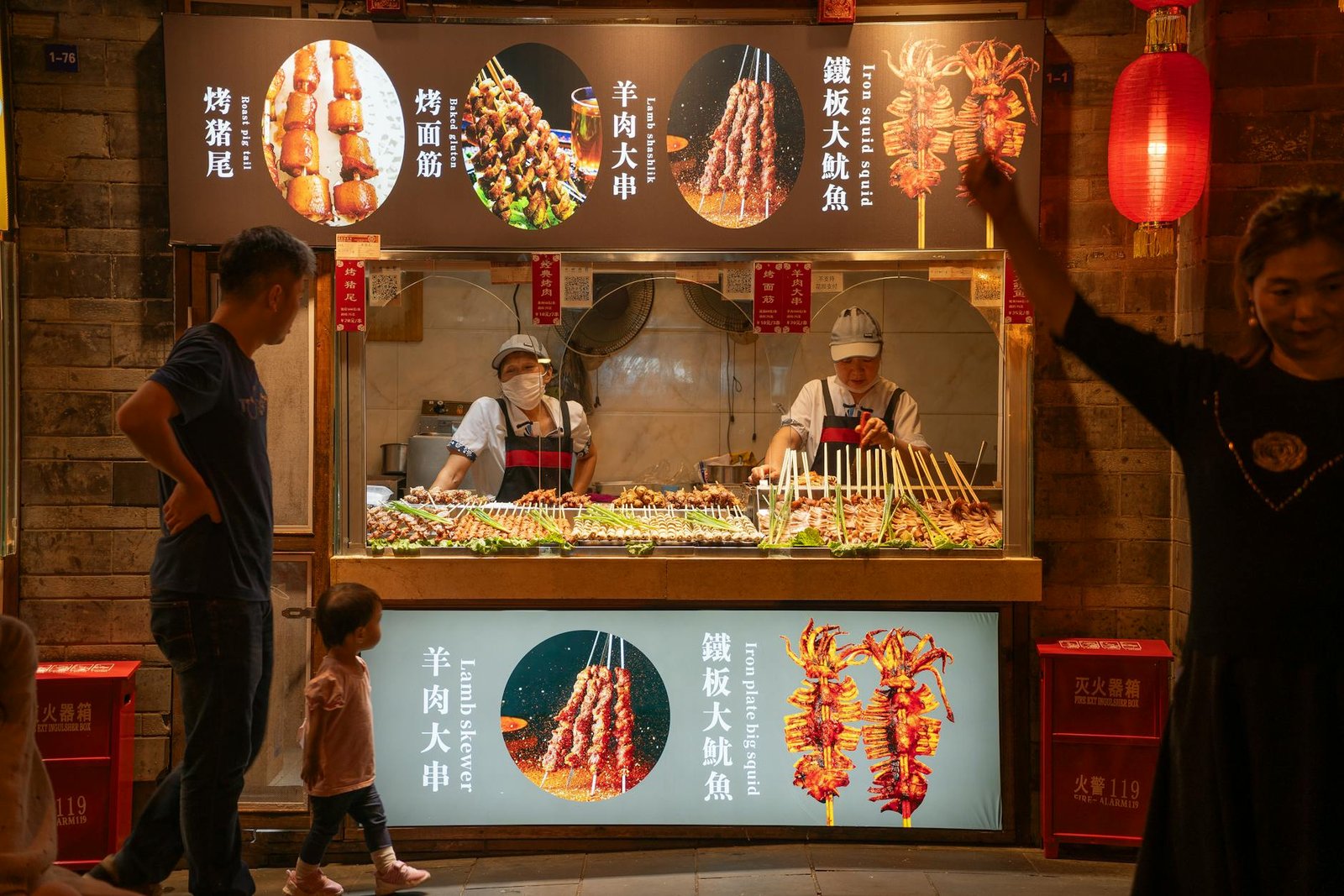
Chengdu is a city where eating isn’t just something you do between other activities — it’s the activity. A deeply woven cultural ritual, a social institution, and genuinely the greatest daily pleasure for most of the 21 million people who live here. Nestled in the fertile Sichuan Basin, this sprawling southwestern metropolis has earned UNESCO Creative City of Gastronomy status, and the moment you taste your first mouthful of its fire-kissed, numbing, umami-rich cuisine, you’ll understand exactly why. This isn’t just another food destination. It’s the food destination of China — a city where grandmothers still grind their own chili pastes at dawn and street vendors have been perfecting the same recipes across multiple generations.
The History of Chengdu’s Food Culture
Chengdu’s extraordinary food culture has roots stretching back over 2,000 years. During the Qin Dynasty, completion of the Dujiangyan Irrigation System transformed the surrounding Chengdu Plain into one of the most agriculturally productive regions in all of China — an engineering marvel that delivered consistent harvests of rice, wheat, peanuts, and vegetables, giving early cooks an abundance of raw ingredients that most ancient cities could only dream of. With full bellies and leisure time, people here turned cooking into an art form.
Historical records from the Han Dynasty already described Chengdu as a city obsessed with feasting and pleasure. The teahouse culture — which remains vibrantly alive today — flourished during this era, as merchants, poets, and philosophers gathered to drink, eat, and argue. These teahouses became incubators of culinary creativity, where cooks competed fiercely for patronage and refined their techniques over centuries.

The Sichuan peppercorn, the defining ingredient of this cuisine, has been cultivated in the surrounding mountains for over a millennium. It produces the famous mala flavor profile — that combination of numbing heat and fiery spice that is completely unique to this region. When Portuguese traders introduced chili peppers during the Ming Dynasty in the 16th century, Sichuan cooks embraced them with almost reckless enthusiasm, weaving them together with native peppercorns to create the bold, confrontational flavor combinations the cuisine is famous for today.
By the Qing Dynasty, Chengdu had established itself as the undisputed gastronomic capital of China’s interior. The city’s famous bazi culture — a laid-back, pleasure-focused approach to life — kept food central to social identity. Street food vendors, elegant banquet halls, and humble noodle shops coexisted in a democratic food scene that genuinely welcomed every social class at the same table. That egalitarian spirit is still very much alive. Some of the most extraordinary meals in this city cost less than a dollar.
The 20th century brought both disruption and remarkable preservation to Chengdu’s culinary traditions. Even during periods of serious political upheaval, the city’s cooks maintained their standards with stubborn determination, passing recipes not through written cookbooks but through oral tradition and hands-on apprenticeship. Right now, Chengdu’s food culture is experiencing a genuine renaissance — young chefs drawing on deep historical roots while incorporating modern techniques and international influences. But purists can relax. The classics remain completely and gloriously unchanged.
Must-Try Foods in Chengdu
1. Mapo Tofu (麻婆豆腐)
No dish better encapsulates Chengdu’s culinary philosophy than Mapo Tofu. It was created in the 1860s at a small restaurant near the city’s north gate by a pockmarked-faced woman known as “Pockmarked Grandma” — hence the name. The dish transforms humble silken tofu into something genuinely remarkable. Cubes so soft they quiver are submerged in a crimson sauce built from fermented black bean paste, chili bean paste, ground beef or pork, and a shower of Sichuan peppercorns. It delivers all four defining sensations of Sichuan cuisine at once: ma (numbing), la (spicy), xian (savory), and tang (scalding hot). Go to the original Chen Mapo Tofu restaurant in Qingyang District for the most authentic version — the dish arrives bubbling furiously in a clay pot and the peppercorn dosage is completely uncompromising. Don’t say I didn’t warn you.
2. Dan Dan Noodles (担担面)
Born on the streets of Chengdu in the 1840s, Dan Dan Noodles take their name from the bamboo carrying poles — dan dan — that vendors balanced on their shoulders as they walked through neighborhoods hawking bowls to passersby. Thin wheat noodles are dressed with a complex sauce of sesame paste, chili oil, Sichuan peppercorns, preserved vegetables, minced pork, and crushed peanuts, then finished with a drizzle of dark vinegar and sliced scallions. Every cook has their own ratio, so each bowl is a slightly different experience. The best versions hit every flavor note simultaneously — nutty, spicy, sour, savory, aromatic — with noodles that carry just enough chew to stand up to the fierce sauce. Wander the side streets around Jinli Ancient Street for the most satisfying bowls, and go before noon when the oil is fresh.
3. Hot Pot (火锅)
Chengdu hot pot is a fundamentally different creature from the milder broths you’ll encounter elsewhere in China. The base is a volcanic, brick-red broth built from tallow, dried chilies, Sichuan peppercorns, fermented black beans, ginger, and dozens of other aromatics, simmered for hours until the depth of flavor is almost geological. You select your raw ingredients — thinly sliced beef and lamb, offal, lotus root, tofu skin, wood ear mushrooms, quail eggs, and the essential duck intestines — then swish them through the roiling broth before dipping in a sesame oil and garlic sauce that tempers the heat just enough to make the next bite irresistible. Hot pot here is an event, not a meal. Expect two to three hours at the table, minimum. The communal experience of sharing that bubbling pot is as important as anything you’re eating. The stretch of restaurants along Hongxing Road in Jinjiang District is legendary among locals — avoid the tourist-facing spots near Kuanzhai Alley if you want serious hot pot at honest prices.
4. Zhong Dumplings (钟水饺)
Named after their creator, Zhong Shaobai, who started selling them from a street stall in the early 20th century, Zhong Dumplings are a masterclass in what exceptional sauce can do. These delicate pork-filled dumplings are boiled until the skin becomes silky and almost translucent, then dressed with a sweet-savory chili oil sauce that’s fundamentally different from the fiercer sauces used elsewhere in Chengdu cooking. The distinctive sweetness comes from aged soy sauce and a touch of sugar, which balances the chili heat and creates a lingering, addictive quality — the reason most people order two or three portions in quick succession. The original Zhong Dumpling restaurant near Chunxi Road has been operating continuously since the early 1900s and is one of the most important culinary landmarks in the city. Order without garlic (bu yao suan) to taste the pure sauce first, then try a portion with garlic if you want that extra aromatic punch.
5. Twice-Cooked Pork (回锅肉)
Twice-Cooked Pork is the quintessential home-cooked dish of Sichuan — found in every household kitchen and representing the soul of everyday Chengdu eating. Pork belly is first simmered whole in water with ginger and Sichuan peppercorns until just cooked through, then sliced and returned to a screaming-hot wok with fermented black bean paste, chili bean paste, leeks, and green peppers. The double cooking creates a texture that’s simultaneously tender and slightly crisped at the edges, with the fat rendered down to something silky rather than heavy. It’s the kind of dish that tastes best eaten with plain white rice in a plastic-stool restaurant where the cook has been making the same recipe for thirty years.
Book a Food Tour in Chengdu
Join a small-group food tour and taste the best of Chengdu with a local guide. Skip the tourist traps — discover the hidden spots only locals know.

Book a Food Experience in Chengdu
Handpicked experiences — book with free cancellation and instant confirmation.
Explore More Food Tours
More food guides from China:
You might also enjoy:
- Hong Kong Food Tour Guide (Hong Kong)
- Hiroshima Food Tour Guide (Japan)
- Nagoya Food Tour Guide (Japan)
- 10 Best Food Cities in Japan 2026 (Japan)
Featured in:
Frequently Asked Questions
How much does a food tour in Chengdu cost?
Food tours in Chengdu typically range from €25 to €80 per person for a guided group tour. Private tours and premium culinary experiences can cost more, while self-guided food walks are often free or low-cost.
How long do food tours in Chengdu last?
Most guided food tours in Chengdu last between 2 and 4 hours and include multiple tasting stops. Walking food tours tend to run around 3 hours, while sit-down dining experiences may last longer.
What local dishes should I try on a Chengdu food tour?
A food tour in Chengdu is the best way to discover authentic local specialties. Your guide will take you to street food markets, traditional restaurants, and neighbourhood gems that locals love — dishes you would never find on your own.
What is the best area for street food in Chengdu?
The best areas for street food and local cuisine in Chengdu are usually found in the old town, central food markets, and traditional neighbourhoods away from the main tourist hotspots. A local food guide will show you exactly where to go.
Are food tours in Chengdu suitable for people with dietary restrictions?
Most food tour operators in Chengdu can accommodate vegetarian, vegan, halal, and gluten-free diets with advance notice. Always inform your guide of any dietary requirements when booking so they can plan the best route for you.