Birmingham Food Tour Guide 2026: Where to Eat Like a Local
Birmingham’s Food Scene in 2026
A Birmingham food tour is one of the best ways to understand a city that’s been quietly outpacing London on the culinary front for years. Spend time in Digbeth, Balsall Heath, and the Jewellery Quarter and what strikes you is how unapologetically itself Birmingham’s food culture is. This isn’t a city performing for tourists. It’s just cooking what it knows.
Birmingham has more Michelin stars per head than any other UK city outside London — people still seem surprised by that — but honestly, the most exciting eating happens nowhere near a white tablecloth. It happens at a balti house on Ladypool Road at 11pm, or standing at a market stall in the Bullring with a paper bag of fresh naan bread.
Start With the Markets
Birmingham Smithfield and the Bull Ring Markets
The redevelopment around Smithfield has changed the footprint of the old markets, but the traders are still there, louder and more colourful than ever. Get there before 9am on a Saturday if you want to actually move. The indoor market has a proper West Indian bakery selling hard dough bread and coconut drops — £1.20 a piece, cash only, worth every penny.
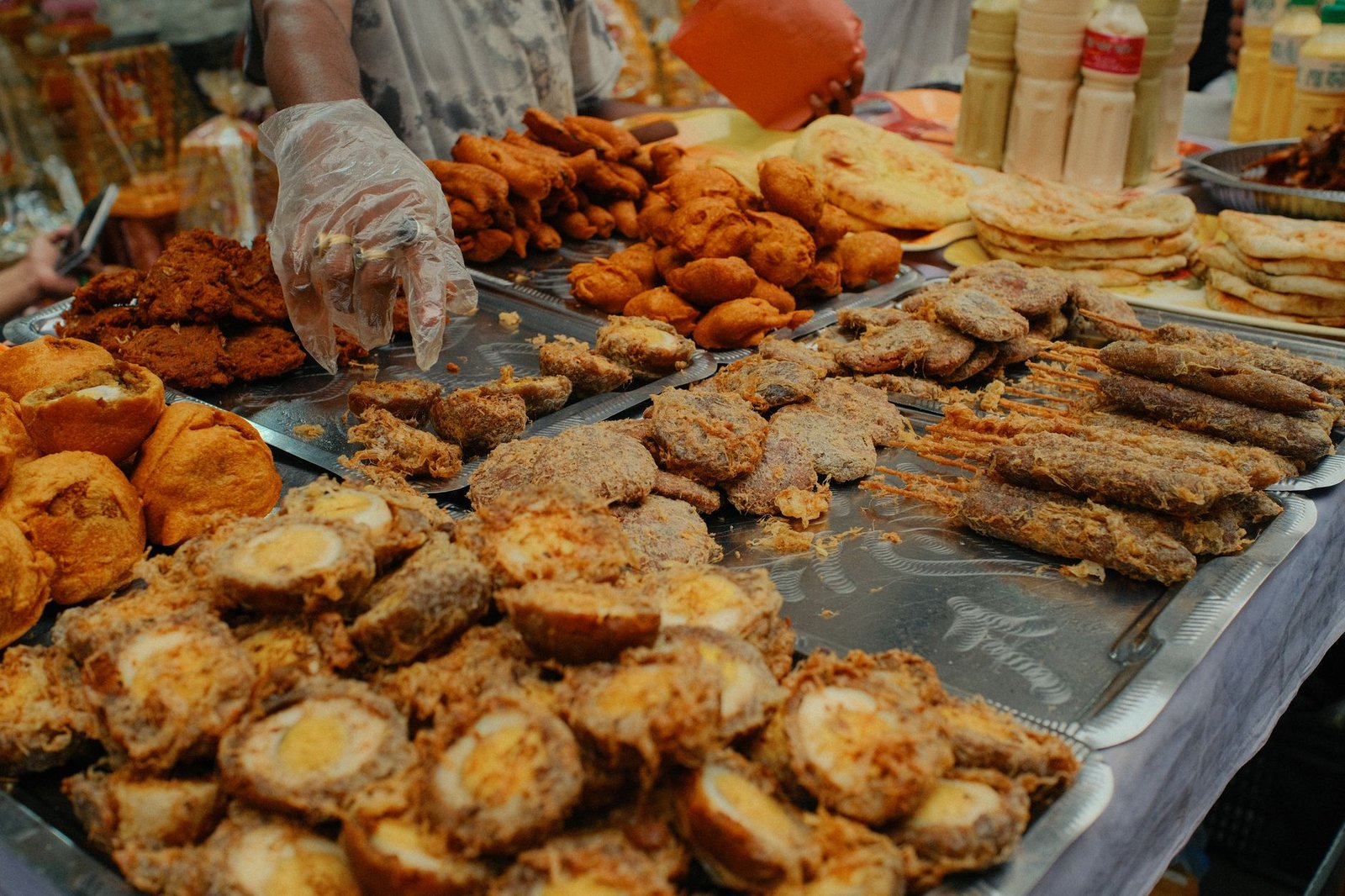
The outdoor market is where you’ll find cheap and excellent street food. Look for the Jamaican patty stall near the Edgbaston Street entrance. Two patties and a rum cake for around £5. The patties are flaky, peppery, and nothing like what you get in a supermarket.
Digbeth Dining Club
This is Birmingham’s most well-known street food event and it absolutely deserves the hype. Friday and Saturday evenings from around 5pm, tucked into an industrial courtyard off Heath Mill Lane. Expect to pay £8–£14 per dish. Traders rotate, but there’s almost always a Birmingham-based Filipino food trader, a decent smash burger outfit, and at least one vendor doing something interesting with South Asian flavours. Go hungry. There’s nowhere to sit down comfortably, so wear shoes you don’t mind standing in for two hours.
The Balti Triangle: Don’t Skip It
The Ladypool Road and Stoney Lane area — what locals call the Balti Triangle — is not optional. The balti itself was invented in Birmingham, cooked and served in a thin steel karahi, and the restaurants here have been doing it since the 1970s. Al Frash on Ladypool Road is the one worth returning to again and again. Balti lamb with naan bread costs around £13–£15, it arrives in minutes, and it’s genuinely one of the best things you can eat anywhere in the UK. The room is basic, it’s always busy, reservations aren’t really a thing — you just show up and wait.
Avoid the places that have put QR codes on the tables and suspiciously glossy photographs on the menu. The best balti houses still print their menus on laminated A4 sheets.
Guided Food Tours Worth Booking
If you’re new to the city and want context alongside the calories, a guided tour makes sense. I’ve seen good options listed on Viator and GetYourGuide covering Digbeth and the Jewellery Quarter — typically two to three hours, £35–£55 per person, with six or seven food stops included. The guides who grew up in Birmingham are worth seeking out specifically. They’ll take you to a Polish deli on a side street you’d never find yourself, or explain why the city’s Yemeni coffee shops matter culturally, not just as a caffeine stop.
Book in advance on weekends. These tours fill up, especially from May through September.
Sit-Down Restaurants Worth the Detour
Opheem
Aktar Islam’s two-Michelin-starred restaurant on Summer Row is polarising — some people find it too formal, too expensive (tasting menu from around £110 per head), too far from the Birmingham they came to experience. I’d push back on that. The cooking is technically precise but the flavours are recognisably rooted in the city’s South Asian heritage. Book at least three weeks ahead.
Original Patty Men
Burger joint in Digbeth, counter service, no reservations. The OPM burger with smoked bacon and American cheese is about £12. It sounds simple and it is, executed with the kind of care that puts most restaurant burgers to shame. Queue outside, order at the hatch, eat at a picnic bench. Open Thursday to Sunday.
Carters of Moseley
Brad Carter’s small restaurant on Wake Green Road is harder to get a table at than Opheem. Seasonal British cooking, hyper-local sourcing, tasting menu around £95. It’s intimate in a way that big-city fine dining rarely manages. The bread course alone justifies the trip to Moseley.
Practical Things Nobody Tells You
- Cash still matters — several market traders and balti houses are cash only or prefer it.
- Parking near Digbeth is fine on weekends, expensive on weekdays. The tram from the city centre takes eight minutes.
- Sunday lunch in Birmingham often means Caribbean food — look for jerk chicken and rice and peas in Handsworth, around £10.
- Avoid the tourist menus around New Street station — the food court options there are fine but have nothing to do with what makes Birmingham food interesting.
- The Jewellery Quarter has quietly become a serious brunch destination — The Plough on High Street does a proper full English for £9 that doesn’t require a 45-minute wait.
Birmingham rewards people who leave the ring road behind and walk into the residential streets where the real cooking happens. The city doesn’t really need you to be impressed. But you will be.



Book a Food Experience in Birmingham
Handpicked experiences — book with free cancellation and instant confirmation.
Explore More Food Tours
More food guides from UK:
You might also enjoy:
- Antwerp Food Tour Guide (Belgium)
- Cork Food Tour Guide (Ireland)
Featured in:
Frequently Asked Questions
What areas of Birmingham should I focus on for the best local food experiences?
The Digbeth neighbourhood is essential for street food and independent vendors, particularly around Digbeth Dining Club on weekends. Stirchley has emerged as a hotspot for craft breweries and neighbourhood restaurants, while the Jewellery Quarter offers a strong brunch and café scene. Moseley and Balsall Heath are unmissable for authentic Balti dining, which Birmingham genuinely invented.
Is Birmingham really known for its Balti curry, and where should I try an authentic one?
Yes, the Balti Triangle in Sparkbrook and Sparkhill is considered the birthplace of the Balti dish, and locals take this seriously. Al Frash and Lasan are consistently recommended by residents for authentic, unpretentious versions served in the traditional thin steel bowl. Avoid tourist-facing city centre curry houses and head directly to the Ladypool Road stretch for the real experience.
How much should I budget per day for eating like a local in Birmingham?
Birmingham is genuinely affordable compared to London, and a realistic daily food budget is £35–£55 if you mix street food lunches with a proper sit-down dinner. A Balti curry with naan and a soft drink rarely exceeds £15 per person, and Digbeth street food stalls typically charge £7–£12 per dish. Splurging on one of Birmingham's Michelin-starred restaurants like Opheem will cost £80–£120 per head for a tasting menu.
What is the best day and time to visit Digbeth Dining Club?
Digbeth Dining Club runs on Friday evenings and all day Saturday and Sunday, with Friday nights having the liveliest atmosphere and the most vendor variety. Arriving between 5pm and 6pm on a Friday lets you browse without the peak crowds that build after 7pm. Vendors sell out of popular items quickly, so going early rather than late is strongly advised by regular attendees.
Are there good food options in Birmingham for vegetarians and vegans?
Birmingham has a strong vegetarian and vegan scene partly due to its large South Asian community, meaning many Indian and Sri Lankan restaurants naturally offer extensive plant-based menus. Grain and Glass in the city centre and Original Patty Men have dedicated vegan options that locals actually rave about rather than treating as an afterthought. The weekly Balsall Heath farmers market also features vegan street food stalls worth timing your visit around.