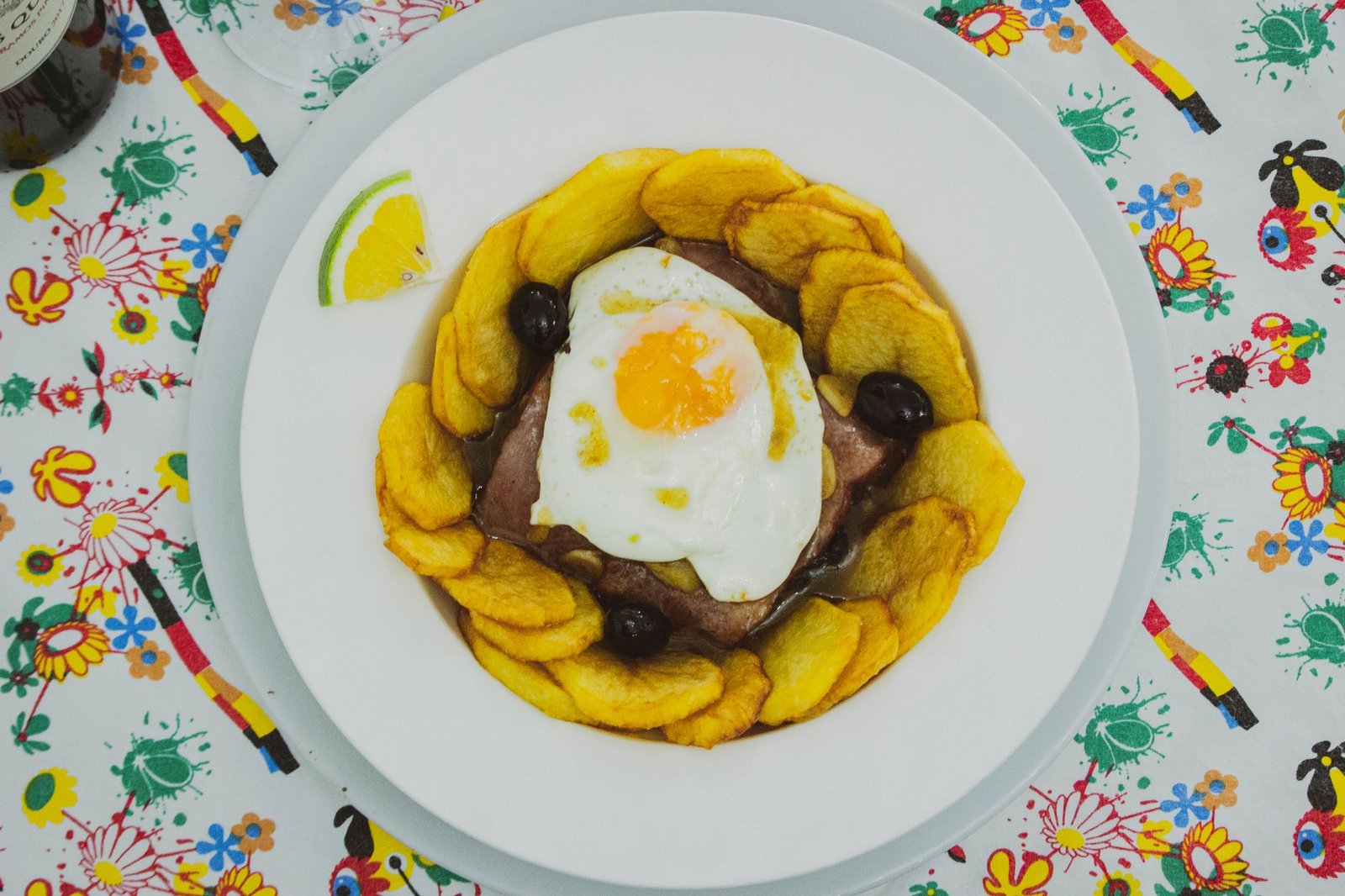
Coimbra Food Tour Guide 2026: Where to Eat Like a Local
Eating Your Way Through Coimbra in 2026
Planning a Coimbra food tour is honestly one of the better decisions you can make when visiting this university city. Most people treat Coimbra as a half-day stop between Lisbon and Porto, rush up to the old university, take some photos, and leave before dinner. That’s a mistake. The food scene here is genuinely good, rooted in Beira Litoral traditions, and far less performative than what you’ll find in the tourist corridors of Lisbon’s Alfama.
Start at Mercado Municipal Dom Pedro V
Get here before 10am on a weekday. The market on Rua Olimpio Nicolau Rui Fernandes is where locals actually shop — older women in black, restaurant owners arguing over the price of bacalhau, a cheese vendor who will absolutely let you try everything if you look remotely interested. The stalls thin out fast by noon and by Saturday afternoon the whole place feels like it’s winding down. Coffee at the counter inside costs around €0.80. Don’t eat breakfast first.
Look for queijo de Azeitão if anyone’s selling it, and the local smoked sausages from the Beira region. These aren’t the pretty artisan products packaged for tourists — they’re the real thing, vacuum-sealed in rough plastic, bought by people who are actually going to cook with them.
Street Food Worth Seeking Out
The area around Praça do Comércio and down toward the riverside gets busy with lunch crowds from about 12:30pm. You’ll find pastelarias selling pastéis de Tentúgal, which are papery, flaky pastries filled with egg cream — far more interesting than a standard pastel de nata and something Coimbra legitimately does better than Lisbon. D. Sesnando – Fábrica Pastéis Tentúgal, in the village of Tentúgal a few kilometres outside the city, is worth the short trip for them fresh. Expect to pay around €1.20 each.
Chanfana is the dish you need to order at least once. It’s slow-braised goat cooked in red wine in a black clay pot, originally from the village of Vila Nova de Poiares nearby. It sounds heavy but it isn’t — deeply savory, the meat falls apart, usually served with boiled potatoes and vegetables. Not glamorous. Exactly right.
Best Restaurants for Actual Local Food
Zé Neto
This place on Rua das Azeiteiras is about as no-frills as it gets. Plastic tablecloths, a handwritten daily menu, portions that are genuinely enormous. The arroz de lampreia (lamprey rice) is seasonal — roughly February through April — and worth planning your trip around if you can. Lunch for two with wine runs about €25-30 total. Cash preferred.
Restaurante Democrática
One of the oldest restaurants in the city, tucked into the lower town. Students have been eating here for decades. The bacalhau à Brás is consistently good, the house wine is perfectly drinkable, and you won’t spend more than €15 per person. It gets loud at lunch. That’s fine.
Arcádia
Not a restaurant — a pastelaria on Rua Ferreira Borges that’s been operating since 1982. Famous for their arrufadas, a sweet bread made with lard and eggs. One arrufada is bigger than your face and costs around €3. It’s a Coimbra thing and most visitors have never heard of it.
Organized Food Tours: Are They Worth It?
Honestly, for a first visit, yes. A good guide will get you into places you’d walk past and explain the context behind dishes that otherwise seem random. You can find well-reviewed small-group food walks through Viator and GetYourGuide — prices typically run €45-65 per person for a three-hour evening tour that includes tastings. Evening tours work better than morning ones here because the city comes alive after dark, especially with the university population around.
The tours that focus specifically on the Baixa neighborhood and include a fado performance alongside the food tend to be overpriced and touristy. Skip those. Look for ones that mention the market, traditional tascas, and regional Beira cuisine specifically.
Drinks and the Student Quarter
The upper town around the university is where you drink. Café Santa Cruz on Praça 8 de Maio is technically a tourist spot now but it’s inside a former chapel and the coffee is actually good. Go once, have a bica, move on. Bar Quebra Costas on the steep Rua Quebra Costas is where students actually drink — cheap wine, noisy, open late, no pretense.
Ginjinha is sold in small shops throughout the city for about €1 a shot. Coimbra’s version is slightly different from Lisbon’s — a bit more tart, usually served without the cherries. Try it at room temperature, not cold.
Practical Things Nobody Mentions
- Lunch is the main meal. Most traditional restaurants close between 3pm and 7pm. Don’t show up at 4pm expecting to eat chanfana anywhere.
- Reservations matter less than in Lisbon, but on Thursday and Friday nights near the university, tables fill up from 8pm.
- The lower town (Baixa) versus the upper town (Alta) — they’re connected by an elevator (€1.50) and steep stairs. Most good eating is in the Baixa.
- Portions are large. Half portions (meia dose) are standard practice and usually cost about 60-70% of the full price. Just ask.
- Tap water is fine. You’ll be charged for bottled water unless you ask specifically for água da torneira.



Book a Food Experience in Coimbra
Handpicked experiences — book with free cancellation and instant confirmation.
Explore More Food Tours
More food guides from Portugal:
You might also enjoy:
- Bordeaux Food Tour Guide (France)
- Granada Food Tour Guide (Spain)
Featured in:
Frequently Asked Questions
What is the must-try traditional dish in Coimbra that locals actually eat?
Chanfana is Coimbra's most iconic local dish — a slow-braised goat cooked in red wine inside a black clay pot. Locals eat it at no-frills tascas like Tasca do Ze Neto or during the Santa Cruz fair in May. Avoid the tourist-facing restaurants near the university stairs and head instead to the Baixa neighborhood for the authentic version.
Where do Coimbra students and locals go for cheap, authentic lunches?
The covered Mercado Municipal Dom Pedro V is the go-to spot for a proper prato do dia (daily plate) under €7, usually including soup, a main, and sometimes wine. The tascas tucked along Rua das Azeiteiras and Rua do Corpo de Deus serve home-cooked meals to workers and university staff daily. Arrive before 1 PM because seats fill fast and many places run out of food by 1:30 PM.
Is there a good food market or street food scene worth visiting in 2026?
Coimbra's Mercado de São Sebastião has undergone recent renovation and now hosts local producers selling cheeses, smoked meats, and fresh Serra da Estrela products on weekend mornings. The area around Praça do Comércio also sees occasional food stalls with pastéis de tentúgal, a delicate flaky pastry unique to this region. For the freshest experience, visit Saturday mornings between 8 AM and noon before vendors pack up.
What should I order for breakfast like a real Coimbra local?
A true local breakfast is a bica (strong espresso) paired with a torrada — thick toasted bread with a generous slab of butter — at a traditional café. Café Santa Cruz, housed inside a former chapel near the main square, is a bucket-list stop even though it sees tourists, as locals genuinely use it daily. For a quieter, more neighborhood feel, try one of the small pastelarias along Avenida Emídio Navarro near the riverfront.
Are there any food experiences in Coimbra worth booking in advance for 2026?
The Quinta das Lágrimas wine and food pairing experience, held in the historic hotel gardens, books up weeks ahead especially in spring and during the Fado festival season. Some private food tour operators like those departing from Largo da Portagem offer market-to-table experiences that include cooking with a local host, which require reservations at least 48 hours out. Fado dinner shows at A Capella also combine regional cuisine with live performance and sell out during peak university graduation season in May and June.