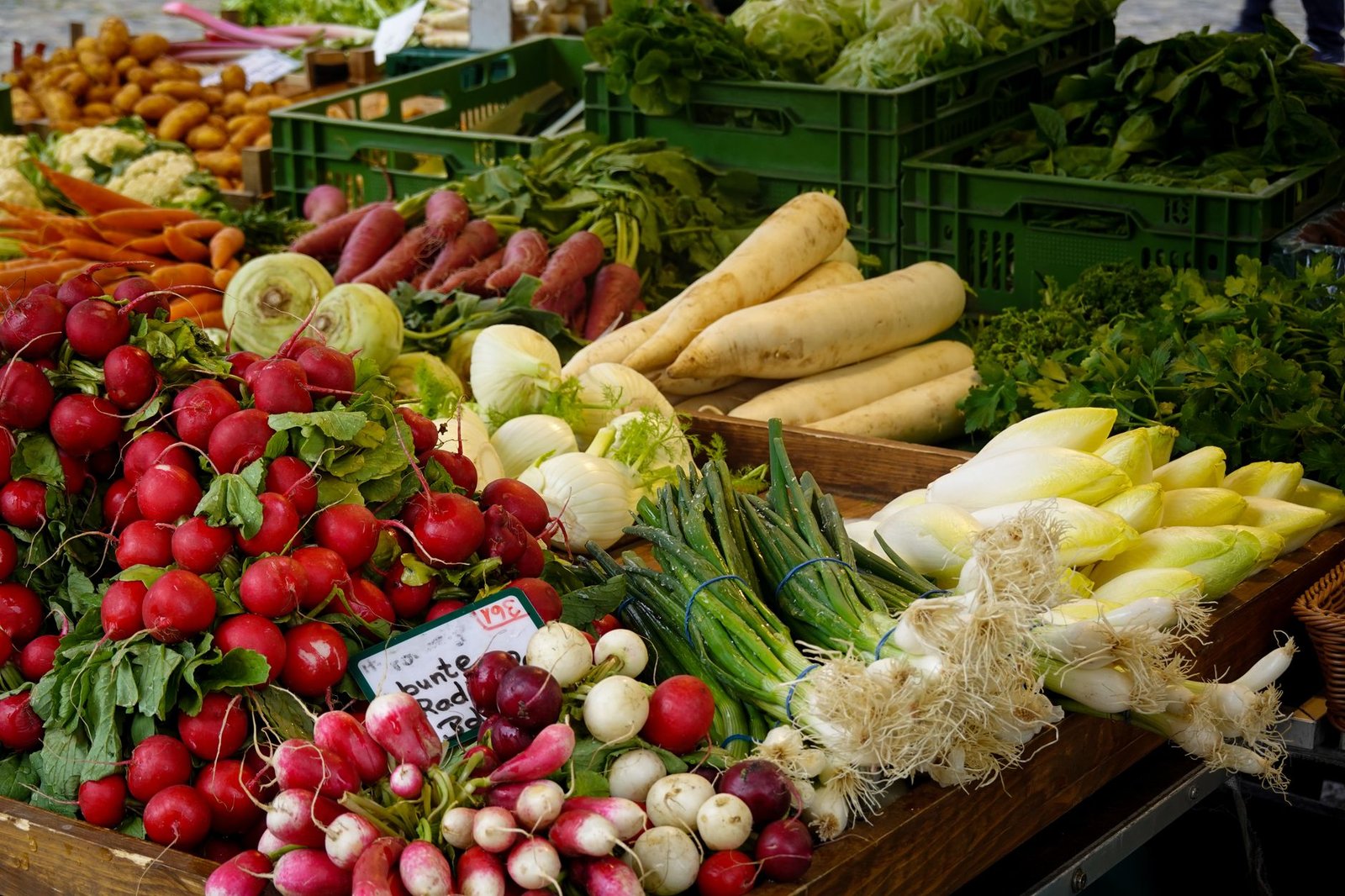
Best Farmers Markets Around the World 2026
There is something quietly magical about arriving at a farmers market before the crowds descend, watching vendors arrange perfect pyramids of stone fruit, tasting a sliver of aged cheese passed across a wooden counter, and feeling the pulse of a city through the food its people actually eat. Farmers markets are not tourist traps dressed up with rustic signage. The best ones in the world are living, breathing institutions where chefs elbow alongside grandmothers, where the honey came from rooftop hives two postcodes away, and where the bread was baked at four in the morning by someone who has been doing it for thirty years. Whether you are planning a dedicated food pilgrimage or simply want to eat better on your next city break, these are the farmers markets worth building your itinerary around in 2026.
Europe’s Most Iconic Market Floors
Europe invented the market square, and the tradition is very much alive. Three destinations in particular deserve a spot on every serious food traveller’s list.
Borough Market, London
Borough Market has operated near London Bridge since at least the 13th century, which means it has survived the plague, the Blitz, and the rise of the supermarket. Arrive on a Thursday morning between 10am and 2pm for the lightest crowds, or go Saturday if you want the full sensory riot. The market runs Tuesday through Saturday, but Saturday is when the serious traders turn up in force. Look for Neal’s Yard Dairy for raw-milk Montgomery Cheddar and Colston Bassett Stilton, both of which you can taste before buying. Bread Ahead sells doughnuts that have their own dedicated queue, but their sourdough loaves are the better buy at around £5. Brindisa is the go-to for Ibérico ham carved to order. Budget roughly £20 to £30 for a proper grazing morning. Borough Market also sits at the heart of London’s food tour scene, and guided walks available through platforms like GetYourGuide pair the market with nearby Bermondsey Street producers for a fuller picture of London’s artisan food culture.
Marché Bastille, Paris
The Marché Bastille on Boulevard Richard Lenoir is arguably Paris’s finest open-air market, and it remains refreshingly local despite its reputation. It runs Thursday mornings and all day Sunday, with Sunday being the unmissable session. Come for the seasonal produce first: in spring, look for white asparagus from the Loire, fraises de Gariguette strawberries, and fresh morel mushrooms that cost more per kilo than a decent Burgundy but are worth every centime. In autumn the tables shift to chanterelles, pumpkins, and late-season tomatoes in colours not found in any supermarket. A wheel of Comté aged 24 months from the Fromagerie Laurent stand typically runs around €6 for a generous wedge. Bring cash, arrive hungry, and leave room for a pain au chocolat from one of the boulangerie traders in the central aisle.
Campo de’ Fiori, Rome
Rome’s Campo de’ Fiori operates Monday through Saturday mornings and holds one of the most photogenic spreads of seasonal Italian produce anywhere in the world. The square itself is ancient and beautiful, which helps. Vendors here sell Romanesco broccoli in forms that look like fractal sculptures, fragrant bunches of basil, and dried peperoncini strung in long ropes. Seek out the stalls selling local Lazio olive oil; a 500ml bottle of good cold-pressed oil runs around €8 to €12 and travels home beautifully in checked luggage wrapped in a sweater. The market wraps up by 2pm, so time your visit for a mid-morning start, then sit at one of the surrounding bars for a post-shop espresso and watch the vendors pack down.
New York‘s Green Gold Standard
The Union Square Greenmarket in Manhattan is the market that changed how Americans think about farmers markets. Established in 1976 by Barry Benepe and Robert Lewis, it operates year-round on Mondays, Wednesdays, Fridays, and Saturdays, with the Saturday market being the largest and most vibrant. The market attracts some of the city’s best restaurant chefs, particularly on early Saturday mornings when you might spot the sourcing teams from Gramercy Tavern or Blue Hill loading crates into vans before most visitors have arrived.
What sets Union Square apart is its genuine seasonal rhythm. In late summer, the heirloom tomato selection from Stokes Farm alone is worth the trip uptown, with varieties ranging from Black Krim to German Stripe available for around $4 to $6 per pound. Winter brings dense root vegetables, storage apples from Hudson Valley orchards, and extraordinary raw-milk cheeses from producers like Consider Bardwell Farm in Vermont. Local honey from Brooklyn Grange, which maintains hives on a rooftop farm in Queens, typically sells for $12 to $15 for an 8oz jar and makes an exceptional edible souvenir. Card payments are increasingly accepted, but cash moves faster and keeps the transactions personal. Food tour operators on Viator offer Union Square morning walks that combine market tasting with a broader tour of the Flatiron neighbourhood, which is an efficient way to contextualise the market within New York’s wider food scene.
Asia’s Market That Defies Expectation
The Tsukiji Outer Market in Tokyo is one of the most misunderstood food destinations in the world. Many visitors think Tsukiji is finished since the wholesale inner market moved to Toyosu in 2018, but the outer market is very much open and arguably more accessible than ever. The cluster of roughly 60 small shops and restaurants around Shin-Ohashi Street in Chuo City operates most days from around 5am, with peak activity between 6am and 9am.
This is not a farmers market in the Western sense. It is a market for professional-grade ingredients sold in a retail setting, and the quality is extraordinary. Tamagoyaki vendors sell thick, sweet rolled omelettes fresh off the pan for about ¥200 to ¥300 each, and eating one standing up on the street is a genuine Tokyo experience. Dried bonito flakes, sheets of premium nori, and pickled everything line the narrow lanes. The fish vendors sell sashimi-grade cuts that you can take back to a self-catering apartment and eat for breakfast, which is precisely what you should do. Guided food tours of Tsukiji through GetYourGuide often include a sake tasting and a visit to a nearby knife shop, where the handmade Japanese kitchen knives start at around ¥8,000 and make spectacular gifts.
Barcelona‘s Market Worth the Queue
La Boqueria, officially the Mercat de Sant Josep de la Boqueria, sits on Las Ramblas and has a mixed reputation among locals who feel it has become over-touristed. They are not entirely wrong, but dismissing it entirely means missing one of the genuinely great market buildings in Europe. The trick is timing. Arrive before 9am on a Tuesday, Wednesday, or Thursday, and you will find the local produce vendors doing their actual business with neighbourhood restaurants and regular customers.
The best section for food travellers is the back of the market, away from the fruit cups and overpriced smoothie stands near the entrance. Here you will find family butchers selling Catalan sausages like fuet and botifarra, fishmongers with live shellfish in tanks, and spice vendors with saffron priced fairly by weight at around €5 for a generous pinch. The Pinotxo Bar in the northeast corner has been serving working breakfasts of chickpeas with blood sausage and glass after glass of cava since 1940. A full breakfast including a glass of something sparkling runs about €12 and is worth every euro.
Practical Tips for Market Shopping Around the World
- Always carry local currency in small denominations. Markets in Rome, Paris, and Tokyo still strongly prefer cash, and some smaller vendors have no card facilities at all.
- Visit early for the best produce selection and fewer crowds. For most European markets, arriving within the first hour of opening makes a significant difference.
- Bring a lightweight tote bag or a small backpack. Market bags sold at entrance stalls are usually overpriced and structurally optimistic.
- Ask before photographing vendors and their stalls. A quick smile and a gesture goes a long way in any language and often leads to a free sample.
- At cheese and charcuterie stalls worldwide, ask for a taste before buying. This is expected behaviour, not rudeness, and any vendor who refuses is worth skipping.
- Check market websites before visiting. Seasonal closures, public holiday schedules, and special themed market days can all affect what you find.
- Food tours booked through Viator or GetYourGuide often include skip-the-explanation benefits at busy markets, with local guides who know which vendors to prioritise on any given day.
What to Buy and What to Bring Home
The best edible souvenirs from farmers markets are the ones with a story attached. A jar of raw honey from Borough Market carries a label telling you which London postcode the hives are in. A packet of saffron from La Boqueria, properly wrapped in a small paper envelope, weighs almost nothing in a suitcase and lasts a year. Aged hard cheeses like Comté, Parmigiano-Reggiano, or a vacuum-packed wedge of Manchego travel better than soft cheeses and are generally permitted through customs when properly wrapped. Dried goods such as hand-foraged mushrooms from Marché Bastille, artisan pasta from Campo de’ Fiori vendors, or premium Japanese dashi sachets from Tsukiji are lightweight, long-lasting, and genuinely difficult to find at home. The rule of thumb is simple: buy things you cannot replicate through online shopping, and buy them from the person who made them.
The world’s great farmers markets are not just places to shop. They are edible documents of a city’s character, its seasons, and its relationship with the land and sea around it. Whether you are grazing through Borough Market on a crisp London Saturday, watching Tokyo wake up over a fresh tamagoyaki, or bargaining gently over Roman olive oil, these markets reward curiosity, patience, and an empty stomach. Plan your visit, bring cash, arrive early, and eat everything you can. For more on food travel itineraries, guided market tours, and seasonal eating guides from cities around the world, explore the full collection of food trail stories right here at FoodTourTrails.com.
Book a Food Experience in Top Destinations
Handpicked experiences — book with free cancellation and instant confirmation.
Explore More Food Tours
Guides for the cities in this article:
- Rome Food Tour Guide (Italy)
- Tokyo Food Tour Guide (Japan)
- Paris Food Tour Guide (France)
- New York Food Tour Guide (USA)
- London Food Tour Guide (UK)
- Barcelona Food Tour Guide (Spain)
Frequently Asked Questions
What is the best time of year to visit farmers markets in Europe?
Late spring through early autumn (May to October) is generally the prime season for European farmers markets, when local produce is at its most abundant and diverse. Markets in countries like France, Italy, and Germany are especially vibrant during summer harvests. Some iconic markets, such as Borough Market in London and Naschmarkt in Vienna, operate year-round with seasonal highlights worth planning around.
Do I need cash to shop at farmers markets around the world, or are cards accepted?
Cash is still strongly recommended at most farmers markets globally, as many small vendors and family stalls do not have card readers. Markets in Scandinavia and Australia tend to be more digitally advanced, with most vendors accepting contactless payments. To avoid missing out on the best stalls, carry a mix of local currency and a backup card just in case.
Which farmers markets are considered must-visit destinations for serious food travelers in 2026?
Top picks for 2026 include La Boqueria in Barcelona, Tsukiji Outer Market in Tokyo, Ferry Plaza Farmers Market in San Francisco, Marché d'Aligre in Paris, and Mercado Central in Santiago, Chile. Each offers a deeply local experience with unique regional ingredients, street food, and direct interaction with producers. Arriving early, ideally before 9 a.m., is essential at all of these to beat crowds and secure the freshest picks.
Are farmers markets in developing countries safe for tourists to eat at?
Most farmers markets in destinations like Southeast Asia, Latin America, and Africa are perfectly safe to enjoy if you follow basic food safety practices. Stick to stalls with high customer turnover, eat foods that are freshly cooked or have intact peels, and avoid raw proteins unless you are confident in the source. Millions of travelers eat safely at markets like Chatuchak in Bangkok or Mercado San Telmo in Buenos Aires every year without any issues.
Can I bring food purchased at international farmers markets back home through customs?
Customs rules vary significantly by country, and many fresh fruits, vegetables, meats, and dairy products are prohibited from crossing international borders. The United States, Australia, and New Zealand have particularly strict biosecurity laws that can result in fines if undeclared produce is found in your luggage. Packaged, shelf-stable goods like jams, dried spices, and vacuum-sealed items are generally easier to bring home, but always check your destination country's customs guidelines before purchasing.