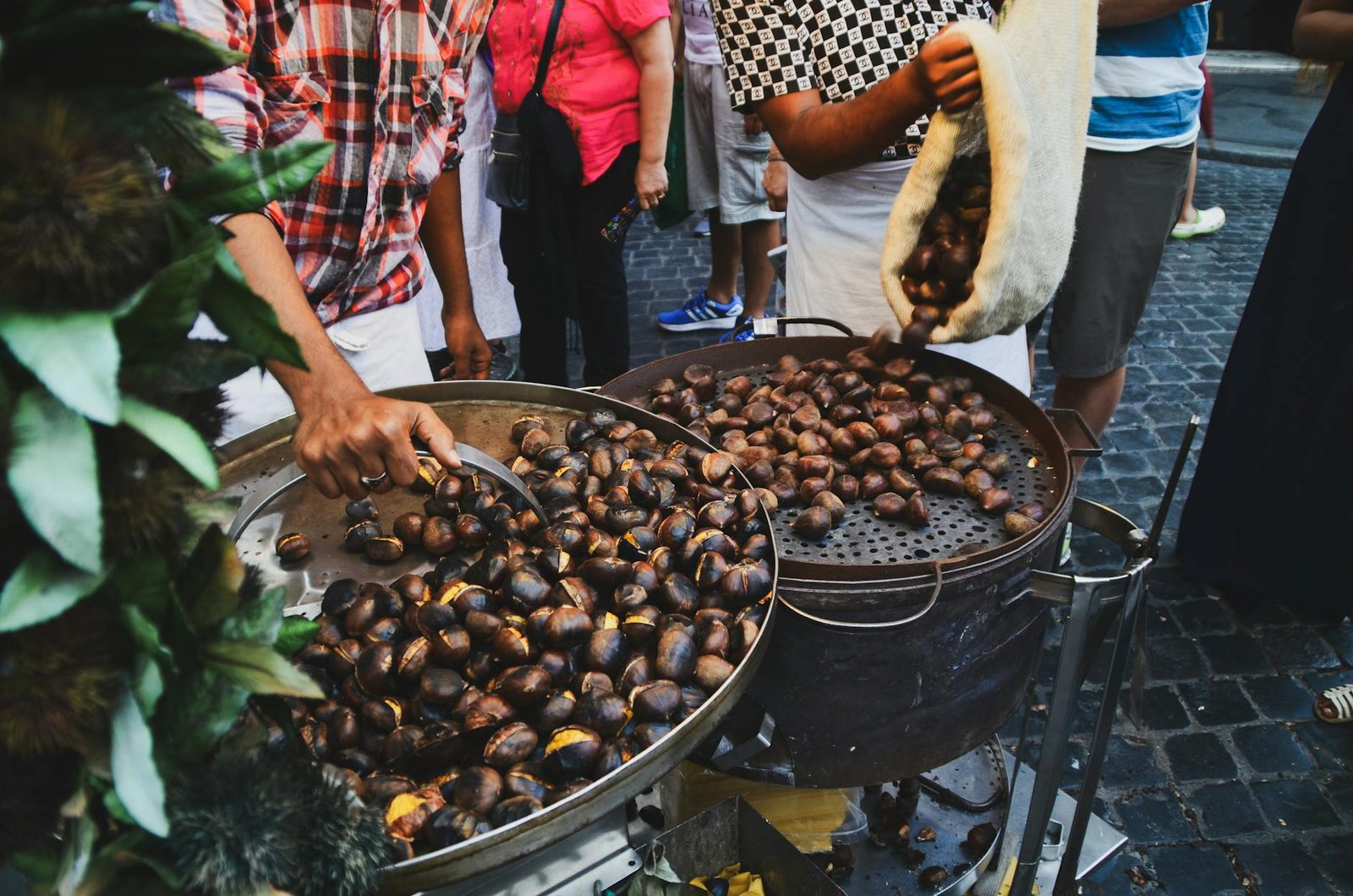
Rome Food Tour – Best Local Food & Restaurants
The Ultimate Food Guide to Rome, Italy
Rome gets talked about endlessly for the Colosseum, the Vatican, the Forum. But honestly? The food is the real reason to come back. This city rewards anyone who eats through it with purpose — a trattoria down a side street in Pigneto, a market stall in Testaccio selling porchetta sandwiches for three euros that stop you in your tracks. Eating in Rome isn’t just about filling your stomach. It’s the whole point of being there.
The History of Rome’s Food Culture
Roman food culture goes back over two thousand years, and you can actually taste that history if you know what you’re eating. Ancient Romans were serious about their food — importing spices from the Far East, growing vineyards across the empire, throwing elaborate banquets called convivia that went on for hours. Regular citizens ate at street food stalls called thermopolia, basically ancient fast food counters. Archaeologists excavated beautiful examples in Pompeii, complete with the stone counters still intact.
The Catholic Church reshaped Roman food culture through the medieval period — fasting calendars, feast days, the rhythm of abstinence and celebration still echoes in the cooking today. This is also where cucina povera comes from. Poor man’s cooking. Cheap cuts nobody else wanted — offal, tripe, oxtail — transformed through patience and technique into something genuinely remarkable. Roman cooks didn’t have much, so they made everything count.

The Jewish community here, one of the oldest in the world — dating back to the second century BC — left a permanent mark on the city’s food. The Jewish Ghetto gave Rome fried artichokes in olive oil, a dish that crossed every social boundary and became beloved citywide. Later, the Renaissance and Baroque periods refined things further, and by the 19th and 20th centuries, the classics had locked into place. Carbonara, cacio e pepe, supplì al telefono — these dishes aren’t trends. They’re institutions.
Roman cooking is fundamentally Mediterranean, which sets it apart sharply from the north. Forget butter and cream. Here it’s olive oil, cured meats, aged sheep’s milk cheese, and produce that tastes like it actually grew in soil. Romans are fiercely, sometimes almost aggressively protective of their recipes. Deviate from tradition and someone will tell you about it. That stubbornness is exactly why the food stays so good.
Must-Try Foods in Rome
1. Cacio e Pepe
Three ingredients. No cream, no butter, no shortcuts. Cacio e pepe is just spaghetti or tonnarelli, Pecorino Romano, and aggressively cracked black pepper — and getting it right is genuinely hard. The magic is starchy pasta water, which emulsifies the cheese into a sauce that coats every strand without clumping or going grainy. Most restaurants get it wrong. Tonnarello in Trastevere gets it right, and so does Roscioli near Campo de’ Fiori, where the version is almost unfairly good. If you see butter, cream, or garlic on the plate, put your fork down and leave.
2. Supplì al Telefono
Fried risotto balls with a tomato-meat ragù inside and a molten mozzarella core. The name al telefono — “telephone style” — comes from that long string of cheese that stretches when you pull one apart, like an old phone cord. Crispy shell, soft and rich inside, best eaten standing on the pavement outside a friggitoria while it’s still dangerously hot. Go to Supplì Roma on Via San Francesco a Ripa in Trastevere. It’s a small counter, there’s usually a short queue, and it’s completely worth it. This is the gold standard for the Roman food tour street snack experience.
3. Carbonara
The version most of the world knows — thick, creamy, occasionally containing peas — is not carbonara. Rome’s carbonara uses guanciale (cured pork cheek, not pancetta, definitely not bacon), Pecorino Romano, egg yolks, black pepper, and pasta. The residual heat of the pasta does the cooking, turning the eggs into something glossy and rich that somehow feels light. The guanciale matters enormously — its fatty, faintly sweet flavor is the whole point. Grotte del Teatro di Pompeo near Campo de’ Fiori has been doing this properly for a long time. Il Sorpasso in the Prati neighborhood is worth the slightly longer walk too.
4. Coda alla Vaccinara (Oxtail Stew)
This is cucina povera taken to its logical, glorious conclusion. Oxtail braised for hours in tomatoes, celery, pine nuts, raisins, and dark chocolate. It sounds like a lot, and it is — complex, savory-sweet, deeply warming. The chocolate and raisins come from ancient Roman trade routes, which brought exotic ingredients into the city and never really left the cooking. What starts as the toughest, cheapest cut of meat becomes fall-apart tender. Eat this in Testaccio, the neighborhood built around Rome’s old slaughterhouse. Flavio al Velavevodetto does a serious version, and Da Remo nearby is equally reliable.
5. Artichoke alla Giudia (Jewish-Style Artichoke)
Five hundred years old and still one of Rome’s best dishes. Young Romanesco artichokes — the violet-tinged variety you’ll see piled up at market stalls in spring — are pressed flat and deep-fried in olive oil until the outer leaves go shatteringly crisp and the heart stays tender. You eat the whole thing. Every part. It’s one of those dishes that sounds simple and then completely stops you mid-bite. The Jewish Ghetto is the only place to eat it properly. Go to Nonna Betta or Ba’Ghetto, where the artichokes are sourced carefully and the recipe hasn’t changed in generations.
6. Maritozzo con la Panna
Rome’s breakfast pastry doesn’t get enough attention outside Italy, and that’s a shame. A maritozzo is a soft, lightly sweet brioche bun sliced open and packed with an almost ridiculous quantity of whipped cream. The origins go back to ancient Rome, when sweetened honey bread was given as a romantic gift — the name comes from marito, husband. Standing at a bar counter at 7am, eating one of these with a short, punchy espresso, is one of the better ways to start a day anywhere on earth. Roscioli Caffè near Campo de’ Fiori does an excellent version. Bar San Calisto in Trastevere is cheaper and has more character.
Best Neighborhoods for Food in Rome
Testaccio
This is where Roman food makes the most sense. Testaccio sits on the east bank of the Tiber, a working-class neighborhood that spent over a century defined by the Mattatoio — Rome’s central slaughterhouse, which finally closed in the 1970s. That history shaped everything: the cooking here is offal-heavy, unapologetic, and some of the most honest food in the city. The trattorie haven’t reinvented their menus to chase trends. They don’t need to.
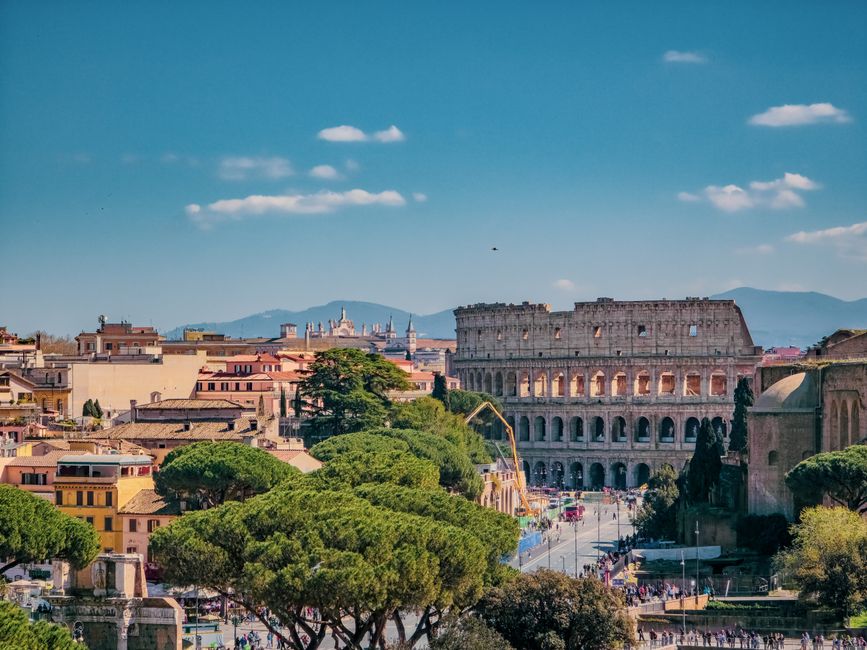
Book a Food Tour in Rome
Join a small-group food tour and taste the best of Rome with a local guide. Skip the tourist traps — discover the hidden spots only locals know.



Book a Food Experience in Rome
Handpicked experiences — book with free cancellation and instant confirmation.
Explore More Food Tours
More food guides from Italy:
- Turin Food Tour Guide
- Vegan Food Tours in Rome: The Complete Plant-Based Guide
- Venice Food Tour Guide
- Verona Food Tour Guide
You might also enjoy:
- Basel Food Tour Guide (Switzerland)
- Bern Food Tour Guide (Switzerland)
Featured in:
Frequently Asked Questions
How much does a food tour in Rome cost?
Food tours in Rome typically range from €25 to €80 per person for a guided group tour. Private tours and premium culinary experiences can cost more, while self-guided food walks are often free or low-cost.
How long do food tours in Rome last?
Most guided food tours in Rome last between 2 and 4 hours and include multiple tasting stops. Walking food tours tend to run around 3 hours, while sit-down dining experiences may last longer.
What local dishes should I try on a Rome food tour?
A food tour in Rome is the best way to discover authentic local specialties. Your guide will take you to street food markets, traditional restaurants, and neighbourhood gems that locals love — dishes you would never find on your own.
What is the best area for street food in Rome?
The best areas for street food and local cuisine in Rome are usually found in the old town, central food markets, and traditional neighbourhoods away from the main tourist hotspots. A local food guide will show you exactly where to go.
Are food tours in Rome suitable for people with dietary restrictions?
Most food tour operators in Rome can accommodate vegetarian, vegan, halal, and gluten-free diets with advance notice. Always inform your guide of any dietary requirements when booking so they can plan the best route for you.