Best Food Cities in Turkey 2026
There are destinations that feed the soul as much as the stomach, and Turkey is unquestionably one of them. From the smoky kebab stalls of Gaziantep to the fresh seafood meze tables spilling onto Aegean cobblestones, eating your way through Turkey in 2026 is one of the most rewarding adventures a food lover can undertake. Whether you are a first-time visitor or a returning devotee, these are the cities that belong at the very top of your culinary itinerary.
Istanbul, Turkey
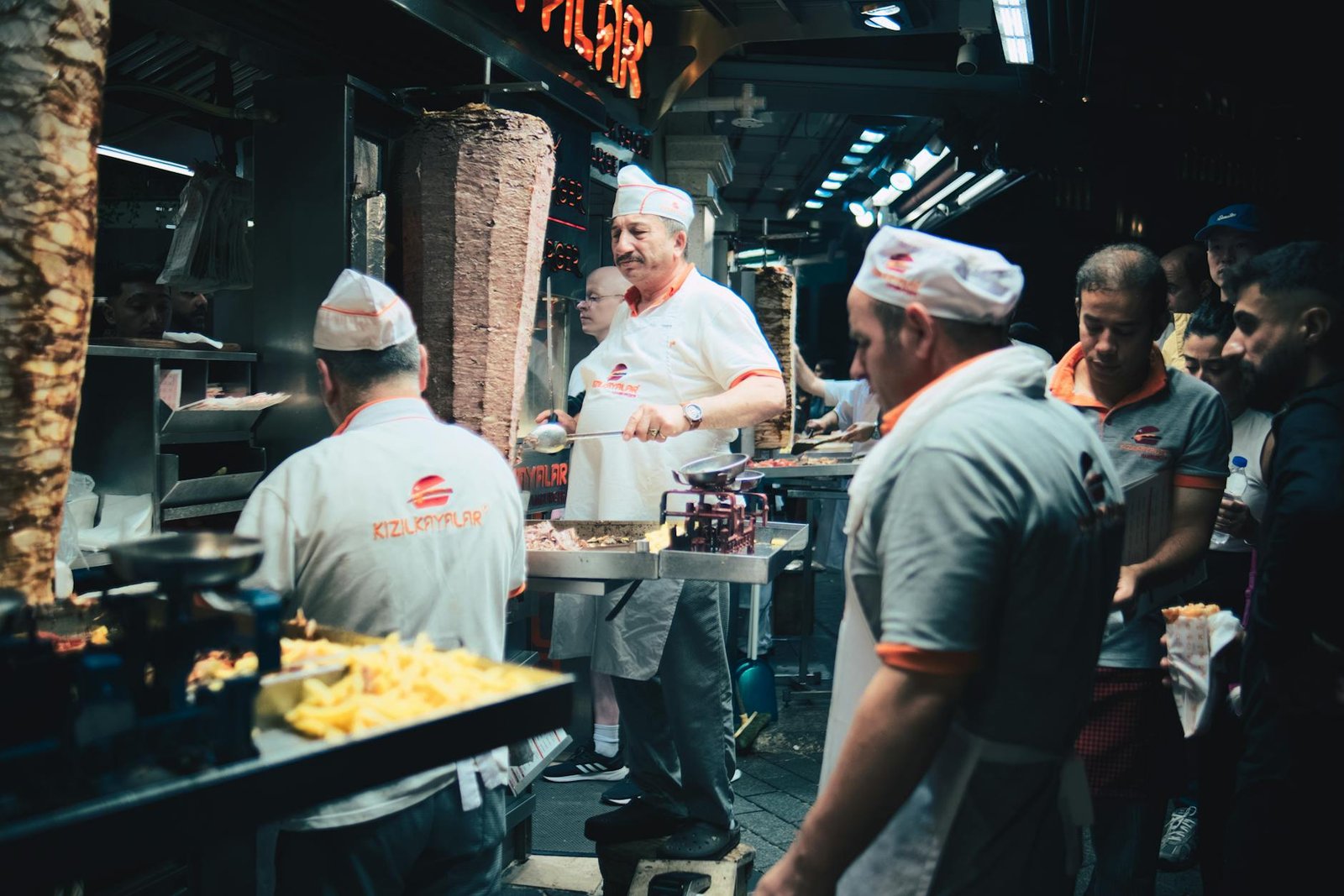
Istanbul is not simply a food city — it is a food civilization. Straddling two continents, this extraordinary metropolis layers Byzantine, Ottoman, and modern Turkish culinary traditions into something utterly irreplaceable. Breakfast here is an event in itself: a spread of olives, white cheese, sucuk sausage, kaymak clotted cream, and freshly baked simit that can last hours. By midday, the city pulses with the scent of fish sandwiches grilling on rocking boats beneath the Galata Bridge, while evening brings slow-cooked lamb tandır, rich börek pastries oozing with spinach and cheese, and glasses of anise-scented rakı beside the Bosphorus. No other city on earth offers this particular confluence of East and West on a single plate.
For serious food exploration, the neighborhoods of Karaköy and Balat reward those willing to wander. The Egyptian Spice Bazaar (Mısır Çarşısı) in Eminönü overwhelms the senses with sacks of sumac, dried figs, and hand-rolled Turkish delight, while the Kadıköy market on the Asian side is where locals actually shop — stalls piled with aged kashar cheese, fresh pomegranate juice, and the best wet burgers (ıslak hamburger) you will ever eat standing up. Karaköy’s pastry shops serve flaky açma rolls and pistachio-drenched baklava that will ruin you for lesser versions forever.
Explore our full Istanbul food guide →
Gaziantep, Turkey
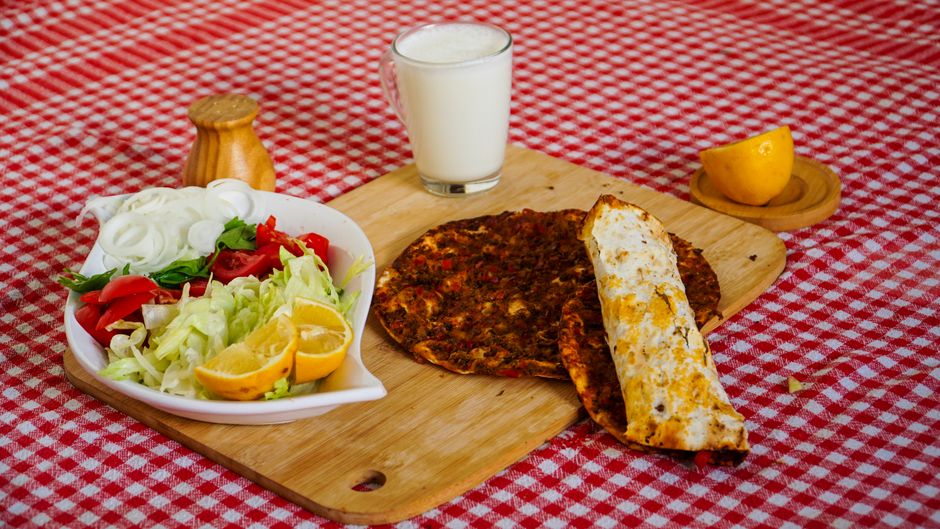
Ask any Turkish chef where the greatest food in the country comes from, and the answer is almost always the same: Gaziantep. This southeastern city near the Syrian border has earned UNESCO Creative City of Gastronomy status, and the designation could not be more deserved. Gaziantep is the undisputed capital of Turkish baklava, made with locally grown Antep pistachios and clarified butter in a tradition that stretches back centuries. Beyond the sweets, the city produces some of Turkey’s most complex dishes — lahmacun topped with hand-minced spiced meat, fiery Ali Nazik kebab served over smoky eggplant and yogurt, and beyran soup, a ferociously spiced lamb and rice broth eaten for breakfast with a side of flatbread.
The historic bazaar district around Zincirli Bedesten is the gravitational center of Gaziantep’s food scene. Here, copper-smiths work alongside spice merchants and katmer bakeries where skilled hands stretch dough paper-thin before filling it with clotted cream and crushed pistachios — a morning ritual the city takes deeply seriously. The neighborhood of Şahinbey is dotted with traditional kebab houses where restaurants have been perfecting the same recipes for generations, and the weekly fresh produce markets bring farmers in from the surrounding Anatolian plains with dried red peppers, wild herbs, and varieties of olive oil you simply cannot find anywhere else.
Explore our full Gaziantep food guide →
Izmir, Turkey
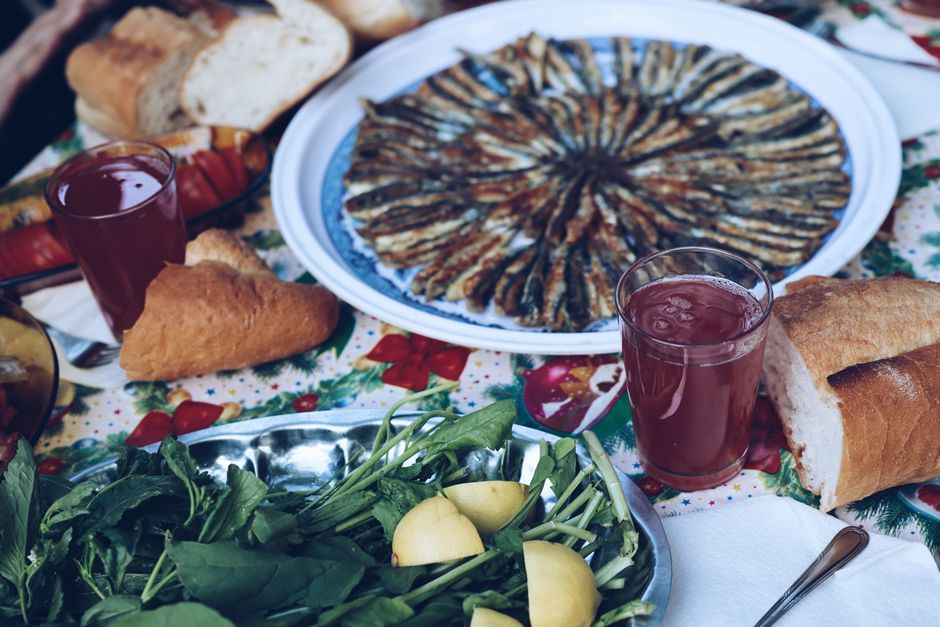
Breezy, cosmopolitan, and deeply proud of its Aegean identity, Izmir is Turkey’s most underrated food destination. The city’s cuisine is defined by an abundance of fresh vegetables, wild herbs, and olive oil — a lighter, more Mediterranean approach that stands in delicious contrast to the meat-heavy traditions of inland Anatolia. Boyoz, a flaky pastry made with tahini and flour, is Izmir’s beloved breakfast staple, eaten warm from the oven with a hard-boiled egg. Kumru sandwiches stuffed with sucuk, kaşar cheese, and tomato are the city’s cherished street food, while seafood meze spreads featuring stuffed mussels (midye dolma), grilled octopus, and sea bass in olive oil showcase the city’s coastal bounty at its finest.
The Kemeraltı Bazaar is one of Turkey’s oldest covered markets and the essential starting point for any food tour of Izmir. Wander its labyrinthine corridors and you will find vendors hawking local olive oils, hand-rolled pastırma, and herby Ege salads bursting with purslane and arugula. The Alsancak neighborhood is lined with lively restaurants and wine bars — Izmir has a flourishing local wine culture, with Aegean varietals like Bornova Misketi worth seeking out. For the full local experience, head to the Kordon waterfront on a Sunday morning when families gather with fresh bread and olives to watch the sun rise over the gulf.
Explore our full Izmir food guide →
Antalya, Turkey
Antalya is Turkey’s sun-drenched Mediterranean jewel, and while tourists often come for the beaches, those in the know come equally for the food. The city’s cuisine draws on a stunning variety of local ingredients — citrus groves, pomegranate orchards, fresh herbs from the Taurus Mountains, and some of the finest seafood on the Turkish Riviera. Piyaz, a white bean salad dressed with tahini and garnished with hard-boiled eggs, is an Antalya original and a dish of quiet genius. Hibeş, a spiced sesame and garlic dip served with fresh bread, appears on nearly every table, and the slow-roasted lamb dishes from the surrounding mountains are extraordinary in their simplicity and depth.
The old city of Kaleiçi is the atmospheric heart of Antalya’s dining scene, where Roman-era walls frame restaurants serving traditional Taurus mountain cuisine alongside waterfront tables piled with just-caught sea bream and grilled shrimp. The weekly Antalya bazaar in the Muratpaşa district is a sprawling, joyful chaos of vendors selling everything from fresh pomegranate molasses to hand-dried mountain thyme. Do not miss the local produce markets in the Fener neighborhood, where you can buy blood oranges directly from the farmers who grew them and eat them standing in the morning sunshine — one of those perfect, unrepeatable travel moments.
Explore our full Antalya food guide →
Bodrum, Turkey
Bodrum has long been Turkey’s glamorous coastal escape, but behind the gleaming yachts and whitewashed architecture lies a genuinely passionate food culture rooted in Aegean tradition. The city’s cuisine celebrates simplicity elevated by extraordinary ingredients — hand-pressed olive oil from century-old trees, the freshest Aegean fish pulled from the sea that morning, and wild herbs gathered from the surrounding peninsula. Gümüşlük, a quiet fishing village within the Bodrum district, is famous for its waterfront restaurants where you eat grilled sea bass with your feet practically in the water. Mantı, Turkey’s exquisite answer to filled pasta, is made here with extraordinary care and served smothered in garlic yogurt and paprika butter.
The Bodrum Market held every Tuesday and Friday is a vibrant gathering where local farmers and fishermen bring their finest produce directly to buyers. Stalls overflow with dried figs, tangerines, local honey, handmade tulum cheese, and the small, intensely flavored tomatoes that the Aegean grows better than almost anywhere. The Türkkuyusu neighborhood offers some of Bodrum’s most authentic meyhane-style dining — long tables, shared meze, cold rakı, and the unhurried pleasure of a meal that is meant to last the entire evening.
Explore our full Bodrum food guide →
Cappadocia, Turkey
Cappadocia’s dramatic volcanic landscape — all fairy chimneys, underground cities, and rose-colored valleys — provides one of the world’s most surreal backdrops for a meal. The cuisine here is rooted in the pastoral traditions of Central Anatolia, characterized by clay pot cooking, wood-fired flatbreads, and ingredients shaped by the harsh, fertile plateau. Testi kebabı, a slow-cooked lamb and vegetable stew sealed inside a terracotta pot and dramatically cracked open at the table, is Cappadocia’s signature dish and one you will be talking about for years. Local specialties also include manti dumplings served with tarhana soup, freshly baked gözleme flatbreads stuffed with potato and cheese, and a staggering variety of preserves and pickles made from the region’s abundant apricot and grape harvests.
The town of Ürgüp is the culinary capital of the region, with a growing number of sophisticated cave restaurants that pair traditional recipes with Cappadocian wines — and yes, the wine is exceptional. The volcanic soil of the Göreme valley produces indigenous grape varieties like Emir and Öküzgözü that are increasingly celebrated by sommeliers worldwide. The weekly market in Avanos draws local potters, farmers, and craftspeople together in a scene that feels unchanged for generations, and it is the ideal place to buy local honey, dried apricot leather, and handmade ceramic bowls to carry your food memories home.
Explore our full Cappadocia food guide →
Turkey in 2026 is a food destination firing on all cylinders — ancient traditions alive and evolving, local ingredients celebrated with fierce regional pride, and a hospitality culture that makes every meal feel like a gift. Whether you begin your journey beneath Istanbul’s minarets or end it watching a Cappadocian sunset over a clay pot of slow-cooked lamb, the country will feed you in ways that go far beyond hunger. Start planning your Turkish food journey today, and prepare to be changed by what you taste.
Book a Food Experience in Top Destinations
Handpicked experiences — book with free cancellation and instant confirmation.
Explore More Food Tours
More food guides from Turkey:
You might also enjoy:
- Sofia Food Tour Guide (Bulgaria)
- Varna Food Tour Guide (Bulgaria)
Frequently Asked Questions
What's the best time to visit Turkish food cities without overwhelming crowds?
April to May and September to October offer ideal weather and fewer tourists than peak summer months. These shoulder seasons let you explore local markets and street food vendors without fighting crowds, plus restaurants are less touristy and prices are more reasonable.
Do I need to speak Turkish to enjoy food tours in Istanbul or Izmir?
No, major food cities have English-speaking guides and menus in tourist areas, but learning basic phrases helps at local family-run eateries and markets. Many street food vendors and market stall owners appreciate effort and often offer tastings even without a shared language.
Are Turkish street foods safe to eat, and should I avoid certain vendors?
Turkish street food is generally very safe, especially from busy, popular stalls with high turnover. Avoid vendors with food sitting out in extreme heat, and stick with cooked items rather than raw preparations if you have a sensitive stomach—busy döner and pide stands are your safest bets.
What's the average cost of food experiences in Turkey's best culinary destinations?
Street food runs €2-5 per item, casual local restaurants €8-15 per meal, and mid-range restaurants €15-30. Food tours and cooking classes range €40-100 depending on duration, making Turkey significantly more affordable than Western European food cities.
Which Turkish food city is best for vegetarians and vegans?
Istanbul and Ankara have the most diverse vegetarian options with dedicated vegan restaurants and menus, while Mediterranean coastal cities like Izmir and Antalya offer fresh produce-based dishes. However, meze platters, fresh salads, and vegetable stews are available in all Turkish cities—just communicate dietary preferences clearly to restaurants.