
Best Food Cities in Southeast Asia 2026
Southeast Asia has long been the world’s most electrifying destination for food lovers — a region where centuries of trade, migration, and culinary ingenuity have produced some of the most complex, vibrant, and downright delicious cuisines on the planet. Whether you’re chasing smoky wok hei on a humid Bangkok night or hunting for the perfect bowl of pho in a centuries-old Hanoi alleyway, 2026 is shaping up to be the best year yet to eat your way across this extraordinary corner of the world. Pack your appetite and your stretchy pants — this is our definitive guide to the best food cities in Southeast Asia right now.
Bangkok, Thailand
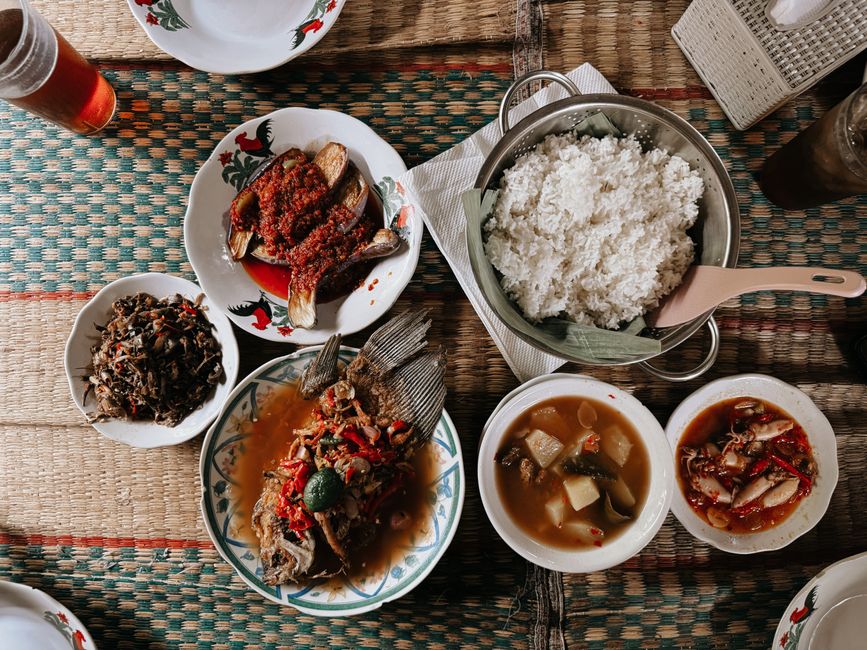
No city on earth does street food with quite the same swagger as Bangkok. The Thai capital is a sensory overload in the very best way — a place where high-end restaurants sit minutes from plastic-stool noodle shops that have been perfecting a single dish for three generations. The city’s food culture is anchored by iconic dishes like pad kra pao (stir-fried basil with pork or chicken and a fried egg), boat noodles simmered in rich pork blood broth, and the silky, flame-licked perfection of pad Thai at its absolute finest. Then there’s som tum, the fiery green papaya salad that somehow manages to be simultaneously sour, spicy, sweet, and salty in every single bite.
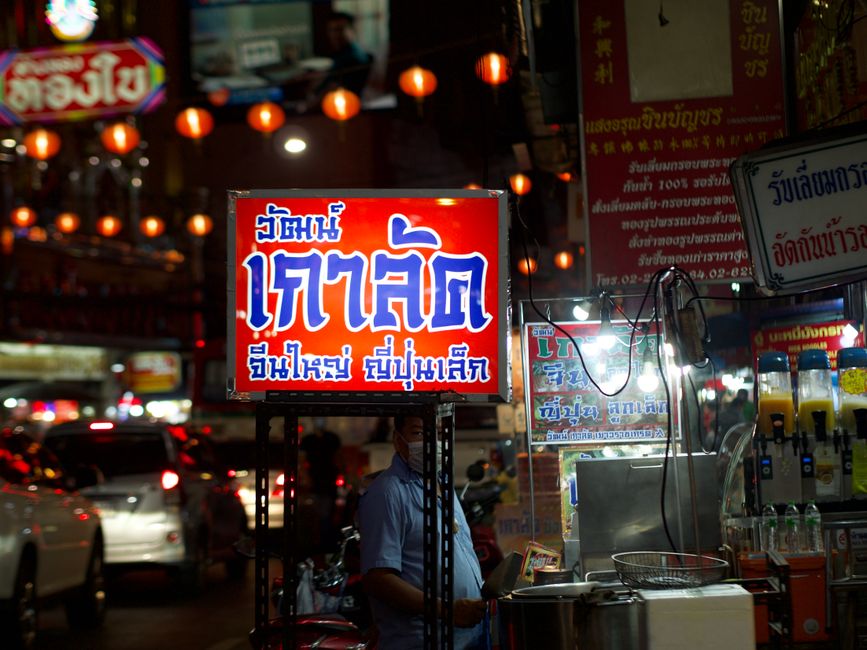
Navigating Bangkok’s food scene is itself part of the adventure. Yaowarat Road in Chinatown transforms after dark into a dazzling corridor of seafood stalls, roast duck vendors, and century-old dim sum shops. The Victory Monument area is legendary among locals for its boat noodle restaurants, while Or Tor Kor Market near Chatuchak is arguably the finest fresh market in all of Thailand — a gleaming temple to tropical fruits, artisan curry pastes, and prepared foods of breathtaking quality. For late-night cravings, the street stalls of Silom and Sukhumvit never truly sleep.
Explore our full Bangkok food guide →
Hanoi, Vietnam
Hanoi is a city that wears its culinary soul on its sleeve, and that soul is ancient, proud, and deeply nourishing. The Vietnamese capital is the birthplace of pho — the fragrant, slow-simmered beef noodle soup that has conquered the world — but to eat pho in Hanoi is to understand how pale most imitations really are. The northern Vietnamese kitchen is defined by restraint and precision: bun cha (grilled pork patties served with vermicelli noodles and dipping broth), banh cuon (silky steamed rice rolls filled with wood ear mushroom and minced pork), and cha ca La Vong, a turmeric-marinated fish dish sizzled at the table with dill and spring onions, are all essential eating.
The Old Quarter is Hanoi’s culinary heart, a labyrinth of narrow streets where each lane has historically been associated with a particular trade — and many still sell exceptional food. Bun Cha Huong Lien on Le Van Huu became world-famous after Anthony Bourdain dined there with Barack Obama, but the real magic is in wandering without a plan and ducking into wherever the locals are eating. Dong Xuan Market is a chaotic, wonderful introduction to the city’s produce and street snacks, while Hoan Kiem Lake at dawn draws vendors selling banh mi and sticky rice to early-rising Hanoians.
Explore our full Hanoi food guide →
Penang, Malaysia
Ask any serious food traveler which city in Southeast Asia punches furthest above its weight class, and Penang will almost always be the answer. This compact island state on Malaysia’s northwest coast has produced a culinary culture of staggering depth, born from centuries of Chinese, Malay, Indian, and Peranakan (Straits Chinese) influences layering upon one another in the most delicious way imaginable. Char kway teow — flat rice noodles stir-fried with cockles, Chinese lap cheong sausage, egg, and bean sprouts over screaming-hot flames — is arguably the greatest noodle dish in all of Asia. Add assam laksa (a tangy, tamarind-based fish noodle soup), cendol (a shaved ice dessert with pandan jelly and palm sugar), and nasi kandar (Indian-Muslim rice with a constellation of rich curries) and you begin to understand why food pilgrims return to Penang year after year.
Georgetown, Penang’s UNESCO-listed capital, is ground zero for the island’s food scene. Gurney Drive Hawker Centre is perhaps the most famous outdoor food court in Malaysia, packed nightly with locals and tourists alike. New Lane Hawker Centre on Lorong Baru comes alive after dark with some of the city’s best char kway teow, while the streets around Chulia Street and Love Lane are lined with heritage coffee shops — known as kopitiams — serving extraordinarily good white coffee, toast with kaya (coconut jam), and soft-boiled eggs.
Explore our full Penang food guide →
Singapore
Singapore is the only city in the world where a hawker centre has earned a Michelin star, and that single fact tells you almost everything you need to know. This small, fiercely proud city-state has elevated the cooking of its Chinese, Malay, Indian, and Peranakan communities into something that functions almost like a national religion. Chilli crab, the messy, magnificent flagship dish of Singapore cuisine, is an absolute must — as is Hainanese chicken rice, a dish of poached or roasted chicken served with fragrant rice cooked in chicken stock that is both deceptively simple and endlessly satisfying. Laksa, roti prata, and bak kut teh (a peppery pork rib soup) complete the essential checklist.
Singapore’s hawker centres are the great democratic equalizer — places where cabinet ministers and construction workers queue for the same plate of food. Lau Pa Sat in the CBD is touristy but genuinely impressive, particularly at night when satay vendors fill the surrounding street with smoke and sizzle. Maxwell Food Centre in Chinatown is home to the legendary Tian Tian Hainanese Chicken Rice stall, while Old Airport Road Food Centre in Kallang is a locals’ favourite that delivers extraordinary variety without the tourist crowds. For a more contemporary food experience, the restaurants of Keong Saik Road and Tanjong Pagar showcase Singapore’s exciting new wave of modern Asian cooking.

Explore our full Singapore food guide →
Hoi An, Vietnam
Tiny, lantern-lit Hoi An may be Vietnam’s most romantic city, but it is also, square metre for square metre, one of its most extraordinary places to eat. The ancient trading port’s cuisine is deeply regional and fiercely protected by locals who will tell you, with complete authority, that cao lau — thick wheat noodles with pork, herbs, and crispy rice crackers — can only taste correct when made with water drawn from a specific local well. White rose dumplings (banh bao vac), delicate translucent parcels of shrimp topped with crispy shallots, are another Hoi An original, as is banh mi from Phuong’s bakery on Phan Chau Trinh, which has a legitimate claim to being the best banh mi in Vietnam.
The old town’s narrow streets are packed with restaurants and cooking class operators, but some of the best eating happens at the Hoi An Central Market, where vendors along the covered riverside section serve up steaming bowls of noodles from dawn onwards. The area around An Hoi Peninsula across the Thu Bon River offers good local eating away from the tourist centre, while the neighbouring village of Tra Que is famous for its organic herb gardens — herbs that end up on almost every plate in town.
Explore our full Hoi An food guide →
Chiang Mai, Thailand
While Bangkok gets most of the culinary spotlight, Chiang Mai has quietly been building a reputation as one of Southeast Asia’s most rewarding food destinations in its own right. The capital of northern Thailand has its own distinct cuisine, shaped by the mountainous geography and the cultural influences of neighbouring Myanmar and Laos. Khao soi — a coconut curry soup with egg noodles, crispy noodles on top, and your choice of protein — is the north’s signature dish and one of the most comforting bowls of food you will ever encounter. Sai oua (northern Thai sausage fragrant with lemongrass and kaffir lime), nam prik ong (a chunky tomato and minced pork relish), and sticky rice eaten with your hands are all quintessential Chiang Mai experiences.
The Saturday and Sunday Walking Streets around Wualai Road and Tha Phae Gate are legendary for their food stalls, where you can graze through grilled corn, coconut pancakes, mango sticky rice, and a dozen varieties of northern Thai snacks for next to nothing. The Chiang Mai Gate Evening Market on the south side of the old city moat is a beloved local institution for cheap, excellent northern Thai food, while the area around Nimman Road showcases the city’s thriving café culture and contemporary restaurant scene.
Explore our full Chiang Mai food guide →
Bali, Indonesia
Bali’s food scene has undergone a remarkable transformation over the past decade, and in 2026 it stands as one of the most dynamic and diverse eating destinations in all of Southeast Asia. The island’s traditional Balinese cuisine is ceremonial in origin and extraordinary in flavour — babi guling (spit-roasted suckling pig seasoned with turmeric, lemongrass, and a complex spice paste called base gede) is the iconic centrepiece, while bebek betutu (slow-cooked duck wrapped in banana leaves and buried in smoldering coconut husks) represents the pinnacle of the island’s culinary artistry. Lawar, a salad of minced meat, vegetables, and fresh coconut, is the dish that locals make for important ceremonies and that visitors should seek out at every opportunity.
Ubud, the island’s cultural heartland, is the best base for exploring traditional Balinese food, with warung (small family restaurants) like Warung Biah Biah and the morning market at Jl. Raya Ubud offering authentic local eating at its finest. Seminyak and Canggu have evolved into genuine international dining destinations, with restaurants from acclaimed chefs sitting alongside excellent Indonesian warungs. For the ultimate babi guling experience, the legendary Ibu Oka in Ubud remains a pilgrimage site that lives up to every word of its reputation.
Explore our full Bali food guide →
Kuala Lumpur, Malaysia
Malaysia’s capital is one of the great underrated food cities of Asia — a sprawling, energetic metropolis where the cooking of the Malay, Chinese, and Indian communities has been feeding off each other for generations to produce something genuinely unique. Nasi lemak, the national dish of fragrant coconut rice served with sambal, crispy anchovies, roasted peanuts, cucumber, and a hard-boiled egg, is available everywhere from roadside stalls to five-star hotel buffets. Roti canai, the flaky, buttery flatbread served with dhal or curry for dipping, is a breakfast institution that crosses every cultural boundary, while dim sum culture in KL’s Chinatown district of Petaling Street is among the finest you’ll find outside of Hong Kong.
Jalan Alor in the Bukit Bintang neighbourhood is arguably KL’s most famous food street, transforming at nightfall into a river of plastic chairs, sizzling woks, and cold Tiger beer. Masjid India and the surrounding Kampung Baru neighbourhood are essential stops for authentic Malay and Indian-Muslim food, including excellent nasi padang and mamak-style mee goreng. Chow Kit Market is the city’s great equaliser — a vast, overwhelming, magnificent wet market and food hall where KL’s working-class food culture is on vivid, delicious display.
Explore our full Kuala Lumpur food guide →
Southeast Asia’s food cities are not just destinations — they are full-body experiences that will rearrange your understanding of what food can be and what it can mean to a culture. Whether you’re planning your first trip to the region or returning for the tenth time in search of that one perfect bowl, 2026 offers more reasons than ever to book that flight and eat your way through one of the world’s greatest culinary landscapes. Start planning, start dreaming, and above all — start eating.
Book a Food Experience in Top Destinations
Handpicked experiences — book with free cancellation and instant confirmation.
Explore More Food Tours
Guides for the cities in this article:
- Bali Food Tour Guide (Indonesia)
- Kuala Lumpur Food Tour Guide (Malaysia)
- Penang Food Tour Guide (Malaysia)
- Hanoi Food Tour Guide (Vietnam)
- Hong Kong Food Tour Guide (Hong Kong)
- Bangkok Food Tour Guide (Thailand)
Frequently Asked Questions
Which Southeast Asian food city is best for street food on a budget?
Bangkok, Thailand remains the top choice for affordable street food, where you can enjoy authentic meals for $1-3 USD. Night markets and street stalls throughout the city offer everything from pad thai to mango sticky rice without breaking the bank.
Is it safe to eat street food in Southeast Asian food cities?
Yes, street food is generally safe if you choose busy stalls with high turnover and visible food preparation. Avoid eating from vendors during non-peak hours and stick to hot, freshly cooked items rather than pre-prepared dishes.
What's the best time of year to visit Southeast Asia for food festivals?
November to February offers the best weather and coincides with major food festivals in cities like Penang and Ho Chi Minh City. This period avoids the monsoon season while maximizing your ability to explore outdoor food markets and street dining experiences.
Do I need to book fine dining restaurants in advance in Vietnamese and Thai food cities?
For high-end establishments and James Beard Award-nominated restaurants, advance booking is recommended, especially during peak season (December-January). However, casual dining and street food require no reservations and are often better experienced spontaneously.
Which food city has the most diverse cuisines: Bangkok, Penang, or Ho Chi Minh City?
Penang, Malaysia is often considered the most diverse, blending Malay, Chinese, Indian, and Thai influences in a compact area. However, Bangkok offers the most refined and innovative versions of traditional Southeast Asian cuisines with contemporary dining scenes.