
Goreme Food Tour – Best Local Food & Restaurants
Goreme, Turkey: The Ultimate Food Guide
Introduction to Goreme’s Culinary Scene
Nestled in the heart of Cappadocia, Goreme is a destination that captivates visitors with its otherworldly landscape of fairy chimneys and cave dwellings. But beyond the stunning geography lies a food scene deeply rooted in centuries of Anatolian tradition. The cuisine here reflects the region’s rich history, blending influences from Ottoman, Byzantine, and Central Asian cultures. Local chefs take pride in sourcing ingredients from surrounding farmlands, creating dishes that taste as authentic as the ancient stone formations that surround the town.
What makes Goreme’s food culture truly special is its commitment to slow food traditions and family recipes passed down through generations. Unlike the tourist-heavy restaurants found in some Turkish destinations, Goreme maintains an intimate connection between food, land, and people. Many establishments are family-run operations where the owner’s grandmother still influences the menu. Visitors to this charming town will discover that dining here is not just about eating—it’s about experiencing the warmth and hospitality that defines Turkish culture.
Essential Goreme Dishes You Must Try
When visiting Goreme, certain dishes are non-negotiable culinary experiences. Testi kebab, a stunning presentation of slow-cooked meat, vegetables, and sauce served inside a sealed clay pot, is iconic to the region and truly represents Cappadocian ingenuity. The pot is dramatically broken tableside, releasing aromatic steam and revealing perfectly tender lamb or chicken. Another must-try is mantı, delicate handmade pasta parcels filled with spiced meat or cheese, topped with garlicky yogurt and paprika oil—a dish that exemplifies Turkish comfort food at its finest.
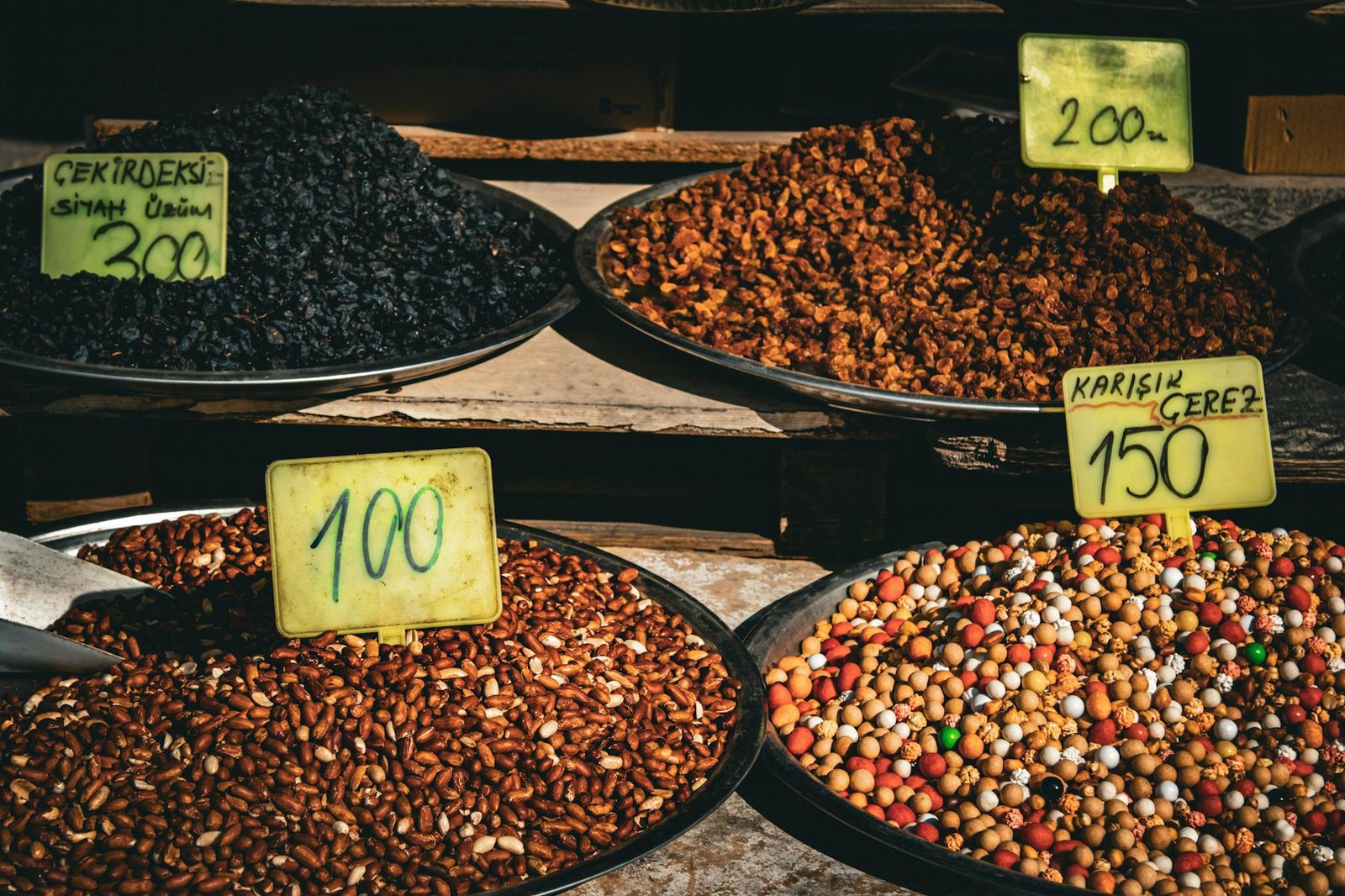
Don’t miss out on pide, the Turkish flatbread that locals call “Turkish pizza.” In Goreme, you’ll find exceptional variations filled with minced meat, cheese, spinach, or egg. The crust should be crispy on the outside while remaining soft and chewy within. Additionally, pottery kebab (also known as clay pot kebab) represents centuries of cooking tradition, with ingredients slow-cooked in ceramic vessels at low temperatures. These dishes showcase how Goreme’s cuisine is inseparable from its artisanal heritage and the unique cooking methods that have defined the region for hundreds of years.
Best Restaurants in Goreme
Anatolia Restaurant stands out as one of Goreme’s most respected dining establishments, offering stunning views of the fairy chimneys from its terrace while serving authentic Cappadocian cuisine. Their specialty is testi kebab, prepared using traditional methods that have remained unchanged for generations. The restaurant’s intimate setting and personalized service make it an ideal spot for a memorable dinner experience. Another excellent choice is Elai Winery Restaurant, which pairs locally-produced wines with traditional dishes, allowing visitors to understand the terroir of Cappadocia through both food and drink.
For those seeking a more casual yet equally authentic experience, Topdeck Cave Restaurant offers dining in an actual carved cave dwelling, providing an immersive historical atmosphere alongside excellent food. Their pottery kebab is legendary among locals and visitors alike. Meanwhile, Cappadocia Cuisine, located in the heart of Goreme’s main square, specializes in regional specialties and offers cooking demonstrations where guests can learn the secrets of traditional Cappadocian cooking. These establishments represent the best of what Goreme’s restaurant scene offers—a blend of authenticity, ambiance, and culinary excellence.
Top Street Food and Markets
Goreme’s main bazaar, though smaller than those in larger Turkish cities, offers incredible opportunities for street food exploration. Here you’ll find vendors selling fresh simit (Turkish sesame bread), warm gözleme (stuffed flatbread), and börek (savory pastries). The market comes alive in the early morning and late afternoon, when locals shop for fresh produce. A particular highlight is sampling fresh pastries from local bakeries—the smell of warm bread baking in traditional ovens is impossible to resist and represents the start of many Goreme mornings.
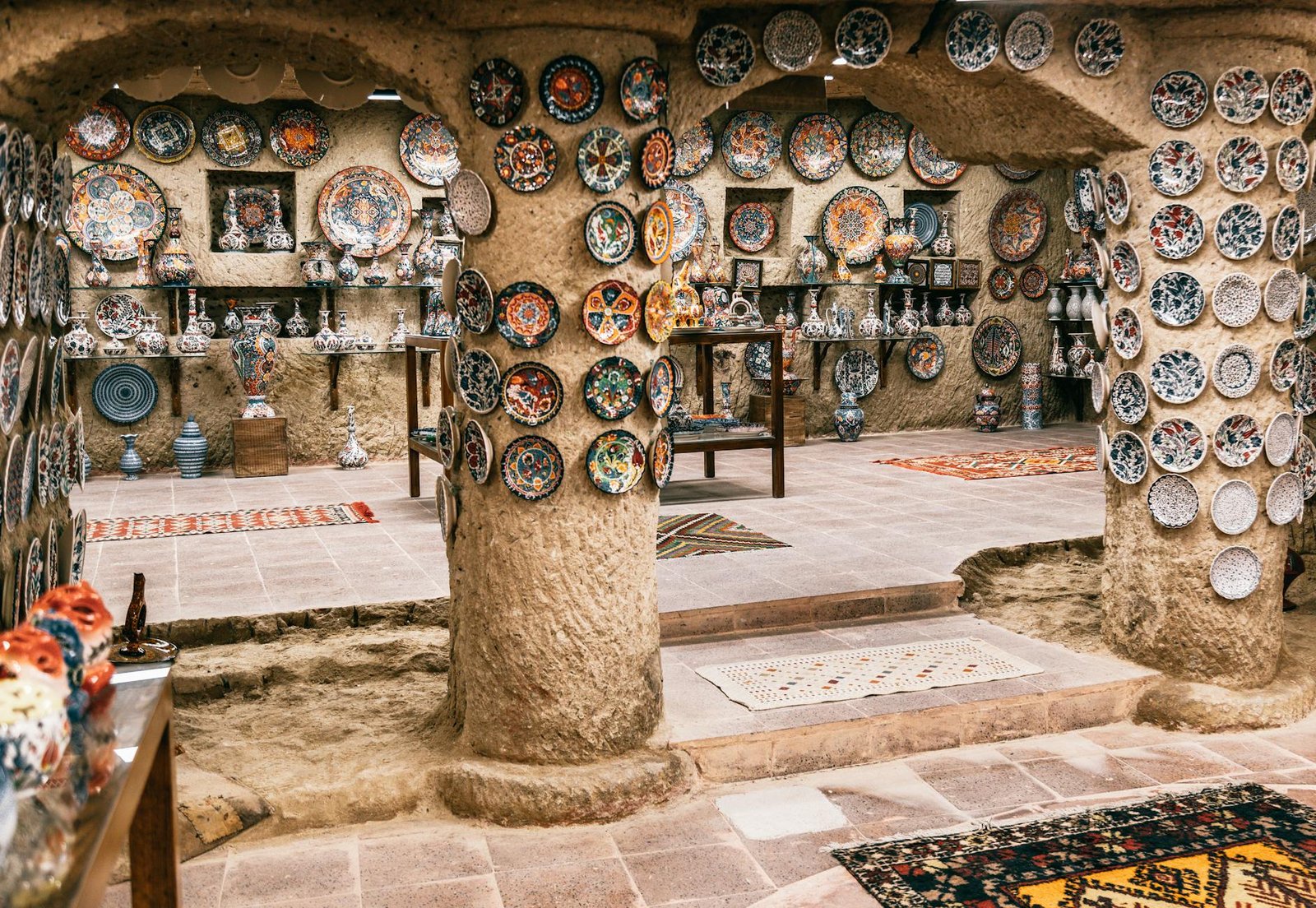
Beyond the bazaar, street vendors throughout Goreme’s village center offer delicious Turkish staples. Look for stands selling fresh corn on the cob seasoned with salt and butter, or roasted chickpeas that make perfect snacks during walking tours of the town. Mısır kavurma (roasted corn kernels) and roasted pumpkin seeds are sold by vendors near popular tourist sites. These humble street foods often provide some of the most genuine and delicious eating experiences in Goreme, especially when enjoyed while admiring the sunset over the Valley of the Fairies.
Best Food Tours Available
Several reputable tour companies offer food-focused experiences that enhance your culinary journey through Goreme. On Viator, you’ll find options like the “Cappadocia Food Tour” which includes visits to local family-run restaurants, market tours with knowledgeable guides, and opportunities to participate in cooking classes. These tours typically last 4-5 hours and include tastings of multiple regional specialties. GetYourGuide offers similar experiences, including “Turkish Cooking Class in Cappadocia” tours where visitors prepare traditional dishes alongside experienced local chefs.
These organized food tours provide invaluable context about ingredient sourcing, traditional cooking methods, and the cultural significance of specific dishes. Guides often have connections with family restaurants not widely advertised to tourists, providing access to authentic experiences that independent travelers might miss. Tours typically include wine tastings from local vineyards, visits to pottery workshops where traditional cooking vessels are made, and meals in settings that offer genuine cultural immersion rather than tourist performances.
When to Visit for Food
April through May represents the ideal season for food tourism in Goreme, when spring produce is abundant and weather permits comfortable outdoor dining on restaurant terraces. During this period, local markets overflow with fresh vegetables, herbs, and fruits that define seasonal Cappadocian cuisine. September through October offers similar advantages, with autumn harvests bringing grapes, pomegranates, and other regional specialties. The cooler temperatures during these months make enjoying hot pottery kebab and other warming dishes particularly pleasant.
While summer attracts the most tourists, it also brings intense heat that can diminish the enjoyment of hearty traditional meals. Winter sees fewer visitors and restaurant options may be limited, though this is when you’ll find the most authentic local dining experiences without tourist crowds. Additionally, spring and fall festival seasons often feature special menus and wine pairings at local restaurants, making these seasons particularly exciting for food enthusiasts seeking unique culinary offerings.
Wine and Local Beverages
Cappadocia has gained international recognition for its exceptional wines, and Goreme serves as an excellent base for wine exploration. Local wineries produce outstanding varieties from grapes grown in the region’s distinctive volcanic soil, which imparts unique mineral characteristics to the wines. Many restaurants in Goreme feature extensive local wine lists, and several offer wine pairing menus designed to complement traditional dishes. A glass of local red wine with pottery kebab or white wine with delicate seafood preparations enhances the entire dining experience.
Beyond wine, don’t overlook traditional Turkish beverages like ayran (yogurt-based drink), which perfectly complements rich kebabs and spiced dishes. Turkish tea and coffee remain central to social culture, with many restaurants offering traditional preparation methods. Some establishments brew coffee using traditional cezve (Turkish coffee pot), creating the thick, aromatic beverage that has been part of Turkish hospitality for centuries. These authentic beverage experiences provide insight into daily Turkish life and food culture beyond just the main meals.
Conclusion and Dining Tips
Goreme’s food scene rewards curious travelers willing to venture beyond their hotel restaurants and explore local eateries where recipes have been perfected over decades. Embrace the tradition of taking time for meals—Turkish dining culture values the social aspect of eating as much as the food itself. Make reservations at popular restaurants during peak season, arrive hungry for generous portions, and always ask servers for their personal recommendations about house specialties.
The culinary journey through Goreme is ultimately an exploration of Anatolian heritage, regional agriculture, and the warmth of Turkish hospitality. Whether you’re savoring testi kebab in a cave restaurant, sampling street food at the local market, or learning to prepare traditional dishes in a cooking class, every meal tells a story of this remarkable region. Leave room in your itinerary for spontaneous discoveries—some of the best meals in Goreme happen when you follow your nose to a family-run restaurant preparing lunch for locals.



Book a Food Experience in Goreme
Handpicked experiences — book with free cancellation and instant confirmation.
Explore More Food Tours
More food guides from Turkey:
You might also enjoy:
- Plovdiv Food Tour Guide (Bulgaria)
- Sofia Food Tour Guide (Bulgaria)
Featured in:
Frequently Asked Questions
What is the typical cost of a food tour in Goreme?
Most food tours in Goreme range from 50-100 USD per person, depending on the tour operator and inclusions. Budget tours typically cost 50-70 USD and include basic tastings, while premium tours with wine pairings or private guides can reach 100-150 USD.
How long does a typical food tour in Goreme last?
Most food tours in Goreme last between 3-4 hours, including walking through neighborhoods and multiple food stops. Some specialized tours may extend to 5-6 hours if they include cooking classes or visits to local family kitchens.
What local foods should I expect to try on a Goreme food tour?
You'll encounter signature Cappadocia dishes like testi kebab (slow-cooked stew in clay pots), Turkish pide (boat-shaped pastries), manti (dumplings with yogurt sauce), and local cheeses from the region. Fresh pastries, pomegranate molasses-based dishes, and traditional Turkish breakfast items are also common highlights.
Which neighborhoods in Goreme are best for street food exploration?
The central bazaar area near the town square offers the most concentrated street food vendors selling fresh pastries, gözleme (stuffed flatbread), and local produce. Sunset Hill and the areas surrounding the main mosque also feature family-run food stalls and traditional eateries favored by locals rather than tourists.
How can I ensure my dietary restrictions are accommodated on a food tour in Goreme?
Always inform your tour operator about dietary restrictions at least 2-3 days before the tour, as most guides can arrange vegetarian, vegan, or gluten-free alternatives with advance notice. Turkish cuisine naturally offers many vegetable-based mezze and dairy options, making it relatively flexible for various dietary needs.