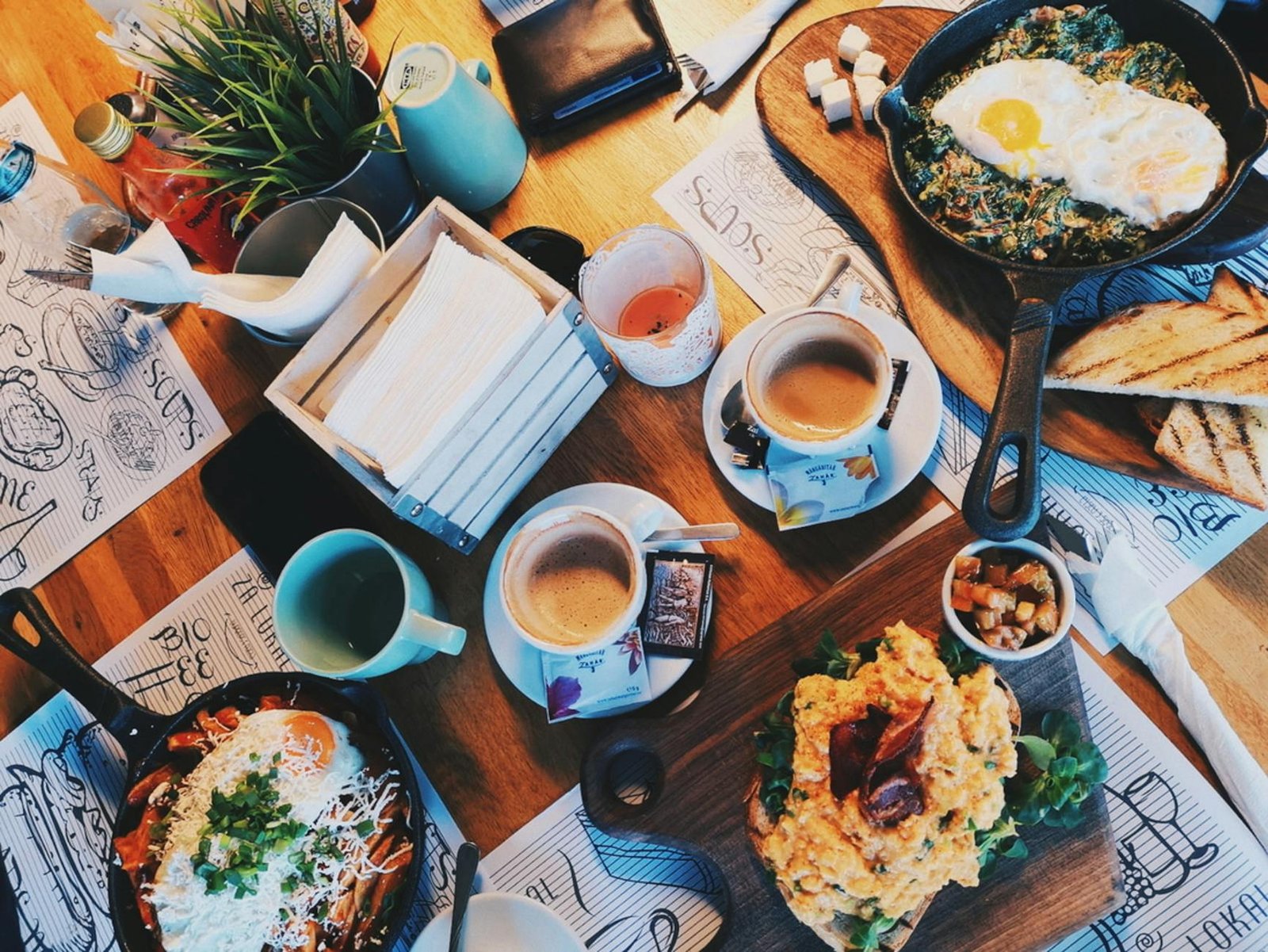
Bucharest Food Tour – Best Local Food & Restaurants
Bucharest, Romania: The Ultimate Food Guide
Introduction: A Capital City Bursting with Culinary Tradition
Bucharest, Romania’s vibrant capital, is a city where centuries of culinary tradition meet modern European sophistication. Walking through the streets of this dynamic metropolis, you’ll discover that Romanian food tells the story of a nation shaped by Balkan, Turkish, and Central European influences. The city’s food scene has exploded in recent years, with innovative chefs honoring traditional recipes while pushing boundaries in contemporary restaurants. Whether you’re hunting for street food in the Old Town or fine dining in upscale establishments, Bucharest offers an unforgettable gastronomic journey that goes far beyond what most visitors expect.
The beauty of Bucharest’s food culture lies in its authenticity and accessibility. Unlike some European capitals, you won’t need to spend a fortune to eat exceptionally well here. Local markets burst with seasonal produce, family-run establishments serve recipes passed down through generations, and street vendors offer quick bites that are both delicious and affordable. This guide will take you through the essential neighborhoods, must-try dishes, and insider spots that locals genuinely love.
Romanian Classics: The Dishes You Must Try
No visit to Bucharest is complete without tasting sarmale, Romanian stuffed cabbage rolls that are comfort food at its finest. These tender cabbage leaves are wrapped around a filling of seasoned pork and rice, then slow-cooked until they become incredibly tender. Every family has their own recipe, but the best versions in Bucharest can be found in traditional restaurants throughout the city. Pair them with sour cream and polenta for an authentic experience that will make you understand why this dish is considered the national treasure of Romanian cuisine.

Mici, small grilled meat rolls, are another essential Romanian dish that you’ll encounter everywhere from fine dining restaurants to humble street stalls. These cylindrical rolls, made from spiced ground pork and beef, are best enjoyed fresh off the grill with mustard, bread, and a cold beer. For authentic mici, head to any neighborhood restaurant or grab them from food stands in Piata Amzei Market. Ciorbă de burtă, a sour tripe soup traditionally eaten as a late-night dish, might sound intimidating to newcomers, but it’s absolutely legendary among locals. The tangy, aromatic broth is said to cure hangovers and warm the soul on cold evenings.
Exploring Piata Amzei: Bucharest’s Beating Heart
Piata Amzei, located in the Lipscani Old Town area, is the city’s most iconic farmers market and an absolute must-visit for any food lover. This lively market has operated since 1897 and remains the best place to experience authentic Bucharest food culture. Vendors sell everything from ultra-fresh vegetables and fruits to local cheeses, cured meats, and dried herbs. The sensory overload of colors, smells, and sounds is quintessentially Romanian, and it’s the perfect spot to pick up ingredients for a picnic or street food snacks.
Beyond produce, Piata Amzei houses small food stalls where locals grab quick breakfasts and lunches. You’ll find vendors selling mici, traditional pastries, and fresh squeezed juices. The market’s energy is particularly vibrant on weekend mornings when families come together to shop and socialize. Don’t miss the opportunity to sample local cheeses like telemea, a white brined cheese that tastes incredible with fresh bread and cold cuts. Arrive early to experience the market at its best and truly understand how Bucharest residents source and enjoy their food.
Top Street Food: Quick Bites Around Every Corner
Street food in Bucharest is an art form that shouldn’t be overlooked. Cozonac, a sweet bread studded with walnuts and chocolate, is available at bakeries throughout the city and makes for a perfect morning treat. More savory-minded travelers should seek out papanasi, fried dough pastries served with sour cream and jam—they’re crispy on the outside, fluffy inside, and dangerously addictive. Another street food staple is langos, a fried flatbread that can be topped with garlic, cheese, or jam depending on your preference.

For something more substantial, grab a freshly made sandwich from any of the countless street vendors selling mici or chicken wrapped in thin flatbread with fresh vegetables and tzatziki-style sauces. The area around Piata Universitatii and the Old Town is particularly rich with street food vendors, especially in the evening when locals emerge for their daily strolls. Don’t be shy about eating where locals eat—the best street food spots often look unassuming but serve food that’s been perfected over decades.
Best Restaurants: Where Tradition Meets Innovation
For an upscale dining experience that honors Romanian traditions, Caru’ cu Bere is an absolute institution. Housed in a stunning 1899 building in the Old Town, this legendary restaurant serves impeccable versions of classic dishes in an atmosphere of grandeur and elegance. The mici here are perfectly seasoned, the sarmale melt in your mouth, and the wine list showcases Romania’s underrated wine regions. While prices are higher than casual eateries, the experience is worth every lei.
For a more contemporary approach to Romanian cuisine, visit Hanu’ lui Manuc, another historic establishment that has been operating since 1808, making it one of Europe’s oldest continuously operating hotels and restaurants. Their bistro serves modernized versions of classics that respect tradition while embracing creativity. If you want to experience molecular gastronomy with Romanian influences, Lacrimi si Sfinti offers an innovative tasting menu that deconstructs traditional flavors in surprising ways. For budget-conscious travelers, seek out small neighborhood restaurants like Burebista or any of the many family-run establishments in Lipscani—these places often serve the most authentic food at incredibly reasonable prices.
When to Visit for Food: Seasonal Highlights and Festivals
Bucharest’s food scene evolves with the seasons, and each period offers unique culinary experiences. Spring brings fresh vegetables, tender young lamb, and an explosion of energy in the markets. Summer is peak season for outdoor dining, farmers markets overflowing with produce, and food festivals celebrating everything from traditional sarmale to craft beer. Autumn harvest season brings mushrooms, grapes, and the beginning of wine season—this is an excellent time to explore Romanian wines at local tastings and restaurants.
Winter transforms Bucharest into a cozy food haven where hearty soups, stews, and rich breads take center stage. The Christmas season features special traditional foods like cozonac and various meat preparations. If possible, visit during the annual Bucharest Food Festival in spring, which features cooking demonstrations, traditional dishes, and direct interaction with local chefs and producers. The city’s restaurant scene also experiences fewer crowds during shoulder seasons (April-May and September-October), making it easier to secure reservations at popular establishments.

Best Food Tours: Guided Experiences
For visitors who want expert guidance through Bucharest’s food scene, several platforms offer excellent options. Viator offers multiple food tours including “Bucharest Food and Wine Walking Tour” and “Street Food and Market Tour,” which combine tastings with cultural insights from knowledgeable guides. GetYourGuide features similar experiences, including specialized tours focused on Old Town food experiences and market exploration. These guided tours typically last 3-4 hours and include multiple tastings, providing excellent value and insider knowledge about neighborhoods and hidden gems you might otherwise miss.
Booking a food tour is particularly valuable if you’re interested in learning Romanian, visiting family-run establishments, or understanding the cultural significance behind traditional dishes. Guides can navigate language barriers, recommend wine pairings, and take you to authentic spots beyond the typical tourist circuit. Most tours are reasonably priced (between 40-80 EUR per person) and often include several meals plus drinks, making them an economical choice for exploring the city’s food culture comprehensively.
Practical Tips for Food Exploring in Bucharest
Come with an adventurous palate and respect for tradition, but also know that many dishes can be quite heavy and rich. Don’t try to experience everything in one visit—focus on neighborhoods and return multiple times to truly appreciate the culinary landscape. Learn a few Romanian phrases related to food; locals genuinely appreciate the effort and often reward it with warmer service and recommendations. Budget wisely: street food and casual restaurants cost 5-15 EUR, while mid-range establishments range from 15-40 EUR, and fine dining can exceed 50 EUR per person.
Visit markets in the morning for the best selection and atmosphere, make restaurant reservations in advance for popular establishments, and don’t hesitate to ask locals for recommendations—Bucharesters are genuinely proud of their food culture and eager to share favorites. Finally, stay hydrated and wear comfortable shoes; exploring Bucharest’s food scene involves considerable walking through vibrant neighborhoods and markets where the best discoveries await those willing to wander.


Book a Food Experience in Bucharest
Handpicked experiences — book with free cancellation and instant confirmation.
Explore More Food Tours
More food guides from Romania:
You might also enjoy:
- Debrecen Food Tour Guide (Hungary)
- Kotor Food Tour Guide (Montenegro)
- Plovdiv Food Tour Guide (Bulgaria)
Featured in:
Frequently Asked Questions
How much does a food tour in Bucharest cost?
Food tours in Bucharest typically range from €25 to €80 per person for a guided group tour. Private tours and premium culinary experiences can cost more, while self-guided food walks are often free or low-cost.
How long do food tours in Bucharest last?
Most guided food tours in Bucharest last between 2 and 4 hours and include multiple tasting stops. Walking food tours tend to run around 3 hours, while sit-down dining experiences may last longer.
What local dishes should I try on a Bucharest food tour?
A food tour in Bucharest is the best way to discover authentic local specialties. Your guide will take you to street food markets, traditional restaurants, and neighbourhood gems that locals love — dishes you would never find on your own.
What is the best area for street food in Bucharest?
The best areas for street food and local cuisine in Bucharest are usually found in the old town, central food markets, and traditional neighbourhoods away from the main tourist hotspots. A local food guide will show you exactly where to go.
Are food tours in Bucharest suitable for people with dietary restrictions?
Most food tour operators in Bucharest can accommodate vegetarian, vegan, halal, and gluten-free diets with advance notice. Always inform your guide of any dietary requirements when booking so they can plan the best route for you.