Budva Food Tour – Best Local Food & Restaurants
Budva, Montenegro: The Ultimate Food Guide
Discovering Budva’s Mediterranean Culinary Heritage
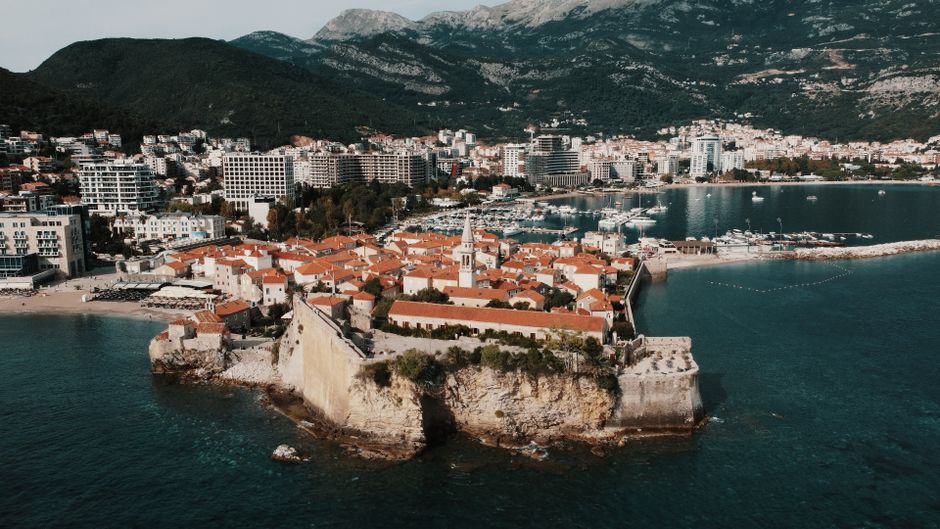
Nestled along the Adriatic coast, Budva is a captivating medieval town that serves as Montenegro’s gastronomic gateway to authentic Balkan and Mediterranean cuisine. This ancient seaside destination, with its terracotta rooftops and winding cobblestone streets, has quietly become one of the Adriatic’s most exciting food destinations. The local food scene reflects centuries of cultural influences from Venice, the Ottoman Empire, and traditional Serbian and Montenegrin traditions, creating a unique culinary identity that surprises and delights visitors.
The food culture in Budva is deeply connected to the sea and the surrounding mountains. Fresh seafood dominates menus throughout the town, while inland agriculture provides seasonal vegetables, herbs, and dairy products that shape the local diet. What makes Budva particularly special is that many restaurants still source ingredients from local fishermen, farmers, and family suppliers, ensuring authenticity and supporting the community. Whether you’re dining at a sit-down restaurant or grabbing a quick bite from a street vendor, you’ll taste the genuine flavors of Montenegro’s Riviera.
Must-Try Local Dishes and Specialties
No visit to Budva is complete without tasting njeguški pršut, a prosciutto-style cured ham from the nearby mountain village of Njeguši. This delicate, paper-thin ham is aged in the cool mountain air and has a distinctive smoky flavor that pairs perfectly with local cheese and fresh bread. You’ll find it on virtually every menu in Budva, but the quality varies significantly between establishments. The best versions are served simply with fresh figs, melon, or just warm bread, allowing the complexity of the meat to shine through.
Seafood is the undisputed king of Budva’s cuisine. Fresh grilled octopus drizzled with olive oil and lemon juice is served in nearly every restaurant and is absolutely essential to try. The Adriatic’s rich waters provide an abundance of fish, including sea bream, sea bass, and John Dory, all prepared with minimalist elegance. Don’t miss buzara, a traditional Adriatic preparation where shellfish like mussels, clams, and scallops are cooked in white wine with garlic and fresh herbs. For something truly unique, try black risotto made with squid ink—a specialty that appears on upscale menus and represents the sophisticated side of Budva’s food scene.
Exploring Budva’s Markets and Food Streets
The heart of Budva’s food culture beats strongest in the Stari Grad (Old Town) area, where narrow medieval streets are lined with specialty food shops, wine bars, and casual eateries. Start your exploration at Njegoš Street, the main thoroughfare, where you’ll find family-run shops selling local cheeses, cured meats, and fresh produce. The morning energy here is infectious, with locals selecting ingredients for the day’s meals and shopkeepers proudly discussing the origins of their products.
While Budva doesn’t have a large traditional market like some other Mediterranean towns, the weekly market at Lazarevac is worth visiting if you’re in town on the right day. Here, mountain farmers bring produce, honey, cheese, and rakija (fruit brandy) directly from their villages. The friendly vendors are always happy to explain their products and often offer samples. This authentic experience gives you insight into how Montenegrin food traditions persist in the surrounding countryside.
Top Street Food and Quick Bites
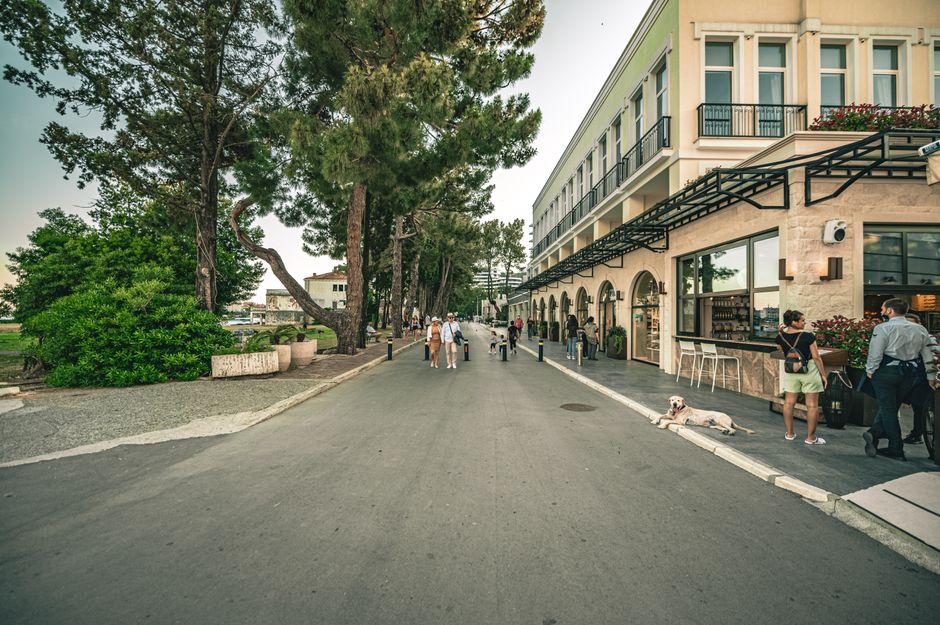
For budget-conscious travelers and those seeking quick, authentic meals, Budva’s street food scene is vibrant and delicious. Burek, a savory pastry filled with meat, cheese, or spinach, is the ultimate grab-and-go food found at bakeries throughout the town. Ćevapi, small grilled meat sausages served with flatbread and onions, are sold from small kiosks and shouldn’t be missed. These salty, flavorful morsels are perfect for lunch and cost just a few euros. Look for vendors near the Citadel or along the main promenade for the best examples.
Kajmak, a rich dairy product similar to clotted cream, appears on bread and in pastries throughout Budva. It’s particularly delicious in a fresh burek first thing in the morning. Fresh seafood risotto and grilled fish are also available from casual beachfront vendors, where you can eat while watching the Adriatic sparkle. For something sweet, try lokum (Turkish delight) or baklava from the many confectioneries in the Old Town—these treats are often homemade and represent the Ottoman influence on Montenegrin cuisine.
Best Restaurants in Budva
Budva’s restaurant scene ranges from casual waterfront taverns to sophisticated dining establishments. Jadran, located right on the beach, is beloved for its fresh seafood and traditional preparations—their scampi buzara and grilled sea bass are exceptional.
For an authentic local experience, seek out casual spots favored by locals for excellent fresh fish, reasonable prices, and genuine hospitality. In places like these you’ll find families and fishermen dining alongside tourists, all enjoying some of the coast’s finest seafood at honest prices.
Wine and Local Beverages
Montenegro produces remarkable wines that remain largely undiscovered outside the region. Vranac, a full-bodied red wine from inland vineyards, pairs beautifully with grilled fish and seafood despite the unconventional pairing. Krstač, a crisp white wine, is perfect alongside fresh oysters and lighter fish dishes. Visit local wine bars in the Old Town to taste these wines directly from producers and learn about Montenegro’s growing wine reputation. Many restaurant owners are passionate about local wines and happy to make recommendations based on what you’re ordering.
Beyond wine, don’t miss rakija, the traditional fruit brandy that Montenegrins drink before meals as an aperitif. Plum rakija is the most common variety, though fig and grape versions also appear throughout Budva. Coffee culture is also significant here—Montenegrin coffee is strong, served in small cups, and accompanied by water and often a sweet treat. Sit in a café along the waterfront, order a coffee, and watch the fishing boats return with the day’s catch while locals engage in animated conversation around you.
Best Food Tours and Experiences
If you prefer guided culinary exploration, several platforms offer excellent food tours in Budva. Viator offers guided Old Town food tours that include visits to local restaurants, markets, and artisanal producers, with knowledgeable guides sharing stories about Montenegrin cuisine and culture. GetYourGuide also features Budva food experiences, including cooking classes where you can learn to prepare traditional dishes from experienced local cooks. These tours typically include market visits, hands-on cooking, and meals featuring your creations paired with local wine.
For a more immersive experience, consider staying at an agriturismo or guesthouse run by locals who offer farm-to-table dinners and cooking experiences. These intimate settings provide authentic insights into how Montenegrin families eat daily, beyond what restaurants present. Many also arrange visits to local cheese makers, fishermen, and mountain villages where you can source ingredients directly and understand the food system that sustains Budva’s culinary traditions.
When to Visit for the Best Food Experience
The ideal time to experience Budva’s food scene is during the shoulder seasons of May to June and September to October. Summer months bring peak tourism and higher prices, though seasonal seafood is at its best. Winter is quieter and offers authentic local dining, though some restaurants close seasonally. Spring and autumn provide the perfect balance—fewer tourists, comfortable weather, and abundant seasonal produce and fresh catches.
If possible, time your visit to coincide with local festivals. The Budva Festival in the summer features food stalls and traditional performances. The olive harvest season, typically October through November, is wonderful for seeking out fresh olive oil and understanding this crucial element of Montenegrin cuisine. Visiting during these periods gives you the most authentic taste of how locals celebrate and experience their food culture throughout the year.


Book a Food Experience in Budva
Handpicked experiences — book with free cancellation and instant confirmation.
Explore More Food Tours
More food guides from Montenegro:
You might also enjoy:
- Berat Food Tour Guide (Albania)
- Rovinj Food Tour Guide (Croatia)
- Split Food Tour Guide (Croatia)
- Belgrade Food Tour Guide (Serbia)
Featured in:
Frequently Asked Questions
How much does a food tour in Budva cost?
Food tours in Budva typically range from €25 to €80 per person for a guided group tour. Private tours and premium culinary experiences can cost more, while self-guided food walks are often free or low-cost.
How long do food tours in Budva last?
Most guided food tours in Budva last between 2 and 4 hours and include multiple tasting stops. Walking food tours tend to run around 3 hours, while sit-down dining experiences may last longer.
What local dishes should I try on a Budva food tour?
A food tour in Budva is the best way to discover authentic local specialties. Your guide will take you to street food markets, traditional restaurants, and neighbourhood gems that locals love — dishes you would never find on your own.
What is the best area for street food in Budva?
The best areas for street food and local cuisine in Budva are usually found in the old town, central food markets, and traditional neighbourhoods away from the main tourist hotspots. A local food guide will show you exactly where to go.
Are food tours in Budva suitable for people with dietary restrictions?
Most food tour operators in Budva can accommodate vegetarian, vegan, halal, and gluten-free diets with advance notice. Always inform your guide of any dietary requirements when booking so they can plan the best route for you.