Kotor Food Tour – Best Local Food & Restaurants
Kotor, Montenegro: The Ultimate Food Guide
A Culinary Gateway to the Adriatic
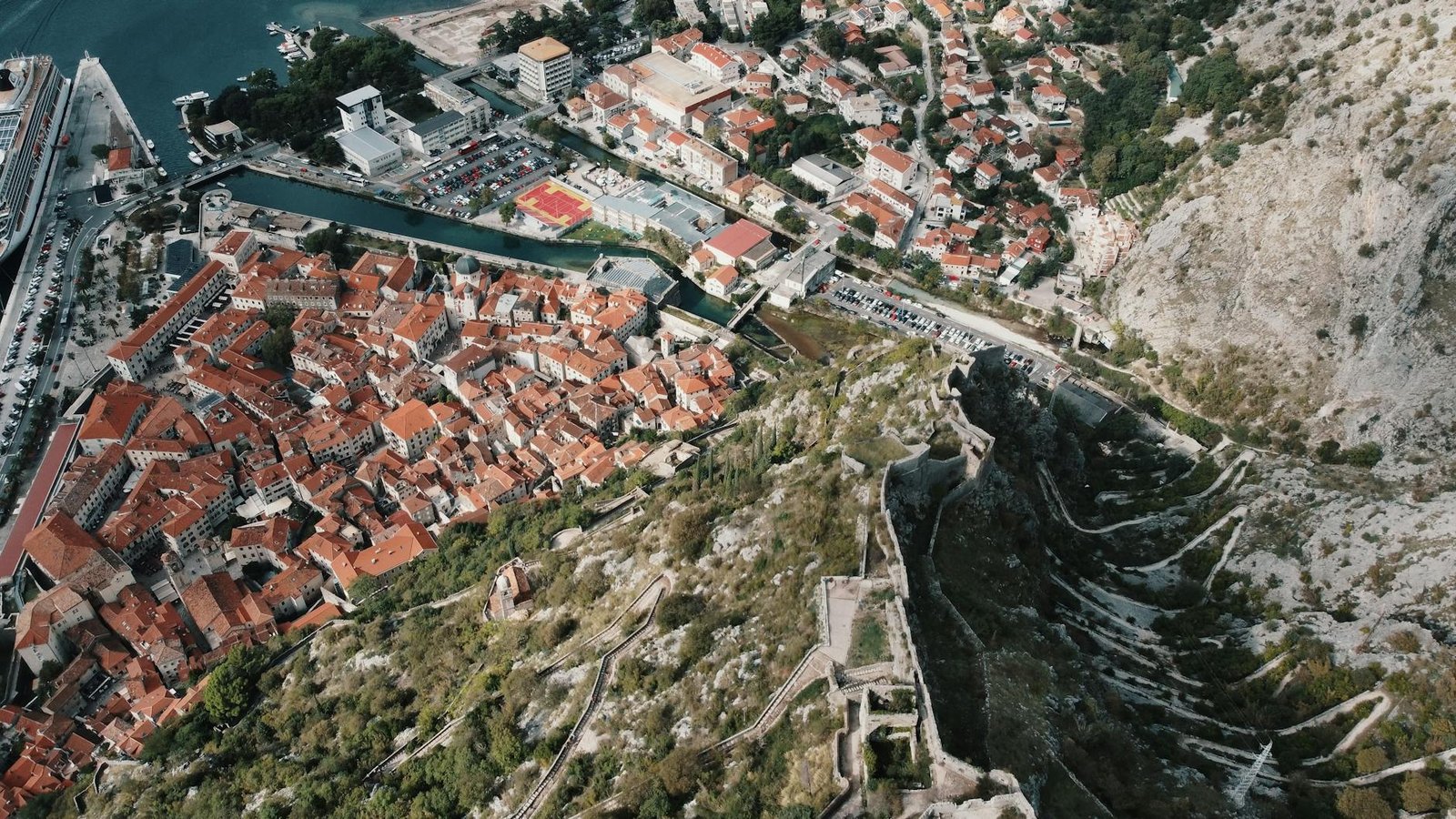
Kotor, nestled within the stunning Bay of Kotor, is a hidden culinary treasure where Mediterranean traditions meet Balkan flavors. This ancient walled town boasts a food scene that reflects centuries of Venetian, Ottoman, and local influences, creating a unique gastronomic experience that rivals better-known European destinations. The narrow cobblestone streets hide family-run restaurants serving recipes passed down through generations, while fresh seafood from the Adriatic takes center stage in virtually every dining establishment.
The food culture in Kotor is deeply connected to the region’s maritime heritage and agricultural abundance. Local ingredients like fresh fish, octopus, mussels, and locally-grown vegetables form the foundation of traditional Montenegrin cuisine. What makes Kotor’s food scene special is its authenticity—this isn’t a place where chefs reinvent traditions for Instagram aesthetics. Instead, locals and visitors alike gather to enjoy genuine, time-honored dishes prepared with respect for tradition and pride in local sourcing.
Local Markets and Fresh Ingredients
The Kotor Town Market, located near the main entrance to the Old Town, is the beating heart of local food culture. Open early each morning, this vibrant marketplace bursts with color and energy as vendors display the day’s catch and seasonal produce. You’ll find everything from fresh Adriatic fish to locally-grown tomatoes, olives, and herbs that supply the town’s best restaurants. Wandering through the market offers an authentic glimpse into how Kotor’s residents source their ingredients and plan their meals.
The best time to visit the market is early morning, around 7-8 AM, when fishmongers lay out their morning catch and farmers arrange their freshest produce. Vendors are typically eager to chat and share information about their products, making it an educational experience alongside your shopping. You might find Mediterranean bass, sea bream, langoustines, and local varieties of mussels that appear in restaurants throughout the town. Don’t miss the opportunity to grab fresh figs, strawberries, or whatever is in season—these make perfect ingredients for picnicking along the waterfront.
Best Seafood Restaurants in the Old Town
Galion, by the wharf outside the Old Town walls with a glass terrace over the inner bay, is renowned for its traditional Montenegrin seafood preparations. Their daily specials depend entirely on what the fishermen bring in, ensuring you’re always eating the freshest catch. The grilled sea bream and their signature octopus under the bell (octopus prepared in a traditional stone oven) are absolutely exceptional.
Taverna Boka, located near the waterfront, offers stunning views of the bay alongside creative seafood dishes that respect traditional flavors. Their pasta with seafood, particularly the spaghetti with langoustines, showcases how Montenegrin cuisine beautifully incorporates Italian influences. The owner is often present and passionate about discussing the day’s specials and wine pairings from local producers. For a slightly more upscale experience without losing authenticity, this is your destination.
Galion Restaurant, situated on the waterfront with tables practically touching the water, serves traditional grilled fish and seafood risottos. The simplicity of their preparations allows the quality of ingredients to shine—their whole grilled fish, simply prepared with olive oil, lemon, and local herbs, exemplifies Mediterranean cooking at its finest. Evening dining here, watching the sunset over the bay, creates memories that linger long after your meal ends.

Traditional Montenegrin Dishes You Must Try
Pag cheese, named after the island of Pag, is one of the most important culinary contributions from the region and appears throughout Kotor’s food scene. This hard, salty cheese has a distinctive flavor shaped by the unique herbs sheep graze on in Pag’s arid landscape. You’ll find it in local shops, on restaurant platters, and at the market—try it with local honey for a perfect sweet-and-salty combination. Many restaurants serve Pag cheese as part of their antipasto plates alongside local prosciutto and smoked fish.
Buzara is a traditional Adriatic preparation of shellfish, typically mussels or shrimp, cooked in white wine with garlic, tomatoes, and local herbs until the shells open. Nearly every seafood restaurant in Kotor offers their version, and it’s considered comfort food along the coast. The sauce is just as important as the shellfish itself—it’s perfect for soaking up with crusty local bread. Ordering buzara is a rite of passage for first-time visitors to the region.
Sarma, traditional rolls of cabbage leaves filled with seasoned meat, represents the Ottoman influences in Montenegrin cuisine. These are typically served with sour cream and represent hearty, home-cooking traditions. Look for sarma at family-run restaurants rather than tourist establishments—the difference in quality and flavor is remarkable. Locals often prepare this dish at home, so finding authentic restaurant versions requires seeking out places where multigenerational families cook.
Top Street Food and Casual Bites
Grilled squid (lignje na gradele) from seafood kiosks near the waterfront offers one of Kotor’s most satisfying quick meals. These simple grilled preparations, served with lemon and fresh bread, cost just a few euros but deliver authentic coastal flavors. The squid is caught daily and grilled fresh to order—arrive late afternoon for the best selection. Eating fresh grilled squid while watching boats navigate the bay embodies the Kotor experience.
Burek, the beloved Balkan pastry filled with meat, cheese, or spinach, appears in bakeries throughout town. While simple and humble, a quality burek from a local bakery, still warm from the oven, is sublime. Zelnik (spinach-filled burek) is particularly popular for breakfast or lunch. Local bakeries near the market serve these throughout the day, and they’re perfect for eating on-the-go while exploring the old town’s winding streets.

When to Visit for the Best Food Experience
Spring (April-May) and early fall (September-October) represent the ideal times for a food-focused visit to Kotor. During these seasons, the weather is perfect for outdoor dining, tourist crowds haven’t overwhelmed restaurants, and local ingredients reach their seasonal peak. Spring brings fresh fish migrations and early vegetables, while fall features the final harvests of Mediterranean produce and warm, comfortable evenings perfect for lingering at waterfront tables.
Summer, while beautiful, brings peak tourism and inflated prices. Winter is quieter, and some restaurants close seasonally, but it offers advantages for those seeking authentic local dining without the crowds. Winter is when locals reclaim their restaurants, and you’re more likely to experience genuine Montenegrin hospitality. The Kotor Seafood Festival, typically held in summer, celebrates the region’s maritime food heritage and features special menus at participating restaurants.
Best Food Tours and Culinary Experiences
Viator and GetYourGuide both offer guided food tours through Kotor that provide valuable context about local cuisine and history. These tours typically last 3-4 hours and include visits to local markets, tastings at family-run establishments, and guided navigation through the Old Town’s culinary highlights. Guides often have personal connections with restaurant owners and vendors, providing access to special tastings and insider recommendations you wouldn’t discover independently.
For self-guided exploration, consider booking a private cooking class at one of Kotor’s local kitchens or visiting restaurants that offer kitchen tours. Some family-run establishments will arrange special experiences for interested visitors, showing you how traditional dishes are prepared and allowing you to participate in the cooking process.
Wine and Local Beverages
Montenegro produces exceptional wines that pair beautifully with local seafood. Vranac, a robust red from inland regions, and Krstac, a crisp white, are the country’s most celebrated varieties. Many Kotor restaurants feature curated lists of Montenegrin wines, and locals are passionate about sharing their country’s viticulture story. Wine bars in the Old Town often offer tastings of multiple local producers, allowing you to discover your preferences before committing to a bottle at dinner.
Rakija, a potent fruit brandy, is the traditional digestif throughout the region. After-dinner rakija, homemade by locals and offered as a digestif, represents genuine hospitality. Local craft beers are also emerging as Kotor develops its craft beverage scene, with several small breweries producing quality alternatives to mass-market options.


Book a Food Experience in Kotor
Handpicked experiences — book with free cancellation and instant confirmation.
Explore More Food Tours
More food guides from Montenegro:
You might also enjoy:
- Berat Food Tour Guide (Albania)
- Tirana Food Tour Guide (Albania)
- Mostar Food Tour Guide (Bosnia and Herzegovina)
- Novi Sad Food Tour Guide (Serbia)
Frequently Asked Questions
How much does a food tour in Kotor cost?
Food tours in Kotor typically range from €25 to €80 per person for a guided group tour. Private tours and premium culinary experiences can cost more, while self-guided food walks are often free or low-cost.
How long do food tours in Kotor last?
Most guided food tours in Kotor last between 2 and 4 hours and include multiple tasting stops. Walking food tours tend to run around 3 hours, while sit-down dining experiences may last longer.
What local dishes should I try on a Kotor food tour?
A food tour in Kotor is the best way to discover authentic local specialties. Your guide will take you to street food markets, traditional restaurants, and neighbourhood gems that locals love — dishes you would never find on your own.
What is the best area for street food in Kotor?
The best areas for street food and local cuisine in Kotor are usually found in the old town, central food markets, and traditional neighbourhoods away from the main tourist hotspots. A local food guide will show you exactly where to go.
Are food tours in Kotor suitable for people with dietary restrictions?
Most food tour operators in Kotor can accommodate vegetarian, vegan, halal, and gluten-free diets with advance notice. Always inform your guide of any dietary requirements when booking so they can plan the best route for you.