
Johannesburg Food Tour – Best Local Food & Restaurants
Johannesburg, South Africa: The Ultimate Food Guide
A City Where Food Tells Stories of Culture and Innovation
Johannesburg is South Africa’s culinary capital, a vibrant metropolis where township traditions blend seamlessly with contemporary fine dining. This sprawling city of over 5 million people has transformed into one of Africa’s most exciting food destinations, offering everything from street vendor treasures to refined restaurants. The food scene here is deeply rooted in the city’s rich history and multicultural fabric, reflecting influences from Zulu, Sotho, Indian, Italian, and Portuguese communities. Whether you’re exploring the bustling streets of Soweto or sipping craft cocktails in the trendy neighborhoods of Braamfontein and Maboneng, you’ll discover that food in Johannesburg is never just about sustenance—it’s about connection, story, and celebration.
The city’s food renaissance has emerged over the past decade, with young chefs reclaiming traditional recipes and reimagining them for modern palates. Johannesburg’s restaurant scene now rivals those of Cape Town and other major African cities, yet it maintains an authenticity that makes it truly special. From neighborhood eateries serving authentic braais (South African barbecues) to acclaimed restaurants helmed by visionary chefs, Johannesburg offers an incredibly diverse and rewarding culinary adventure.
Traditional South African Cuisine: The Soul of Johannesburg
To understand Johannesburg’s food culture, you must experience traditional South African dishes that have been passed down through generations. Pap and relish—a humble staple made from maize meal served with a savory vegetable relish—represents the heart of township cuisine and can be found at countless informal eateries throughout the city. Bunny chow, a Durban-born dish that has become a Johannesburg favorite, features hollowed-out bread loaves filled with curry, offering a deliciously practical meal that locals grab on the go. Sosaties, Cape Malay-influenced meat skewers marinated in turmeric and coriander, are grilled to perfection at street stalls and casual restaurants throughout the city.
Boerewors—spiced South African sausage—and the ubiquitous braai culture form the backbone of social gatherings and casual dining experiences. Visit any neighborhood like Parkhurst or Norwood, and you’ll find braai restaurants where meat is grilled over open flames in a tradition that dates back centuries. Samp and beans, morogo (wild spinach), and tripe preparations showcase how resourcefulness and culinary skill have created profound, deeply satisfying dishes from humble ingredients. These traditional meals connect visitors directly to South Africa’s cultural heart.
Top Street Food and Informal Markets
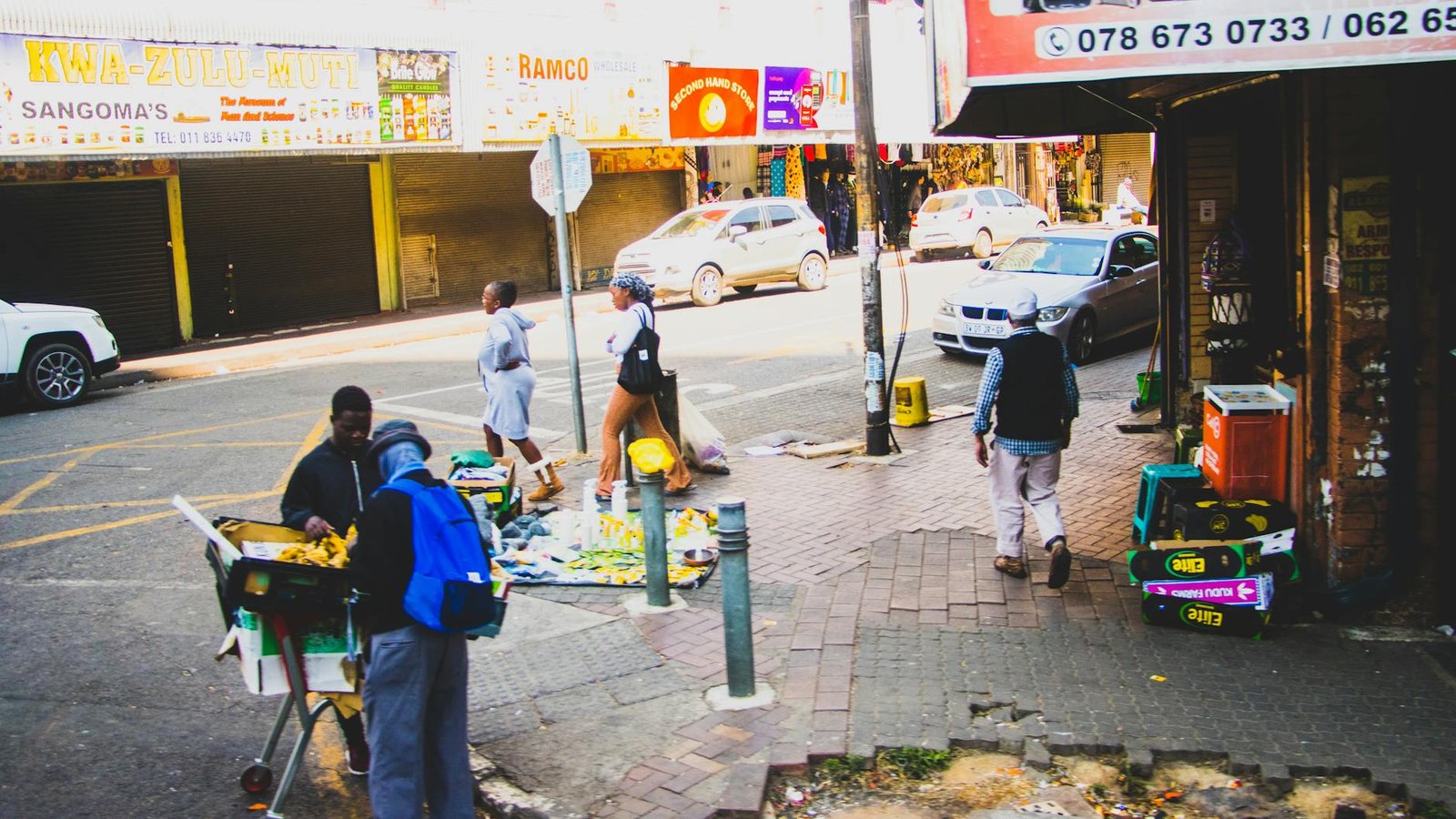
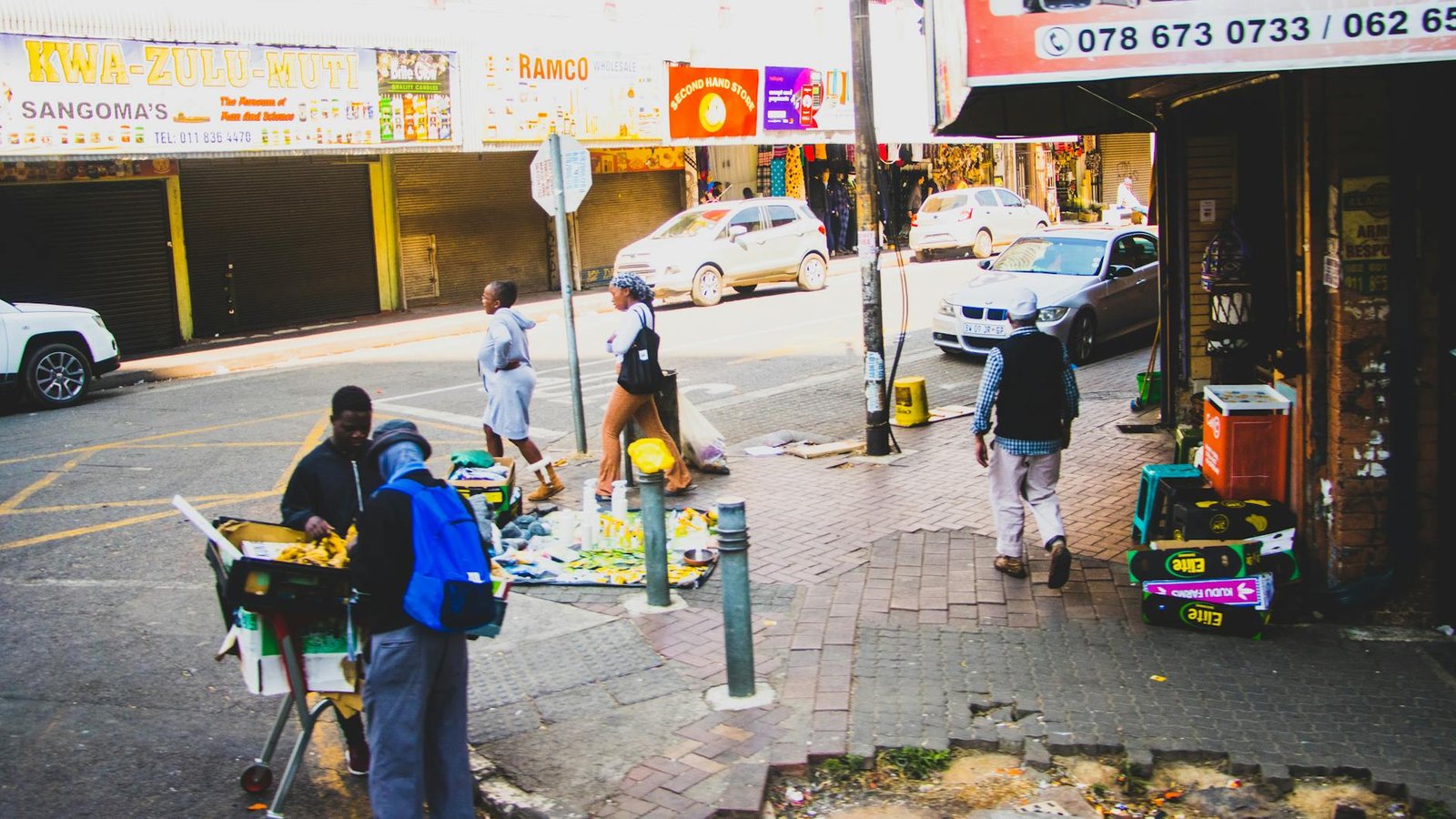
Johannesburg’s street food scene pulses with energy, particularly in areas like Soweto, Alexandra Township, and around the inner-city neighborhoods. The Johannesburg Fresh Produce Market, located in Braamfontein, is an essential stop where vendors sell everything from fresh fruit and vegetables to prepared foods, spices, and local delicacies. Early mornings here are particularly vibrant, with traders setting up stalls and the air filled with the aromas of grilling maize, fresh herbs, and sizzling meat. Street vendors specializing in droëwors (dried sausage), boiled mealies (corn), and grilled chicken offer quick, authentic bites that cost just a few rand.
The informal food stalls in Soweto, particularly around Vilakazi Street and the Soweto Towers area, serve legendary street food that transforms into memorable dining experiences. Amakubalo (boiled sheep’s head), skhova (tripe), and vetkoek (fried bread) served with various toppings are beloved street foods that tell stories of resourcefulness and flavor innovation. Night markets and food pop-ups in Maboneng and Arts on Main showcase contemporary takes on traditional street food, where young entrepreneurs are elevating casual eating into a culinary art form. These spaces represent the cutting edge of Johannesburg’s food democracy.
Vibrant Neighborhood Food Scenes
Braamfontein has emerged as Johannesburg’s trendiest food neighborhood, with restaurants like Tender and Food Lover’s Eatery Braamfontein creating destination-worthy dining experiences. The neighborhood’s urban regeneration has attracted innovative chefs and food entrepreneurs who are creating exciting, boundary-pushing cuisine while respecting traditional flavors. Maboneng, with its artsy vibe and revitalized warehouse spaces, hosts numerous food venues including Jojo Rooftop Lounge and Art on Main, where street food vendors and pop-up restaurants celebrate both heritage and innovation. The pedestrian precinct here buzzes with energy, particularly on weekends, making it perfect for exploring multiple dining experiences in one evening.
Norwood offers a more relaxed, residential feel with excellent braai restaurants and casual eateries that serve authentic local cuisine without pretense. Fourways and Sandton cater to fine dining preferences, home to acclaimed restaurants and upscale experiences. Melville and Parkhurst attract younger crowds with craft beer venues, farm-to-table restaurants, and eclectic dining options. Each neighborhood tells its own food story, contributing to Johannesburg’s diverse and dynamic culinary landscape.
Best Restaurants in Johannesburg
Sebule, consistently ranked among the city’s most celebrated dining destinations, offers a breathtaking tasting menu that celebrates South African ingredients with stunning creativity. The restaurant’s commitment to storytelling through food and wine creates an unforgettable experience. Marble Restaurant in Braamfontein presents French techniques applied to African ingredients, while Truffles On The Park combines a lush parkside setting with exceptional cuisine. For those seeking innovative takes on traditional food, Tender showcases grass-fed meat and seasonal vegetables prepared with artistic precision.
For a more accessible but equally authentic experience, Rembrandt Slaghuis in Linden is an old-school destination for exceptional biltong, including cured game such as wildebeest and warthog. Thyme Restaurant celebrates locally-sourced ingredients and classical cooking techniques. Fishmonger Illovo serves incredible seafood, while Vera Vita offers farm-to-table dining with a strong commitment to sustainability. These restaurants represent varying price points and styles, ensuring that visitors of all preferences can find unforgettable dining experiences throughout the city.
Best Food Tours Available
Several excellent platforms offer curated food tour experiences in Johannesburg. Viator offers multiple township food tours that provide authentic cultural immersion, particularly popular are Soweto food and cultural tours that include visits to local homes, markets, and street food stalls. These tours often include tastings of traditional dishes and opportunities to interact with local food vendors and families. GetYourGuide features similar experiences, including comprehensive Johannesburg food tours that combine historical context with culinary exploration, often led by knowledgeable local guides who share personal stories and insider knowledge.
Many tours combine food experiences with cultural education, visiting Soweto’s Apartheid Museum or nearby historical sites while sampling authentic meals at local restaurants and street stalls. These guided experiences provide not just food tastings but meaningful cultural exchange, ensuring visitors understand the historical and social context behind traditional dishes. Booking through established platforms provides safety, reliability, and the benefit of experienced tour guides.
When to Visit for Food
Johannesburg’s food scene thrives year-round, though the best times generally coincide with milder weather. Spring (September-November) brings fresh ingredients to markets, with restaurants celebrating seasonal produce. Summer (December-February) is peak braai season, with outdoor dining and street food stalls particularly active. The city also hosts food festivals and events throughout the year, including the Johannesburg Festival of Beer and various neighborhood food markets that rotate seasonally. Many farm shops and markets emphasize different produce depending on the season, so visiting during different times offers varied culinary experiences.
Weekends, particularly Saturday mornings and afternoons, offer the most vibrant street food and market experiences. The Braamfontein precinct and Maboneng neighborhoods pulse with energy on Friday and Saturday evenings when food stalls open and restaurants maximize their energy. For the most authentic township food experiences, daytime visits allow for safer exploration of street vendors and informal eateries where locals actually eat daily.
Essential Food Experiences You Cannot Miss
A braai experience is non-negotiable—whether at a restaurant or if you have access to accommodation with braai facilities. Visiting the Johannesburg Fresh Produce Market early morning to sample street food and interact with vendors provides authentic immersion. Dining at least one meal at a traditional township restaurant or eating establishment ensures you experience genuine local flavors. Taking a guided Soweto food tour combines cultural education with culinary discovery, offering context and stories that transform meals into meaningful experiences.
Johannesburg’s food scene represents South Africa’s soul—complex, diverse, resilient, and incredibly delicious. Whether you’re savoring street food from informal vendors or enjoying multi-course tasting menus at acclaimed restaurants, you’re participating in a living food culture that continues to evolve while honoring its roots. The city invites food lovers to engage with its stories, traditions, and innovations through every meal.



Book a Food Experience in Johannesburg
Handpicked experiences — book with free cancellation and instant confirmation.
Explore More Food Tours
More food guides from South Africa:
You might also enjoy:
- Fes Food Tour Guide (Morocco)
- Alexandria Food Tour Guide (Egypt)
- Cairo Food Tour Guide (Egypt)
- Marrakech Food Tour Guide (Morocco)
Featured in:
Frequently Asked Questions
What is the typical cost of a food tour in Johannesburg?
Most food tours in Johannesburg range from R350 to R800 per person depending on the duration and inclusions. Premium tours that include tastings at fine dining establishments or private chef experiences can cost upwards of R1,200 per person. Many tours include several food tastings and drinks, making them reasonably good value for the experience.
How long do typical food tours in Johannesburg last?
Most food tours in Johannesburg last between 3 to 4 hours for walking tours of neighborhoods like Braamfontein or Maboneng. Some extended tours that include transport to multiple areas can run 5 to 6 hours. Evening food tours often focus on nightlife and dining experiences and typically last 3 to 4 hours.
What local Johannesburg foods should I expect to try on a food tour?
You can expect to sample iconic South African dishes like bunny chow (curry in hollowed bread), boerewors (spiced sausage), and pap with various relishes. Local specialties include sago (a traditional Sotho dish), chakalaka (spicy vegetable relish), and vetkoek (fried bread). Tours often feature craft beers and local coffee, with many stopping at street vendors selling traditional Zulu or Xhosa cuisine.
Which neighborhoods in Johannesburg are best for street food tours?
Braamfontein is the top destination for street food, featuring hip eateries, food trucks, and local vendors in a vibrant atmosphere. Maboneng offers artisanal food experiences with craft producers, bakeries, and gourmet street food in converted warehouses. Soweto township tours provide authentic local cuisine and cultural immersion with traditional foods prepared by locals.
How can I handle dietary restrictions on a Johannesburg food tour?
Always inform your tour operator in advance about vegetarian, vegan, halal, kosher, or allergy requirements so they can customize the route and tastings. Johannesburg's growing food scene accommodates most dietary needs, with many neighborhoods offering plant-based alternatives and specialized restaurants. Most reputable tour companies will work with you to ensure you have meaningful food experiences that respect your restrictions.