
Amalfi Food Tour – Best Local Food & Restaurants
Amalfi, Italy: The Ultimate Food Guide
Introduction: A Culinary Paradise on the Tyrrhenian Sea
Amalfi, nestled along Italy’s breathtaking Sorrentine Peninsula, is far more than just a picturesque coastal destination—it’s a food lover’s paradise where centuries of culinary tradition meet Mediterranean bounty. This charming town has maintained its authentic character despite tourism, with local fishermen still bringing in their daily catch while family-run trattorias pass down recipes through generations. The food here tells the story of Amalfi’s maritime history, with dishes that celebrate the sea alongside mountain-grown lemons that have become legendary worldwide.
What makes Amalfi’s food scene truly special is its reliance on what grows locally and swims in nearby waters. You won’t find complicated molecular cuisine here—instead, you’ll discover rustic, honest cooking that lets premium ingredients speak for themselves. From the famous Sfusato d’Amalfi lemons to fresh pasta shapes you’ve never heard of, every bite reflects the region’s dedication to preserving culinary heritage while celebrating the land and sea that sustain it.
The Signature Dish: Scialatielli ai Frutti di Mare
If there’s one dish that defines Amalfi’s cuisine, it’s scialatielli ai frutti di mare—fresh ribbon pasta dressed with an assortment of local seafood. These hand-rolled pasta ribbons are wider and thicker than fettuccine, with an irregular, rustic edge that catches the light sauce perfectly. The name comes from the Neapolitan word “scialare,” meaning to enjoy something thoroughly, which perfectly captures the experience of eating this magnificent dish. Every restaurant worth its salt prepares its own scialatielli, though the technique remains remarkably consistent across the region.
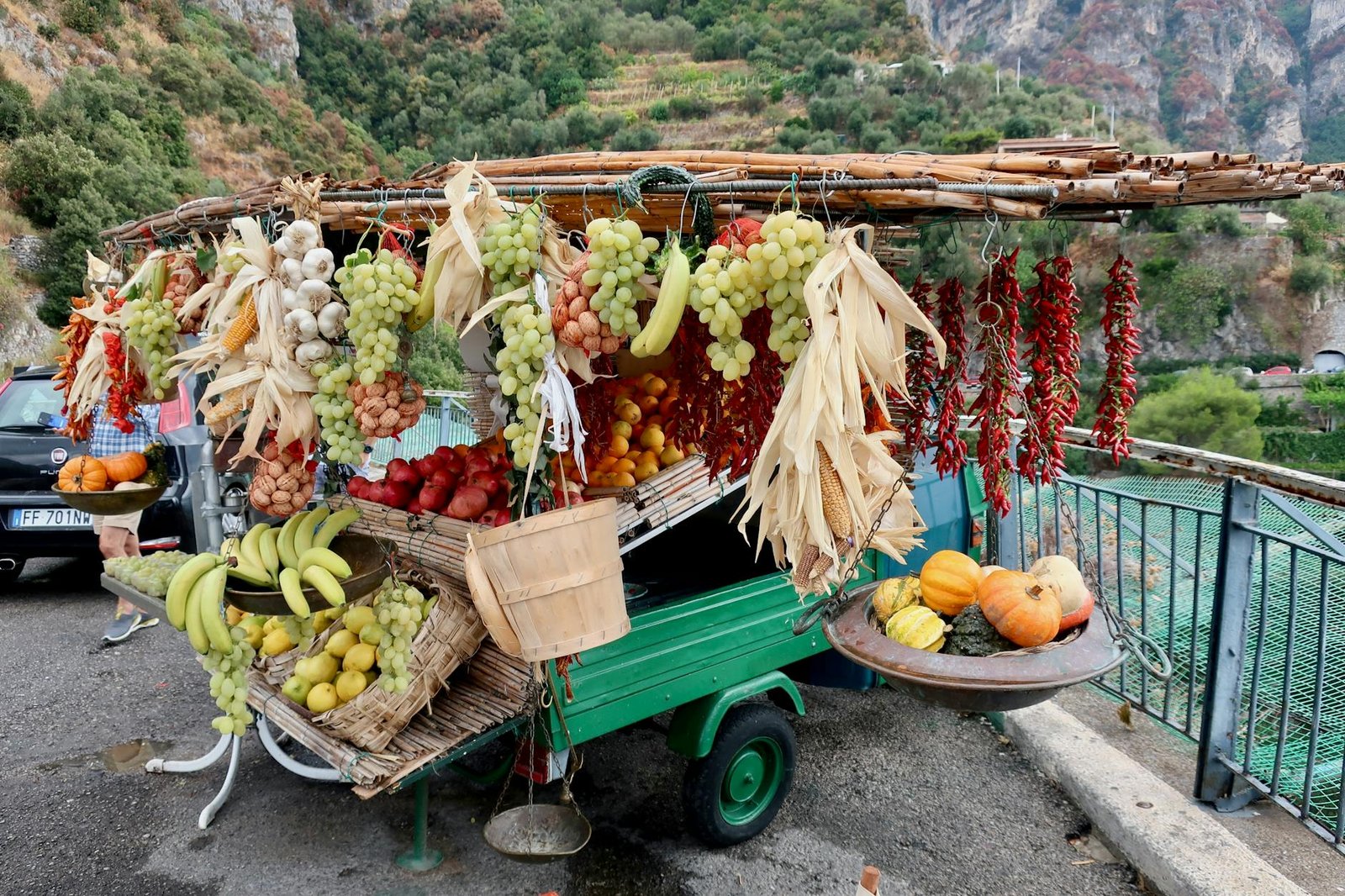
The frutti di mare component varies seasonally and based on the day’s catch, typically featuring mussels, clams, shrimp, and squid in a light white wine and garlic sauce, sometimes finished with a whisper of tomato. When you order this dish, you’re not just getting pasta and seafood—you’re experiencing a direct connection to the fishermen who cast their nets in the Tyrrhenian Sea that morning. Try this masterpiece at any traditional trattoria, but locals will enthusiastically recommend establishments near the waterfront where you can watch the sea while eating ingredients that came from it.
Exploring the Lemon: Amalfi’s Liquid Gold
The Sfusato d’Amalfi lemon is protected by PDO status—the same designation given to fine wines and cheeses—and for good reason. These massive, thick-skinned lemons grow abundantly on the steep terraced slopes overlooking the coast, thriving in the Mediterranean climate and volcanic soil. Unlike the smaller, acidic lemons found elsewhere, Sfusato lemons are sweeter and contain less acid, making them perfect for everything from pasta dishes to the region’s famous limoncello liqueur. A visit to Amalfi without understanding this fruit’s importance would be like visiting Champagne without trying wine.
You’ll encounter these lemons in almost every meal: pressed into fresh pasta, candied as dessert garnishes, blended into rich creams, and most famously, distilled into limoncello that locals serve ice-cold as digestivo after dinner. For the complete lemon experience, visit the Villa Rufolo’s garden or take a guided tour through the lemon groves themselves, where local producers offer fascinating insights into the sfusato amalfitano’s history and uses, and you can sample authentic limoncello directly from the source.
Top Street Food: Eat Like a Local
Street food in Amalfi remains authentic and accessible, with vendors serving treats that locals have enjoyed for generations. Pizza al taglio (by-the-slice pizza) is everywhere, but the real treasure is finding vendors selling fresh sfogliatelle—crispy, shell-shaped pastries filled with ricotta and candied fruit that practically melt on your tongue. The pastry’s hundreds of delicate layers shatter when bitten into, releasing sweet ricotta cream that tastes nothing like the mass-produced versions found elsewhere. For a savory option, seek out panzerotti—deep-fried pastry pockets filled with mozzarella and tomato that are the ultimate handheld lunch.
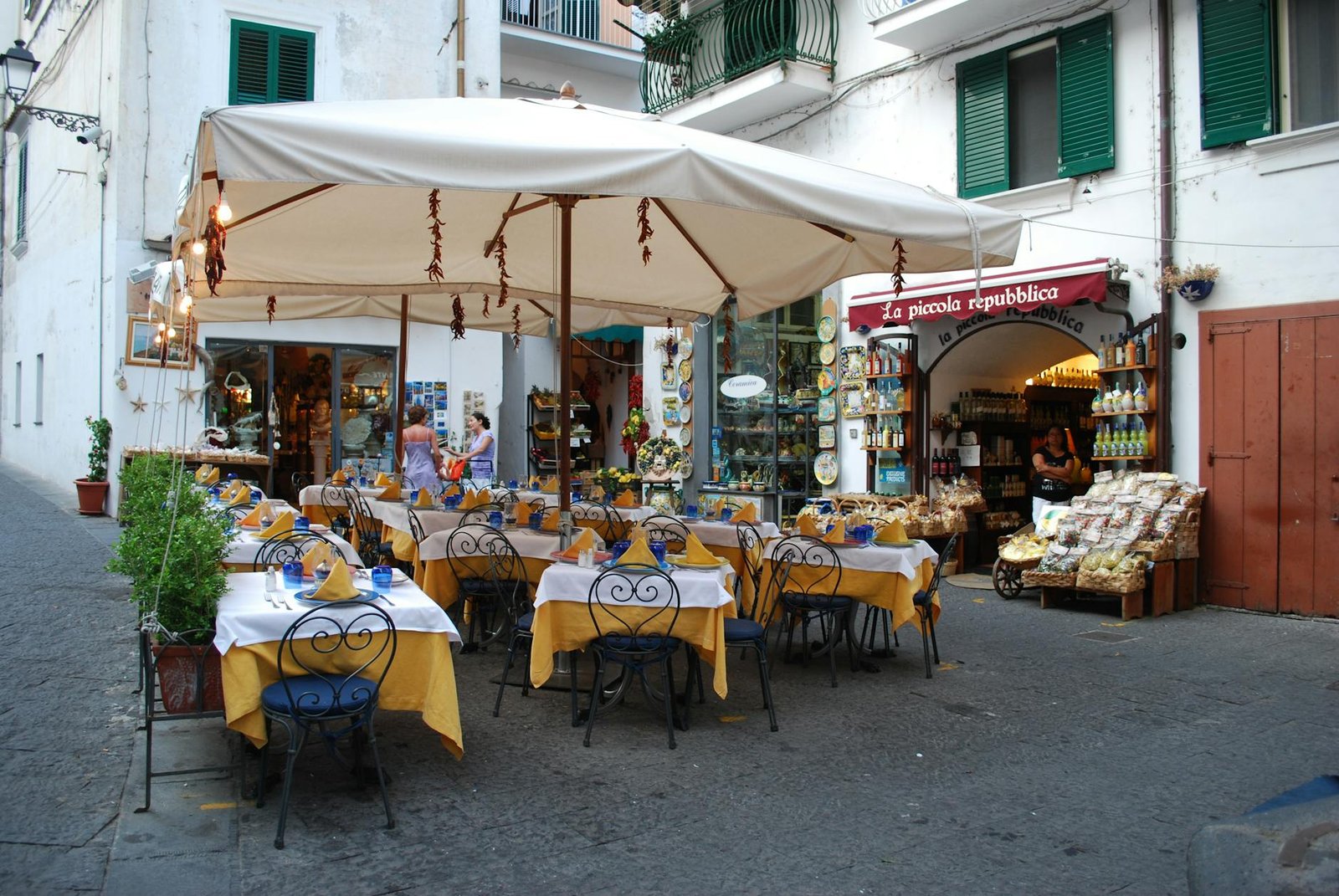
Another must-try street food is the delizia al limone, a delicate dessert featuring sponge cake, lemon cream, and a lemon glaze that somehow tastes like pure sunshine. You’ll find these at virtually every pasticceria, but the quality varies significantly—seek out small, family-run bakeries in side streets rather than tourist-facing shops. Don’t miss fresh mozzarella di bufala from local dairies, often sold from small shops or markets, paired with fresh tomatoes and basil. For sfogliatelle, delizia al limone, and candied lemons from its own grove, head to Pasticceria Pansa on Piazza Duomo, open since 1830.
Best Restaurants: Where to Eat Well
For an unforgettable meal, head to Da Gemma in the heart of Amalfi town, a family-run restaurant that’s been perfecting coastal cuisine since 1872. Their scialatielli is consistently outstanding, and the homemade pasta is prepared using techniques passed down through four generations. The tasting menu changes daily based on market availability, ensuring that what you eat reflects the season and the day’s catch.
For a more casual experience without sacrificing quality, try Trattoria da Vincenzo, tucked away in a small alley where locals still outnumber tourists. Their fresh pasta dishes are expertly executed, and their wine list focuses on regional Campania wines that pair beautifully with local seafood. Don’t overlook small family-run spots in satellite villages like Positano and Ravello—some of the region’s best meals happen in humble trattorias run by nonnas who’ve been cooking the same recipes for fifty years. Make reservations when possible, especially during high season, as the best places fill up quickly.
Best Food Tours: Guided Experiences
To maximize your culinary exploration, consider booking guided food tours through Viator or GetYourGuide, which offer excellent options ranging from market tours to multi-course cooking classes. The “Amalfi Coast Food Experience” tours typically include visits to family-run pasta workshops, lemon groves, and traditional restaurants, providing context and connections that enhance each meal. These guides often have relationships with local producers that independent travelers couldn’t access, and they’ll introduce you to hidden gems that don’t appear in guidebooks.
Viator offers cooking classes where you’ll learn to make fresh scialatielli and regional desserts alongside professional chefs, using ingredients from local markets. GetYourGuide features specialized tours focused on specific aspects like limoncello production, mozzarella making, or wine tasting with seafood pairings. These experiences typically run four to five hours and include generous tastings and explanations in multiple languages, making them perfect for both food novices and experienced culinary travelers seeking deeper knowledge.
When to Visit for Food: Seasonal Highlights
Spring (April-May) and early autumn (September-October) offer the ideal balance of pleasant weather, abundant fresh ingredients, and fewer crowds than summer. During these seasons, you’ll find local markets overflowing with produce, fresh seafood is at its peak, and restaurants aren’t overwhelmed with tourists, allowing them to dedicate attention to each dish. Summer brings abundance but also peak prices and crowded tables, while winter (November-March) offers quieter experiences and slower, more traditional cooking as the season’s ingredients inspire heartier dishes.
If possible, time your visit for local festivals: the Lemon Festival in Furore (May) celebrates everything about the fruit with tastings, cooking demonstrations, and sales from local producers. The seafood season peaks from October through April when Mediterranean fish and shellfish are at their finest. Late autumn offers the best of both worlds—warm enough for coastal enjoyment but cool enough for the region’s pasta-making traditions to shine, as local women still gather to prepare sheets of fresh pasta for family meals and holiday preparations.
Practical Tips for Food Lovers
Bring comfortable walking shoes and an appetite for exploration—some of the best meals happen in unmarked establishments you’ll discover by wandering. Learn a few Italian phrases; locals deeply appreciate the effort, and in smaller restaurants, English may not be widely spoken. Always ask waiters for their recommendations, and don’t hesitate to ask about the day’s specials or what just arrived from the market—this often represents the best value and highest quality.
Pack a small cooler if you plan to buy fresh produce or specialty items like limoncello or mozzarella to take home. Consider purchasing directly from producers rather than tourist shops—prices are better and quality superior. Finally, don’t schedule every meal at restaurants; buy ingredients from markets and small shops, enjoy casual meals while watching the sea, and let the pace of life here slow you down. This is how locals eat, and it’s often where the most memorable food moments happen.



Book a Food Experience in Amalfi
Handpicked experiences — book with free cancellation and instant confirmation.
Explore More Food Tours
More food guides from Italy:
You might also enjoy:
- Hvar Food Tour Guide (Croatia)
- Corfu Food Tour Guide (Greece)
Featured in:
Frequently Asked Questions
What is the typical cost of a food tour in Amalfi?
Food tours in Amalfi typically range from €60 to €150 per person, depending on the tour operator and inclusions. Premium tours that include wine tastings or private guides can cost up to €200 per person, while budget-friendly street food tours may start around €40-50.
How long do food tours in Amalfi usually last?
Most food tours in Amalfi last between 3 to 4 hours, covering the main town center and coastal areas. Some extended tours can run 5-6 hours and may include multiple villages along the coast like Positano or Ravello.
What local foods should I expect to try on an Amalfi food tour?
You'll encounter signature dishes like fresh seafood pasta (particularly spaghetti al nero di seppia with squid ink), scialatielli ai frutti di mare, and limoncello made from Amalfi lemons. Local specialties also include mozzarella di bufala, handmade pasta, fresh anchovies, and delizia al limone (a lemon dessert).
Which neighborhoods in Amalfi are best for street food?
The historic town center near Piazza Duomo offers the most authentic street food vendors selling arancini, sfogliatelle pastries, and fresh fruit. Via Lorenzo d'Amalfi and the narrow alleys near the waterfront harbor numerous family-run food stalls and small trattorias serving casual local fare.
How can I handle dietary restrictions on an Amalfi food tour?
Inform your tour operator at least 48 hours in advance about any dietary restrictions, whether vegetarian, vegan, gluten-free, or allergies. Most reputable operators in Amalfi can arrange alternative dishes or recommend specific restaurants, as Mediterranean cuisine is naturally adaptable to various dietary needs.