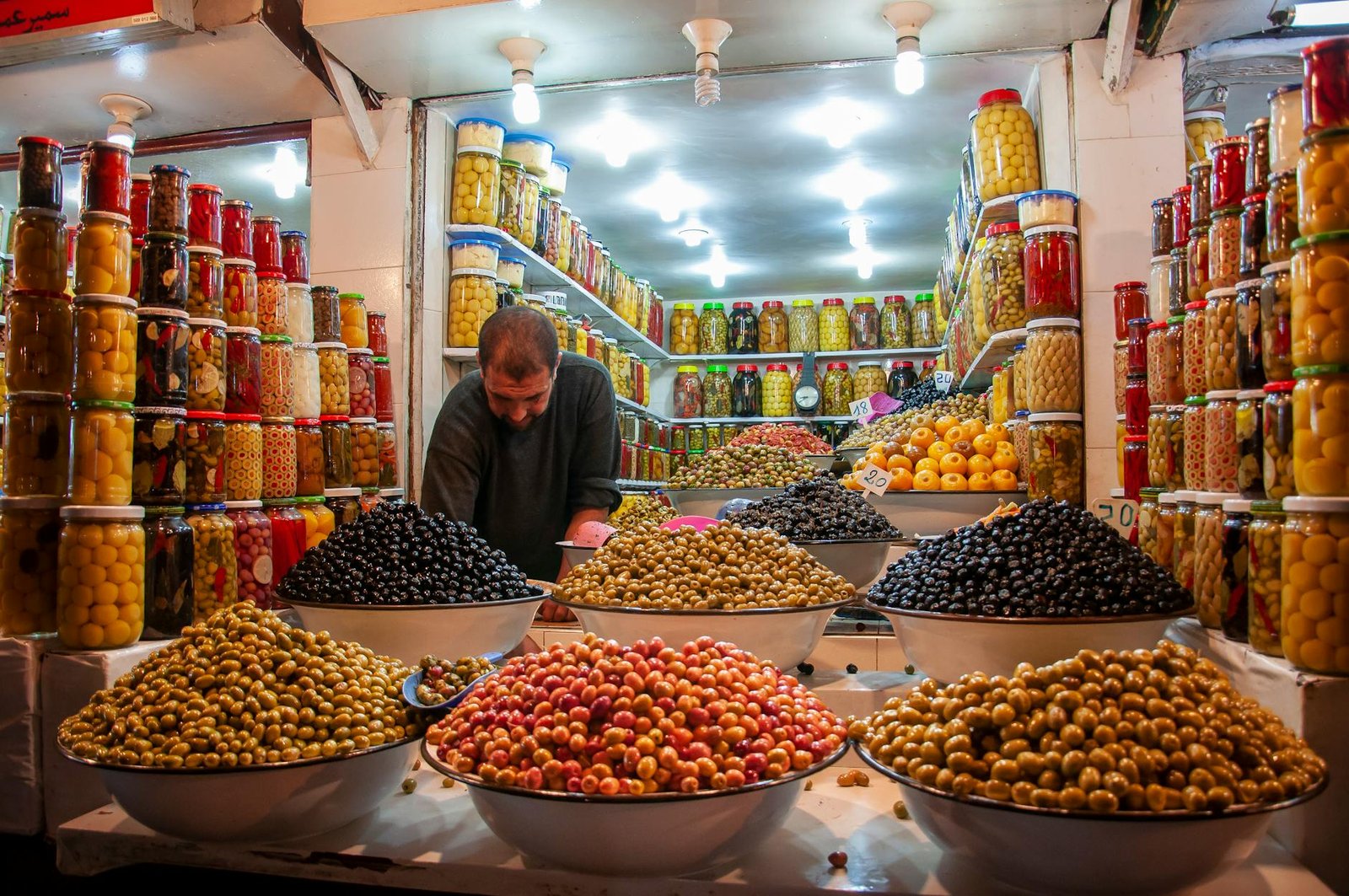
Marrakech Food Tour – Best Local Food & Restaurants
Marrakech Food Guide: A Culinary Journey Through the Red City
Marrakech is not merely a destination — it is a sensory explosion that begins the moment the scent of cumin, saffron, and charred lamb hits you somewhere between the airport taxi and the ancient medina walls. The city’s food culture is as layered and complex as its famous tilework, drawing millions of hungry travelers every year to its smoke-filled souks, candlelit riads, and impossibly vibrant street stalls. This comprehensive food guide will walk you through everything you need to eat, where to eat it, and how to eat it like a local in one of Africa’s most extraordinary culinary cities.
The History of Marrakech’s Food Culture
To truly understand the food of Marrakech, you must first understand its position at the crossroads of civilizations. Founded in 1062 by the Almoravid dynasty, Marrakech quickly became the imperial capital of a vast empire stretching from West Africa to southern Spain. This geographic and political reach had a profound and lasting impact on its cuisine.
The Berber people — the indigenous inhabitants of North Africa — form the culinary backbone of Marrakchi cooking. Their ancient traditions of slow-cooked tagines, preserved lemons, and hearty grain-based dishes like couscous predate the Arab conquests of the 7th century. When Arab traders and settlers arrived, they brought with them the sophisticated spice trade routes that connected the Mediterranean world to Persia, India, and sub-Saharan Africa. Spices like cinnamon, ginger, turmeric, and black pepper flooded into Marrakech’s markets and permanently transformed Berber cooking into something richer, more complex, and utterly unique.
The Andalusian influence arrived in waves, most notably when Muslim and Jewish communities were expelled from Spain following the Reconquista in 1492. These refugees brought with them refined culinary techniques, a love of sweet and savory combinations, and an emphasis on elaborate pastry-making that you can still taste today in dishes like bastilla. The Jewish community in particular established Mellah neighborhoods throughout Moroccan cities and contributed significantly to the preservation and evolution of local recipes.
Sub-Saharan African traders moving through the trans-Saharan caravan routes brought dried goods, preserved meats, and their own cooking philosophies that blended seamlessly into the local repertoire. French colonialism, which lasted from 1912 until 1956, added yet another layer — the French introduced café culture, baguette-style bread called khobz, and a certain appreciation for leisurely dining that sits comfortably alongside traditional Moroccan hospitality.
The result of these centuries of cultural exchange is a cuisine that is simultaneously simple and sophisticated, rustic and refined. Marrakchi food is not fast food — it is slow food in the truest sense, requiring patience, quality ingredients, and a deep respect for tradition that has been passed down through generations of families who still cook over open fires in their riad courtyards.
Must-Try Foods in Marrakech
With so many extraordinary dishes competing for your attention, knowing what to prioritize can feel overwhelming. These six dishes represent the absolute essential Marrakech eating experiences — the meals that will define your visit and haunt your taste memories for years afterward.
1. Lamb Tagine with Preserved Lemon and Olives
The tagine is Morocco’s most iconic dish, and Marrakech does it better than anywhere else on earth. Named after the distinctive conical clay pot in which it is both cooked and served, a great tagine represents the ultimate expression of Moroccan slow-cooking philosophy. The pyramid-shaped lid creates a self-basting steam cycle that keeps the meat impossibly tender while concentrating flavors into an almost supernatural depth.
The lamb version with preserved lemon and olives is the definitive classic. The lamb — ideally from the Atlas Mountain region just south of Marrakech — is marinated overnight in a spice paste called chermoula, which typically includes cumin, paprika, turmeric, garlic, and fresh coriander. It then slow-cooks for hours alongside caramelized onions, preserved lemon quarters whose bitterness has been transformed by weeks of salt-curing into something floral and bright, and fleshy Moroccan olives that turn buttery and rich in the heat. The resulting sauce is thick, golden, and utterly addictive. Eat it the traditional way: with your right hand and torn pieces of freshly baked khobz bread, using the bread as both utensil and vehicle.
Where to find the best version: Dar Yacout in the medina serves a legendary lamb tagine in a stunning riad setting, while the market stalls near the Mellah serve exceptionally honest, unfussy versions that cost a fraction of the price.
2. Bastilla (Pastilla)
If you want to understand the sweet-savory sophistication of Moroccan cuisine in a single bite, order bastilla. This extraordinary pie consists of paper-thin warqa pastry — similar to but more delicate than phyllo — layered with spiced pigeon or chicken, a scrambled egg and herb mixture, and a generous amount of fried almonds sweetened with sugar and perfumed with cinnamon. The finished pie is dusted with more powdered sugar and cinnamon on top, creating something that looks almost like a dessert but reveals savory, spiced depths with every bite.
Bastilla has deep Andalusian roots and was historically reserved for special occasions and royal feasts. You can still sense the ceremony in it today — it arrives at the table as a proud centerpiece, its surface meticulously decorated with cinnamon patterns. The contrast of the shattering, buttery pastry with the fragrant filling and the sweet dusting on top is one of the most memorable flavor combinations in world cuisine. A seafood version with prawns, squid, and vermicelli noodles has become increasingly popular in Marrakech and is worth seeking out as an alternative.
3. Harira Soup
Ask any Marrakchi what their ultimate comfort food is, and the answer will almost certainly be harira. This thick, silky soup made from tomatoes, lentils, chickpeas, lamb or beef, vermicelli noodles, and a fragrant blend of spices including ginger, cinnamon, turmeric, and coriander is the beating heart of Moroccan home cooking. It is the soup that breaks the fast during Ramadan every evening at sunset. It is what mothers make when children are sick. It is what vendors sell in huge steaming cauldrons on cold medina nights for just a few dirhams a bowl.
What elevates harira beyond ordinary soup is its texture — a technique involving a flour-and-water slurry called tedouira is added near the end of cooking to give the broth a velvety, slightly viscous quality that coats the inside of your mouth warmly. It is traditionally served with a squeeze of fresh lemon, a handful of dates, and chebakia — honey-soaked sesame pastries whose sweetness provides an almost meditative counterpoint to the savory, complex soup. Do not leave Marrakech without eating a proper bowl.
4. Mechoui (Whole Roasted Lamb)
Mechoui is Marrakech at its most primal and spectacular. The word comes from the Arabic verb meaning “to grill” or “to roast,” and the preparation is arrestingly simple: a whole lamb is seasoned with nothing more than butter, cumin, and salt, then slow-roasted in a sealed underground pit for four to six hours until the meat is so tender it literally falls from the bone at the touch of a finger. The result is extraordinary — skin that shatters like glass to reveal meat so soft and so profoundly flavored with its own juices that it seems impossible such a simple preparation could achieve such depth.
The best place to experience mechoui in Marrakech is the famous mechoui alley just off Jemaa el-Fna square, officially known as Derb Dabachi, where several vendors operate identical underground pits and serve the lamb by weight on communal tables. Point to how much you want, receive your portion wrapped in paper with a pinch of cumin and salt on the side,
Book a Food Tour in Marrakech
Join a small-group food tour and taste the best of Marrakech with a local guide. Skip the tourist traps — discover the hidden spots only locals know.
Explore More Food Tours
More food guides from Morocco:
You might also enjoy:
- Valencia Food Tour Guide (Spain)
- Bordeaux Food Tour Guide (France)