Valencia Food Tour – Best Local Food & Restaurants
Valencia, Spain: The Ultimate Food Guide
Valencia doesn’t mess around with food. This Mediterranean city is where rice has been grown in ancient wetlands for over a thousand years, where oranges drop from trees lining the city boulevards, and where taking lunch seriously isn’t a lifestyle choice — it’s just what you do. This is the birthplace of paella, the home of horchata, and a place where market culture, family recipes, and bold flavors have been colliding long before food tourism was a thing. Come hungry. Leave with a completely recalibrated understanding of what rice dishes can be.
The History of Valencia’s Food Culture
Valencia’s culinary identity didn’t happen overnight. It’s been thousands of years in the making, shaped by every civilization that passed through this fertile corner of the Iberian Peninsula. The Romans saw the agricultural potential early — wheat, olives, grapes along the coastal plains. But it was the Moorish occupation, from 711 to 1238, that genuinely changed what Valencians cook and eat.
The Moors built sophisticated irrigation systems throughout the wetlands around what’s now the Albufera, turning marshy, difficult land into productive rice paddies that still operate today. They brought almonds, citrus, saffron, and sugar cane — ingredients that remain absolutely central to Valencian cuisine over eight centuries later. Rice became the cornerstone of everything, and Valencia was the rice capital of Europe long before paella showed up on any menu.
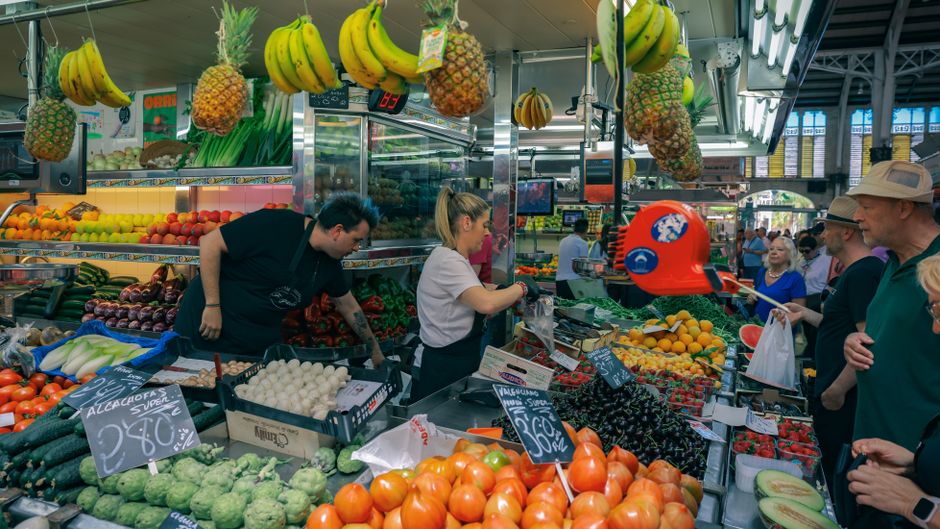
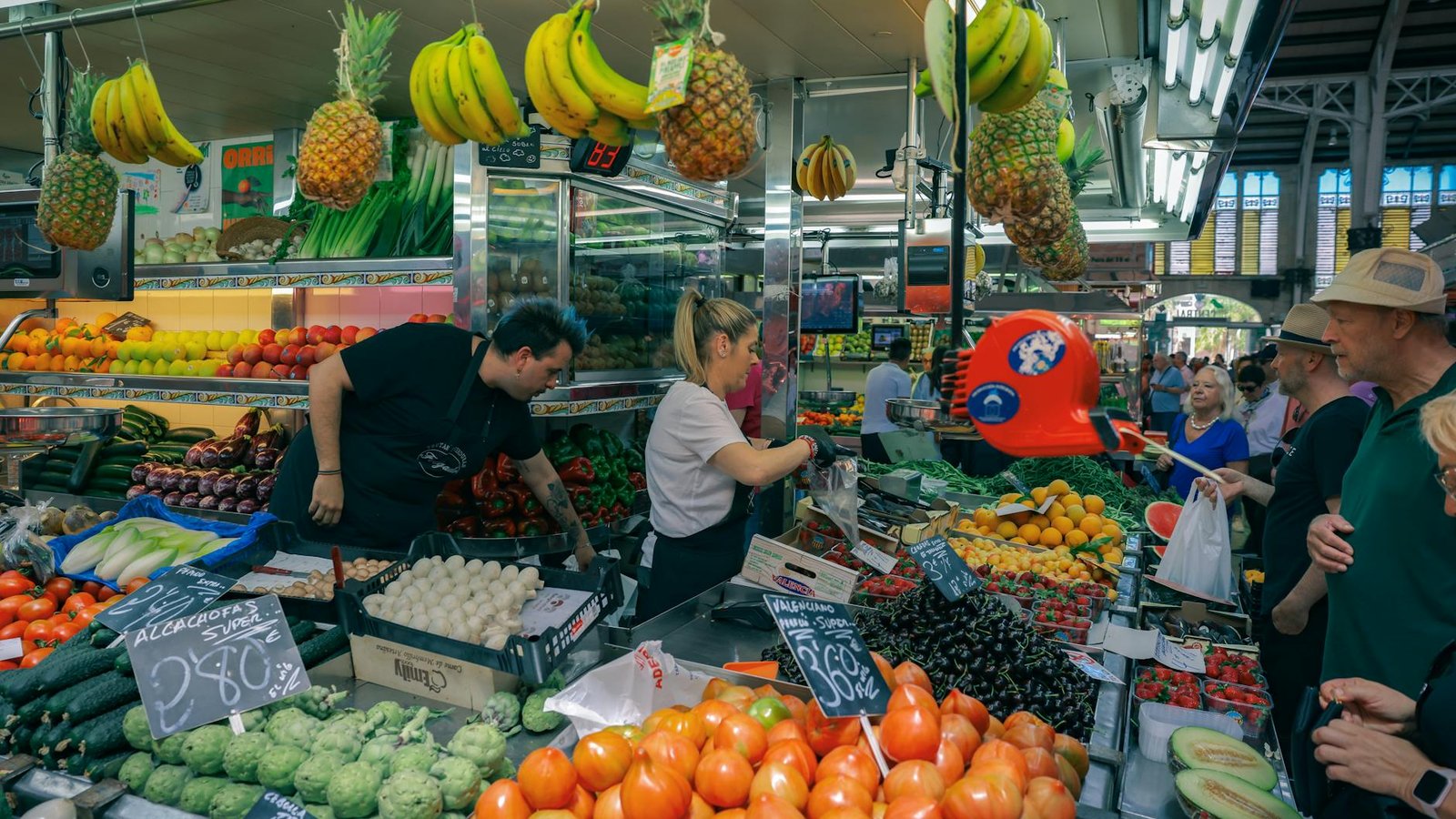
After the Christian Reconquest in the 13th century, the city grew wealthy through trade. Markets became legendary gathering points for farmers, merchants, and cooks. The Mercat Central, whose current building dates to the early 20th century, traces its roots back to the medieval period when vendors clustered near the old city walls. The trading culture never really left — walk through on a Tuesday morning and you’ll feel it immediately.
Paella as we know it emerged from the rice-farming communities around the Albufera lagoon in the 18th and 19th centuries. Farmers cooked rice over open fires using whatever was close at hand — rabbit, chicken, green beans, snails. Practical, economical, and genuinely delicious. It spread through the city, then through the country, then around the world. Valencians will tell you, with real passion and considerable irritation, that the seafood-loaded paella mixta churned out in tourist restaurants worldwide has almost nothing in common with what they actually make at home.
The 20th century brought the Mercado Central back in its magnificent Art Nouveau building in 1928, and it hasn’t stopped operating since — one of the largest fresh food markets in Europe, still doing exactly what it was built to do. Today a new generation of Valencian chefs is pushing things forward without abandoning the foundations. They’re creative and ambitious, but they’re also fiercely protective of the classics.
Must-Try Foods in Valencia
1. Paella Valenciana
If you eat one thing in Valencia, let it be the real paella Valenciana. Not the seafood version. Not the mixed interpretation you’ve encountered at Spanish restaurants back home. The authentic Valencian paella contains chicken, rabbit, ferraura green beans, garrofó butter beans, tomato, saffron, rosemary, and round-grain rice cooked in a wide, shallow pan over a wood fire. It sounds simple. It tastes extraordinary. The thing everyone misses on their first encounter is the socarrat — that golden crust of toasted rice that forms at the bottom of the pan. Locals fight over it. Once you’ve had it, you’ll understand why. Head to the villages around the Albufera lake for the most authentic version; restaurants like La Matandeta in Albal have been cooking paella over orange wood fires for generations. Sunday is the traditional paella day in Valencia — book well ahead, show up hungry, and don’t rush it.

2. Horchata de Chufa with Fartons
Horchata is Valencia’s most beloved drink, made from chufa — the small tuber of the tiger nut plant grown almost exclusively in Alboraya, a town about 5km north of the city center. Cold, fresh horchata has a flavor genuinely unlike anything else: milky but completely dairy-free, subtly sweet, faintly reminiscent of almond milk but more complex and a lot more interesting. It’s traditionally served with fartons — long, finger-shaped pastries dusted in powdered sugar, built specifically for dunking. Eaten together, it’s a Valencian institution. Breakfast, afternoon snack, late-night refreshment on a warm July evening — there’s no wrong time. Go to Horchatería El Collado in Alboraya or Daniel on Calle Murillo in the city for horchata made properly, served ice-cold from a giant ceramic jug. The stuff in cartons at the supermarket is not the same thing. Don’t bother.
3. All i Pebre
Most visitors to Valencia never encounter all i pebre because it rarely makes it onto tourist menus. That’s a shame. This intensely flavored stew — the name translates roughly as garlic and pepper — is made with eel caught in the Albufera lagoon, cooked low and slow in a clay pot with garlic, paprika, dried ñora peppers, almonds, and olive oil. The sauce is thick, brick-red, smoky, and extraordinarily savory. It tastes of the wetlands in the best possible way — ancient, honest, specific to this place and nowhere else. The village of El Palmar, about 12km south of Valencia city, is where you want to go. Family-run restaurants there have kept the recipe alive for generations. Order it with serious quantities of bread. You’ll want to get every drop of that sauce.
4. Esgarraet
This is Valencian tapas at its most beautifully straightforward. Roasted red peppers and salt cod torn by hand — esgarraet means “torn” in Valencian — dressed generously with proper local olive oil and garlic. That’s it. The combination of sweet, smoky peppers with the salty, oceanic punch of bacalà and the grassy richness of good olive oil is a lesson in how far quality ingredients will take you. You’ll find it as a starter at virtually every traditional Valencian restaurant worth visiting, and it’s one of those dishes that seems almost impossibly good given how few things are on the plate. The olive oil matters here. The cod matters. Seek out restaurants that aren’t cutting corners on either. Pair it with a glass of cold white wine from the nearby DO Valencia region and eat it slowly.
5. Fideuà
Often described as paella’s seafood cousin, fideuà swaps rice for short, thin noodles and gets cooked in a paella pan with prawns, cuttlefish, squid, monkfish, and a rich seafood broth built on sofrito. The dish came from Gandia, a fishing town about 65km south of Valencia, in the early 20th century. Story goes that a ship’s cook ran out of rice and grabbed noodles instead — one of the better accidents in culinary history. The noodles absorb the broth and seafood flavors intensely, and the goal, just like with paella, is that slightly toasted, slightly crispy bottom layer. Always served with alioli, the thick garlic mayonnaise that cuts straight through the richness. A proper fideuà is meant to be shared from the pan at the table. Order it for two at minimum, settle in, and take your time.
6. Buñuelos de Calabaza with Hot Chocolate
During Las Fallas in March, the streets fill with the smell of buñuelos de calabaza frying in enormous cauldrons at outdoor stalls. These small round fritters are made with pumpkin in the dough, which gives them a subtle sweetness, a deep golden color, and a texture that’s properly crispy outside and pillowy within. Dusted in sugar, dipped into thick, dense hot chocolate. The combination is so good that people genuinely queue for an hour at the best stalls — and they’re not wrong to. While technically a

Book a Food Tour in Valencia
Join a small-group food tour and taste the best of Valencia with a local guide. Skip the tourist traps — discover the hidden spots only locals know.

Book a Food Experience in Valencia
Handpicked experiences — book with free cancellation and instant confirmation.
Explore More Food Tours
More food guides from Spain:
You might also enjoy:
- Padua Food Tour Guide (Italy)
- Palermo Food Tour Guide (Italy)
Featured in:
Frequently Asked Questions
How much does a food tour in Valencia cost?
Food tours in Valencia typically range from €25 to €80 per person for a guided group tour. Private tours and premium culinary experiences can cost more, while self-guided food walks are often free or low-cost.
How long do food tours in Valencia last?
Most guided food tours in Valencia last between 2 and 4 hours and include multiple tasting stops. Walking food tours tend to run around 3 hours, while sit-down dining experiences may last longer.
What local dishes should I try on a Valencia food tour?
A food tour in Valencia is the best way to discover authentic local specialties. Your guide will take you to street food markets, traditional restaurants, and neighbourhood gems that locals love — dishes you would never find on your own.
What is the best area for street food in Valencia?
The best areas for street food and local cuisine in Valencia are usually found in the old town, central food markets, and traditional neighbourhoods away from the main tourist hotspots. A local food guide will show you exactly where to go.
Are food tours in Valencia suitable for people with dietary restrictions?
Most food tour operators in Valencia can accommodate vegetarian, vegan, halal, and gluten-free diets with advance notice. Always inform your guide of any dietary requirements when booking so they can plan the best route for you.