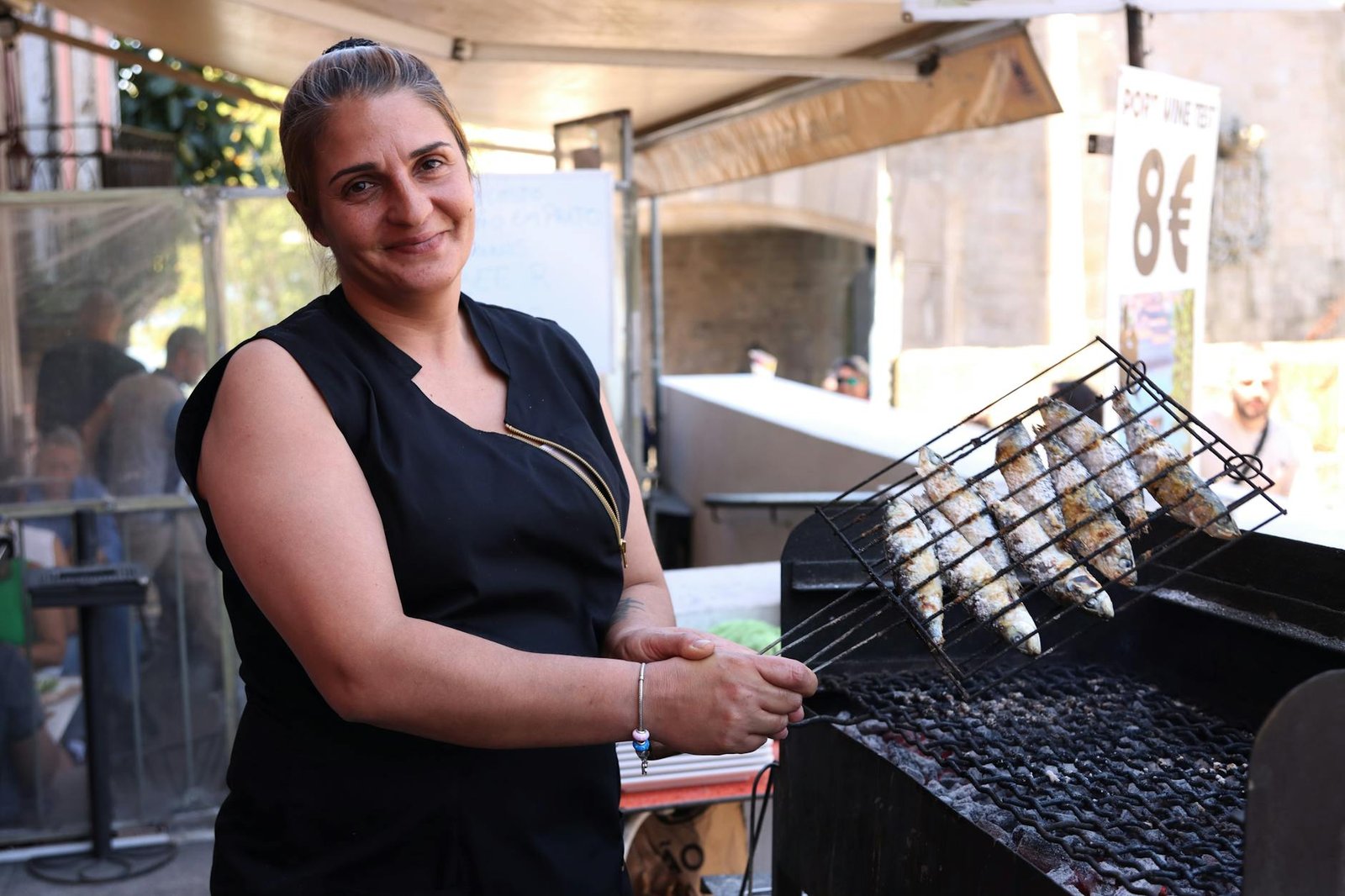
Porto Food Tour – Best Local Food & Restaurants
Porto, Portugal: The Ultimate Food Guide
Porto feeds your soul before it feeds your stomach. Perched along the dramatic gorge of the Douro River, this ancient Atlantic city has been nourishing travelers, sailors, and merchants for over two thousand years. From its legendary wine cellars to its chaotic, glorious market halls, Porto has one of Europe’s most honest food cultures — built not on pretension, but on centuries of hard work, maritime adventure, and fierce local pride.
The History of Porto’s Food Culture
To understand Porto’s food, you need to understand its people first. The Portuenses have long carried the nickname Tripeiros — “tripe eaters” — and they wear it with real pride. Legend holds that in 1415, when King João I prepared his fleet for the conquest of Ceuta in North Africa, the citizens of Porto gave up all their best meats to feed the soldiers, keeping only offal for themselves. That act of generosity became the foundation of Porto’s most iconic dish, Tripas à Moda do Porto, and cemented a reputation for resilience and resourcefulness that still defines the city’s culinary identity today.
Porto’s history as a commercial trading hub shaped everything on the plate. The city’s merchants were trading salt cod with Newfoundland and Norway as early as the 15th century, which made bacalhau — salt cod — the absolute cornerstone of Portuguese cooking. There are over 365 traditional bacalhau recipes, one for every day of the year according to local legend. Porto took a preserved fish of pure necessity and turned it into a national obsession. Then came the Port wine trade with Britain in the 17th century, which brought not just wealth but a whole culture of pairing food with extraordinary fortified wines.

The working-class roots of Porto’s cuisine are still deeply visible, and nobody here apologizes for it. Unlike Lisbon, which developed a more refined culinary tradition as the nation’s capital, Porto built its food culture around the docks, the factories, and the market squares. Generous portions. Honest ingredients. Bold flavors. Zero tolerance for fussiness. Even today, Porto’s most celebrated dishes are fundamentally humble: bread soaked in meat broth, a sandwich overflowing with braised meat, a slow-cooked bean stew fragrant with smoked sausage. The genius is in making the simple feel extraordinary.
Must-Try Foods in Porto
1. Francesinha
Nothing on earth is quite like the Francesinha. Created in the 1950s by Daniel da Silva — a chef who’d worked in Belgium and wanted to rework the French croque-monsieur for Portuguese tastes — it is a monument to excess in the best possible way. Thick slices of white bread get layered with cured ham, linguiça sausage, and either roasted meat or beef steak. The whole thing gets blanketed in melted cheese and absolutely drowned in a hot sauce that varies by café but typically involves beer, tomato, chili, and a healthy pour of Port wine or whisky. It arrives at the table bubbling and volcanic, usually topped with a fried egg and a mountain of crispy fries. Locals argue constantly about who makes the best version — Café Santiago in the Bonfim neighborhood and A Regaleira near Praça da Batalha are the perennial favorites. Every honest Francesinha will leave you simultaneously destroyed and deeply satisfied.
2. Bacalhau à Gomes de Sá
Of all Porto’s countless bacalhau preparations, this one is the most distinctly local. Named after José Luís Gomes de Sá Júnior, a 19th-century merchant who reportedly invented it after buying leftover bacalhau from a Porto restaurant, the dish is a masterclass in restrained, confident cooking. Salt cod gets desalted over 24 to 48 hours, then flaked into generous chunks and baked in olive oil with sliced onions, garlic, and waxy yellow potatoes until everything turns golden and fragrant. Finished with hard-boiled eggs, black olives, and fresh parsley, it comes to the table in the same earthenware dish it cooked in, still sizzling. The olive oil matters enormously here — Porto chefs use it with real generosity — and the result is deeply savory, silky, and completely satisfying. Try it at Restaurante Bom Sucesso near the Bom Sucesso market for a version that stays true to the original recipe.
3. Tripas à Moda do Porto
This is the dish that gave Porto residents their proudest nickname. It deserves respect even from people who normally avoid offal. Tripas à Moda do Porto is a slow-cooked stew of honeycomb tripe with white beans, chouriço, morcela blood sausage, cured ham, and sometimes chicken or veal foot, all simmered for hours in a broth seasoned with cumin, bay leaves, and white wine. The long cooking transforms the tripe’s texture completely — tender, rich, absorbent of everything around it. The beans add earthiness and body while the smoked sausages deliver punchy, paprika-heavy depth. This is not a dish to rush. It demands a long table, good company, a carafe of Vinho Verde, and no plans for the afternoon. Taberna do Campanhã in eastern Porto is one of the most authentic places to eat it the way local families have for generations.

4. Caldo Verde
There’s something almost medicinal about a proper bowl of Caldo Verde, and yet it’s one of Portugal’s most comforting dishes. Many food historians consider it Portugal’s true national dish. Silky pureed potato and onion stock gets stirred through with thinly ribboned couve-galega — Portuguese kale or collard greens — right at the end, preserving their vivid color and slight bite. A slice or two of chouriço sits on top, its spiced oil bleeding into the golden broth. That’s essentially the whole recipe. And yet it speaks directly to something in the Portuguese soul: warming, nourishing, made beautiful through ingredient quality rather than technical complexity. Caldo Verde gets eaten year-round in Porto, but it feels most essential on cold, grey Atlantic evenings when the city wraps itself in river mist. Find it at any traditional tasca, particularly in the older neighborhoods of Bonfim and Cedofeita.
5. Pastéis de Bacalhau
These golden, torpedo-shaped salt cod fritters are Porto’s definitive snack. Desalted, flaked bacalhau mixed with mashed potato, egg, onion, and fresh parsley — shaped by hand and fried in olive oil until deeply golden outside and fluffy inside. They achieve a textural perfection that’s disarmingly simple and completely addictive. You’ll find them at almost every hour: mid-morning at a market café, as a pre-lunch bite in a tasca, standing at a counter in Mercado do Bolhão with a cold glass of Vinho Verde, or as a late-night bar snack in the Galerias de Paris. The best versions have a generous bacalhau-to-potato ratio — intensely savory, slightly salty. Lesser versions go stodgy and bland fast. The quality gap is real, so follow the locals rather than the tourist crowds.
6. Rabanadas and Arroz Doce
Porto’s dessert culture is less elaborate than its savory cooking but
Book a Food Tour in Porto
Join a small-group food tour and taste the best of Porto with a local guide. Skip the tourist traps — discover the hidden spots only locals know.


Book a Food Experience in Porto
Handpicked experiences — book with free cancellation and instant confirmation.
Explore More Food Tours
More food guides from Portugal:

You might also enjoy:
- Malaga Food Tour Guide (Spain)
- Palma Food Tour Guide (Spain)
Featured in:
Frequently Asked Questions
How much does a food tour in Porto cost?
Food tours in Porto typically range from €25 to €80 per person for a guided group tour. Private tours and premium culinary experiences can cost more, while self-guided food walks are often free or low-cost.
How long do food tours in Porto last?
Most guided food tours in Porto last between 2 and 4 hours and include multiple tasting stops. Walking food tours tend to run around 3 hours, while sit-down dining experiences may last longer.
What local dishes should I try on a Porto food tour?
A food tour in Porto is the best way to discover authentic local specialties. Your guide will take you to street food markets, traditional restaurants, and neighbourhood gems that locals love — dishes you would never find on your own.
What is the best area for street food in Porto?
The best areas for street food and local cuisine in Porto are usually found in the old town, central food markets, and traditional neighbourhoods away from the main tourist hotspots. A local food guide will show you exactly where to go.
Are food tours in Porto suitable for people with dietary restrictions?
Most food tour operators in Porto can accommodate vegetarian, vegan, halal, and gluten-free diets with advance notice. Always inform your guide of any dietary requirements when booking so they can plan the best route for you.