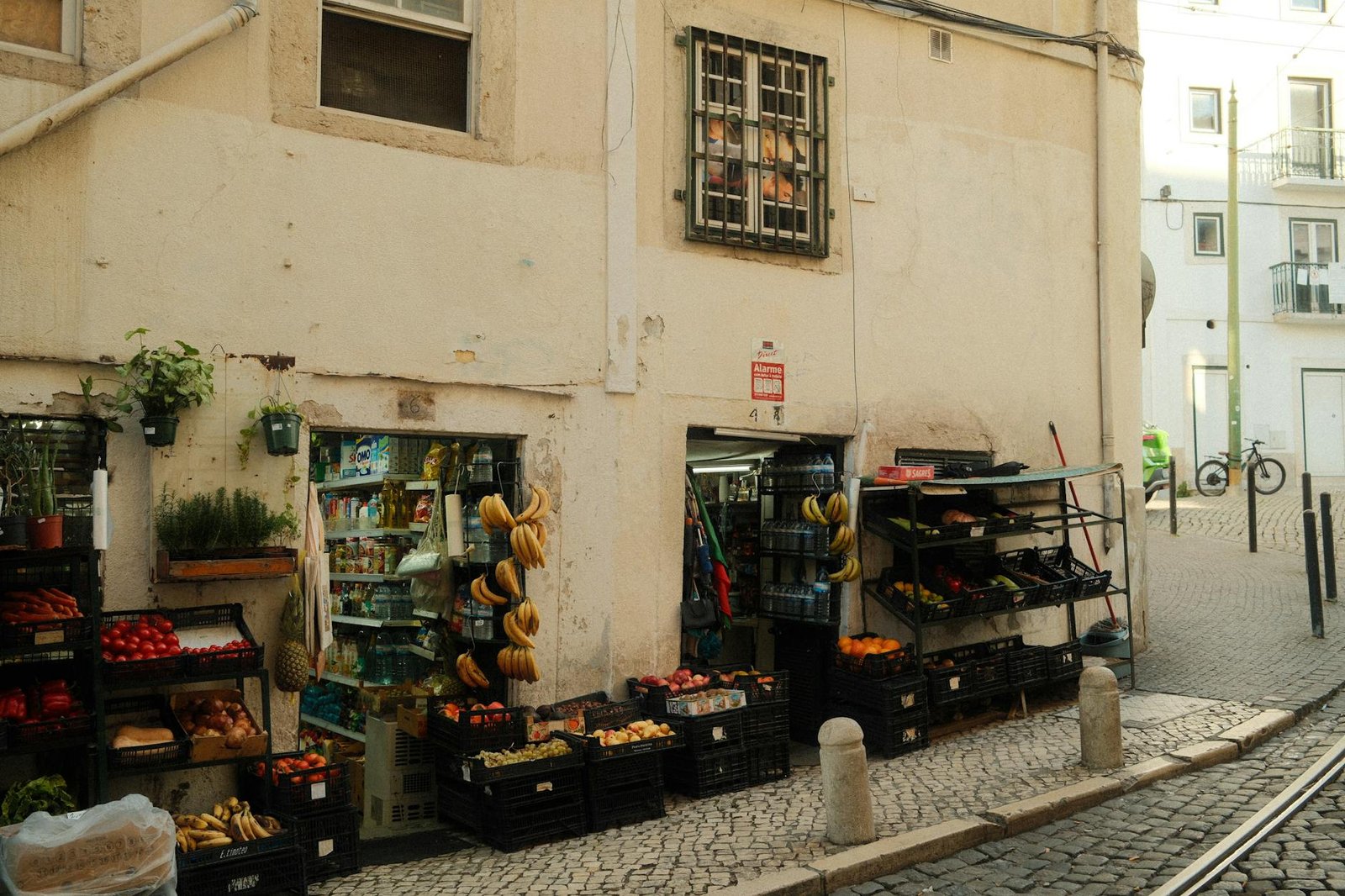
Lisbon Food Tour – Best Local Food & Restaurants
Lisbon Food Guide: A Complete Culinary Journey Through Portugal’s Capital
Lisbon doesn’t ease you into its food scene. It grabs you by the collar on day one — a warm pastel de nata pressed into your hand outside a bakery in Belém, a glass of vinho verde sweating on a marble counter — and you’re done. This is one of Europe’s most genuinely exciting food destinations, and it earns that status not through hype but through centuries of real culinary history. From ancient Moorish spice traditions to modern bacalhau innovations, the food here tells the story of a city that once ran the world’s trade routes and brought exotic flavors home to its cobblestone streets. Whether you’re squeezing into a tiny tasca with wobbly tables or settling in at a riverside marisqueira, every meal feels like something accumulated rather than invented.
The History of Lisbon’s Food Culture
To understand why Lisbon’s food tastes the way it does, you need to understand Portugal’s extraordinary role in shaping global cuisine. During the 15th and 16th centuries, Portuguese explorers sailed to Africa, Brazil, India, and the Far East, returning not just with gold and spices but with ingredients that permanently transformed what the Portuguese put on their plates. Cinnamon from Ceylon, chili peppers from the Americas, techniques borrowed from Moorish cooks — all of it ended up in the bubbling pots of Lisbon’s kitchens.
The Moors occupied much of Portugal before the Christian reconquest in 1147, and they left a deep culinary fingerprint on the city. Their influence shows up in the heavy use of almonds, figs, honey, and aromatic spices that still define many of Lisbon’s most beloved pastries and slow-cooked dishes. The word “alfama” — the name of Lisbon’s oldest neighborhood — comes from the Arabic word for springs, and the flavors that came out of that district during the medieval period are still being celebrated in its restaurants today.

Salted cod, or bacalhau, became the cornerstone of Portuguese cooking during the Age of Exploration, when fishermen needed preserved protein for months at sea. Portugal claims over 365 different recipes for bacalhau — one for every day of the year — and Lisbon’s cooks take fierce, slightly combative pride in their regional variations. The country’s deep Catholic tradition shaped the food calendar too, creating elaborate feast days tied to specific dishes, many of which survive as street food traditions that still pull crowds to Lisbon’s plazas and markets every year.
The 20th century brought hardship under the Salazar dictatorship, which paradoxically helped preserve Lisbon’s traditional food culture by limiting outside influence. When Portugal opened up after the 1974 Carnation Revolution, Lisboetas embraced their culinary heritage with renewed energy rather than abandoning it for international trends. Today, chefs like José Avillez and Henrique Sá Pessoa are building on that heritage with real creativity and confidence, collecting Michelin stars while keeping the soul of Portuguese cooking firmly intact.
Must-Try Foods in Lisbon
1. Pastel de Nata — The Iconic Custard Tart
Nothing quite prepares you for your first warm pastel de nata eaten straight from the oven. These flaky, golden-edged custard tarts were invented by Catholic monks at the Jerónimos Monastery in Belém in the early 19th century, and the original recipe at Pastéis de Belém has been a closely guarded secret since 1837. The contrast between the shattering pastry shell and the silky, lightly caramelized egg custard inside is one of gastronomy’s genuinely great pleasures. Always dust them with cinnamon and powdered sugar. Always eat them hot. Go to Pastéis de Belém first — yes, there’s a queue, yes it moves fast, yes it’s worth it — then spend the rest of your trip arguing with locals about whether any other bakery comes close. (Most will say no. A few will whisper Manteigaria in Chiado. They’re not wrong.)
2. Bacalhau à Brás — Lisbon’s Beloved Salt Cod Scramble
If one dish best represents Lisbon’s home cooking tradition, it’s bacalhau à Brás. Created in the Bairro Alto neighborhood, this golden scramble combines hand-shredded salt cod with thin matchstick fries, eggs, onions, black olives, and a finishing shower of fresh parsley. The texture is simultaneously crispy and creamy, salty and rich, and deeply satisfying in the way only a dish refined over generations can be. Every tasca in the city does a version, and comparing them across different restaurants becomes one of the great informal sport activities of any Lisbon visit. Budget around €10–14 for a solid plate.
3. Bifanas — Portugal’s Perfect Street Sandwich
Don’t let the simplicity fool you. A well-made bifana is one of the finest handheld foods in Europe. Thin slices of pork are marinated in white wine, garlic, paprika, and piri piri sauce, then braised until impossibly tender and fragrant. This juicy meat gets stuffed into a slightly crusty papo-seco roll that immediately starts absorbing all those spiced cooking juices. The best bifanas in Lisbon are found near Praça da Figueira and at the iconic Solar dos Presuntos, though locals will confidently direct you to their own neighborhood spot and be quietly offended if you don’t go. Eat them standing up. Get sauce on your shirt. Consider it baptism.
4. Amêijoas à Bulhão Pato — Clams in Garlic and Cilantro
Named after a 19th-century Portuguese poet known more for his appetite than his verse, amêijoas à Bulhão Pato is the dish that makes you grateful to be sitting beside the Atlantic. Fresh clams are steamed open in a generous bath of olive oil, white wine, crushed garlic, lemon juice, and an almost reckless quantity of fresh cilantro. The broth that forms is oceanic, herbal, and absolutely demands that you order extra bread to mop up every last drop. This dish opens virtually every meal at every marisqueira in Lisbon, and it sets a bar that the rest of the table has to work hard to clear. Expect to pay around €12–18 depending on how close you are to the waterfront.
5. Caldo Verde — The Soul in a Bowl
On cold Lisbon evenings when the Atlantic wind funnels up through the city’s hilly streets, nothing feels more right than a deep bowl of caldo verde. This traditional Portuguese soup builds its base from sautéed onion, garlic, and olive oil, then blends in floury potatoes until the broth becomes thick and velvety. Into this golden base go ribbons of finely shredded couve galega — a dark, kale-like cabbage — followed by slices of smoky chouriço that stain the soup with paprika-red swirls of fat. It’s peasant food elevated by patience and good ingredients. Emotionally, it punches well above its weight. Order it anywhere that has a handwritten menu board and grandmothers in the kitchen.
6. Ginjinha — The Cherry Liqueur Shot That Runs on Its Own Clock
Technically a drink rather than a food, but ginjinha earns its place in any serious Lisbon food guide because it’s so deeply woven into the city’s social fabric that skipping it feels like declining a handshake. Sour morello cherries macerated in aguardente brandy with sugar and cinnamon produce a liqueur that is simultaneously sweet, tart, warming, and genuinely addictive. Order it with or without the cherry at the bottom of your tiny chocolate cup — that’s the only decision required. Head to A Ginjinha near Rossio Square, which has been serving the same recipe since 1840. It costs about €1.50. Drink it standing at the counter. Don’t overthink it.
Best Neighborhoods for Food in Lisbon
Alfama: Where Tradition Lives and Breathes
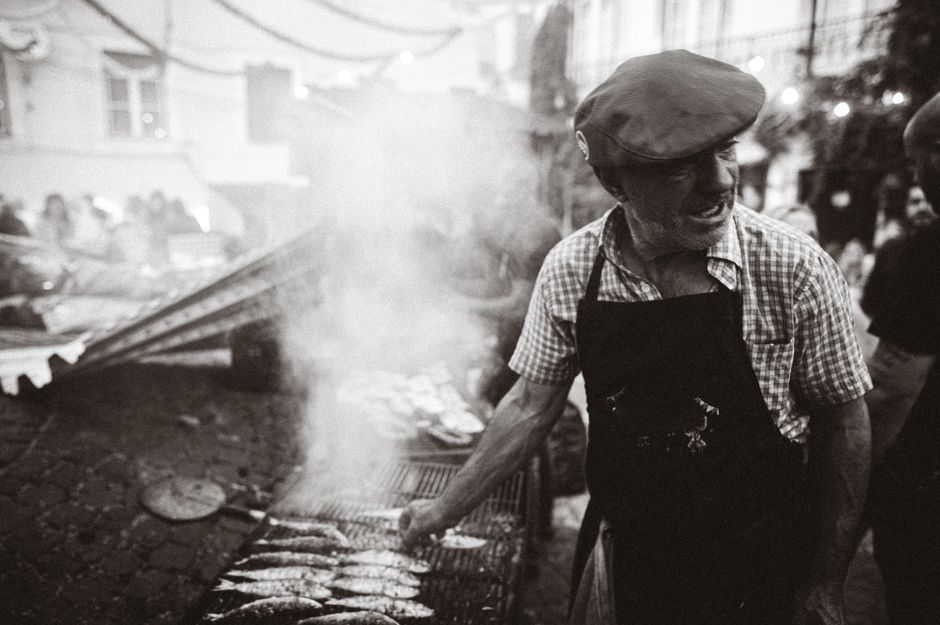
Lisbon’s oldest neighborhood cascades down steep hillsides toward the river in a maze of narrow alleyways, laundry lines, and doorways leaking the smell of grilled sardines and woodsmoke. Alfama survived the 1755 earthquake that flattened most of the city, and its medieval street grid has preserved a way of life — and a way of eating — that feels genuinely old. This is the neighborhood for t

Book a Food Tour in Lisbon
Join a small-group food tour and taste the best of Lisbon with a local guide. Skip the tourist traps — discover the hidden spots only locals know.



Book a Food Experience in Lisbon
Handpicked experiences — book with free cancellation and instant confirmation.
Explore More Food Tours
More food guides from Portugal:
You might also enjoy:
- Granada Food Tour Guide (Spain)
- San Sebastian Food Tour Guide (Spain)
Featured in:
Frequently Asked Questions
How much does a food tour in Lisbon cost?
Food tours in Lisbon typically range from €25 to €80 per person for a guided group tour. Private tours and premium culinary experiences can cost more, while self-guided food walks are often free or low-cost.
How long do food tours in Lisbon last?
Most guided food tours in Lisbon last between 2 and 4 hours and include multiple tasting stops. Walking food tours tend to run around 3 hours, while sit-down dining experiences may last longer.
What local dishes should I try on a Lisbon food tour?
A food tour in Lisbon is the best way to discover authentic local specialties. Your guide will take you to street food markets, traditional restaurants, and neighbourhood gems that locals love — dishes you would never find on your own.
What is the best area for street food in Lisbon?
The best areas for street food and local cuisine in Lisbon are usually found in the old town, central food markets, and traditional neighbourhoods away from the main tourist hotspots. A local food guide will show you exactly where to go.
Are food tours in Lisbon suitable for people with dietary restrictions?
Most food tour operators in Lisbon can accommodate vegetarian, vegan, halal, and gluten-free diets with advance notice. Always inform your guide of any dietary requirements when booking so they can plan the best route for you.