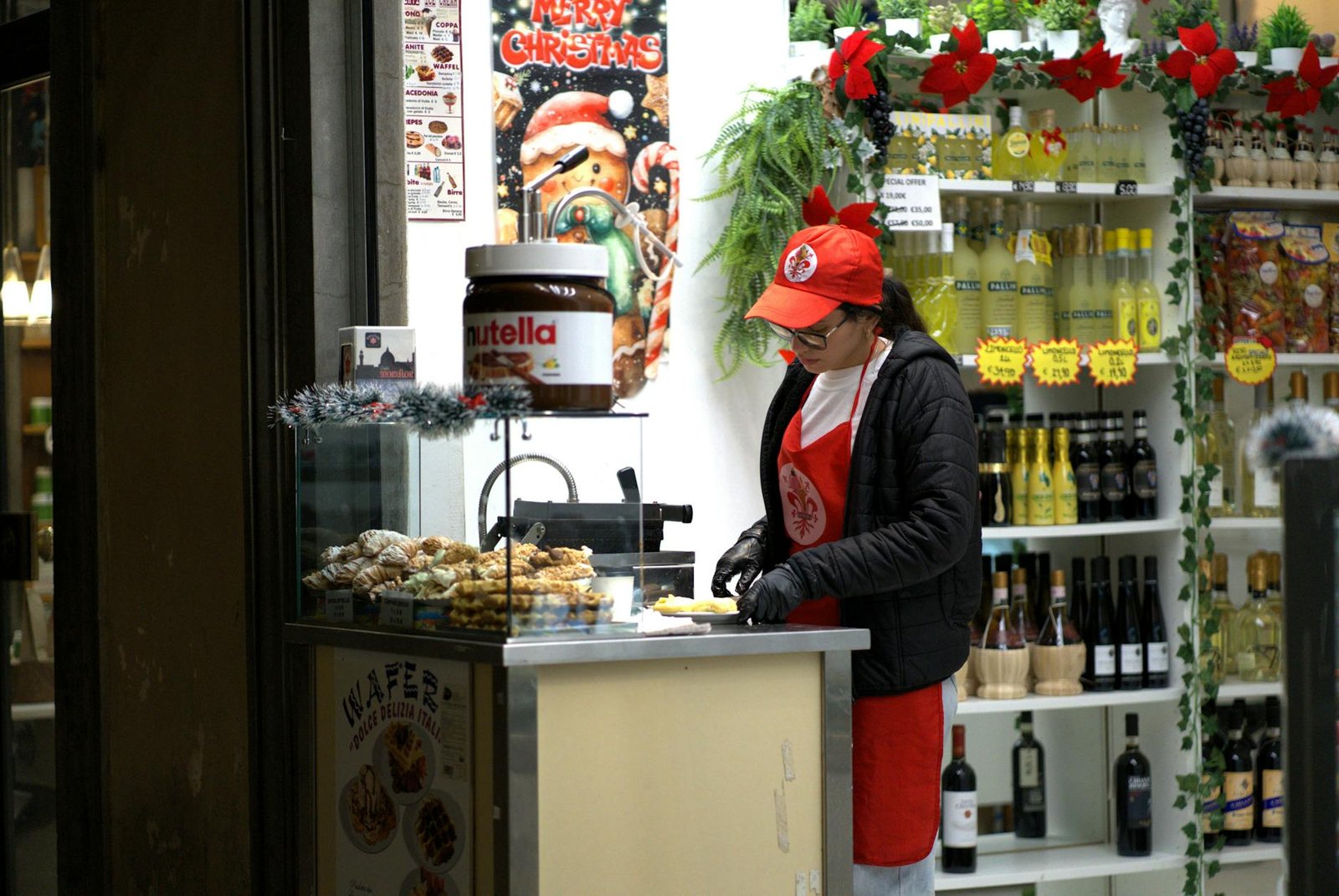
Florence Food Tour – Best Local Food & Restaurants
Florence Food Guide: A Culinary Journey Through the Heart of Tuscany
Florence fed artists and merchants long before it became a tourist destination, and that history lives in every bite you eat here. The smoky char of bistecca drifting down a cobblestone alley near the Oltrarno. A lampredotto cart steaming in the cold morning air outside Mercato di Sant’Ambrogio. Cantuccini crumbling into a small glass of Vin Santo at the end of a long, wine-soaked dinner. Eating in Florence is less a tourist activity and more a form of participation — in something old, serious, and genuinely delicious. This guide cuts through the noise and points you toward what actually matters.
The History of Florentine Food Culture
To understand Florentine cuisine, you have to understand Florentine power. During the height of the Medici dynasty in the 15th and 16th centuries, Florence controlled the money, the art, and — people forget this — the food. The Medici court pulled in the finest cooks, spice traders, and agricultural thinkers from across Europe, turning dining into something closer to politics than sustenance.
One of history’s most fascinating culinary legends centers on Catherine de’ Medici, who married the future King Henry II of France in 1533. She reportedly arrived in Paris with Florentine chefs and pastry makers in tow, and the techniques they brought with them planted seeds that eventually grew into classical French cuisine. Historians debate how much of this is myth. But the fact that the story persists tells you something about how seriously Florence was taken at the European table.

Florentine food culture is also deeply rooted in its peasant traditions — cucina povera, the cuisine of the poor. Long before farm-to-table became a marketing phrase, Florentine cooks were using every scrap of every animal, turning stale bread and seasonal vegetables into something genuinely worth eating. Ribollita, panzanella, lampredotto — these dishes weren’t born in restaurant kitchens. They came from necessity, and that’s exactly why they’ve lasted.
The Tuscan countryside has always been Florence’s pantry. The Chianti wine region starts practically at the city’s edge. Olive groves cover every hillside, producing some of Italy‘s sharpest, grassiest extra virgin olive oil. The Arno valley grows exceptional legumes and vegetables. This tight relationship between city and countryside shaped a cuisine that manages to be both technically accomplished and stubbornly unfussy at the same time.
In the 20th century, Florence helped cement Italian food’s global reputation through institutions like the Accademia Italiana della Cucina, and through a fiercely local approach to ingredients that anticipated the Slow Food movement by decades. Today’s Florentine chefs balance deep respect for tradition with careful, measured innovation. The result is a food scene that feels both timeless and very much alive.
Must-Try Foods in Florence
1. Bistecca alla Fiorentina
This is the undisputed king of Florentine cuisine, and you should eat it at least once. The bistecca alla Fiorentina is a massive T-bone or porterhouse cut from Chianina cattle — a white ox bred in the Tuscan valley of the same name — sliced at least three to four centimeters thick and typically weighing between one and two kilograms. It’s served for a minimum of two people, which honestly feels about right once the plate arrives.
The preparation is almost aggressively simple. Coarse salt, black pepper, a screaming-hot wood or charcoal fire, a few minutes per side, and the interior stays a deep, rare red. Ask for it cooked beyond medium-rare and Florentines will look at you like you’ve said something offensive. They’re not wrong. A drizzle of peppery Tuscan olive oil at the end, and that’s genuinely all it needs. Find it at Buca Mario, Trattoria Sostanza, or the legendary Buca dell’Orafo near the Ponte Vecchio. Budget around €50–70 per kilo — it’s not cheap, but this is the real thing.
2. Lampredotto
If you want to eat like an actual Florentine rather than someone ticking boxes off a list, you need to try lampredotto. This is the fourth stomach of a cow, slow-braised for hours in a broth of tomatoes, celery, onion, and herbs until it becomes tender and deeply savory. Then it gets chopped and loaded into a crusty roll called a semelle — often dunked briefly in the cooking broth to soften it — and finished with a sharp green salsa verde and a fiery red chili sauce.
Lampredotto is the quintessential Florentine street food, sold from trippaio carts stationed across the city. It’s working-class food that has been elevated, very gradually, to an art form, and the rich, funky, complex flavor is genuinely addictive once you get past the first hesitant bite. The most famous spot is Nerbone inside the Mercato Centrale, but the trippai outside the Mercato di Sant’Ambrogio are just as good and feel less like a performance. Expect to pay around €4–5 a sandwich. Go before noon.
3. Ribollita
Ribollita literally means “reboiled,” which tells you exactly how it was invented — leftover minestrone, reheated the next day, with more bread thrown in to stretch it further. It sounds like a recipe for mediocrity. It isn’t. Cannellini beans, cavolo nero, carrots, celery, tomatoes, and stale Tuscan bread all simmer together into a thick, hearty stew that sits somewhere between soup and porridge. The bread dissolves during cooking and creates a velvety, almost gravy-like texture that carries the vegetable flavors beautifully.
The non-negotiable finish is a pour of good, grassy Tuscan extra virgin olive oil added raw at the table. Don’t skip it. Ribollita is a cold-weather dish — really best between October and March when cavolo nero is at peak bitterness and the cool Florentine nights make you want something heavy and warming. Trattoria Mario near the Mercato Centrale serves one of the best versions in the city. It’s loud, cramped, and shares tables. Go anyway.
4. Schiacciata
Florence’s answer to focaccia, schiacciata is a flatbread that shows up everywhere — in bakery windows, at market stalls, folded around sandwich fillings at lunch counters across the city. The name means “crushed,” referring to the way the dough gets pressed into the pan and dimpled hard with your fingers before baking. What comes out is crispy on the outside, pillowy within, and soaked through with olive oil and flaked sea salt.
Plain schiacciata is excellent. Filled with prosciutto and fiordilatte mozzarella, or mortadella and stracchino cheese, it’s even better. But if you happen to be in Florence in autumn — roughly September and October — look for schiacciata all’uva, a seasonal version stuffed with fresh wine grapes and sugar that hits this strange, addictive combination of sweet, savory, and yeasty. Forno Sartoni near Santa Croce is celebrated for producing some of the city’s best. Arrive early in the morning; it sells out.
5. Pappa al Pomodoro
Another triumph of cucina povera. Pappa al pomodoro is a thick tomato and bread soup that looks almost too simple to justify its reputation — and then you taste it. Ripe summer tomatoes cooked down with garlic, fresh basil, and olive oil, combined with chunks of day-old Tuscan unsalted bread and just enough water or broth to pull it all together into a dense, jammy mass. The bread absorbs everything: the sweetness of the tomatoes, the sharpness of the oil, the perfume of the basil.
Unlike ribollita, which belongs to winter, pappa al pomodoro is a late summer dish. The Tuscan tomatoes in August and September are extraordinary — genuinely sweet, properly ripe, nothing like what you buy in a supermarket in February. Timing matters here.
Book a Food Tour in Florence
Join a small-group food tour and taste the best of Florence with a local guide. Skip the tourist traps — discover the hidden spots only locals know.


Book a Food Experience in Florence
Handpicked experiences — book with free cancellation and instant confirmation.
Explore More Food Tours
More food guides from Italy:
You might also enjoy:
- Bern Food Tour Guide (Switzerland)
- Corfu Food Tour Guide (Greece)
Featured in:
Frequently Asked Questions
How much does a food tour in Florence cost?
Food tours in Florence typically range from €25 to €80 per person for a guided group tour. Private tours and premium culinary experiences can cost more, while self-guided food walks are often free or low-cost.
How long do food tours in Florence last?
Most guided food tours in Florence last between 2 and 4 hours and include multiple tasting stops. Walking food tours tend to run around 3 hours, while sit-down dining experiences may last longer.
What local dishes should I try on a Florence food tour?
A food tour in Florence is the best way to discover authentic local specialties. Your guide will take you to street food markets, traditional restaurants, and neighbourhood gems that locals love — dishes you would never find on your own.
What is the best area for street food in Florence?
The best areas for street food and local cuisine in Florence are usually found in the old town, central food markets, and traditional neighbourhoods away from the main tourist hotspots. A local food guide will show you exactly where to go.
Are food tours in Florence suitable for people with dietary restrictions?
Most food tour operators in Florence can accommodate vegetarian, vegan, halal, and gluten-free diets with advance notice. Always inform your guide of any dietary requirements when booking so they can plan the best route for you.