Nice Food Tour – Best Local Food & Restaurants
The Ultimate Food Guide to Nice, France
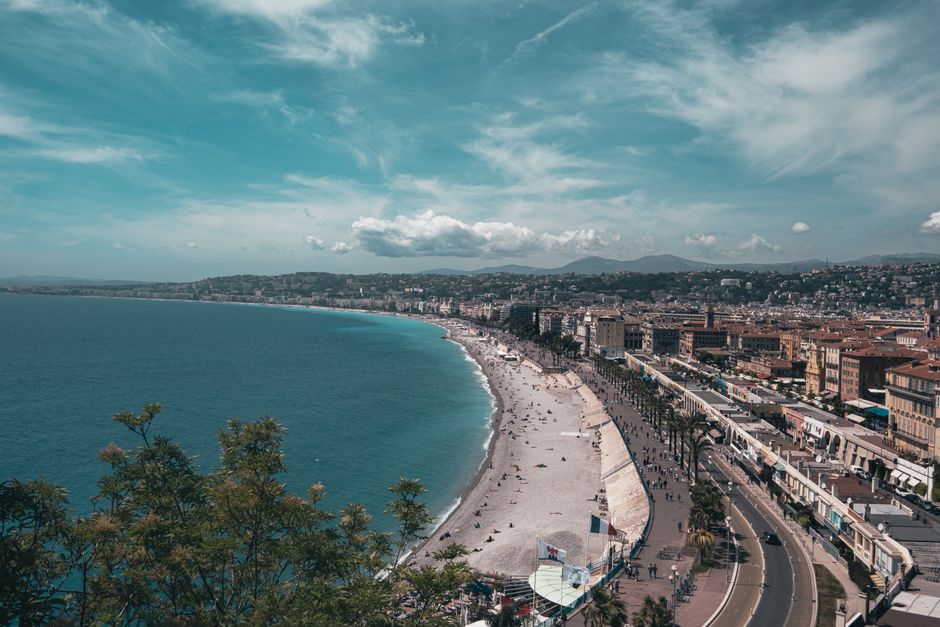
Nice sits on the French Riviera where Italian passion and French sophistication collide on every plate. This is not simply French cuisine — it is Niçoise cuisine, a proudly independent culinary identity shaped by centuries of cultural crossroads, Mediterranean abundance, and fierce local pride. Eating here is one of the most rewarding food experiences Europe has to offer. Wander through the Cours Saleya market at dawn or sit at a table overlooking the sea at dusk — either way, the city feeds you well.
The History of Food Culture in Nice
To understand the food of Nice, you need to understand its complicated history first. Nice was not always French. For centuries it belonged to the House of Savoy, and it was only officially ceded to France in 1860 — a relatively recent development that locals are genuinely quick to remind you of. Before that, the city was deeply intertwined with neighboring Liguria in what is now northwestern Italy. That Italian influence is not a footnote. It is woven into the DNA of Niçoise cooking in ways you taste with every bite.
The cuisine evolved from peasant traditions, born from necessity and difficult geography. The rocky terrain surrounding the city made large-scale farming nearly impossible, so cooks learned to work with humble ingredients: chickpea flour, dried salt cod, wild thyme and rosemary, anchovies preserved in salt, olive oil from ancient groves dotting the hillsides. Nothing was wasted. Vegetable scraps became fritters, stale bread became salad, and every part of every fish found its way into a pot.

The Mediterranean provided extraordinary bounty — silvery anchovies, sea bream, octopus, sea urchin. The markets of the old city overflowed with produce from the arrière-pays, the rugged hinterland stretching north toward the Alps: courgettes, tomatoes, peppers, artichokes, fragrant herbs. Over generations, home cooks and market vendors transformed these modest ingredients into a cuisine of real depth and personality.
By the late 19th century, Nice had become a glamorous winter playground for European aristocracy and the British upper class, arriving on the newly built railway and settling into grand hotels along the Promenade des Anglais. Wealthy visitors created demand for refined dining, and the city’s restaurants developed alongside its traditional markets and street food culture. But the soul of Niçoise cooking never lost its working-class roots. Today you can eat at a seafront restaurant or grab a paper cone of socca at Cours Saleya for a couple of euros — both experiences are authentically, irreplaceably Nice.
Must-Try Foods in Nice
The dishes of Nice are unlike anything else in France or Italy. They belong to their own category entirely. Visit without trying them and you have genuinely missed the point of the city. Here are the six essential dishes that define eating here.
1. Socca
If Nice has a soul food, this is it. Socca is deceptively simple — chickpea flour, water, olive oil, salt, black pepper — cooked in enormous copper pans over a wood-fired oven until blistered, crackling, and golden at the edges with a soft, custardy center. It comes out piping hot from street vendors and market stalls, traditionally wrapped in paper and eaten standing up, often alongside a glass of local rosé. The outside is smoky and slightly charred. The inside is creamy and nutty with an earthy depth that is genuinely hard to describe until you taste it yourself. The best in the city comes from Chez René Socca in the old town — queue early, because the atmosphere is gloriously chaotic and the good stuff goes fast. Eat it hot, eat it fast, and order more than you think you need.
2. Salade Niçoise
The world thinks it knows salade Niçoise. The world is mostly wrong. The authentic version bears almost no resemblance to the confused, mayo-laden impostors served in restaurants around the globe. A true Niçoise salad uses raw vegetables only — never cooked — including ripe tomatoes, thin-sliced radishes, cucumber, broad beans, spring onions, and crisp peppers, all dressed generously with local olive oil. Anchored with salt-packed anchovies, hard-boiled eggs, and small black Niçoise olives known for their mild, buttery flavor. No lettuce. No green beans. The city actually has an official charter protecting the recipe, which tells you everything about how seriously locals take this dish. Head to the Cours Saleya area for the most honest version you will find.
3. Pan Bagnat
Pan bagnat is essentially a salade Niçoise pressed inside a round bread roll and left to marinate until the dressing soaks into every crumb. The name means “bathed bread” in the local dialect, and the soaking is entirely the point. A proper version starts with a round pain de campagne roll rubbed with garlic and olive oil, then packed with anchovies, tomatoes, hard-boiled eggs, olives, and peppers, wrapped tightly and pressed under a weight for at least thirty minutes. What comes out is simultaneously hearty and elegant, portable and deeply satisfying. It was originally the lunch of fishermen and market workers. You can still find it wrapped in paper at market stalls throughout the old city for just a few euros. One of the greatest sandwiches anywhere, full stop.
4. Pissaladière
This ancient flatbread predates modern pizza and is one of the most addictive things you will eat in Nice. A thick, focaccia-like dough gets topped with an almost impossibly sweet tangle of onions — slowly caramelized for hours until they collapse into a silky, golden mass — then crowned with a lattice of salt-packed anchovies and studded with small black olives. No tomato sauce. No melted cheese. Just three extraordinary ingredients working in perfect harmony. The anchovies cut through the sweetness with salty, umami depth; the olives add briny punctuation to every bite. Sold by the slice at bakeries and market stalls throughout the old town, pissaladière works equally well for breakfast, a mid-morning snack, or a casual lunch. Catch it fresh from the oven at Cours Saleya on weekend mornings if you can.
5. Daube Niçoise
When the mistral howls down from the mountains and the temperature drops, the restaurants of Nice retreat to their most comforting dish. Daube Niçoise is a slow-braised beef stew of real complexity — chunks of beef marinated overnight in local red wine, typically a Bellet from the hills above the city, then braised for hours with tomatoes, olives, orange peel, thyme, bay, and aromatic herbs that grow wild across the surrounding hillsides. The meat falls apart at the touch of a fork. The sauce reduces to something glossy and profound. Traditionally served with gnocchi or fresh pasta, and the combination of braised beef with pasta soaking up every drop of that wine-dark sauce is the kind of meal you remember weeks later. Look for it on menus at traditional restaurants in the old town from October through March — it rarely appears in summer, and rightly so.
6. Tourte de Blettes
One of the most surprising dishes in the Niçoise repertoire, tourte de blettes is a sweet tart made with Swiss chard —
Book a Food Tour in Nice
Join a small-group food tour and taste the best of Nice with a local guide. Skip the tourist traps — discover the hidden spots only locals know.


Book a Food Experience in Nice
Handpicked experiences — book with free cancellation and instant confirmation.
Explore More Food Tours
More food guides from France:
You might also enjoy:
- Monaco Food Tour Guide (Monaco)
- Lausanne Food Tour Guide (Switzerland)
Featured in:
Frequently Asked Questions
How much does a food tour in Nice cost?
Food tours in Nice typically range from €25 to €80 per person for a guided group tour. Private tours and premium culinary experiences can cost more, while self-guided food walks are often free or low-cost.
How long do food tours in Nice last?
Most guided food tours in Nice last between 2 and 4 hours and include multiple tasting stops. Walking food tours tend to run around 3 hours, while sit-down dining experiences may last longer.
What local dishes should I try on a Nice food tour?
A food tour in Nice is the best way to discover authentic local specialties. Your guide will take you to street food markets, traditional restaurants, and neighbourhood gems that locals love — dishes you would never find on your own.
What is the best area for street food in Nice?
The best areas for street food and local cuisine in Nice are usually found in the old town, central food markets, and traditional neighbourhoods away from the main tourist hotspots. A local food guide will show you exactly where to go.
Are food tours in Nice suitable for people with dietary restrictions?
Most food tour operators in Nice can accommodate vegetarian, vegan, halal, and gluten-free diets with advance notice. Always inform your guide of any dietary requirements when booking so they can plan the best route for you.