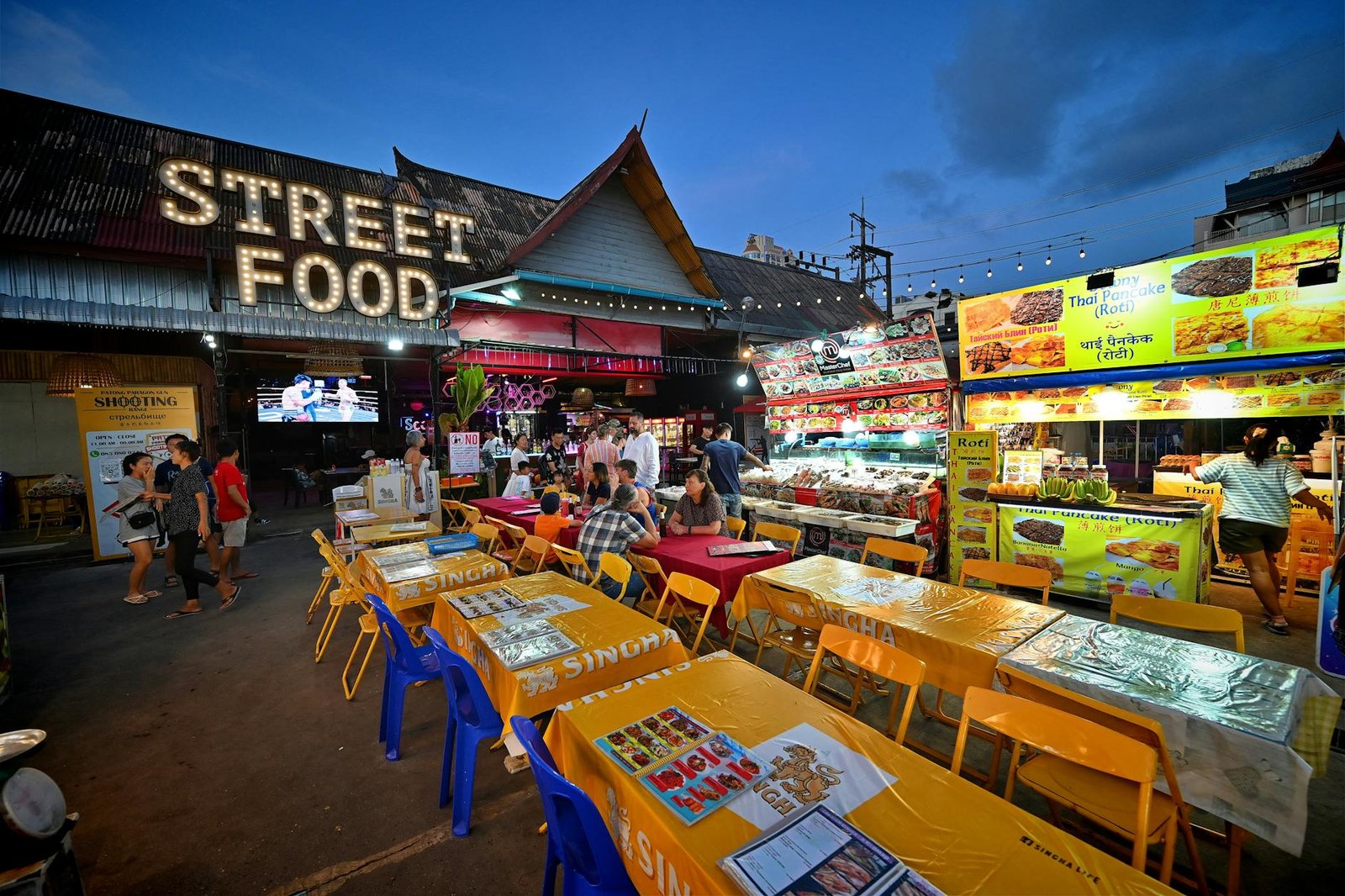
Phuket Food Tour – Best Local Food & Restaurants
Phuket Food Guide: A Complete Culinary Journey Through Thailand’s Pearl of the Andaman
Phuket isn’t just Thailand’s most famous island destination — it’s one of Southeast Asia’s most extraordinary culinary crossroads. Smoky wok-fried noodles served at dawn markets. Elaborate Peranakan feasts built over centuries of cultural exchange. Eating your way through Phuket is an adventure that genuinely rivals any beach sunset, and this guide from FoodTourTrails.com will help you find every worthwhile corner of it.
The History of Phuket’s Food Culture
To understand why Phuket’s food tastes so unlike anything else in Thailand, you need to understand its history. The island’s culinary identity was forged through centuries of maritime trade, migration, and multicultural exchange — turning what was once a small Andaman island into a genuine melting pot of flavors.
Long before tourism arrived, Phuket was a thriving tin mining hub that attracted waves of Chinese Hokkien migrants from Fujian province throughout the 18th and 19th centuries. These miners brought their techniques, spice blends, and recipe traditions with them. Over generations, they intermarried with local Thai and Malay populations, giving birth to the Baba-Nyonya or Peranakan people — and with them, a cuisine that blends Chinese cooking methods with Thai and Malay ingredients in ways that are completely their own.
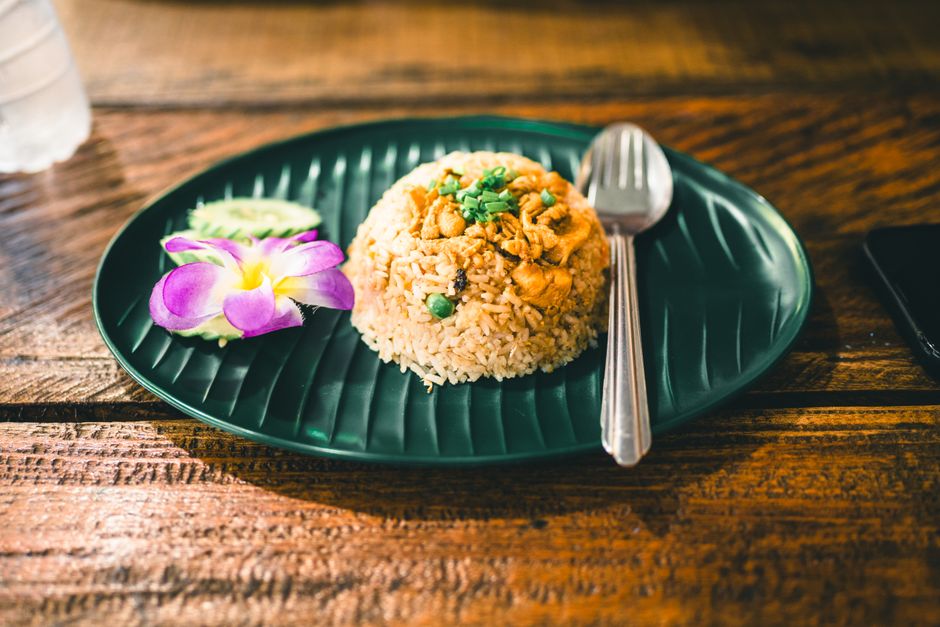
Portuguese traders passing through in the 16th century also left their mark, particularly in certain sweets and pastry traditions still visible at Old Town bakeries today. The island’s position along ancient spice trade routes meant Indian, Burmese, and Malay flavors all wove their way into the local culinary fabric too. It kept accumulating influences for centuries, and it shows.
The result is a food culture that Phuket locals are fiercely proud of. Yellow curry pastes thick with turmeric. Slow-braised pork with Chinese five-spice undertones. Noodle soups balancing lemongrass and shrimp paste. Desserts combining coconut milk, pandan, and techniques borrowed from across Asia. This is not mainstream Thai food. This is something gloriously its own.
The Phuket Vegetarian Festival — held annually in October during the ninth lunar month — stands as perhaps the most dramatic expression of the island’s Chinese-Thai heritage. For nine days, devoted participants eat only vegan food while performing extraordinary acts of ritual devotion, and street food stalls across the island transform to serve elaborate plant-based dishes that showcase just how inventive Phuket’s food culture can be. If your timing works out, don’t miss it.
Must-Try Foods in Phuket
With such a rich culinary history, Phuket offers dozens of dishes you simply cannot find anywhere else in Thailand. These six are the essential starting points for any serious food traveler visiting the island.

1. Mee Hokkien (Phuket Hokkien Noodles)
This is the dish that most powerfully captures Phuket’s Chinese-Thai identity. Mee Hokkien features thick yellow egg noodles stir-fried in a dark, intensely savory sauce built from soy sauce, oyster sauce, and the cooking juices of braised pork. Loaded with bean sprouts, Chinese kale, sliced pork, squid, and prawns, then finished with rendered pork lard for a richness that no vegetable oil comes close to replicating.
What sets Phuket’s version apart from similar dishes in Malaysia or Singapore is the local insistence on fresh, hand-pulled noodles from specialty suppliers in Old Town, combined with locally caught Andaman seafood. The best versions arrive with a slightly smoky char from an extremely hot wok — what locals call wok hei — that transforms simple ingredients into something deeply satisfying. Look for stalls that have been operating for decades, where the woks are perpetually blackened and the cooks barely glance up from the flames. That’s where you want to eat.
2. Oh Tao (Phuket Oyster Cake)
Oh Tao is one of Phuket’s most beloved street foods and genuinely difficult to find in this exact form anywhere else in Thailand. Small local oysters are mixed into a batter of rice flour and taro, then pressed flat onto a sizzling griddle greased with generous amounts of lard. The outside crisps up beautifully while the inside stays soft and eggy, with the oysters delivering bursts of oceanic brininess against the mild starchiness of the taro.
The dish comes with a bright, tangy sauce made from tamarind, chili, and garlic that cuts through all that richness. Eating Oh Tao at a proper street stall — perched on a plastic stool at 10pm while the cook works two pans simultaneously and a television blares Thai soap operas overhead — is one of those quintessential Phuket experiences that sticks with you. The oysters are specifically the small, intensely flavored species harvested from tidal flats around the island, so freshness matters enormously here.
3. Gaeng Phed Moo (Phuket Red Pork Curry)
Red curry exists across Thailand, but Phuket’s version is noticeably different — richer, more complex, and unmistakably shaped by the island’s Peranakan heritage. The local red curry paste is made fresh each morning by vendors who pound together dried chilies, galangal, lemongrass, kaffir lime peel, shrimp paste, garlic, and shallots using heavy granite mortars that have been in use for generations. Pre-packaged versions don’t come close.

The curry itself is typically made with pork belly or shoulder, slow-cooked until the fat turns silky and the meat falls apart at the touch of a spoon. Eggplant, bamboo shoots, and fresh Thai basil finish the dish, which arrives with a thin layer of red-orange coconut oil floating on top — a sign of quality that Phuket locals instinctively look for. Eaten over steamed jasmine rice for breakfast, as is completely normal in local neighborhoods far from tourist areas, this curry is one of the most comforting meals the island has to offer.
4. Khanom Jeen Nam Ya (Rice Noodles with Fish Curry Sauce)
This dish represents the meeting point of Phuket’s Thai and Malay culinary influences, eaten with passionate devotion by locals at breakfast and lunch throughout the island. Fermented rice noodles — fine, pale, slightly sour from fermentation — arrive cool and soft beneath a ladle of intensely aromatic fish curry sauce.
The sauce is the heart of the dish. A deep orange broth built from minced fish, red curry paste, coconut milk, galangal, and krachai (fingerroot), thickened until it coats the noodles generously without overwhelming them. At the table you customize it yourself — bean sprouts, sliced green beans, pickled mustard greens, hard-boiled eggs, fresh Thai basil — in whatever combination you want. The interplay of warm spiced sauce against cool fermented noodles and crunchy raw vegetables is a masterclass in texture and temperature contrast. Simple on the surface, genuinely complex once you start eating.
5. Por Pia Sod (Fresh Spring Rolls, Phuket Style)
Fresh spring rolls appear across Southeast Asia, but Phuket’s version carries the distinct fingerprints of Hokkien Chinese heritage. Thin rice paper or tofu skin wrappers encase shredded taro, beansprouts, julienned jicama, Chinese sausage, dried shrimp, and chopped peanuts — ingredients that reflect the Chinese pantry as interpreted through generations of Thai-Chinese cooking.
Book a Food Tour in Phuket
Join a small-group food tour and taste the best of Phuket with a local guide. Skip the tourist traps — discover the hidden spots only locals know.


Book a Food Experience in Phuket
Handpicked experiences — book with free cancellation and instant confirmation.
Explore More Food Tours
More food guides from Thailand:
You might also enjoy:
- Phu Quoc Food Tour Guide (Vietnam)
- Da Lat Food Tour Guide (Vietnam)
- Da Nang Food Tour Guide (Vietnam)
- Ha Long Bay Food Tour Guide (Vietnam)
Featured in:
Frequently Asked Questions
How much does a food tour in Phuket cost?
Food tours in Phuket typically range from €25 to €80 per person for a guided group tour. Private tours and premium culinary experiences can cost more, while self-guided food walks are often free or low-cost.
How long do food tours in Phuket last?
Most guided food tours in Phuket last between 2 and 4 hours and include multiple tasting stops. Walking food tours tend to run around 3 hours, while sit-down dining experiences may last longer.
What local dishes should I try on a Phuket food tour?
A food tour in Phuket is the best way to discover authentic local specialties. Your guide will take you to street food markets, traditional restaurants, and neighbourhood gems that locals love — dishes you would never find on your own.
What is the best area for street food in Phuket?
The best areas for street food and local cuisine in Phuket are usually found in the old town, central food markets, and traditional neighbourhoods away from the main tourist hotspots. A local food guide will show you exactly where to go.
Are food tours in Phuket suitable for people with dietary restrictions?
Most food tour operators in Phuket can accommodate vegetarian, vegan, halal, and gluten-free diets with advance notice. Always inform your guide of any dietary requirements when booking so they can plan the best route for you.