Hanoi Food Tour – Best Local Food & Restaurants
Hanoi Food Guide: A Culinary Journey Through Vietnam’s Ancient Capital
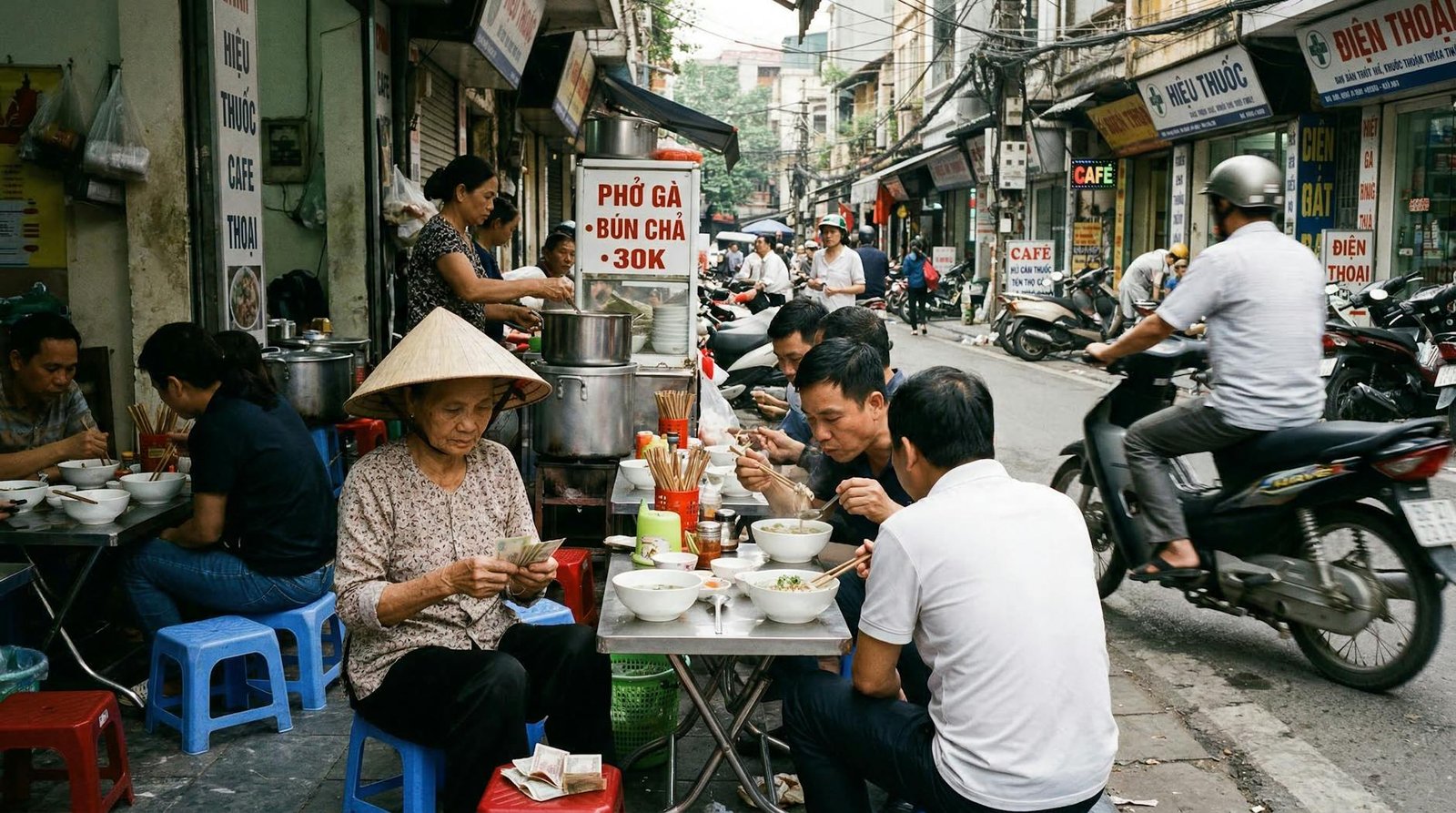
Hanoi is not just a city — it is a living, breathing cookbook written over a thousand years of history, culture, and tradition. Steaming bowls of pho at plastic stools on cracked sidewalks. Crispy banh mi stuffed with layers of Vietnamese flavors. Eating in Hanoi is one of the most rewarding culinary experiences anywhere on Earth, and I say that having eaten my way through a lot of cities. This guide will help you navigate the best local food and restaurants in Vietnam’s capital, whether you’re visiting for the first time or coming back for the dish you can’t stop thinking about.
The History of Hanoi’s Food Culture
Hanoi’s food culture stretches back over a millennium, shaped by its role as Vietnam’s political, cultural, and intellectual center. Founded in 1010 AD under Emperor Ly Thai To, the city — originally called Thang Long, meaning “Ascending Dragon” — became a place where culinary traditions from across the country converged and slowly transformed into something distinctly northern Vietnamese.
Unlike the bold, sweet flavors you get in Saigon or the intensely spiced dishes of Hue, Hanoi’s cuisine is built on restraint. Northern Vietnamese cooking favors subtle seasoning, clean broths, and letting quality ingredients speak for themselves. Fish sauce, fermented shrimp paste, star anise, cinnamon — these things add depth without bulldozing your palate. It’s a more considered kind of cooking.
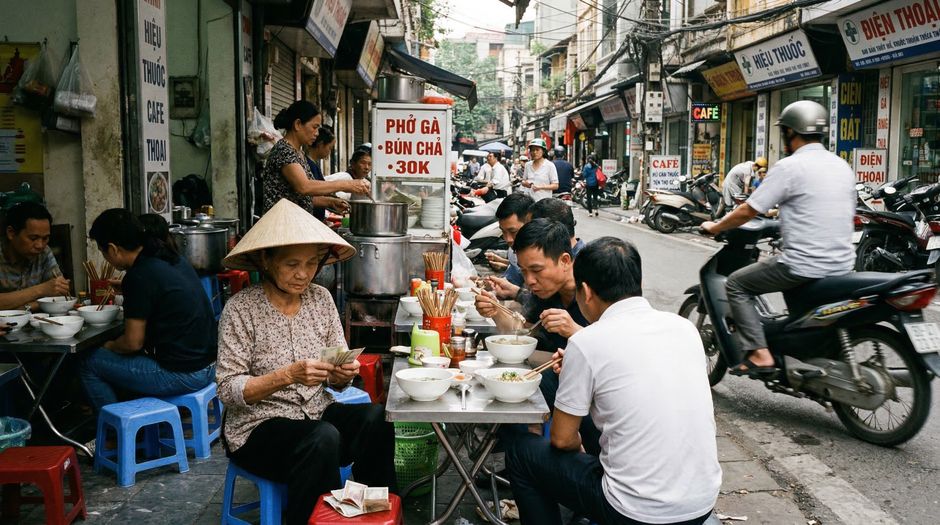
French colonial influence from the late 19th century through 1954 left marks that are still visible on every street corner. The baguette became the backbone of banh mi. Coffee culture burrowed deep into daily life. Pate and cold cuts got absorbed and brilliantly reimagined through a Vietnamese lens. The result is a culinary identity that feels simultaneously ancient and surprisingly modern.
The Doi Moi economic reforms of 1986 transformed Hanoi’s street food landscape dramatically. As the city opened to commerce and tourism, hawker culture exploded. Families passed recipes down through generations and staked out specific street corners as their exclusive territory. Some vendors have been serving the same dish from the same spot for over 50 years. Locals will cross the entire city for their favorite bowl of bun cha. That kind of devotion tells you everything you need to know about how seriously people here take their food.
Must-Try Foods in Hanoi
1. Pho Hanoi — The Soul of the City
Pho is Vietnam’s most iconic dish, and Hanoi is widely considered its birthplace. The Hanoi version is noticeably different from what you get in the south — the broth is cleaner, clearer, built from hours of simmering beef bones with charred ginger, star anise, cinnamon, and cloves. The noodles are flat and silky. Toppings are minimal by design: thin slices of rare beef or tendon, a few green onions, a squeeze of lime. That’s it. No bean sprouts. No hoisin sauce. Ask for those and locals will genuinely look at you sideways.
For the most authentic bowl in the city, go to Pho Gia Truyen on Bat Dan Street in the Old Quarter. Owner Nguyen Thi Thoan has been ladling out the same legendary recipe since 1955. Arrive before 7am — and I mean that literally. The place sells out by mid-morning, and the line already stretches down the sidewalk before sunrise. It’s worth every minute of the wait.
2. Bun Cha — Obama’s Favorite Meal
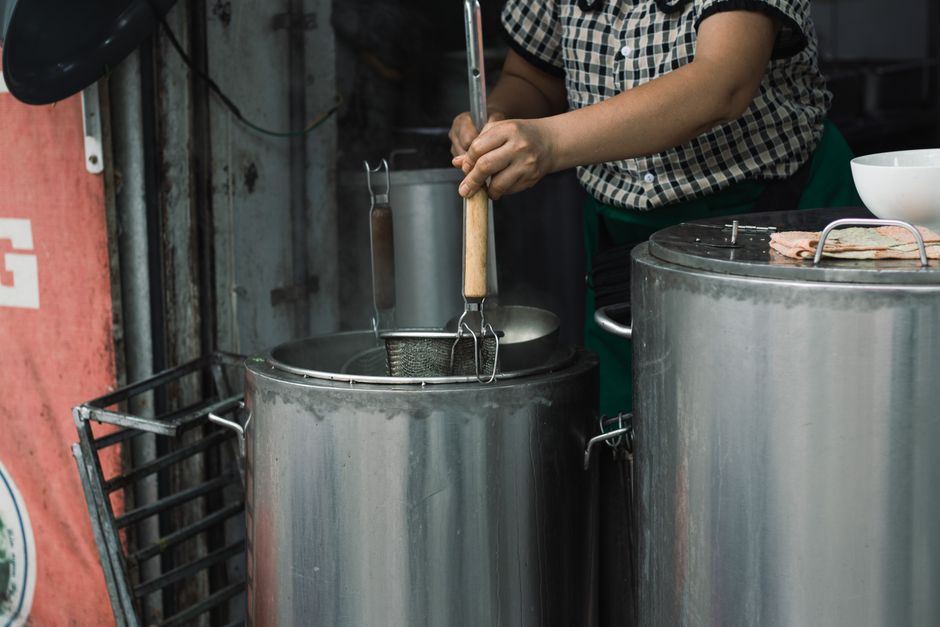
Bun cha went internationally viral in 2016 when Barack Obama sat down with Anthony Bourdain at a plastic-stool restaurant in Hanoi. The dish deserves every bit of that attention. Charcoal-grilled pork patties and pork belly arrive in a sweet-savory dipping broth, alongside white rice vermicelli and a pile of fresh herbs — perilla, lettuce, Vietnamese mint.
The magic is in the grilling. Pork seasoned with fish sauce, shallots, sugar, and black pepper gets cooked over charcoal until caramelized and smoky, then dropped into a warm broth of fish sauce, vinegar, sugar, garlic, and chili. You build each bite yourself — noodles, herbs, pork, broth. Bun Cha Huong Lien on Le Van Huu Street is the actual restaurant where Obama ate, and it’s still one of the best spots to try it. That said, countless family-run spots throughout the city serve versions that are just as memorable, sometimes more so.
3. Banh Mi Hanoi — The Perfect Vietnamese Sandwich
Banh mi exists all over Vietnam, but Hanoi’s version has its own personality. The bread — light and airy with a crust that shatters when you bite into it — reflects the French colonial legacy more visibly here than anywhere else. A classic Hanoi banh mi comes loaded with pate, Vietnamese ham or cha lua, head cheese, cucumber, pickled daikon and carrot, fresh cilantro, and a smear of mayonnaise or chili sauce.
What separates Hanoi banh mi from the rest is the charcuterie. The city has a serious tradition of Vietnamese cold cuts that outclasses most other regions. Banh Mi 25 on Hang Ca Street in the Old Quarter has earned a devoted international following — the ratio of meat to vegetables to bread is exactly right, and the pate has a richness and complexity that’s unmistakably northern Vietnamese. Expect a short queue. Worth it.
4. Cha Ca La Vong — The Dish With Its Own Street
Not many dishes in the world are iconic enough to have an entire street named after them. Cha Ca La Vong earned that honor. Turmeric-marinated snakehead fish, cooked tableside over a charcoal brazier with a heap of dill and green onions — it’s theatrical, fragrant, and deeply satisfying. Cha Ca Street in the Old Quarter is named entirely because of this one preparation. That’s the kind of reputation that takes generations to build.
The dish originates from the Doan family, who started serving it from their home on Hang Son Street during the French colonial period. Several restaurants now compete for the title of best cha ca, but the original Cha Ca La Vong restaurant is still the pilgrimage site. The fish arrives still sizzling with turmeric and galangal. You finish cooking it yourself, then pile it over vermicelli noodles with crushed peanuts, shrimp paste, and fresh herbs. Budget around 150,000–200,000 VND per person. Don’t skip the shrimp paste — it sounds intense, but it’s essential.
5. Banh Cuon — The Delicate Breakfast Roll
Banh cuon is one of Hanoi’s most technically demanding street foods. Paper-thin sheets of fermented rice batter are steamed over a cloth stretched across boiling water, then peeled off and filled with minced pork and wood ear mushrooms. The rolls are almost translucent — genuinely delicate in a way that feels like it shouldn’t be possible at a street food stall. They come with a light dipping sauce of fish sauce, lime, and sugar, plus crispy fried shallots and slices of cha lua pork sausage.
Watching a skilled vendor work is genuinely mesmerizing. Batter poured, steamed for seconds, lifted and rolled in one practiced motion. The best place to watch and eat is Banh Cuon Ba Hanh on Dinh Liet Street, where the family matriarch has been making rolls by hand for decades. Her daughters have learned the technique with the same precision. Go for breakfast — it’s at its best early, and by 9am the best rolls are usually gone.
6. Egg Coffee — Hanoi’s Legendary Invention
Ca phe trung, or egg coffee, is
Book a Food Tour in Hanoi
Join a small-group food tour and taste the best of Hanoi with a local guide. Skip the tourist traps — discover the hidden spots only locals know.


Book a Food Experience in Hanoi
Handpicked experiences — book with free cancellation and instant confirmation.
Explore More Food Tours
More food guides from Vietnam:
You might also enjoy:
- Phuket Food Tour Guide (Thailand)
- Shanghai Food Tour Guide (China)
Featured in:
Frequently Asked Questions
How much does a food tour in Hanoi cost?
Food tours in Hanoi typically range from €25 to €80 per person for a guided group tour. Private tours and premium culinary experiences can cost more, while self-guided food walks are often free or low-cost.
How long do food tours in Hanoi last?
Most guided food tours in Hanoi last between 2 and 4 hours and include multiple tasting stops. Walking food tours tend to run around 3 hours, while sit-down dining experiences may last longer.
What local dishes should I try on a Hanoi food tour?
A food tour in Hanoi is the best way to discover authentic local specialties. Your guide will take you to street food markets, traditional restaurants, and neighbourhood gems that locals love — dishes you would never find on your own.
What is the best area for street food in Hanoi?
The best areas for street food and local cuisine in Hanoi are usually found in the old town, central food markets, and traditional neighbourhoods away from the main tourist hotspots. A local food guide will show you exactly where to go.
Are food tours in Hanoi suitable for people with dietary restrictions?
Most food tour operators in Hanoi can accommodate vegetarian, vegan, halal, and gluten-free diets with advance notice. Always inform your guide of any dietary requirements when booking so they can plan the best route for you.