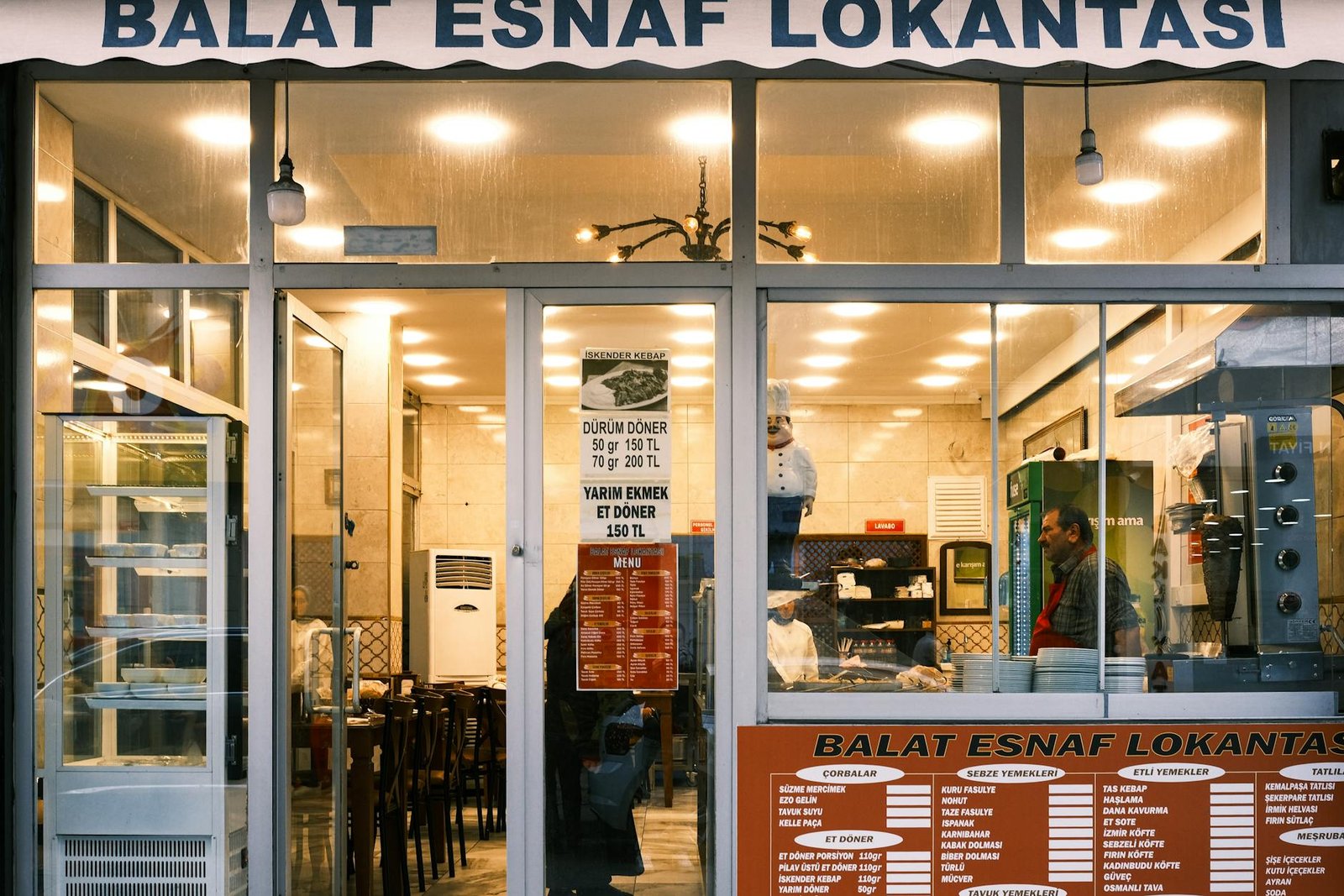
Istanbul Food Tour – Best Local Food & Restaurants
Istanbul Food Guide: A Culinary Journey Through the City on Two Continents
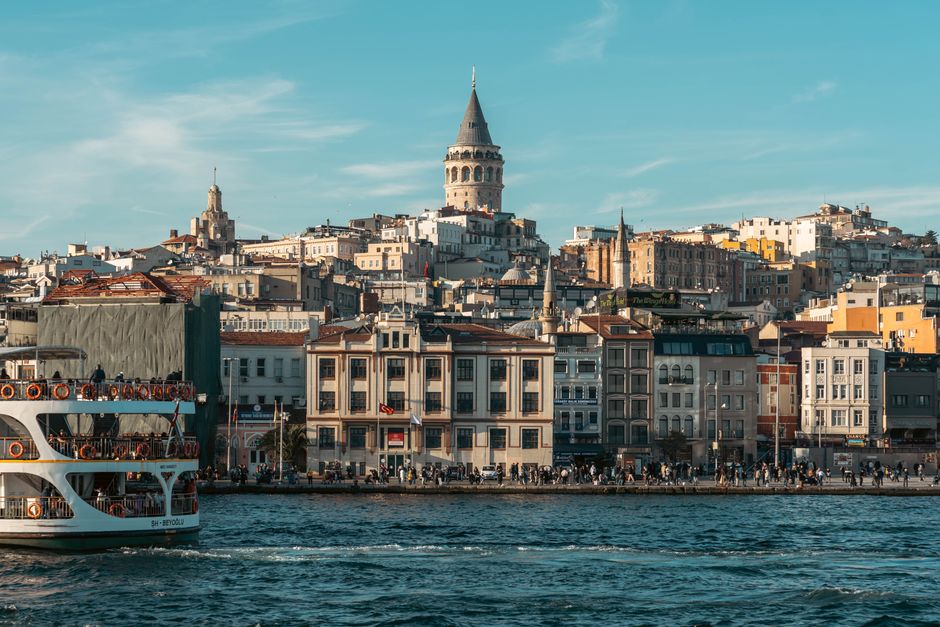
Istanbul is not just a city — it’s a meal that never ends. Sitting across two continents, split by the Bosphorus Strait, this place of over 15 million people has been feeding emperors, sultans, traders, and pilgrims for nearly three thousand years. You can be eating a simit while pushing through the Grand Bazaar crowds at noon, then sitting in a meyhane four hours later as meze plates keep arriving whether you asked for them or not. That’s the thing about eating in Istanbul — it’s never just eating. It’s the whole point of being there.
The History of Istanbul’s Food Culture
To really get Istanbul’s food, you need to understand what this city has always been: a place where every major civilization eventually showed up and left something behind in the kitchen. Founded as Byzantium by Greek colonists around 657 BCE, it became Constantinople, capital of the Eastern Roman Empire, for over a thousand years. Byzantine cooking absorbed Greek, Levantine, Persian, and North African influences — olive oil, legumes, fresh herbs, seafood pulled from the waters right outside the city walls. The foundations were deep before the Ottomans arrived.
The real shift came in 1453. When Sultan Mehmed II took the city and made it the Ottoman capital, the kitchens of the Topkapi Palace became something almost absurd in scale — over 1,300 cooks, organized into specialized guilds, with entirely separate kitchens for rice, meat, pastries, helva, and pickles. Ingredients came from the furthest edges of an empire stretching from Vienna to the Persian Gulf. Saffron from Iran. Lamb from the Anatolian plateau. Spices from Egypt. Honey from the Balkans. Fish from the Black Sea. All of it funneling into one city.
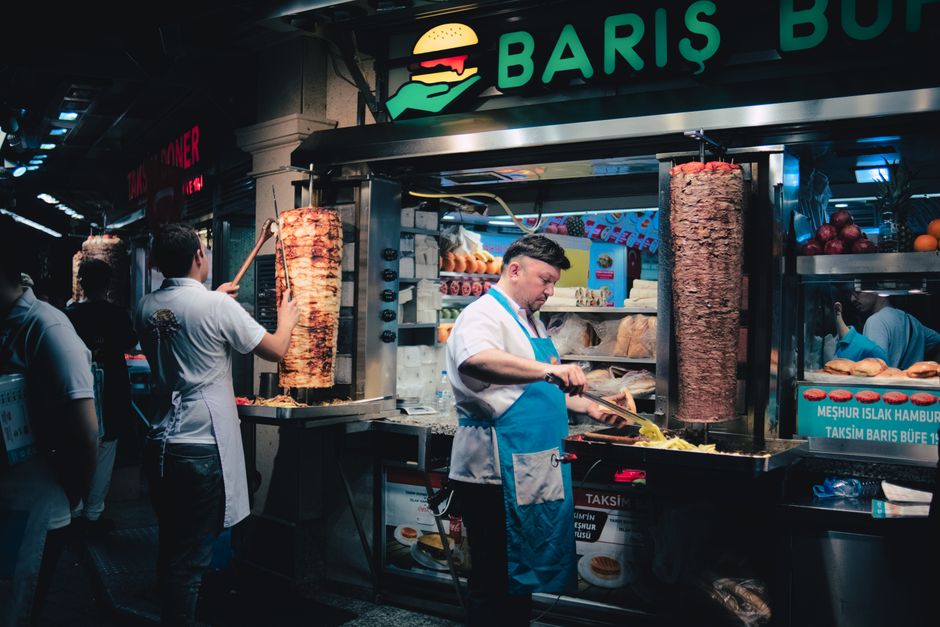
That palace obsession with food eventually spilled into the streets. A dense network of lokanta restaurants, kebab shops, pastry makers, and street vendors fed a wildly diverse population. Armenian, Greek, Jewish, Arab, Persian, and European culinary traditions all left their marks permanently. The dolma stuffed with rice and currants — Persian influence. The börek pastry — Turkic nomadic tradition. The seafood preparations along the Bosphorus — centuries of Greek fishing communities. None of these things happened by accident.
After the Turkish Republic formed under Atatürk in the 20th century, waves of migration from Anatolia brought regional cooking from Gaziantep, Trabzon, Hatay, and Konya into the city. Istanbul’s food culture today is layer upon layer of history, migration, and improvisation. You can taste all of it — sometimes within a single block.
Must-Try Foods in Istanbul
1. Balık Ekmek — The Iconic Fish Sandwich
No single dish captures Istanbul quite like the balık ekmek. A grilled mackerel fillet in a crusty white bread roll, loaded with fresh lettuce, sliced onion, tomato, and a heavy squeeze of lemon. The boats selling these are moored right below the Galata Bridge in Eminönü, painted in bright colors, with the fish grilling on an open flame at the bow. The whole scene is chaotic and wonderful — sizzling fish, vendors shouting, seagulls working the air above, ferries churning past. Get yours, eat it standing at the waterfront railing, wash it down with a cold ayran. It costs almost nothing. It tastes exactly like the city. Don’t skip this.
2. Lahmacun — Turkish Flatbread Pizza
Everyone calls it Turkish pizza. That comparison sells it short. Lahmacun is a paper-thin round of dough covered in finely spiced minced lamb or beef mixed with tomatoes, onions, red pepper, parsley, cumin, and paprika, then fired in a wood-burning oven until the edges go crisp and the meat picks up some char. Squeeze lemon over it, pile on flat-leaf parsley and raw onion, roll the whole thing into a cylinder, and eat it fast. The best versions in Istanbul come from places with roots in Gaziantep and southeastern Anatolia, where the spice blending is genuinely passed down through families. Ask a local where they go — the tourist-area versions rarely compare.
3. İskender Kebab — The Gravity-Defying Kebab
Named after İskender Efendi, who reportedly invented this dish in Bursa back in 1867. Thin slices of döner lamb or beef go over pieces of torn pide flatbread in a shallow copper or ceramic dish. Hot tomato sauce comes first. Then the waiter arrives with a small pan of clarified brown butter that’s been heated until it’s actively hissing, and pours it over everything tableside — dramatically, unavoidably. A cold dollop of thick yogurt sits alongside. The contrast between the hot, buttery, smoky meat and that cold tangy yogurt is one of the genuinely great combinations in this cuisine. Eat this at lunch. It’s rich. You need the rest of the day to recover, in the best possible way.
4. Meze — The Art of Small Plates
A proper evening out in Istanbul doesn’t start with a main course. It starts with meze — cold and hot small dishes that keep arriving while you work through a bottle of rakı, the anise-flavored spirit that basically functions as the city’s official lubricant. Cold plates might bring haydari, a thick garlicky yogurt with dried mint; muhammara, a smoky red pepper and walnut paste with pomegranate molasses; tarama, a whipped cod roe dip that puts anything called “taramasalata” in a Western supermarket to shame; and slow-braised artichoke hearts in olive oil with dill and lemon. Hot meze follow — fried calamari, börek stuffed with white cheese, grilled halloumi, spicy chicken liver with caramelized onions. Don’t rush any of this. The ritual is the point. Share everything, order more than you think you need, and let the night go where it goes.
5. Simit — The Soul of the Istanbul Street
The simit might be the most honest symbol this city has. A circular bread ring crusted in sesame seeds, chewy inside, slightly smoky, with a crust that shatters just enough when you bite it. Vendors carry stacked red trays balanced on their heads through every neighborhood. Glass-fronted carts sit outside ferry terminals and metro stations. People eat them at every hour — kids, commuters, office workers, tourists still jet-lagged at 7am. The rings get dipped in grape molasses before the sesame seeds go on, which is why the crust turns that deep mahogany color and has that faintly sweet, nutty edge. Eat yours with white Turkish cheese and a glass of black tea from a çaydanlık kettle. That’s breakfast here, and it’s a good one.
6. Baklava — The Sweet Architecture of the Ottoman Kitchen
Istanbul’s baklava is not the sticky, syrup-logged squares you’ve had at international Turkish restaurants. Authentic baklava, made in the tradition of the great pastry makers of Gaziantep and Şanlıurfa, is a
Book a Food Tour in Istanbul
Join a small-group food tour and taste the best of Istanbul with a local guide. Skip the tourist traps — discover the hidden spots only locals know.


Book a Food Experience in Istanbul
Handpicked experiences — book with free cancellation and instant confirmation.
Explore More Food Tours
More food guides from Turkey:
You might also enjoy:
- Tbilisi Food Tour Guide (Georgia)
- Thessaloniki Food Tour Guide (Greece)
Featured in:
Frequently Asked Questions
How much does a food tour in Istanbul cost?
Food tours in Istanbul typically range from €25 to €80 per person for a guided group tour. Private tours and premium culinary experiences can cost more, while self-guided food walks are often free or low-cost.
How long do food tours in Istanbul last?
Most guided food tours in Istanbul last between 2 and 4 hours and include multiple tasting stops. Walking food tours tend to run around 3 hours, while sit-down dining experiences may last longer.
What local dishes should I try on a Istanbul food tour?
A food tour in Istanbul is the best way to discover authentic local specialties. Your guide will take you to street food markets, traditional restaurants, and neighbourhood gems that locals love — dishes you would never find on your own.
What is the best area for street food in Istanbul?
The best areas for street food and local cuisine in Istanbul are usually found in the old town, central food markets, and traditional neighbourhoods away from the main tourist hotspots. A local food guide will show you exactly where to go.
Are food tours in Istanbul suitable for people with dietary restrictions?
Most food tour operators in Istanbul can accommodate vegetarian, vegan, halal, and gluten-free diets with advance notice. Always inform your guide of any dietary requirements when booking so they can plan the best route for you.