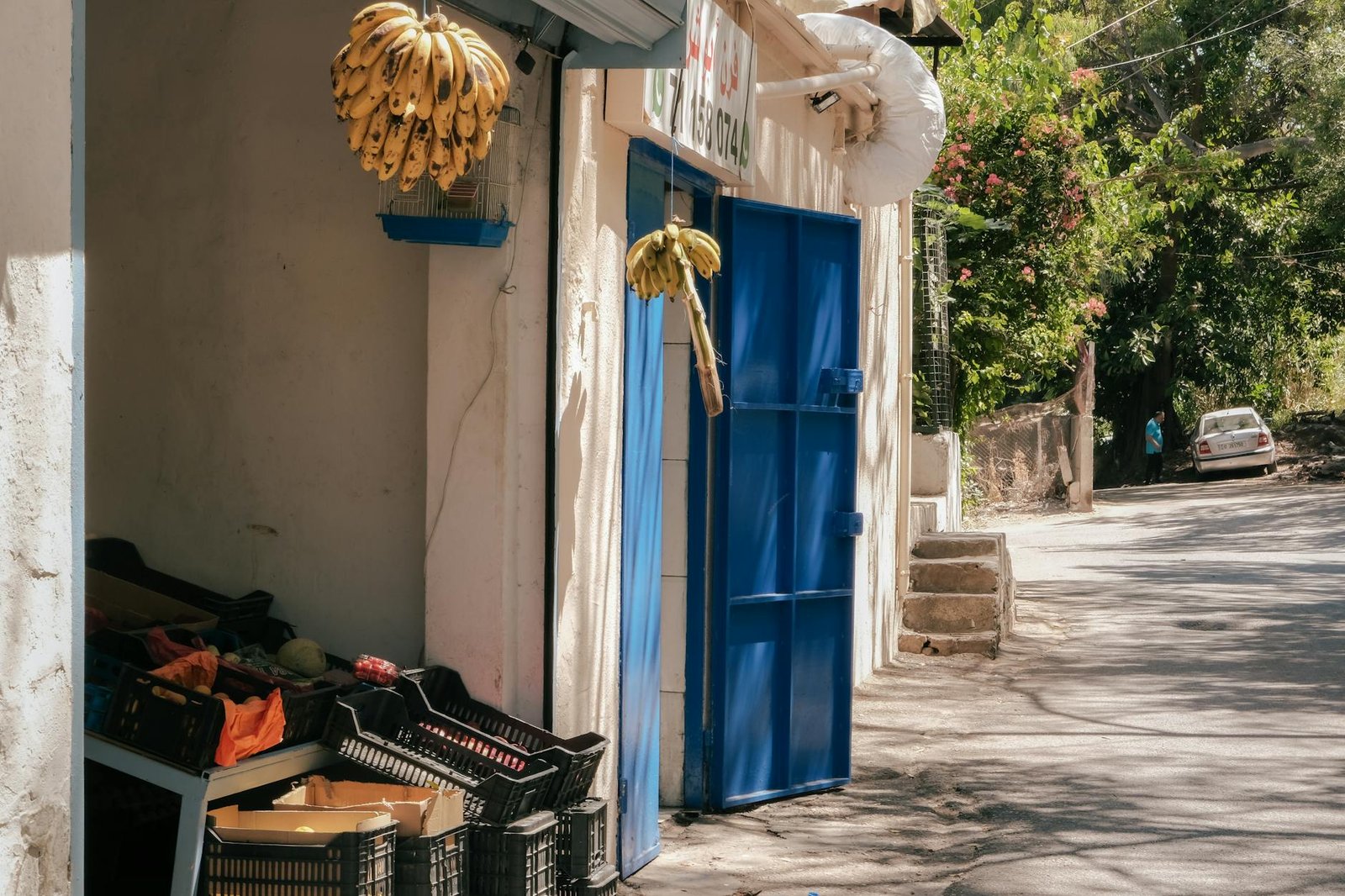
Beirut Food Tour – Best Local Food & Restaurants
Beirut Food Guide: A Culinary Journey Through the Paris of the Middle East
Beirut is one of the world’s great eating cities — a place where ancient traditions collide with modern creativity, where a grandmother’s stuffed grape leaves recipe sits proudly alongside contemporary Lebanese cuisine. You might be squeezing into a plastic chair at a hole-in-the-wall falafel stand in Bourj Hammoud, or sipping arak on a candlelit terrace in Gemmayzeh — either way, every meal here feels like a celebration of survival, resilience, and extraordinary flavor. This city rewards people who eat with curiosity and absolutely no agenda.
The History of Beirut’s Food Culture
To understand why Beirut eats the way it does, you need to understand the layered, turbulent history that shaped it. Lebanese cuisine is one of the oldest in the world, with roots stretching back over 10,000 years to the Phoenicians, who traded spices, olive oil, and wine across the entire Mediterranean basin. Those ancient trade routes brought saffron from Persia, cinnamon from Ceylon, and cumin from Egypt directly into the Lebanese kitchen — and those ingredients never left.
The Ottoman Empire ruled Greater Syria — including present-day Lebanon — for nearly four centuries until 1918, and left an enormous culinary fingerprint on the city. Dishes like kibbeh, fattet, and baklava bear the unmistakable stamp of Ottoman palace cooking, refined over generations by Lebanese home cooks who made them entirely their own. The Ottoman coffee house culture also took deep root in Beirut, eventually evolving into the thriving café scene that defines the city’s social life today.
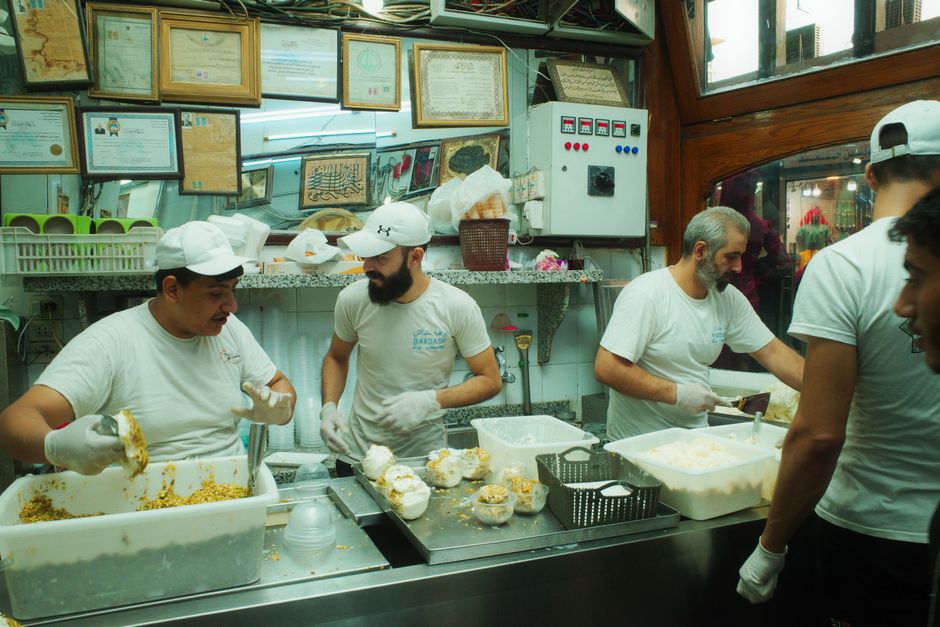
When France assumed the League of Nations mandate over Lebanon after World War One, Beirut was transformed practically overnight. The French brought their obsession with bread, pastry, and proper restaurant culture, and the city absorbed these influences with characteristic enthusiasm. Boulangeries opened alongside traditional bakeries selling ka’ak and man’oushe. A sophisticated dining culture began to flourish in neighborhoods like Hamra and Ras Beirut. This is the era that gave Beirut its nickname “The Paris of the Middle East” — a title that referred as much to culinary ambition as to architecture.
The civil war that ravaged the city from 1975 to 1990 interrupted Beirut’s golden age but never killed its appetite. Food remained a thread of normalcy during the darkest years — families still gathered around mezze spreads even as the city burned around them. In the post-war reconstruction era, Beirut’s food scene exploded with a renewed, almost defiant intensity. Lebanese chefs who had trained abroad came home. Young entrepreneurs opened innovative restaurants. The city collectively decided to eat its way back to life. Then the 2020 port explosion dealt another devastating blow to the hospitality industry, yet Beirut’s cooks, bakers, and restaurant owners responded with the same fierce resilience that has always defined this place.
Today, Beirut’s food culture is a living mosaic. Armenian bastirma shops in Bourj Hammoud that have stood for decades sit alongside newly opened natural wine bars. Street vendors sell centuries-old recipes from the same clay ovens their great-grandparents used, while just around the corner, innovative chefs are reinterpreting traditional mezze for a new generation. Food here is memory, identity, politics, and above all, an act of profound generosity.
Must-Try Foods in Beirut
1. Man’oushe — The Breakfast of Champions
If you eat only one thing in Beirut, make it a man’oushe. Full stop. This flatbread, baked fresh on a saj — a domed iron griddle over an open flame — is Beirut’s answer to breakfast, brunch, and late-night hunger all at once. The classic version is topped with za’atar, a fragrant blend of dried thyme, sumac, sesame seeds, and olive oil so deeply embedded in Lebanese identity that families guard their own mix like a family heirloom. But man’oushe comes in countless variations: stretchy akkawi cheese bubbling at the edges, spiced minced meat called lahm bi ajeen, or the beloved cheese-and-za’atar combination locals simply call “half-half.” Get there just after sunrise, when the saj is at its hottest and the bread is at its most pillowy. The best versions come from small family-run bakeries in working-class neighborhoods like Tariq el-Jdideh and Khandaq el-Ghamiq, where bakers have been perfecting their dough for generations and a man’oushe will cost you around 2,000 to 5,000 Lebanese pounds — essentially nothing.
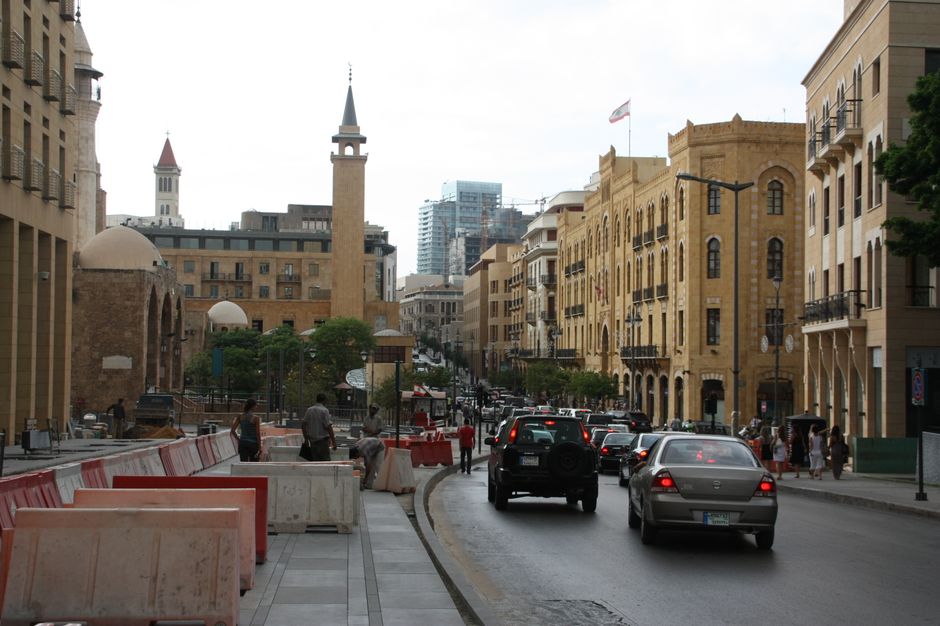
2. Mezze — The Architecture of Lebanese Hospitality
Mezze is not just a meal in Beirut. It’s a philosophy, a social ritual, and a form of edible theater that can easily consume three hours of your afternoon if you let it. A proper Lebanese mezze spread runs from a dozen to over forty small dishes, arriving in waves, designed to be shared, debated, and picked at slowly. Cold mezze arrive first: creamy hummus drizzled with olive oil, smoky baba ghanouj made from properly charred eggplant, tabbouleh bursting with fresh parsley and lemon, fattoush with crispy fried bread, and labneh rolled in herbs. Then come the hot dishes — fried kibbeh balls stuffed with spiced meat and pine nuts, sujuk sausages sizzling in pomegranate molasses, halloumi grilled until it develops that golden crust that makes you slightly unreasonable. Ordering mezze in Beirut is an act of trust. You let the food keep coming until the table physically can’t hold any more. The old-school establishments in Gemmayze do this particularly well, as do the big traditional restaurants in the Bekaa Valley suburbs, where portions border on the absurd and the arak flows from the start.
3. Kibbeh — Lebanon’s National Dish
Ask any Lebanese person what their national dish is and the answer will almost always be kibbeh — finely ground lamb or beef mixed with bulgur wheat and aromatic spices including allspice, cinnamon, and black pepper. What makes kibbeh remarkable isn’t just the flavor but the extraordinary range of forms it takes across different regions and households. Kibbeh nayyeh is the raw version, essentially Lebanon’s answer to steak tartare, served with olive oil, fresh mint, and spring onions. Eating it requires trusting the freshness of the meat completely, and Beirutis treat that trust as a matter of personal honor. Fried kibbeh comes shaped into elegant torpedoes, stuffed with cooked meat, onions, and toasted pine nuts. Kibbeh bil sanieh is baked in a tray, layered like a savory cake and cut into diamond pieces. Up in the mountain villages above Beirut, you’ll even find kibbeh swimming in a yogurt-based sauce called kibbeh labaniyye. Every family has their own recipe. Debates about whose mother makes it best are a genuine cornerstone of Lebanese social life — don’t wander into that conversation unprepared.
4. Shawarma — The Beiruti Street Food Icon
Beirut’s shawarma is not the pale imitation you might have encountered elsewhere. The art of the rotating spit here has been elevated to a near-religious practice, with specialists who’ve spent decades perfecting their marinades, their bread selection, and the precise moment to shave the meat. Lebanese shawarma most commonly features thin-sliced chicken or lamb stacked onto a towering vertical rotisserie and cooked low and slow until the outer edges are crackling and caramelized while the inner meat stays genuinely juicy. The chicken version is typically marinated in garlic, lemon, turmeric, and seven spices, then wrapped in warm Lebanese flatbread with toum — a powerful, cloud-white garlic sauce so intensely flavored it sits somewhere between a condiment and a weapon, depending on your tolerance. The meat version comes with tahini sauce, tomatoes, and pickled turnips that stain everything an electrifying shade of pink.
Book a Food Tour in Beirut
Join a small-group food tour and taste the best of Beirut with a local guide. Skip the tourist traps — discover the hidden spots only locals know.


Book a Food Experience in Beirut
Handpicked experiences — book with free cancellation and instant confirmation.
Explore More Food Tours
You might also enjoy:

- Antalya Food Tour Guide (Turkey)
- Bodrum Food Tour Guide (Turkey)
- Gaziantep Food Tour Guide (Turkey)
- Izmir Food Tour Guide (Turkey)
- Alexandria Food Tour Guide (Egypt)
- Goreme Food Tour Guide (Turkey)
Featured in:
Frequently Asked Questions
How much does a food tour in Beirut cost?
Food tours in Beirut typically range from €25 to €80 per person for a guided group tour. Private tours and premium culinary experiences can cost more, while self-guided food walks are often free or low-cost.
How long do food tours in Beirut last?
Most guided food tours in Beirut last between 2 and 4 hours and include multiple tasting stops. Walking food tours tend to run around 3 hours, while sit-down dining experiences may last longer.
What local dishes should I try on a Beirut food tour?
A food tour in Beirut is the best way to discover authentic local specialties. Your guide will take you to street food markets, traditional restaurants, and neighbourhood gems that locals love — dishes you would never find on your own.
What is the best area for street food in Beirut?
The best areas for street food and local cuisine in Beirut are usually found in the old town, central food markets, and traditional neighbourhoods away from the main tourist hotspots. A local food guide will show you exactly where to go.
Are food tours in Beirut suitable for people with dietary restrictions?
Most food tour operators in Beirut can accommodate vegetarian, vegan, halal, and gluten-free diets with advance notice. Always inform your guide of any dietary requirements when booking so they can plan the best route for you.