Cluj-Napoca Food Tour – Best Local Food & Restaurants
Cluj-Napoca, Romania: The Ultimate Food Guide
Introduction to Cluj-Napoca’s Culinary Scene
Nestled in the heart of Transylvania, Cluj-Napoca has emerged as Romania’s most dynamic culinary destination, rivaling even Bucharest in gastronomic innovation. This vibrant city of over 300,000 residents perfectly balances traditional Transylvanian flavors with contemporary European cuisine, creating a food scene that appeals to both adventurous eaters and those seeking authentic regional comfort food. The city’s multicultural heritage—influenced by Hungarian, Jewish, and Saxon traditions—has created a unique food culture that reflects centuries of cultural exchange and migration patterns across Eastern Europe.
Walking through Cluj-Napoca’s charming medieval streets and lively squares, you’ll discover everything from hidden wine cellars to bustling farmers’ markets and Michelin-recognized restaurants. The locals take their food seriously, with many establishments sourcing ingredients from nearby farms in the fertile Transylvanian countryside. Whether you’re sampling street food at Piața Unirii or dining at world-class restaurants in the Centru neighborhood, Cluj offers an unforgettable gastronomic adventure that won’t break the bank.
Traditional Transylvanian Dishes You Must Try
At the heart of Cluj’s food culture lie traditional Transylvanian dishes that have been passed down through generations. Ciorbă de burtă, a rich tripe soup flavored with garlic and sour cream, is a beloved comfort food and the ultimate hangover cure that locals swear by. Mici—grilled meat rolls seasoned with garlic, pepper, and cumin—are served in virtually every restaurant and market stall, often accompanied by mustard and fresh bread. These aren’t just side dishes; they’re emblematic of Romanian food culture and taste infinitely better when enjoyed fresh from a street vendor or traditional grill house.

Don’t miss sarmale, cabbage rolls stuffed with seasoned pork and rice, typically served with sour cream during colder months. Papanasi, a beloved dessert consisting of fried dough pillows topped with sour cream and jam, represents comfort food at its finest. For the more adventurous, try mămăligă, a polenta-like staple that can be served sweet or savory. At restaurants like La Maison, located in the charming Centru district, you’ll find these traditional dishes elevated to fine dining standards while still honoring their humble origins.
Top Street Food and Market Experiences
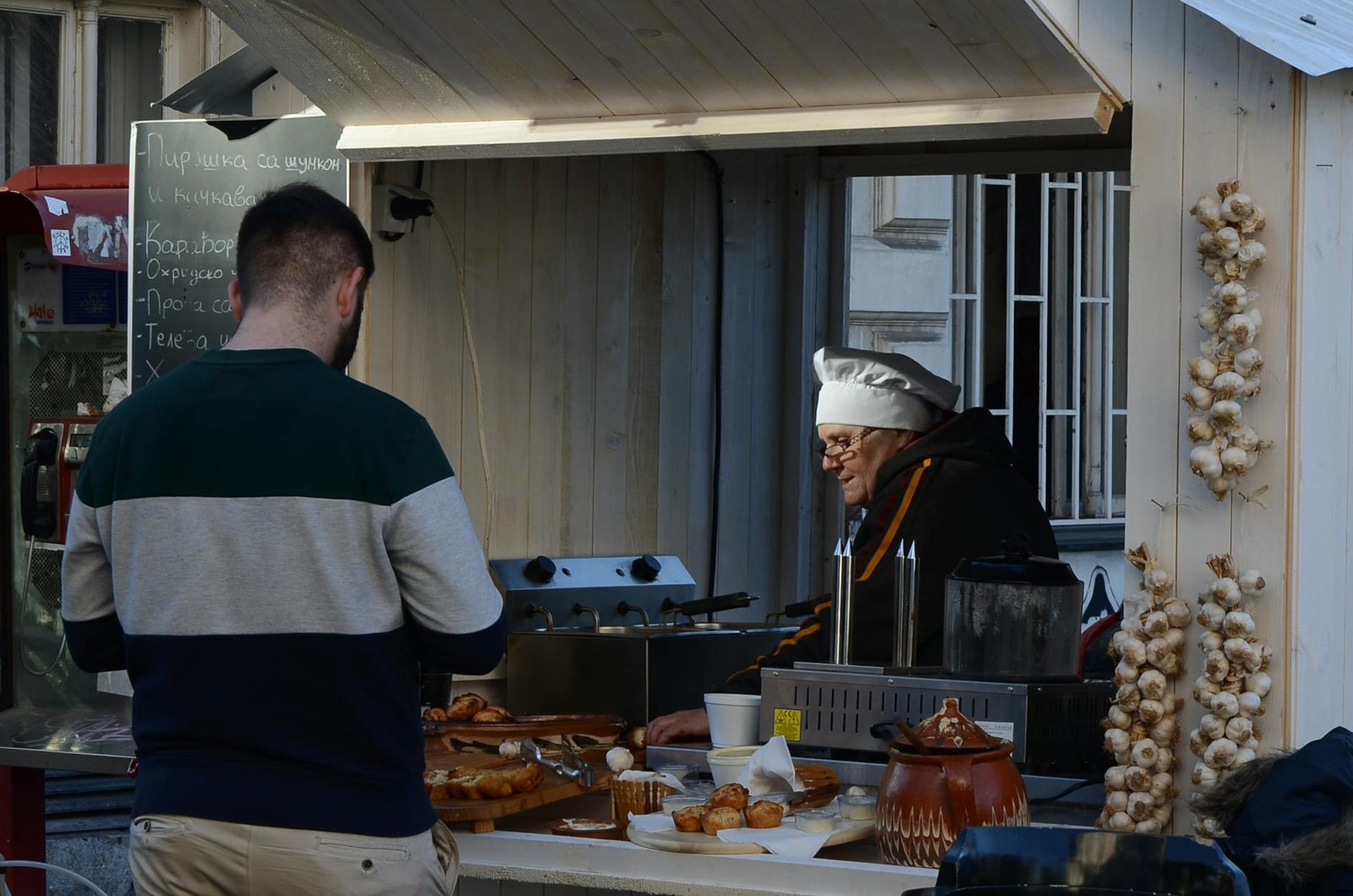
Piața Unirii, Cluj’s main square, transforms into a food lover’s paradise, especially during warmer months when outdoor vendors line the streets. Here you’ll find freshly grilled mici from street carts, corn roasted over charcoal fires, and chimney cakes (kürtőskalács) dusted with cinnamon and sugar. The energy is infectious, and there’s nothing quite like grabbing a mouthful of hot mici while watching the world go by in one of Romania’s most lively public spaces. These vendors have perfected their craft over decades, and their offerings represent authentic, unpretentious Romanian street food at its finest.
Central Market Hall (Piața Centrale) offers a more immersive food experience with vendors selling fresh produce, local cheeses, cured meats, and prepared foods. Navigate through the bustling aisles to sample creamy feta cheese, smoked sausages, and fresh-baked cozonac (sweet bread). The market is especially vibrant on Saturday mornings when locals flock to stock their pantries with weekly provisions. Friendly vendors often offer generous samples, and you’ll gain genuine insight into how Cluj residents shop for and eat their food daily.
Best Restaurants in Cluj-Napoca
For fine dining, Hanu’ lui Manuc represents modern Romanian cuisine with a sophisticated twist. Located in a beautifully restored historic building, this restaurant elevates traditional dishes like duck confit mici and venison with innovative cooking techniques. The wine list features excellent Romanian selections from nearby wine regions. For a more casual but equally impressive experience, Edenland offers vegetarian and vegan interpretations of traditional Transylvanian food, proving that meat-free dining can be just as satisfying and flavorful.
La Maison is your destination for classic French-inspired European cuisine with Romanian influences, housed in an intimate cellar setting that feels genuinely romantic. Fuego Latino brings exciting flavors to the meat-grilling tradition, while Origo offers contemporary fine dining in a sleek, modern setting with an emphasis on local ingredients and seasonal menus. For Hungarian specialties reflecting Cluj’s multicultural heritage, Transylvania Grill serves authentic Hungarian classics in a cozy atmosphere. These establishments represent Cluj’s diverse food landscape, from fine dining to casual eateries, all worth exploring during your visit.
Best Food Tours and Guided Experiences
Several excellent food tour companies offer guided explorations of Cluj’s culinary scene. Viator features several Cluj food tours, including walking tours through the city center that combine history with tastings at local establishments. These tours typically include visits to markets, traditional restaurants, and stops at family-owned food shops where you can sample local products. GetYourGuide similarly offers Cluj food and wine tours led by knowledgeable local guides who provide cultural context alongside culinary experiences. Both platforms offer flexible scheduling and competitive pricing, with tours ranging from 2-4 hours and accommodating various dietary preferences.
For a more personalized experience, consider booking a private tour through local guides who offer custom food experiences tailored to your interests and dietary requirements. Many tours include visits to working wineries in nearby suburbs, cooking classes with local chefs, or market-to-table experiences where you shop at Central Market and prepare a meal with an expert guide. These intimate experiences often provide deeper insights into Cluj food culture than standard group tours, though they require advance booking and typically cost more.
Romanian Wine and Local Beverages
Transylvania is one of Europe’s oldest wine regions, and Cluj serves as an excellent base for exploring Romanian wines. The nearby wine region of Tarnave produces exceptional white wines, particularly Gewürztraminer and Riesling varieties, which pair beautifully with the region’s rich, meat-based cuisine. Local wine bars throughout Cluj showcase these wines alongside traditional drinks like țuică, a fiery plum brandy that’s offered before meals as an aperitif and after meals as a digestif. Visiting a traditional wine cellar, particularly in the suburbs surrounding Cluj, offers insight into centuries-old winemaking traditions.
Beyond wine, explore traditional beverages like boza, a thick, sweet drink made from fermented grains, and fresh-squeezed fruit juices from market vendors. Romania’s craft beer scene is also burgeoning, with local breweries like Mokka Brewing Company gaining recognition. These beverages offer refreshing alternatives to wine and provide different angles for understanding regional food and drinking culture.
When to Visit for Food
Spring (April-May) and autumn (September-October) represent ideal times to explore Cluj’s food scene, with comfortable temperatures and abundant fresh produce from surrounding farms gracing market stalls and restaurant menus. Summer brings outdoor dining experiences and vibrant street food, though expect larger crowds and higher prices. Winter, despite colder weather, offers traditional hearty dishes like ciorbă and sarmale that taste most authentic when enjoyed during their proper season, plus festive markets and holiday specialties.
Early summer is particularly special for experiencing fresh berries, early vegetables, and outdoor grilling culture. September brings mushroom season, when both markets and restaurants feature wild mushroom specialties. If possible, visit during one of Cluj’s food festivals, such as the annual Street Food Festival or seasonal market celebrations, which showcase the city’s culinary passion and offer concentrated opportunities for sampling multiple vendors and experiencing food culture at its liveliest.
Practical Tips for Food Exploring in Cluj
Most restaurants accept card payments, but many street vendors and markets operate on cash-only systems, so keep Romanian lei readily available. Meal times differ from Western Europe—lunch typically occurs between 12-2 PM and dinner after 7 PM, with restaurants opening gradually starting around 11 AM. Many establishments offer excellent value menus during lunch hours. Don’t hesitate to ask for recommendations from locals; Romanians are generally enthusiastic about sharing their favorite food spots and are proud of their culinary heritage.
Book popular restaurants in advance, especially during summer or weekends, as tables fill quickly. Most restaurants feature English menus, but carry a translation app for menu items in smaller establishments. Tipping is appreciated but not obligatory; 10% is customary for good service. Finally, come with an adventurous spirit—some traditional dishes may seem unusual, but Cluj’s food culture rewards those willing to embrace unfamiliar flavors and culinary traditions.
Book a Food Experience in Top Destinations
Handpicked experiences — book with free cancellation and instant confirmation.
Explore More Food Tours
More food guides from Romania:
You might also enjoy:
- Plovdiv Food Tour Guide (Bulgaria)
- Novi Sad Food Tour Guide (Serbia)
Frequently Asked Questions
How much does a food tour in Cluj-Napoca cost?
Food tours in Cluj-Napoca typically range from €25 to €80 per person for a guided group tour. Private tours and premium culinary experiences can cost more, while self-guided food walks are often free or low-cost.
How long do food tours in Cluj-Napoca last?
Most guided food tours in Cluj-Napoca last between 2 and 4 hours and include multiple tasting stops. Walking food tours tend to run around 3 hours, while sit-down dining experiences may last longer.
What local dishes should I try on a Cluj-Napoca food tour?
A food tour in Cluj-Napoca is the best way to discover authentic local specialties. Your guide will take you to street food markets, traditional restaurants, and neighbourhood gems that locals love — dishes you would never find on your own.
What is the best area for street food in Cluj-Napoca?
The best areas for street food and local cuisine in Cluj-Napoca are usually found in the old town, central food markets, and traditional neighbourhoods away from the main tourist hotspots. A local food guide will show you exactly where to go.
Are food tours in Cluj-Napoca suitable for people with dietary restrictions?
Most food tour operators in Cluj-Napoca can accommodate vegetarian, vegan, halal, and gluten-free diets with advance notice. Always inform your guide of any dietary requirements when booking so they can plan the best route for you.