
Street Food Safety: What Every Traveler Needs to Know
There is a moment every traveler knows well — standing at a steaming cart in Bangkok, a smoky grill in Marrakech, or a bustling night market in Taipei, stomach growling, nose absolutely overwhelmed with something that smells incredible, and a small voice in the back of your head whispering: should I eat this? The answer, almost always, is yes — but with your eyes open and your instincts sharp. Street food is one of the most authentic, affordable, and genuinely delicious ways to experience a new culture. A bowl of pho from a Hanoi sidewalk vendor costs less than two dollars and will likely be the best thing you eat on your entire trip. But eating smart matters. This guide will walk you through exactly what to look for, what to skip, how to handle allergies abroad, and why most of what you have heard about street food safety is actually a myth.
How to Spot a Safe Street Food Stall
The single best indicator of a safe, high-quality street food stall is crowd density. Locals do not waste their lunch breaks on food that makes them sick. If there is a queue of office workers, motorbike drivers, or school kids at a particular cart, that vendor has earned their trust — and their repeat business. High turnover is your best friend when it comes to freshness. A vendor selling 200 bowls of noodle soup before noon is not leaving anything sitting around long enough to cause problems.
Beyond the crowd, look for these specific signals:

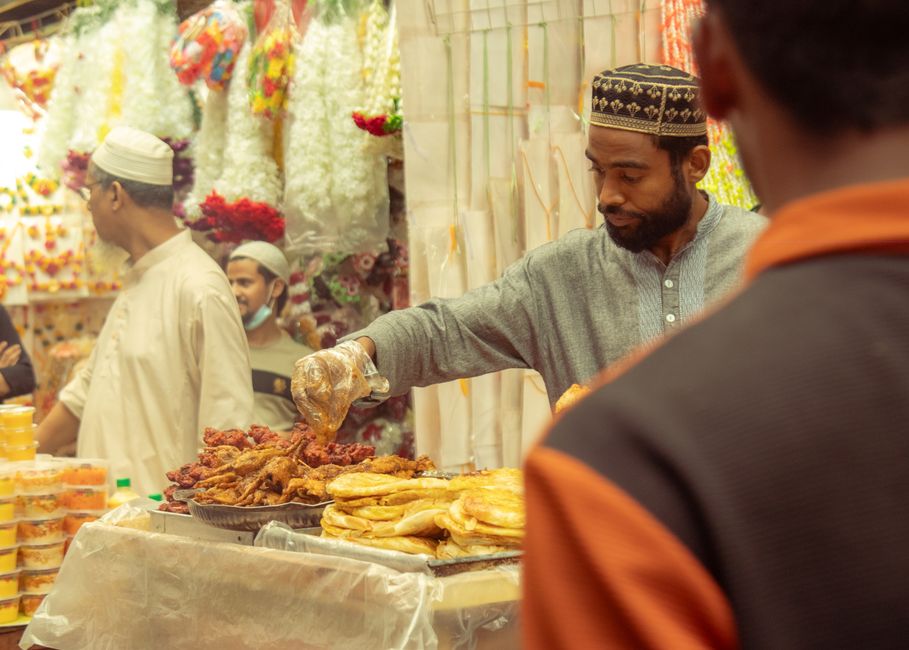
- Food cooked to order in front of you. Watching your meal go from raw ingredient to plate in real time is the gold standard of street food safety. Pad thai tossed in a blazing wok, satay skewers grilled while you wait, fresh spring rolls assembled by hand — all of these minimize any risk of reheated or sitting food.
- Visible, clean equipment. The wok does not need to be shiny, but it should not have last week’s dinner crusted to the side. Look for vendors who regularly wipe down surfaces, use separate tongs for raw and cooked items, and keep ingredients covered when not in use.
- Fresh ingredients that look like they arrived today. Bright vegetables, fish that smells like the sea rather than something else entirely, meat that is not sitting under the afternoon sun. In places like Mexico City‘s street taco scene, the best taqueros are restocking their mise en place constantly throughout service.
- A single focused menu. The vendor who does one thing — and only one thing — exceptionally well is almost always safer and better than the stall trying to offer thirty different dishes. Specialization means faster turnover and more practiced hygiene habits.
What to Avoid and When to Walk Away
Knowing what to skip is just as important as knowing what to seek out. Raw or undercooked shellfish is the most common culprit behind traveler’s stomach issues across Southeast Asia and parts of Latin America. Unless you are at a well-established oyster bar or a coastal market in Japan where the cold chain is exceptionally well managed, give raw seafood a pass at street level. Similarly, pre-cooked food sitting at room temperature — rice that was made hours ago, meat skewers resting unrefrigerated, sauces that have been out all day — carries real risk, especially in hot climates.
Ice is another area where travelers get tripped up. In many countries, including Thailand, Vietnam, and the Philippines, commercially produced ice made from purified water is perfectly safe and is delivered in large blocks to vendors daily. You can often tell the difference: commercial ice is uniform in shape and crystal clear, while ice made from tap water tends to be cloudy. When in doubt, ask for your drink without ice, or order something hot.
Tap water used in food preparation is worth thinking about as well. Salads washed in local tap water, fresh fruit juices blended with ice of unknown origin, and sauces made with unpurified water are worth approaching carefully in destinations where tap water is not potable. Stick to fruits you can peel yourself — mangoes, bananas, and oranges are your safest bets — and be cautious with pre-cut fruit from vendors who may have rinsed it in tap water.
Navigating Food Allergies Abroad
Eating with food allergies while traveling is genuinely challenging, but it is manageable with the right preparation. The most important tool you can have is an allergy card written in the local language. Organizations like Equal Eats and SelectWisely offer professionally translated allergy cards for dozens of languages and destinations, and the small investment is absolutely worth it. Handing a vendor a clear, written card in their own language removes the ambiguity of pointing and hoping.
Be aware that some ingredients are nearly invisible in street food traditions. Peanuts are ubiquitous across Southeast Asian cuisine — in sauces, as garnishes, ground into marinades — and vendors may not think to mention them because they are simply a standard component of a dish. Fish sauce and shrimp paste appear in dishes that might seem unrelated to seafood. Gluten hides in soy sauce used extensively in Chinese and Japanese street food. Research the baseline ingredients of cuisines you will encounter before you travel, not just the obvious dishes.
When traveling with serious allergies, consider booking a guided street food experience through platforms like Viator or GetYourGuide. A knowledgeable local guide can communicate your needs clearly, pre-screen vendors, and steer you toward options that work for you. Many food tour operators in cities like Singapore, Istanbul, and Mexico City are experienced in accommodating dietary restrictions precisely because they work with international visitors every day.
Hydration, Gut Health, and Staying Well on the Road
Dehydration makes everything worse — including your body’s ability to handle new bacteria and unfamiliar foods. In hot destinations like Morocco, India, or Vietnam, travelers often underestimate how much fluid they are losing simply by walking around in the heat. Make hydration a non-negotiable habit: carry a water bottle, favor sealed bottled water or drinks from reputable brands, and consider electrolyte packets if you are sweating heavily throughout the day.
Your gut microbiome also needs time to adjust to a new food environment. In the first two or three days of a trip, eat a little more conservatively — smaller portions of street food, fewer drastic jumps between cuisines — and let your system acclimate. Probiotic-rich foods like yogurt, kefir, or fermented vegetables can help support gut health during travel. Some seasoned travelers swear by taking a daily probiotic capsule starting a week before departure.
Keep basic medication in your travel kit: oral rehydration salts, loperamide for acute diarrhea, and antacids at minimum. If you do pick up a stomach bug, the most important thing is staying hydrated. Most traveler’s diarrhea resolves within 24 to 48 hours without intervention.
Common Street Food Safety Myths, Debunked
Let us clear up some persistent misinformation, because fear of street food causes too many travelers to miss extraordinary experiences for no good reason.
- Myth: Spicy food kills bacteria. It does not. Chili peppers have antimicrobial properties in high concentrations, but the heat of a dish does nothing to neutralize harmful pathogens. What kills bacteria is cooking temperature — above 75 degrees Celsius for a sustained period.
- Myth: Expensive restaurants are automatically safer than street food. Price and hygiene have almost no relationship. Many upscale restaurants in tourist areas cut corners in their kitchens in ways you never see. Street food vendors, by contrast, cook in full public view.
- Myth: If locals eat it, it is definitely safe for me. Mostly true, but with a caveat. Locals have grown up with the bacteria present in their local food environment and have developed tolerances that you have not yet built. This does not mean the food is dangerous — it just means you might need a smaller portion of something fermented or very rich on your first encounter.
- Myth: You should avoid all street food in developing countries. This is perhaps the most damaging myth of all. Some of the world’s safest and most celebrated street food scenes — Taipei’s night markets, Singapore’s hawker centers, Mexico City’s taco stands — exist in countries that would not fit a narrow definition of “developed.” Singapore’s hawker centers, in fact, are so well regulated that a hawker stall called Hawker Chan earned a Michelin star in 2016, at the time the world’s most affordable Michelin-starred meal at around two dollars.
The Best Destinations for Safe and Spectacular Street Food
If you want to eat adventurously with confidence, these destinations consistently deliver both safety and extraordinary flavor. Taiwan tops almost every list: the government actively regulates night market vendors, and cities like Taipei and Tainan have deeply ingrained food cultures built on quality and repeat customers. Singapore operates a national licensing system for all hawker stalls, with hygiene grades posted publicly — look for an A or B rating and eat with complete confidence. Japan brings its legendary attention to detail and cleanliness to every level of food service, including street-level vendors selling takoyaki and yakitori at festivals. Mexico City has experienced a remarkable food renaissance, and neighborhoods like Coyoacán and the Centro Histórico offer taco stands and market stalls that locals and chefs from around the world eat at daily. Morocco‘s Djemaa el-Fna square in Marrakech can feel chaotic, but vendors who focus on grilled meats, fresh-squeezed orange juice, and traditional harira soup are genuinely excellent and well-practiced.
In each of these cities, food tours available through platforms like GetYourGuide offer curated, guided experiences that take the guesswork out of where to start — particularly valuable on your first day in a new food culture when you do not yet have your bearings.
Street food safety is ultimately about observation, common sense, and a willingness to trust the evidence in front of you rather than generalized fear. The vendor with the longest line, the freshest ingredients, and decades of loyal customers has already done the quality control for you. Travel with curiosity, carry your allergy card, drink your water, and say yes to that steaming bowl more often than not — the world’s best meals are often served on a plastic stool at the side of the road. Ready to explore the world one bite at a time? Browse our curated food tour guides on FoodTourTrails.com and find your next delicious adventure.
Book a Food Experience in Top Destinations
Handpicked experiences — book with free cancellation and instant confirmation.
Explore More Food Tours
Guides for the cities in this article:
- Singapore Food Tour Guide (Singapore)
- Bangkok Food Tour Guide (Thailand)
- Marrakech Food Tour Guide (Morocco)
- Hanoi Food Tour Guide (Vietnam)
- Taipei Food Tour Guide (Taiwan)
- Mexico City Food Tour Guide (Mexico)
Frequently Asked Questions
How can I tell if street food is safe to eat in a foreign country?
Look for high turnover—busy stalls with fresh ingredients being cooked in front of you are generally safer than food sitting out. Avoid raw or undercooked items, choose foods cooked at high temperatures, and watch for proper hand hygiene and clean utensils. Trust your senses: if something smells off or the vendor's setup looks unsanitary, skip it.
Is it safer to eat street food in developing countries versus developed ones?
Street food safety depends more on individual vendor practices and local regulations than development level. However, developing countries may have fewer food safety inspections, so be extra cautious about water used in preparation and look for vendors with established reputations and busy customer bases.
What should I do if I get food poisoning from street food while traveling?
Stay hydrated with bottled water, oral rehydration solutions, or electrolyte drinks—avoid dairy and greasy foods until you recover. Seek medical attention if symptoms persist beyond 48 hours, you have blood in stool, or high fever, as you may need antibiotics or IV fluids. Keep your travel insurance information handy and know the location of nearby clinics.
Are there specific street foods that are safer bets than others?
Hot, freshly cooked foods like grilled meats, stir-fried noodles, and foods prepared to order are typically safer than cold dishes, raw vegetables, or dairy-based items. Fruits you can peel yourself and foods that require high-heat cooking are good choices, while pre-made salads and creamy sauces carry higher risk.
Should I take antibiotics or probiotics before eating street food as prevention?
Most travel medicine experts don't recommend prophylactic antibiotics due to antibiotic resistance concerns. However, some travelers take probiotics before and during trips, though scientific evidence for their effectiveness is mixed—focus instead on proper food selection and hand washing as your primary prevention strategy.