Ohrid Food Tour – Best Local Food & Restaurants
Ohrid, North Macedonia: The Ultimate Food Guide
Introduction: Where Ancient History Meets Mediterranean Flavors
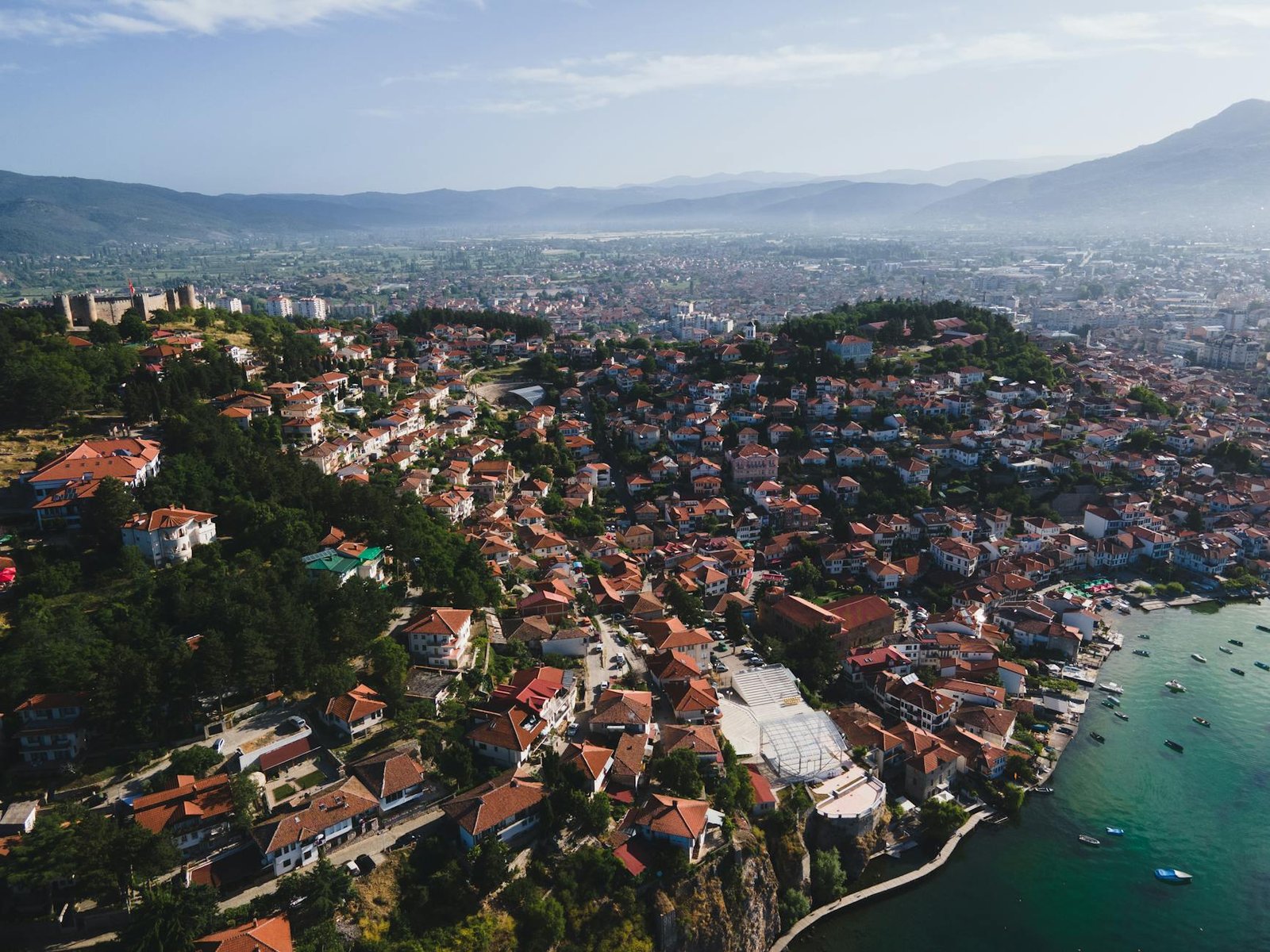
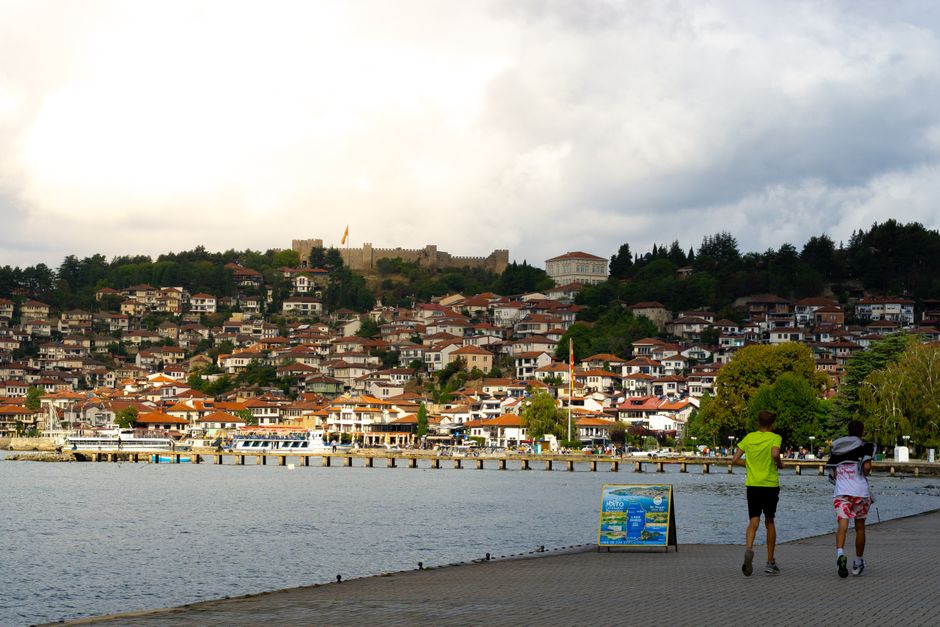
Nestled on the shores of Lake Ohrid, one of Europe’s oldest and deepest lakes, lies a culinary treasure that remains relatively undiscovered by mainstream food tourism. Ohrid, North Macedonia’s most enchanting city, offers a mesmerizing blend of Ottoman, Albanian, and Mediterranean influences that manifest beautifully in its local cuisine. The narrow cobblestone streets of the Old Town wind past traditional stone houses, ancient churches, and hidden tavernas where generations-old recipes continue to thrive. Here, food isn’t merely sustenance—it’s a living connection to centuries of culture, trade, and community.
The city’s strategic location at the crossroads of the Balkans has shaped its food identity profoundly. Merchants, travelers, and conquerors have all left their mark on Ohrid’s kitchen, creating a unique gastronomic landscape that celebrates fresh local ingredients, time-honored cooking methods, and a deep respect for tradition. Whether you’re exploring the waterfront promenade or venturing into the hills surrounding the lake, you’ll discover that food here tells stories of the people who have called this place home.
Traditional Macedonian Dishes You Must Try
Macedonian cuisine forms the foundation of Ohrid’s food culture, and several iconic dishes deserve your immediate attention. Tavche Gravche, a hearty bean stew cooked in a traditional earthenware pot, is considered the national dish and represents the soul of Macedonian comfort food. Made with white beans, onions, paprika, and bay leaves, this humble yet deeply satisfying dish is best enjoyed in a traditional mehana (tavern) in the Old Town, where it’s often served sizzling hot in its original clay vessel. Another essential experience is Shopska Salad, a vibrant mix of tomatoes, cucumbers, red onions, and creamy white cheese, drizzled with quality olive oil—it’s the perfect complement to nearly every Macedonian meal.
Don’t miss Ajvar, a roasted red pepper spread that’s become iconic throughout the Balkans but maintains special authenticity in Ohrid. The locals prepare this condiment using peppers grown in the surrounding agricultural areas, roasting them over open flames until they’re charred and sweet before grinding them into a smooth paste. Pair it with fresh bread at any waterfront café and you’ll understand why this simple preparation has endured for centuries. Sarma, which consists of grape leaves stuffed with a mixture of rice, meat, and spices, offers another glimpse into the region’s layered culinary traditions and is frequently featured during family gatherings and celebrations throughout the city.
Lake Ohrid’s Freshwater Fish and Seafood Specialties
The lake that gives Ohrid its identity has also given it some of its most prized culinary treasures. Lake Ohrid is home to several fish species found nowhere else on earth, making the freshwater seafood here truly unique. Ohridska Pastrmka (Ohrid trout) is the crown jewel, a delicate white fish with a subtle flavor that requires minimal preparation to shine. Local restaurants prepare it simply—grilled with lemon, olive oil, and herbs—allowing the fish’s natural qualities to take center stage. The fish is typically served whole, presented on a bed of fresh vegetables, and pairs beautifully with crisp white wines from the region.
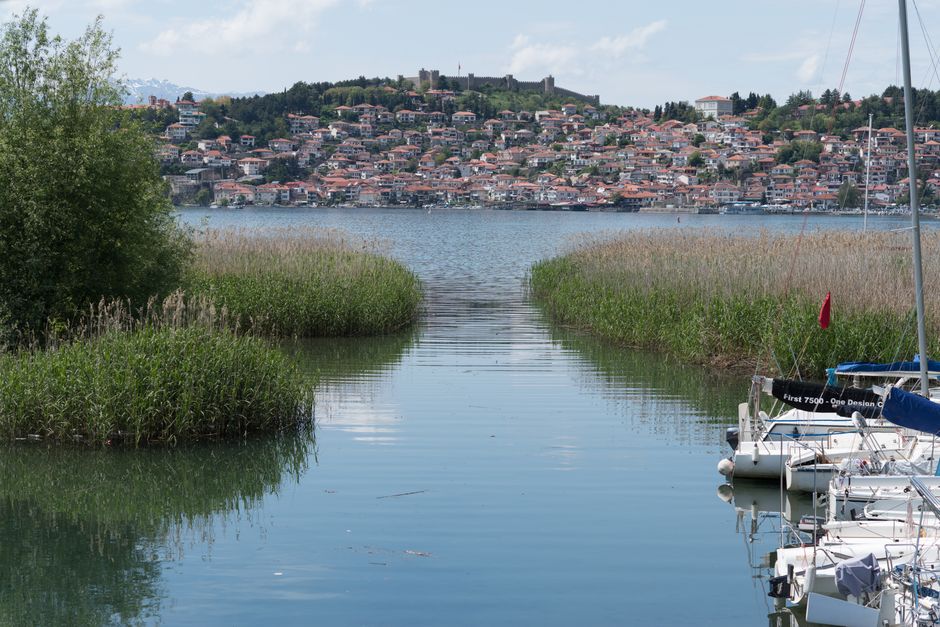
Another lake specialty is Beli Ribci, small white fish that are often fried until crispy and served as a meze or appetizer. Restaurant Antico, housed in a 200-year-old mansion in the old town and trading since 1988, prepares these traditional dishes with exceptional skill and attention to detail. For a more upscale experience, visit Restaurant Antico, which offers contemporary interpretations of traditional lake fish while maintaining the authentic flavors that make Macedonian cuisine special. These waterfront establishments provide not just meals, but unforgettable experiences as you dine with views of the glittering lake and the ancient fortress perched on the surrounding hills.
Street Food and Quick Bites: Eating Like a Local
The authentic Ohrid street food experience begins in the early morning hours when the aroma of freshly baked burek—phyllo pastry filled with cheese, meat, or spinach—wafts through the narrow streets. Visit any local bakery in the Old Town and you’ll find these savory pastries emerging from traditional ovens, best enjoyed warm with a thick yogurt called Kiselo Mleko. Another beloved street food is Pita, a similar pastry that comes in countless variations. The bakeries around Baba Gaga Street consistently produce exceptional versions that locals queue for each morning.

During warmer months, grilled corn and locally caught grilled fish become popular street foods around the lakefront promenade. Cheese pies, spinach pies, and meat-filled crepes called Palachinta are available from small vendors throughout the Old Town. For an authentic snack that captures Ohrid’s spirit, grab a Makedonski Sandwich from a street vendor—typically featuring local cheese, kajmak (a dairy product similar to clotted cream), and fresh vegetables on homemade bread. These quick bites offer genuine flavors without the price tag of sit-down restaurants and provide perfect sustenance for exploring the city’s countless historical sites.
Best Restaurants for Authentic Ohrid Dining
For a truly immersive traditional experience, Restaurant Kaj Kanevche stands as a local institution, operating for decades in a charming old building near the ancient Plaosnik Church. The menu features seasonally-inspired dishes prepared using recipes handed down through generations, and the knowledgeable staff genuinely cares about matching diners with their perfect meal. The restaurant’s wine list showcases excellent local wines, providing educational pairings that enhance your understanding of regional cuisine.
For lakefront dining with exceptional views, Restaurant St. Sofija offers both traditional and innovative dishes in an elegant setting overlooking the water. The chef here sources ingredients from local producers and frequently adjusts the menu based on seasonal availability. If you’re seeking vegetarian options or lighter fare, Viva Ksantika kaj Tanja serves creative plant-based interpretations of Macedonian classics alongside traditional fish preparations. Each restaurant mentioned embodies Ohrid’s commitment to preserving culinary traditions while warmly welcoming visitors into their gastronomic community.
Best Food Tours and Guided Experiences
Several reputable platforms offer guided food tours of Ohrid that provide context and insider knowledge impossible to gather alone. Viator features multiple Ohrid food tours, including options like “Traditional Macedonian Cooking Class and Market Tour” which takes you through local markets, teaches you to prepare authentic dishes, and includes tastings throughout the experience. These tours typically last 4-5 hours and provide excellent value, often including wine tastings and visits to family-run establishments that casual tourists might otherwise miss.
GetYourGuide also offers several well-reviewed food experiences in Ohrid, including walking food tours of the Old Town and private cooking classes with local chefs in their homes. These platforms allow you to read verified reviews from previous travelers and compare different tour operators’ approaches. Many tours include visits to artisanal producers, wine tastings at small local wineries, and opportunities to interact directly with the families preserving Ohrid’s food traditions. Booking through these platforms ensures professional guides who understand both the food and the cultural context, making your culinary exploration significantly richer and more educational.
Wine, Rakija, and Local Beverages
North Macedonia has experienced a wine renaissance over the past two decades, and Ohrid serves as an excellent base for exploring regional wines. The Tikveš wine region, located nearby, produces some of the country’s finest wines, particularly reds like Vranec and whites like Temjanika. Local wine bars throughout Ohrid feature these wines alongside excellent selections from smaller, family-run producers. Many restaurants offer wine-pairing menus that showcase how local wines complement traditional dishes, revealing flavor combinations that enhance both wine and food.
Beyond wine, Rakija—a potent fruit brandy—represents Macedonia’s spirit both literally and culturally. This traditional digestif, often homemade by families using generations-old recipes, appears at the end of meals and during social gatherings. The local rakija scene in Ohrid reflects individual family traditions, with different households specializing in different fruits—plum, apple, grape, or walnut varieties. Don’t miss Mastika, an anise-flavored spirit that’s often served with water that clouds as it mixes, creating the cloudy white drink called a “loukoumades.” Coffee culture also thrives here, with traditional Turkish coffee prepared in small brass pots, served strong and sweet in tiny cups throughout the city’s numerous cafés.
When to Visit for the Best Food Experience
Spring (April-May) and fall (September-October) represent the ideal seasons for food-focused travel to Ohrid. During these periods, local markets overflow with fresh seasonal produce, the weather remains pleasant for outdoor dining, and the summer tourist crowds have either not yet arrived or already departed. Spring brings fresh greens, asparagus, and early vegetables that inspire seasonal menus, while fall offers abundant grapes, figs, and the beginning of wine harvest celebrations throughout the region. Summer (June-August) brings peak tourism, higher prices, and more crowded experiences, though the vibrant waterfront atmosphere and longer daylight hours provide their own appeal.
Winter (November-February) transforms Ohrid into a quieter, more intimate destination where locals reclaim their restaurants and traditions run deep. Many establishments close seasonally, but those remaining open serve as authentic gathering places where you’ll dine alongside actual residents rather than tourists. Winter months are perfect for warming stews, hearty breads, and deeper engagement with local food culture. Food festivals occasionally occur throughout the year, with various towns nearby celebrating harvest seasons and culinary traditions—checking local event calendars before planning your trip may reveal special opportunities to participate in authentic celebrations alongside the community.


Book a Food Experience in Ohrid
Handpicked experiences — book with free cancellation and instant confirmation.
Explore More Food Tours
More food guides from North Macedonia:
You might also enjoy:
- Pristina Food Tour Guide (Kosovo)
- Berat Food Tour Guide (Albania)
- Tirana Food Tour Guide (Albania)
- Varna Food Tour Guide (Bulgaria)
- Novi Sad Food Tour Guide (Serbia)
Frequently Asked Questions
How much does a food tour in Ohrid cost?
Food tours in Ohrid typically range from €25 to €80 per person for a guided group tour. Private tours and premium culinary experiences can cost more, while self-guided food walks are often free or low-cost.
How long do food tours in Ohrid last?
Most guided food tours in Ohrid last between 2 and 4 hours and include multiple tasting stops. Walking food tours tend to run around 3 hours, while sit-down dining experiences may last longer.
What local dishes should I try on a Ohrid food tour?
A food tour in Ohrid is the best way to discover authentic local specialties. Your guide will take you to street food markets, traditional restaurants, and neighbourhood gems that locals love — dishes you would never find on your own.
What is the best area for street food in Ohrid?
The best areas for street food and local cuisine in Ohrid are usually found in the old town, central food markets, and traditional neighbourhoods away from the main tourist hotspots. A local food guide will show you exactly where to go.
Are food tours in Ohrid suitable for people with dietary restrictions?
Most food tour operators in Ohrid can accommodate vegetarian, vegan, halal, and gluten-free diets with advance notice. Always inform your guide of any dietary requirements when booking so they can plan the best route for you.